
ابتكارات التصنيع في النيكل 200 الشفاه مزورة
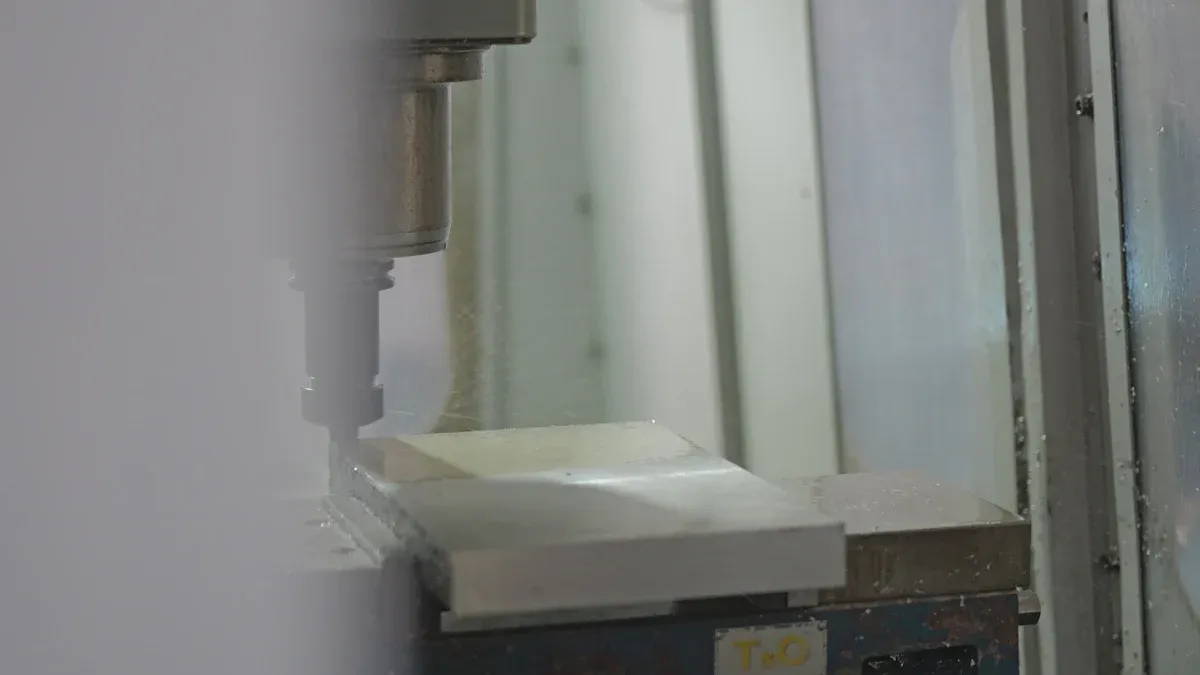
يدمج التصنيع الحديث ثلاث تقنيات قوية لإنتاج تقنيات اليوم النيكل 200 الشفاه. توفر هذه الابتكارات المتقدمة مكونات ذات قوة فائقة, دقة الأبعاد لا تشوبه شائبة, وموثوقية لا مثيل لها. تعمل الدقة التي تم تحقيقها باستخدام هذا النهج الرقمي أولاً على رفع معايير الأداء للمكونات المهمة, بما في ذلك مونيل 400 شفة.
التقنيات الرئيسية التي تقود الابتكار:
- 3تزوير القالب المغلق الموجه بالنموذج D
- التصنيع باستخدام الحاسب الآلي متعدد المحاور
- الاختبارات المتقدمة غير المدمرة (NDT)
يضمن هذا المزيج أن تلبي كل فلنجة المتطلبات الصناعية الأكثر تطلبًا مع ضمان الاتساق.
الوجبات السريعة الرئيسية
- النيكل الحديث 200 تستخدم الشفاه أساليب متقدمة مثل النمذجة ثلاثية الأبعاد والتزوير المغلق للقوة, أجزاء دقيقة.
- تعمل آلات CNC متعددة المحاور على إنشاء أشكال مثالية وأسطح ناعمة لضمان الموثوقية, اتصالات مانعة للتسرب.
- تضمن الاختبارات المتقدمة مثل PAUT وCMM خلو كل شفة من العيوب المخفية وتلبية احتياجات الحجم الدقيق.
- تضمن فحوصات المواد الصارمة والتتبع الكامل وجودة النيكل النقي والجودة العالية لكل شفة.
- هذه الطرق الجديدة لصنع الشفاه تعني أنها أكثر موثوقية وتستمر لفترة أطول في الوظائف الصناعية الصعبة.
ابتكار 1: الدقة الرقمية في تزوير
يبدأ تأسيس الحافة العلوية بعملية الحدادة. لقد تجاوز التصنيع الحديث الأساليب التقليدية, تبني التقنيات الرقمية لخلق مجتمع أقوى, منتج أكثر اتساقًا منذ البداية. يضمن هذا النهج الرقمي الأول أن كل شفة تمتلك بنية داخلية مثالية لتحقيق أقصى قدر من الأداء.
من القالب المفتوح إلى القالب المغلق
يستخدم المصنعون الآن في الغالب طرقًا مغلقة للنيكل 200 الشفاه. تستخدم هذه التقنية قالبين مخصصين يحيطان بالكامل بقطعة من النيكل الساخن. ثم يتم الضغط بقوة على المعدن لملء كل جزء من تجويف القالب. توفر هذه العملية ميزة كبيرة مقارنة بالطرق القديمة المفتوحة.
تعمل عملية القالب المغلق على تحسين بنية حبيبات المعدن. أنه يحفز إعادة بلورة المعادن, الذي يعيد تنظيم الحبوب. هذا التدفق المعدني المتحكم به يخلق اتجاهًا “التحبب,” مما يجعل الجزء الأخير قويًا بشكل استثنائي ومقاومًا للتعب.
دور النمذجة ثلاثية الأبعاد CAD/CAM
تبدأ الدقة الرقمية بمخطط مثالي. يستخدم المهندسون 3D CAD (التصميم بمساعدة الحاسوب) وكام (التصنيع بمساعدة الحاسوب) برنامج لتصميم الحافة ويموت تزوير. يتيح هذا النموذج الافتراضي تعقيدًا وتحسينًا لا مثيل لهما قبل تسخين أي معدن. Designers can integrate intricate features directly into the flange, مثل:
- Angled sections to clear other system components.
- Integrated mounts or ports to reduce leak paths.
- Configurable bolt patterns for various pressure ratings.
This digital approach also enables topology optimization, a technique that uses algorithms to remove unnecessary material. This significantly reduces waste and cost, which is especially important for high-value alloys.
Automated Temperature and Pressure Control
Consistency is key to quality. Modern forging presses are equipped with automated systems that provide real-time control over temperature and pressure. Sensors monitor these critical variables throughout the process, allowing for micro-adjustments that maintain optimal conditions. This automation eliminates the inconsistencies of manual monitoring. It produces clean, مطروقات قوية خالية من العيوب مثل المسامية, ضمان أن كل شفة تلبي نفس المستوى العالي من الجودة والقوة.
ابتكار 2: الثورة في الآلات والتشطيب
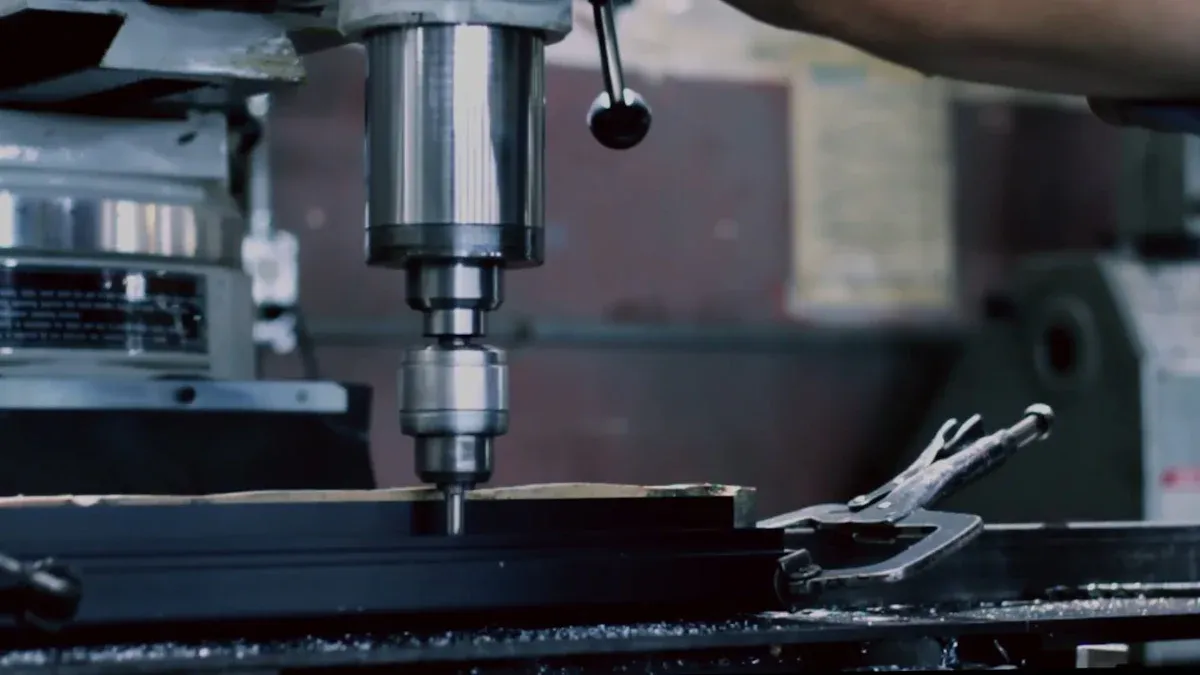
بعد تزوير يخلق قوية, شكل قريب من الشبكة, تعمل الآلات الدقيقة على تحويل الجزء الخام إلى مكون نهائي مع تفاوتات دقيقة. تقنيات التصنيع والتشطيب الحديثة مؤتمتة, سريع, ودقيقة بشكل لا يصدق, ضمان أداء كل شفة بلا عيب.
CNC متعدد المحاور لدقة لا مثيل لها
تعتمد المرافق الحديثة على CNC متعدد المحاور (التحكم العددي بالكمبيوتر) آلات لتحقيق دقة الأبعاد لا مثيل لها. على عكس الآلات القديمة ذات المحاور الثلاثة, أربعة- وتضيف المطاحن ذات الخمسة محاور محاور دورانية. وهذا يسمح لأداة القطع بالاقتراب من قطعة العمل من أي زاوية تقريبًا. تكمل هذه الآلات المتقدمة الأشكال الهندسية المعقدة بإعدادات أقل, which significantly reduces production time. While the hourly rate for a 5-axis machine may be higher, the ability to finish a part in a single run often makes it more cost-effective for intricate designs by minimizing labor and machine adjustments.
Perfecting Sealing Faces (RF/RTJ)
The most critical surface of a flange is its sealing face, as it ensures a leak-proof connection. CNC machining provides the precision needed to create perfect sealing surfaces on both Raised Face (الترددات اللاسلكية) and Ring-Type Joint (آر تي جيه) التصاميم. These machines achieve the exact surface roughness required for optimal gasket performance.
ASME B16.5 Sealing Face Standards
- وجه مرفوع (الترددات اللاسلكية): The surface finish must have an average roughness (رع) between 125 و 250 micro-inches. This is typically achieved with a spiral or concentric serrated finish.
- حلقة من النوع المشترك (آر تي جيه): These require precision-machined grooves with an even smoother finish to accommodate a metal ring gasket, guaranteeing a tight seal in high-pressure applications.
Automated Surface Finishing and Polishing
The final step involves automated surface finishing. This process is not just for aesthetics; it enhances the corrosion resistance of the base metal. Automated systems create a uniform and consistent finish across the entire surface of the النيكل 200 الشفاه. Depending on the application’s requirements, manufacturers can apply various finishes with robotic precision.
Common automated finishes include:
- Matte or Sand Brushed
- Bright Annealed (BA)
- Hairline
- Bright Black Polish
This automated approach guarantees that every flange leaves the factory with a flawless, protective, and specification-compliant surface.
ابتكار 3: Next-Gen Quality Assurance for Nickel 200 الشفاه
يدمج التصنيع الحديث ضمان الجودة مباشرة في سير عمل الإنتاج. بعد تزوير وتصنيع الآلات, تخضع كل شفة لعملية فحص صارمة باستخدام تكنولوجيا الجيل التالي. وهذا يضمن أن النيكل النهائي 200 الفلنجات خالية من العيوب وتتوافق تمامًا مع مواصفات التصميم, ضمان الموثوقية في هذا المجال.
الاختبارات المتقدمة غير المدمرة (NDT)
يستخدم المصنعون اختبارات غير مدمرة متقدمة (NDT) لفحص الهيكل الداخلي للشفة دون التسبب في أي ضرر. تتحقق هذه الخطوة الحاسمة من سلامة المادة بعد الضغوط الشديدة للتزوير. يمكن لطرق NDT اكتشاف العيوب الداخلية المجهرية, مثل المسامية أو الشقوق, التي لا ترى بالعين المجردة. تؤكد هذه العملية أن كل شفة تمتلك مادة صلبة, هيكل داخلي موحد قادر على تحمل المتطلبات التشغيلية القصوى.
مراحل اختبار الموجات فوق الصوتية (وصلة)
مراحل اختبار الموجات فوق الصوتية (وصلة) is a leading NDT technique for this purpose. This advanced method uses a probe with multiple small ultrasonic elements. A computer controls the timing of each element’s pulse. This allows the system to electronically steer sound beams at different angles and depths into the material, creating detailed, accurate cross-sectional images of the flange’s internal structure at high inspection speeds.
PAUT emits beams at multiple angles sequentially. This technique significantly increases the probability of detecting anomalies like cracks or corrosion, especially in complex geometries and nickel alloy welds.
Laser Scanning and CMM Verification
Dimensional accuracy is just as important as material integrity. Manufacturers use state-of-the-art measurement equipment like Coordinate Measuring Machines (CMMs) to verify every critical dimension against the original 3D CAD model. A high-precision probe on the CMM touches multiple points on the flange to confirm geometric dimensioning and tolerancing (GD&ت).
Key CMM verification checks include:
- Bolt hole alignment validation: Ensures bolt holes are in their true positions for perfect mating.
- Roundness and flatness checks: Guarantees even contact for sealing faces.
- Verification of mating/sealing faces: Confirms the surface meets flatness specifications for a leak-proof seal.
This meticulous inspection process ensures every flange will fit perfectly and perform reliably upon installation.
ابتكار 4: Material Integrity and Traceability
إن ضمان سلامة المواد الخام لا يقل أهمية عن عملية التصنيع نفسها. بروتوكولات الإنتاج الحديثة للنيكل 200 تؤكد الشفاه على نقاء المواد الذي يمكن التحقق منه وإمكانية التتبع الكامل. وهذا يضمن أن كل مكون يلبي معايير الصناعة الصارمة للسلامة والأداء.
ضمان 99.6% تكوين النيكل النقي
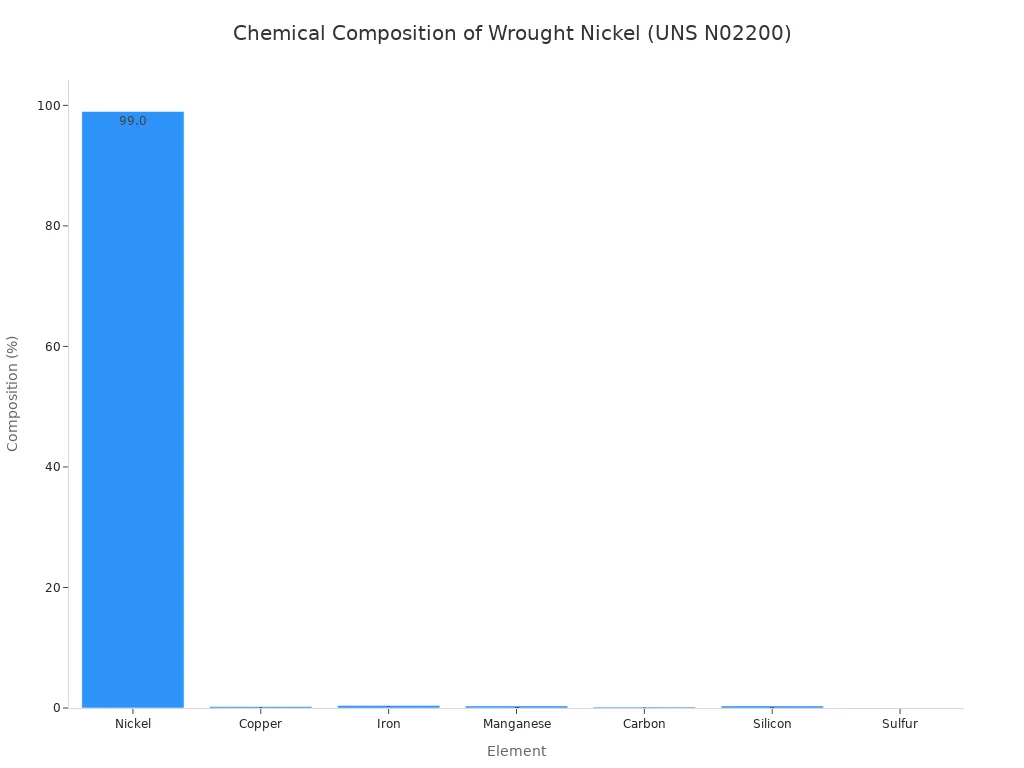
يعتمد أداء الحافة على تركيبها الكيميائي. يجب على الشركات المصنعة التحقق من أن المادة عبارة عن نيكل مطاوع نقي تجاريًا, تحتوي على الأقل 99.6% النيكل كما هو محدد من قبل UNS N02200. لتأكيد هذا, يستخدمون تقنيات تحليلية متقدمة.
الأشعة السينية الإسفار (XRF) هي الطريقة الأساسية لهذا التحقق. يوفر محلل XRF طريقة غير مدمرة للتأكد من التركيب العنصري لسبائك النيكل بدقة فائقة. توفر المحللات الحديثة مثل SciAps X-200 سرعة, نتائج موثوقة, التأكد من أن المادة تلبي مستويات النقاء المطلوبة قبل بدء التصنيع.
التركيب الكيميائي ل UNS N02200 يتم التحكم فيه بشكل صارم لضمان مقاومته للتآكل والتوصيل الحراري.
إمكانية تتبع المواد بالكامل من البداية إلى النهاية
تعد إمكانية التتبع أمرًا ضروريًا لمراقبة الجودة والمساءلة. يقوم المصنعون بتنفيذ أنظمة التتبع الرقمية التي تتتبع كل شفة من ذوبان المواد الخام إلى المنتج النهائي. وهذا يخلق سلسلة حضانة متواصلة, وهو أمر حيوي لمنع المواد المقلدة من دخول سلسلة التوريد.
تتلقى كل دفعة من المواد رقمًا حراريًا فريدًا. يرتبط هذا المعرف بتقرير اختبار المواد الشامل (استعراض منتصف المدة). يوثق استعراض منتصف المدة كل التفاصيل الهامة, مشتمل:
- كود الحرارة: الرقم الفريد الذي يتتبع المادة حتى أصلها.
- التحليل الكيميائي: A full breakdown of the material’s elemental composition.
- Physical Properties: Data on tensile strength, قوة الخضوع, والصلابة.
- المعالجة الحرارية: Records of any thermal processes applied.
This digital record provides a verifiable history, assuring customers of the product’s authenticity and quality.
Compliance with ASME and ASTM Standards
Adherence to industry standards is non-negotiable. Reputable manufacturers produce flanges in strict compliance with key specifications like ASTM B564 و ASME B16.5. ASTM B564 governs the requirements for nickel alloy forgings, defining their chemical and mechanical properties.
ASME B16.5 outlines the standards for pipe flanges and flanged fittings. It specifies critical details such as:
- تقييمات درجة حرارة الضغط
- Materials and dimensions
- Tolerances and markings
- Testing and inspection requirements
By rigorously following these standards, manufacturers guarantee that every flange is safe, موثوق, and fully interoperable with other compliant system components.
Key innovations like digital forging, multi-axis CNC machining, and advanced NDT have redefined manufacturing standards. These advancements provide end-users with flanges offering higher reliability, عمر خدمة أطول, and guaranteed leak-proof performance. Modern manufacturing makes Nickel 200 Flanges a more dependable, high-performance choice than ever for critical industrial applications.
Key Benefiting Industries:
- المعالجة الكيميائية: For superior corrosion resistance.
- Aviation & الفضاء الجوي: For high-temperature strength.
- تجهيز الأغذية: For purity and resistance to acidic media.
- Electronics: For excellent electrical conductivity.
التعليمات
Why is closed-die forging better for Nickel 200 الشفاه?
Closed-die forging produces a superior grain structure. The process forces the metal to conform to a precise die shape. This creates exceptional strength and high resistance to fatigue. It also results in a near-net shape, which minimizes material waste and subsequent machining time.
What is the purpose of Phased Array Ultrasonic Testing (وصلة)?
PAUT is an advanced non-destructive test. It inspects the flange’s internal structure for microscopic defects like cracks or porosity. This method uses multiple ultrasonic beams to create a detailed internal image, ensuring the final product has flawless material integrity for reliable service.
How do manufacturers verify the 99.6% nickel purity?
Manufacturers use X-Ray Fluorescence (XRF) analyzers. This non-destructive technique quickly confirms the elemental composition of the raw material. It ensures the nickel alloy meets the strict UNS N02200 standard for purity before the manufacturing process begins, guaranteeing corrosion resistance and performance.
Which standards govern Nickel 200 flange dimensions and materials?
النيكل 200 flanges adhere to two primary standards. ASTM B564 specifies the requirements for the nickel alloy forging material itself. ASME B16.5 defines the flange’s dimensions, تقييمات الضغط ودرجة الحرارة, and testing protocols, ensuring interchangeability and safety in industrial piping systems.
الوظائف ذات الصلة
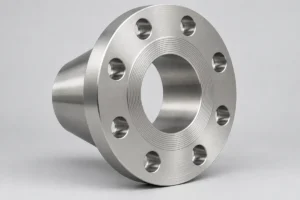
الشفاه C-2000 مقابل C22: اختيار المواد والتحقق من طلب عرض الأسعار
قارن بين هويات المواد ذات الشفة C-2000 وC22, شروط الخدمة, تزوير…
طرق الفحص NDT للفلنجات المصنوعة من سبائك الصلب المزورة
دليل يركز على المشتري لطرق الاختبار غير المدمرة للسبائك المزورة…
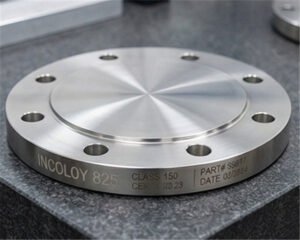
متطلبات اختبار الصلابة لـ F11, الشفاه F22 وF91
دليل عملي لتحديد وتفسير اختبارات الصلابة…
لا تعليقات