Sự miêu tả
Quarter-turn stainless steel isolation valve
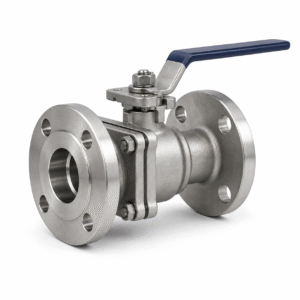
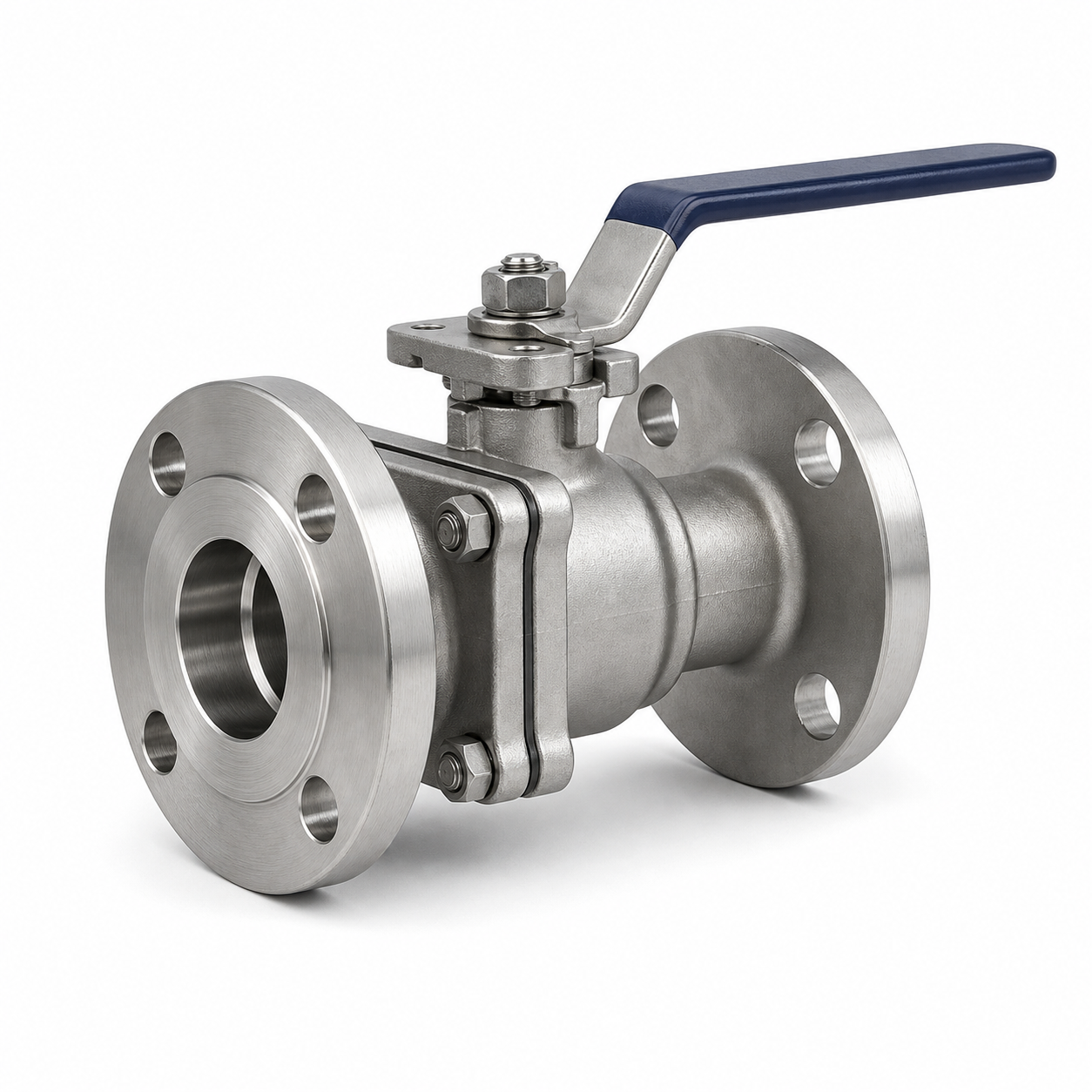
Van bi nổi bằng thép không gỉ
A compact full-port or reduced-port isolation valve for chemical, Nước, utility and general process service, configured to the specified material, lớp áp lực, seat and end connection.
What is a stainless steel floating ball valve?
A floating ball valve uses a ball supported by the two seats rather than fixed trunnions. When the valve closes, line pressure moves the ball slightly toward the downstream seat, creating a pressure-assisted seal. The compact arrangement is widely used for small and medium line sizes where fast quarter-turn isolation is required.
Stainless steel body grades provide a clean corrosion-resistant pressure boundary, but the final service capability also depends on the ball and stem material, seat polymer or metal seat, đóng gói, chốt, pressure class and temperature. Each quotation should therefore define the complete valve configuration rather than body material alone.
Floating ball valve specifications
| Sản phẩm | Stainless steel floating ball valve |
|---|---|
| Body construction | One-piece, two-piece or three-piece design as ordered |
| Khoan | Full bore or reduced bore |
| Body materials | ASTM A351 CF8/CF8M/CF3/CF3M; duplex or nickel alloy by specification |
| Ball and stem | Stainless steel or service-specific alloy with required surface finish/coating |
| Seat options | PTFE, reinforced PTFE, PEEK or engineered metal seat subject to duty |
| Đánh giá áp suất | ASME Class or PN rating verified against material and temperature |
| Kết nối cuối | RF, RTJ, xâu chuỗi, socket-weld or butt-weld according to valve design |
| Hoạt động | đòn bẩy, gear operator, pneumatic actuator or electric actuator |
| Optional features | Anti-static device, thân cây chống nổ, locking device, cavity relief and fire-safe design when specified |
| Tài liệu | Material records, báo cáo thử nghiệm áp lực, GA drawing and additional inspection as ordered |
The table describes typical engineered supply options, not a universal stock range. Final size, đánh giá nhiệt độ áp suất, cắt tỉa, ghế, operator and end connection must be confirmed against the purchase specification and applicable code edition.
Stainless steel and alloy material options
| Gia đình vật chất | Common cast designations | Typical selection basis |
|---|---|---|
| Austenitic stainless steel | ASTM A351 CF8, CF8M, CF3 and CF3M | Chống ăn mòn chung; CF8M/CF3M adds molybdenum for improved chloride resistance. |
| Thép không gỉ kép | ASTM A995/A890 4A and related 2205 điểm | Higher strength and improved chloride stress-corrosion resistance when properly specified. |
| Thép không gỉ siêu kép | ASTM A995/A890 5A or 6A | Nước biển, offshore and high-chloride service subject to temperature and fabrication controls. |
| Hợp kim niken | ASTM A494 grades matching C276, hợp kim 20, Monel or other ordered chemistry | Selected from actual process chemistry, sự tập trung, temperature and contamination data. |
Thiết kế, testing and project compliance
API 608 / ISO 17292
Common design bases for metal ball valves used in industrial piping. The exact edition and applicable scope must be stated.
ASME B16.34
Provides pressure-temperature, thiết kế, vật liệu, bài kiểm tra, testing and marking requirements for valves within its scope.
API 598
Common inspection and pressure-testing basis for shell and closure tests when specified.
API 607 / API 6FA
Fire-test qualification is configuration-specific and must be supported for the exact offered valve design.
Standards are supplied only when stated in the quotation and purchase order. An toàn cháy nổ, phát thải chạy trốn, dịch vụ chua, cryogenic and PED requirements require a defined design and supporting qualification or documentation.
Ứng dụng điển hình
| Ngành công nghiệp | Nhiệm vụ điển hình | Selection focus |
|---|---|---|
| Xử lý hóa chất | Process isolation and utility headers | Media compatibility of body, chỗ ngồi, packing and trim |
| Xử lý nước | Nước sạch, dosing and filtration systems | Lớp áp lực, operating frequency and seat selection |
| Dầu khí | Non-critical process and utility isolation | An toàn cháy nổ, anti-static and emissions requirements |
| Marine and offshore | Utility, cooling and selected seawater service | Duplex grade, galvanic compatibility and chloride limits |
Application examples are not a service approval. The end user or piping materials engineer must verify corrosion compatibility, pressure-temperature limits, emissions class, operating frequency and applicable regulations.
Inspection and supply documentation
EN 10204 3.1 material records and heat-number traceability when ordered.
Shell and closure/seat testing to the ordered standard with documented acceptance criteria.
Positive material identification and PT/RT/UT scope arranged when specified in the inspection plan.
Kích thước, đánh dấu, hoạt động, coating/cleanliness, packing and document dossier checked before dispatch.
Danh sách kiểm tra RFQ
- Design standard and valve construction
- Nominal size and pressure class or PN
- Thân hình, ball, thân cây, ghế, packing and bolting materials
- Full bore or reduced bore
- End connection and facing
- Manual operator or actuator requirements
- Dịch, design pressure and design temperature
- An toàn cháy nổ, phát thải chạy trốn, NACE and inspection requirements
Câu hỏi thường gặp
How does a floating ball valve seal?
Line pressure pushes the unsupported ball toward the downstream seat. This pressure-assisted contact creates shutoff, while seat design and material determine leakage class and operating torque.
When should a trunnion-mounted valve be considered instead?
Trunnion-mounted construction is commonly considered as size, áp lực , mô-men xoắn, yêu cầu kiểm soát tải chỗ ngồi hoặc dịch vụ đường ống tăng lên. The selection must follow the project valve specification.
Which stainless steel body grade is most common?
CF8M and CF3M are common cast 316 and 316L-type grades. CF8 and CF3 are 304 and 304L-type grades. Actual corrosion suitability depends on the complete chemistry and operating conditions.
Can the valve be supplied fire-safe?
A fire-safe design can be offered only when the exact construction has appropriate qualification, such as testing to the specified API fire-test standard. It should not be inferred from the valve type alone.
What information is needed to size an actuator?
Provide differential pressure, dịch, nhiệt độ, operating time, fail position, power or air supply, safety factor and valve torque data for the selected seat and pressure condition.
Request a floating ball valve quotation
Send the size, lớp học, nguyên vật liệu, ghế, ends, operating conditions and actuation requirements for technical review.