

Description
Product Detail
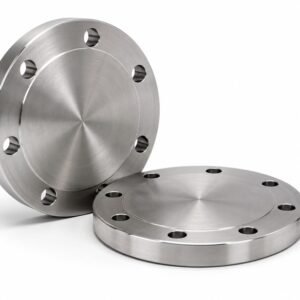
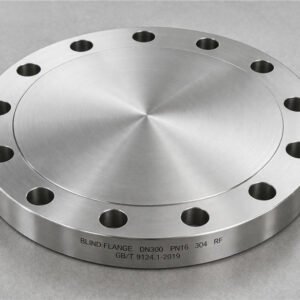
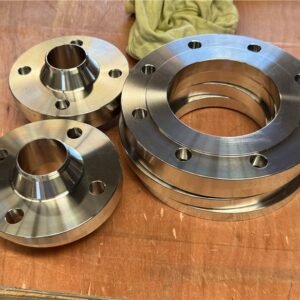
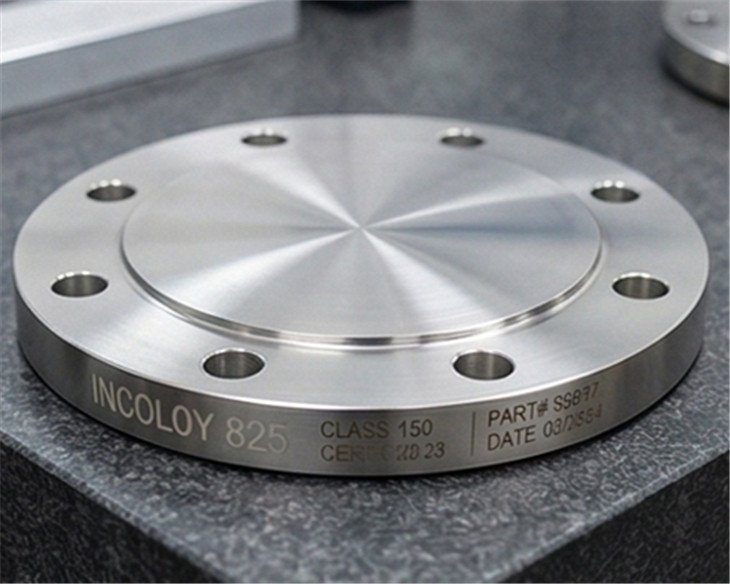
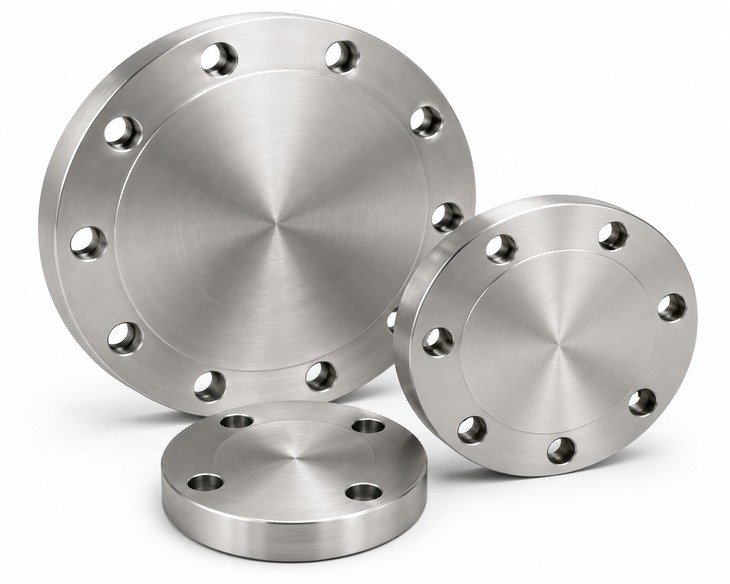
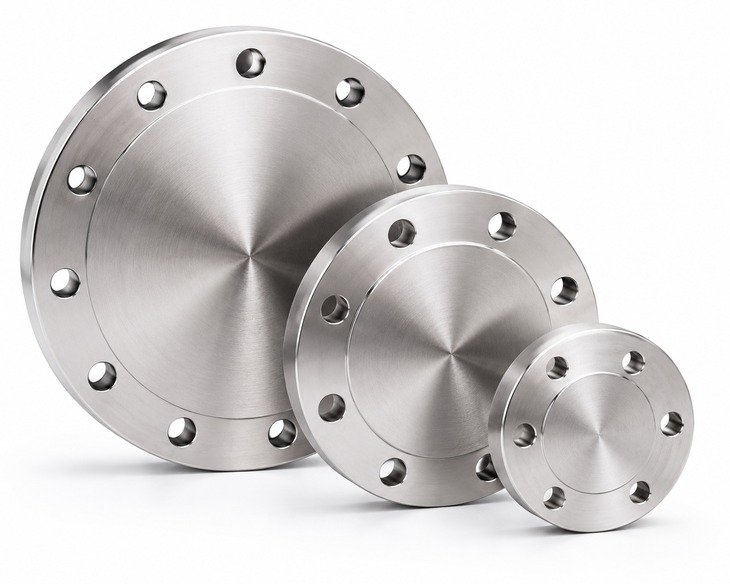
A tantalum blind flange is a non-bored flange designed to seal pipeline ends, valves, reactor nozzles and pressure equipment openings. It is selected for highly corrosive media such as hydrochloric acid, sulfuric acid, nitric acid, bromine, chlorides and pharmaceutical process fluids where tantalum provides outstanding resistance and long service life. Typical sealing faces include RF, FF and RTJ depending on pressure rating and gasket design.
SASA FLANGE supplies forged, machined and clad tantalum blind flanges in standard and custom dimensions. We support chemical analysis, mechanical testing of the backing material where applicable, dimensional inspection, PMI testing, sealing face verification and complete documentation. Every order can be supplied with EN 10204 3.1 certificate, full heat number traceability and customized processing according to drawings or project specifications.
- ✓Product Name: Tantalum Blind Flange
- ✓Material Grade: R05200, R05400, tantalum-clad steel or stainless steel
- ✓Product Type: Solid blind flange for pipeline and equipment end closure
- ✓Main Feature: Exceptional corrosion resistance in aggressive chemical service
- ✓Applications: Acid processing, pharmaceutical plants, chlor-alkali units, reactors, pressure vessels and specialty piping systems
Product Parameters
| Product Name | Tantalum Blind Flange |
| Material Grade | Pure Tantalum R05200, Tantalum R05400, Tantalum-clad carbon steel, Tantalum-clad stainless steel |
| Material Type | Reactive metal / corrosion resistant metal / clad composite |
| Product Form | Forged and machined blind flange, cut plate blind flange, tantalum-clad blind flange |
| Size Range | DN15 – DN600 (1/2 inch – 24 inch) |
| Pressure Class | Class 150 – 600 / PN10 – PN100 |
| Sealing Face | RF, FF, RTJ, TG, MFM |
| Surface Treatment | Machined, Pickled, Degreased, Clean packed; protective coating on carbon steel backing where applicable |
| Standard | ASME B16.5, EN 1092-1, DIN 2527, JIS B2220, GB/T 9119 or customer specification |
| Inspection | Chemical Analysis, Mechanical Test, PMI Test, Dimensional, Hydrostatic |
| Certificate | EN 10204 3.1 Material Certificate available |
| Processing Service | Cutting, CNC Machining, Custom Drilling, Custom Size Processing |
Chemical Composition
The chemical composition below is for reference for pure tantalum material commonly used for corrosion resistant flange production. Final composition depends on the selected grade, melting practice and applicable material certificate. For supplied products, the confirmed chemistry shall follow the relevant standard, purchase specification and EN 10204 3.1 MTC.
| Element | C | Si | Mn | P | S | Cr | Ni | Mo | Other |
|---|---|---|---|---|---|---|---|---|---|
| Content % | ≤0.01 | ≤0.01 | ≤0.01 | ≤0.01 | ≤0.01 | — | — | — | Ta ≥99.9, Nb ≤0.10, O ≤0.015, N ≤0.01, H ≤0.0015 |
Mechanical Properties
Mechanical properties of tantalum blind flanges may vary with grade, purity level, processing route, annealed or stress-relieved condition, and section thickness. The values below are typical reference data for wrought tantalum materials used in machining or clad production. Actual supplied values shall be stated on the inspection report and material certificate when applicable.
| Grade | Tensile Strength | Yield Strength | Elongation | Hardness | Density |
|---|---|---|---|---|---|
| R05200 Annealed | 207 MPa min | 138 MPa min | 25% min | 90HB max | 16.6 g/cm3 |
| R05400 Annealed | 207 MPa min | 138 MPa min | 20% min | 100HB max | 16.6 g/cm3 |
Common Size Table
| Size Range | Pressure Class | Sealing Face | Material | Availability |
|---|---|---|---|---|
| DN15 – DN50 | Class 150 – 600 | RF / FF | R05200 / clad | Stock / Production |
| DN65 – DN300 | Class 150 – 600 | RF / RTJ | R05200 / R05400 / clad | Production |
| DN350 – DN600 | Class 150 – 300 | RF / FF | Tantalum-clad steel | Production |
| DN700 – DN1500 | PN10 – PN40 | RF / FF | Tantalum-clad steel | Made to Order |
Different Specifications Comparison
| Type | Description | Typical Use |
|---|---|---|
| Solid Tantalum Blind Flange | Manufactured from wrought or forged tantalum with full corrosion resistant section | Small sizes, high-purity service, severe acid media |
| Tantalum-Clad Blind Flange | Carbon steel or stainless steel backing with bonded tantalum corrosion layer | Cost-effective solution for larger sizes and moderate pressure |
| Raised Face Blind Flange | Standard raised sealing face for gasket seating in ASME and EN piping systems | General chemical process lines and equipment nozzles |
| RTJ Blind Flange | Ring type joint groove for metal ring gasket and higher sealing integrity | Critical process service and pressure-tight closures |
Equivalent Standards and International Names
Tantalum blind flanges are generally manufactured to dimensional flange standards, while the material grade is specified separately by reactive metal or customer material requirements. Equivalent flange dimensions can be produced for international projects, and tantalum or tantalum-clad construction is matched to the requested standard, facing type, drilling pattern and pressure rating.
| Standard / Region | Standard Code | Typical Grade / Equivalent |
|---|---|---|
| USA | ASME B16.5 | Tantalum R05200 / R05400 or tantalum-clad construction |
| Europe | EN 1092-1 | Tantalum blind flange to PN dimensions, material per project specification |
| Germany | DIN 2527 / 2566 | Tantalum or tantalum-lined / clad blind flange |
| Japan | JIS B2220 | Tantalum blind flange for JIS drilling and facing |
| China | GB/T 9119 | Tantalum blind flange or clad blind flange to GB dimensions |
Production Process Flow
Manufacturing of tantalum blind flanges requires strict control of raw material purity, machining condition, contamination prevention and dimensional accuracy. For clad products, bonding quality and backing material inspection are also carefully controlled throughout production.
- 1. Raw Material Selection
- 2. Forging / Cutting
- 3. Heat Treatment
- 4. Rough Machining
- 5. Finish Machining
- 6. Drilling
- 7. Surface Treatment
- 8. Inspection
- 9. Marking
- 10. Packing
- 11. Delivery
| Process Step | Description | Quality Control Point |
|---|---|---|
| Raw Material | Select certified tantalum billets, plates or clad blanks | Material certificate and traceability |
| Forging | Hot or warm forming where applicable to achieve required shape | Forming condition and material integrity |
| Heat Treatment | Stress relief or annealing according to material condition | Temperature and holding time control |
| Machining | Sealing face, bolt holes, dimensions | Dimensional accuracy and surface finish |
| Inspection | Final inspection before shipment | Dimension, surface, PMI, hydrostatic |
Product Inspection
1. Chemical Composition Inspection
Chemical composition inspection is carried out to verify tantalum purity and control residual elements such as oxygen, nitrogen, hydrogen and niobium within the specified range. For clad products, the backing steel chemistry is also checked against the ordered material standard. Test results are reviewed against the purchase specification and recorded in the material documentation.
2. Mechanical Properties Testing
Mechanical testing is performed according to the selected material condition and project requirement. Typical verification includes tensile strength, yield strength, elongation and hardness for tantalum or for the backing material in clad construction. These tests help confirm that the flange has suitable strength, ductility and fabrication quality for safe service in demanding process systems.
3. Dimensional Inspection
Each tantalum blind flange is inspected for outside diameter, thickness, bolt circle, bolt hole size, facing height, groove details where applicable and overall flatness. Sealing surfaces are visually checked for scratches, dents and machining defects. Inspection is performed in accordance with ASME, EN, DIN, JIS, GB or approved customer drawings to ensure proper fit-up during installation.
4. PMI Testing and Hydrostatic Testing
PMI testing is used to confirm the supplied corrosion resistant material and avoid grade mix-up, especially for tantalum and tantalum-clad products used in critical chemical service. Hydrostatic testing is applied when required as part of assembly or project quality plans. SASA FLANGE can provide EN 10204 3.1 certificate, inspection records, dimensional report and traceable heat number identification.
Product Packaging
- ✓Wooden Case Packaging: Suitable for high-pressure and large-diameter products
- ✓Pallet Packing with Shrink Wrap: Suitable for batch shipments and standard sizes
- ✓Anti-rust Oil Coating + Waterproof Paper: Used for ocean freight protection
- ✓Individual Plastic Bag + Carton: Used for small fittings and threaded products
- ✓Clear Marking: Grade, size, pressure class, heat number and PO number
Applications
Tantalum blind flanges are used in corrosive process systems where conventional stainless steel, nickel alloys or lined components may not provide sufficient service life. They are especially suitable for acid handling, specialty chemical production and contamination-sensitive process lines requiring dependable sealing and excellent corrosion resistance.
| Industry | Typical Applications | Why This Product Is Used |
|---|---|---|
| Oil and Gas | Chemical injection skids, acid handling units, specialty process packages | Provides corrosion resistance for aggressive treatment chemicals and critical shutdown points |
| Chemical Processing | Reactor nozzles, acid transfer lines, chlorine and bromine related systems | Tantalum performs extremely well in severe corrosive media and extends service life |
| Power Generation | FGD chemical systems, specialty dosing units, laboratory and pilot process lines | Used where process chemicals attack common metallic flange materials |
| Water Treatment | High-purity chemical dosing, oxidizing chemical service, specialty treatment equipment | Offers reliable sealing and contamination resistance in aggressive media |
| Marine and Offshore | Offshore chemical modules, corrosion critical utility systems, specialty process skids | Selected for compact systems exposed to harsh chemical environments and demanding maintenance cycles |
Why Choose SASA FLANGE?
- ✓Professional manufacturer of Blind Flanges for global industrial projects
- ✓Customized size, pressure class and material grade according to drawings
- ✓Full standard support: ASME, EN, DIN, JIS, GB, GOST and customer specifications
- ✓Material traceability with heat number control and EN 10204 3.1 material certificate
- ✓Chemical analysis, mechanical testing, PMI testing, hydrostatic and dimensional inspection
- ✓Stock availability for standard items, lead time 3-7 days; custom production 15-30 days
- ✓Export-grade packaging for sea, air and land transportation
- ✓15+ years experience supplying 50+ countries worldwide
FAQ
Q: What is a tantalum blind flange?
A: A tantalum blind flange is a solid flange without a bore used to close the end of a pipeline, valve opening, vessel nozzle or process connection. It is selected for highly corrosive service because tantalum offers excellent resistance to many aggressive chemicals. It is commonly supplied in solid tantalum or tantalum-clad construction depending on size, pressure and budget.
Q: What materials are available for tantalum blind flange?
A: SASA FLANGE can supply pure tantalum grades such as R05200 and R05400, as well as tantalum-clad carbon steel or stainless steel constructions. Solid tantalum is often used for smaller sizes or high-purity service, while clad designs are more economical for larger diameters. Material selection depends on the process medium, temperature, pressure and corrosion allowance requirements.
Q: What pressure class is supported?
A: Typical supply range for tantalum blind flanges is ASME Class 150 to 600 and EN/DIN PN10 to PN100, depending on size and construction type. Smaller solid tantalum blind flanges can be produced for higher integrity applications, while large sizes are commonly made as clad designs. Pressure rating is manufactured according to the requested dimensional standard and service conditions.
Q: Can SASA FLANGE supply custom sizes?
A: Yes. SASA FLANGE supplies custom tantalum blind flanges according to drawings, project specifications and international flange standards. We can produce non-standard dimensions, special bolt drilling, RF or RTJ sealing faces, clad structures, special thicknesses and mating requirements for equipment nozzles. Custom machining and inspection documents are provided to support industrial installation and project approval.
Q: What certificate is provided?
A: SASA FLANGE can provide EN 10204 3.1 material certificate together with mill test reports, dimensional inspection records and PMI verification. For project orders, additional documentation can include chemical analysis reports, mechanical test records for applicable materials, hydrostatic testing records when required, marking traceability and packing list details. Full heat number traceability is maintained from raw material to shipment.
Contact Us
If you are looking for tantalum blind flange or related custom flange products, please contact SASA FLANGE with your required size, pressure class, material grade, standard, surface treatment, quantity and inspection requirements. Our team will provide professional technical solutions and competitive quotation within 24 hours.
- 📧 Email: sales@sasaflange.com
- 📱 WhatsApp: +86 13764965049
- ☎️ Tel: +86 21 52236361
- 🌐 Website: www.sasaflange.com