
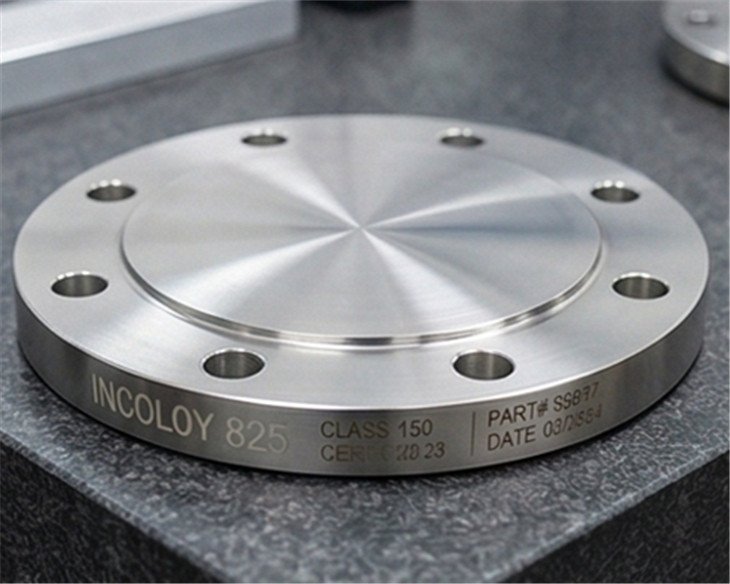
Weld Neck vs Slip-On Flanges: Which Is Better for High Pressure?
An engineering comparison of weld neck and slip-on flanges for high-pressure and cyclic piping systems.
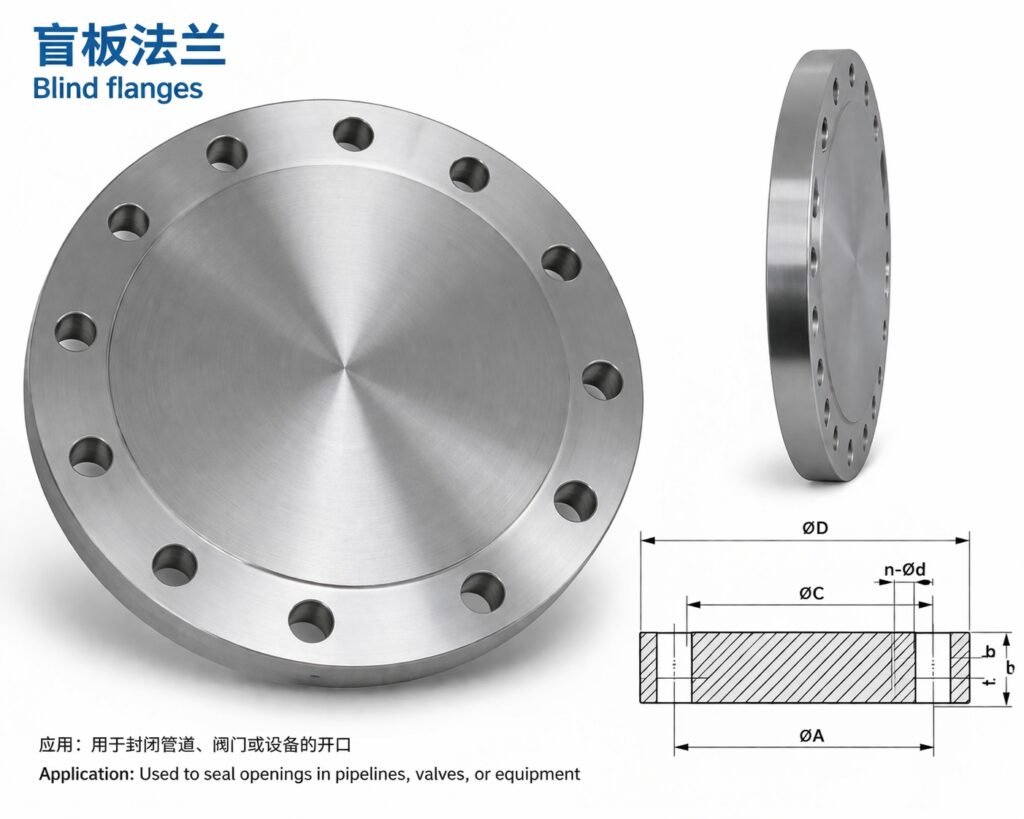
How to Select Class 150, 300, 600, 900 or 1500 Flanges
A step-by-step method for selecting ASME flange pressure class without treating Class as a fixed psi rating.
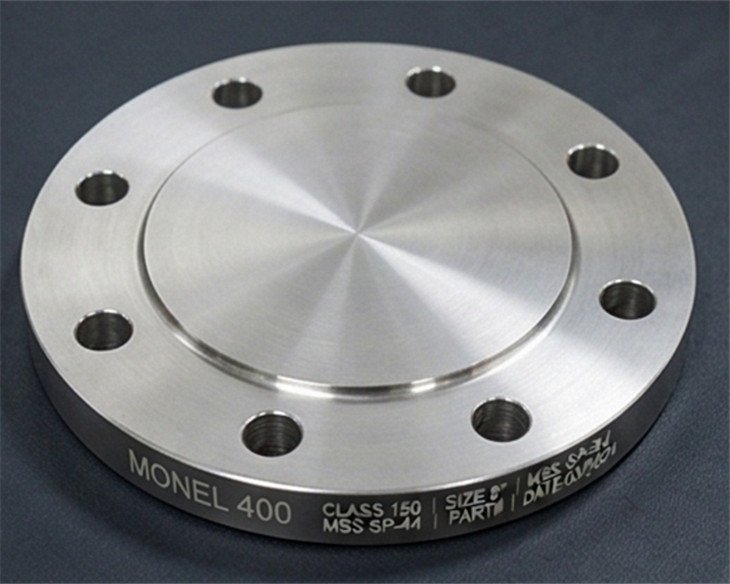
Understanding Pressure–Temperature Ratings for Alloy Steel Flanges
How to read and apply pressure–temperature ratings for ASTM A182 alloy steel flanges.
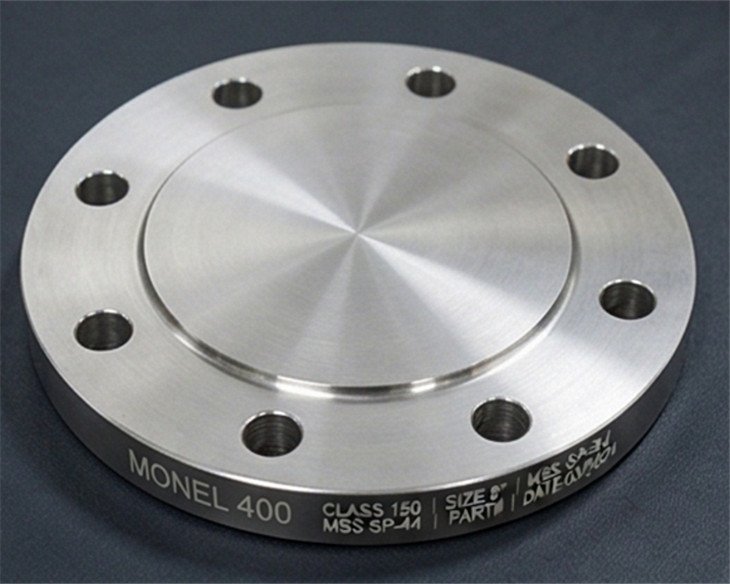
ASME B16.5 Alloy Steel Flange Dimensions and Pressure Classes
A procurement guide to ASME B16.5 dimensions, classes, facings and bore requirements for alloy steel flanges.
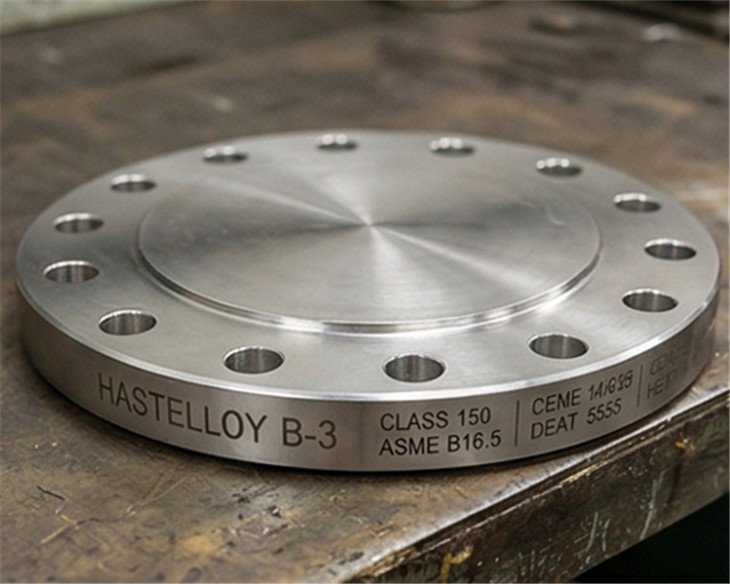
Why Heat Treatment Matters for ASTM A182 Alloy Steel Flanges
Why correct heat treatment is essential for F11, F22 and F91 alloy steel flange performance.
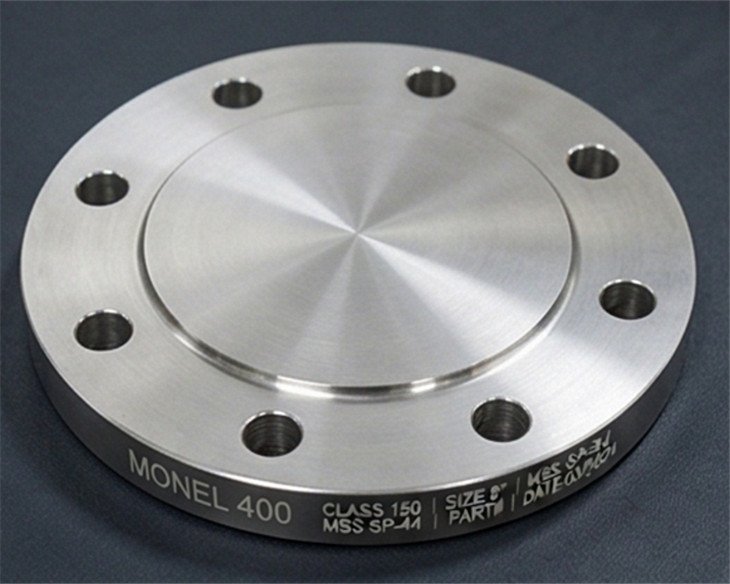
Why PMI Testing Is Important for Alloy Steel Flanges
How positive material identification reduces alloy mix-up risk in F11, F22 and F91 flange supply.
904L Flanges Guide: ASTM A182 F904L Material, ASME B16.5 Standards, Applications and Selection
A practical guide to 904L stainless steel flanges, including ASTM A182 F904L material, ASME B16.5 requirements, comparison with 316L and duplex 2205, applications, testing and RFQ details.
321 vs 304 Flanges An Analysis of Strength and Heat Tolerance
Image Source: pexels High-temperature industrial applications demand superior material performance. Stainless Steel 321 Flanges provide significantly better heat resistance and high-temperature strength compared to standard 304 flanges. This enhanced capability…
Stainless Steel 321 vs 321H Flanges for Your Project
Image Source: pexels Choosing the right Stainless Steel 321 / 321H Flanges for your project depends on a key difference: carbon content. The higher carbon range in grade 321H (0.04%-0.10%)…
The Role of 321/321H Flanges in Heat Exchanger Efficiency
The global heat exchanger market is projected to reach USD 30.73 billion by 2032, highlighting the growing demand for efficient thermal management solutions in modern industry. This expansion requires components…