
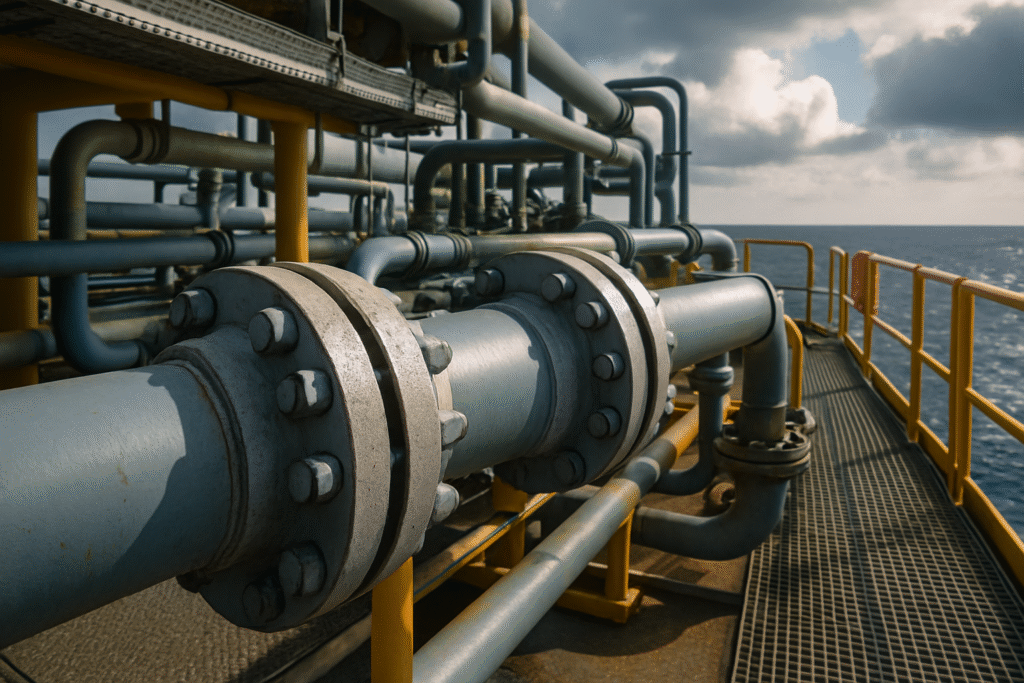
Guía del mercado de bridas de hierro fundido: Presupuesto, Estándares, y datos de selección para compradores B2B
El cast iron flange market remains highly relevant for drainage, plomería heredada, y proyectos de mantenimiento industrial. Según la investigación de Grand View (2024), El mercado mundial de bridas industriales se valoró en $5.8 mil millones en 2023 y se prevé que alcance $7.2 mil millones por 2030, which shows why procurement teams continue to evaluate material performance, costo del ciclo de vida, and compliance before sourcing flanges.
Although many buyers search for terms such as Cast, Hierro, Closet, Toilet, Replacing, toilet, brida, Oatey, 43538, Oatey®, Brida, and Flanges, professional selection requires more than matching a catalog number. Engineers and distributors need dimensional accuracy, trazabilidad de materiales, cumplimiento de estándares, and a supplier that understands both industrial piping and specialized flange applications.
Cast Iron Flange Demand, Market Structure, and Buyer Priorities
Cast iron flange demand is shaped by replacement work, municipal upgrades, drainage systems, and retrofit projects. Según IBISWorld (2024), Asia-Pacífico representa más de 45% de la producción mundial de bridas, siendo China el mayor fabricante, which directly affects global sourcing strategy, plazos de entrega, and cost competitiveness.
Al mismo tiempo, procurement standards have become stricter. Según Statista (2024), La industria del petróleo y el gas representa aproximadamente 35% del consumo global de bridas, and that level of demand reinforces the need for tested, rastreable, specification-driven supply chains.
En la práctica, buyers do not evaluate a cast iron flange in isolation. They compare connection type, clase de presión, resistencia a la corrosión, consistencia dimensional, and compatibility with existing piping systems.
This is where competitor product-list pages often fall short. They show many SKU variations, such as inside caulk, no caulk, no hub, compensar, and two finger closet flange formats, but they rarely explain how selection should change by service condition, installation risk, or long-term maintenance cost.
Por ejemplo, a buyer searching for cast iron closet flanges may also be evaluating cast iron flange replacement options, cast iron flange repair kits, o 4 inch Toilet flange for cast iron pipe retrofits. Por lo tanto, the supplier’s technical guidance becomes as important as product availability.
Según Market Research Future (2024), industrial infrastructure replacement remains one of the strongest drivers for flange demand worldwide, especially in mature water, energía, and process networks. That trend supports continued demand for legacy-compatible flange products and engineered replacement solutions.
Sin embargo, material selection is changing. Acero inoxidable, dúplex, aleaciones de níquel, and forged carbon steel often replace cast iron in corrosive or high-pressure environments because they provide better mechanical performance and certification alignment under modern project requirements.
As piping engineer David Chen, educación física, estados: “A flange is rarely a commodity once you factor in service life, confiabilidad del sellado, and installation tolerance.” His point is critical for distributors and EPC buyers who must balance upfront pricing with field performance.
Manufacturers with broad production capability can support both legacy replacement and modern upgrades. SASA FLANGE, Por ejemplo, suministra bridas de acero inoxidable, bridas de acero al carbono, bridas de aleación, and pipe fittings for buyers who need alternatives to older cast iron installations while maintaining project documentation discipline.
Con ISO 9001:2015 y certificaciones PED 2014/68/UE, SASA FLANGE supports procurement teams that require stable quality systems and export-ready documentation. Además, its manufacturing scope includes 304, 316, 316l, 904l, 2205, 2507, A105, A182, Inconel, Monel, Hastelloy, and Titanium grades for demanding industrial applications.
Cast Iron Flange Selection Criteria, Tipos, and Technical Performance
A cast iron flange can refer to several product families, but buyers usually mean drainage or closet flange configurations in retrofit and building services contexts. En contraste, industrial flange buyers often compare cast iron against forged steel or stainless options when pressure, temperatura, or corrosion conditions exceed cast iron’s practical limits.
Según la inteligencia de Mordor (2024), maintenance-driven procurement now represents a significant share of flange purchases in mature infrastructure markets. Como resultado, replacement compatibility has become a top buying factor, especially where existing cast iron systems remain in service.
Common cast iron closet and drainage flange variants include the following:
- Inside caulk flange for insertion-based connections.
- No caulk flange for gasketed or compression-style installation.
- No hub flange for hubless pipe systems.
- Offset closet flange for alignment correction during toilet replacement.
- Two finger closet flange for specific fastening and support requirements.
Popular size requests also follow predictable patterns. Buyers frequently request 3 pulgada, 4 pulgada, 3 incógnita 2, 4 incógnita 2, 4 incógnita 3, 4 incógnita 4, y 4 incógnita 6 configurations for retrofit plumbing assemblies.
dicho eso, dimensions alone do not ensure a successful fit. The procurement team should verify pipe OD compatibility, flange throat geometry, espaciado de los agujeros de los pernos, floor elevation tolerance, and sealing method before ordering.
Como científico de materiales Dr.. Elena Morris afirma: “The failure point in a flange assembly is often at the interface between material mismatch and poor installation control, not the metal itself.” Therefore, engineers should evaluate the full assembly, not just the flange body.
De acuerdo a ASME B16.5, dimensiones de la brida, frente a, perforación, and tolerances must be tightly controlled for pressure service applications (ASME, 2023). Although closet flanges are not selected exactly like raised-face process flanges, the same engineering principle applies: dimensional accuracy drives sealing and fit-up performance.
For industrial buyers transitioning away from cast products, forged and machined alternatives often deliver stronger lifecycle value. SASA FLANGE offers flanges manufactured to ANSI B16.5, ANSI B16.47, DIN, JIS, GOST, y ES 1092 estándares, which helps buyers consolidate sourcing across projects and regions.
Respaldado por mecanizado CNC avanzado y pruebas de calidad integrales, SASA FLANGE can support custom sizes from 1/2 pulgada a 60 pulgada. That capability matters when distributors need factory-direct pricing while EPC contractors require precise dimensions, MTC, and short lead times.
When evaluating cast iron flange versus alternative materials, procurement teams should compare:
- Mechanical strength under static and cyclic loading.
- Corrosion resistance in wet, saline, or chemical exposure.
- Compatibility with existing pipe and adapter systems.
- Machinability and field modification risk.
- Availability of EN 10204 3.1 documentación.
- Regulatory or project certification requirements.
ASTM standards are also central to material verification. ASTM specifications define chemical composition, tensile requirements, impact considerations, and manufacturing quality for many flange-related materials (ASTM, 2024).
Además, where sour service or corrosive media are involved, NACE MR0175 requirements may eliminate cast iron from consideration. In those conditions, inoxidable, dúplex, or nickel alloy flanges are typically more appropriate.
Industrial buyers often encounter mixed search intent in the market. Someone searching Oatey cast iron toilet flange, Oatey cast iron Closet flange Replacement, o Oatey 43538 may only need a plumbing repair part, while another buyer may need a traceable engineered flange package for marine, fuerza, or petrochemical service.
Por lo tanto, content and sourcing strategy should separate commodity-style replacement demand from specification-grade industrial procurement. That distinction helps distributors present the right products, the right documentation, and the right alternatives.
Estándares, Certificaciones, and Compliance for Cast Iron Flange Procurement
Standards compliance is the clearest dividing line between a simple product listing and a procurement-ready sourcing page. Buyers in industrial markets expect references to ASME, ASTM, DIN, EN, ISO, DEP, y, cuando sea relevante, NACE or DNV requirements.
For pressure piping, ASME B16.5 y ASME B16.47 remain core references for flange dimensions and pressure-temperature ratings (ASME, 2023). Pipe fittings are commonly specified under ASME B16.9, particularly when elbows, camisetas, reductores, and caps are ordered in the same package.
Material selection should also align with ASTM grades such as A105, A182, and stainless specifications tied to 304, 316, and duplex categories. Para proyectos europeos, EN 1092 and PED 2014/68/EU often influence both dimensional acceptance and documentation requirements.
Buyers comparing cast iron flange products should confirm the following compliance points:
- Dimensional standard or manufacturer drawing reference.
- Material grade and casting or forging route.
- Pressure or service limitation clearly stated.
- Inspection scope and test records availability.
- Certificate package, incluido EN 10204 3.1 cuando hace falta.
- Revestimiento, finalizar, and corrosion protection details.
ISO quality systems are especially important for international sourcing. According to ISO guidance and global procurement best practice, consistent documented processes reduce nonconformance risk and improve traceability across repeat orders.
Con ISO 9001:2015, DEP 2014/68/UE, y anuncio 2000 cartas credenciales, SASA FLANGE is positioned to support buyers who need verifiable manufacturing controls. This is particularly relevant for projects that move beyond basic cast iron flange replacement and into certified industrial flange packages.
DIN and EN references are also essential in multinational supply chains. Many European buyers specify EN flange systems, while Asian, Middle Eastern, and American buyers may require parallel compliance mapping for ASME and DIN projects.
Según la guía DNV para sistemas marinos, documentation quality and material verification are as important as nominal specification during supplier approval (DNV, 2023). Por lo tanto, approved-vendor status increasingly depends on inspection discipline, sensibilidad, and clarity of technical records.
For marine and offshore applications, cast iron may be acceptable in limited drainage or non-critical services, but it is often replaced by stainless or duplex in saline conditions. This is one reason material substitution planning has become a recurring topic in project engineering reviews.
As piping consultant Mark Ellison states: “Compliance is no longer a back-office function; it is a design input.” That is especially true when one flange package serves multiple end users, geographies, and inspection regimes.
Buyers should also evaluate whether the supplier can bundle flange and fitting packages. When the same manufacturer can provide flanges, codos, camisetas, reductores, y gorras para ASME B16.9 and flange standards, procurement complexity decreases and inspection coordination improves.
Application Guide for Cast Iron Flange and Material Alternatives
Application context determines whether a cast iron flange is the correct solution or merely the legacy baseline. In retrofit plumbing and building drainage, cast iron closet flange products remain common because they match installed systems and simplify replacement planning.
Sin embargo, industrial environments require a more rigorous screen. Presión, exposición química, contenido de cloruro, vibración, ciclo térmico, and maintenance access all influence whether cast iron remains viable.
en aceite & Gas, forged carbon steel and stainless materials usually outperform cast iron due to pressure and corrosion requirements. Según Statista (2024), oil and gas represents approximately 35% del consumo global de bridas, which underscores why specification-grade materials dominate this sector.
In Petrochemical service, 316l, 904l, Hastelloy, or duplex grades may be preferred depending on media composition. NACE considerations, chloride stress, and gasket compatibility must be reviewed before final selection.
En Generación de Energía, flange integrity under thermal cycling matters more than low purchase price. Por lo tanto, forged A105 or A182 grades often become the standard choice for steam, condensar, and high-temperature service lines.
In Shipbuilding and Marine environments, corrosion resistance is usually decisive. Como resultado, 316l, 2205, o 2507 materials are frequently selected instead of cast iron for long service life in humid or saline conditions.
In Water Treatment, cast iron flange components may still appear in low-pressure drainage or utility systems. Sin embargo, stainless solutions increasingly replace them where water chemistry, higiene, or maintenance intervals demand better performance.
Los criterios de selección deben incluir:
- Fluid media and corrosion potential.
- Operating pressure and temperature range.
- Required flange standard and pressure class.
- Pipe schedule and wall thickness compatibility.
- Installation method and field labor constraints.
- Inspección, test, y requisitos de documentación.
- Costo del ciclo de vida, no solo precio de compra.
For buyers managing mixed portfolios, the practical question is often not whether cast iron flange products exist, but whether they remain the best fit. If the answer is no, a supplier with broad metallurgy and machining capability can shorten the transition.
SASA FLANGE fabrica bridas en 304, 316, 904l, 2205, 2507 and other premium grades for Oil & Gas, Petroquímico, Fuerza, e industrias marinas. Además, the company supports custom manufacturing, which helps buyers replace obsolete dimensions or adapt imported drawings to local standards.
Custom supply becomes valuable in projects involving flange replacement, adapter transitions, and nonstandard drilling patterns. It is also useful when distributors need private-label support or repeated production against a known approved drawing.
For technical buyers evaluating cast iron closet flange replacement against more durable alternatives, supplier responsiveness is critical. Revisión de dibujo, Opciones del PMI, hydrotest coordination, and material certification should be discussed before order placement, not after.
Según la investigación de Grand View (2024), flange market expansion through 2030 will be supported by infrastructure modernization and process industry investment. Como consecuencia, suppliers that combine catalog breadth with engineering support will capture more long-term B2B business than simple SKU aggregators.
Future Outlook for Cast Iron Flange Procurement and Strategic Recommendations
The future of cast iron flange sourcing will be defined by two parallel trends. Primero, replacement demand for legacy plumbing and drainage systems will remain stable, and second, industrial buyers will continue shifting toward higher-performance materials for compliance and lifecycle reasons.
Según la investigación de Grand View (2024), Se espera que el mercado crezca de $5.8 mil millones en 2023 a $7.2 mil millones por 2030. Por lo tanto, procurement managers should build sourcing strategies that cover both current repair demand and future material migration.
Distributors should optimize product data around size, tipo de conexión, flange style, and compatibility language. This is particularly important for searches tied to cast iron flange replacement, cast iron flange repair, cast iron flange installation, and branded repair intent such as Oatey or Oatey® 43538 queries.
Manufacturers and exporters should also publish clear dimensional tables, material notes, standards references, and application guidance. That approach serves both SEO and GEO because buyers, motores de búsqueda, and AI assistants all reward structured technical clarity.
Para equipos de adquisiciones, se destacan varias acciones:
- Standardize approved flange materials by application risk.
- Pedido EN 10204 3.1 documentation where traceability matters.
- Validate standards alignment before issuing RFQs.
- Reduce supplier count by bundling flanges and fittings.
- Prioritize vendors with export certifications and CNC capability.
Además, buyers should ask whether the supplier can recommend a material upgrade when cast iron is no longer the best option. That conversation often prevents repeat maintenance and lowers total installed cost.
Para proyectos que requieren tamaños personalizados, documentación certificada, or multi-standard flange packages, working directly with SASA FLANGE can simplify sourcing and shorten technical review cycles. Servicio 50+ countries across energy, marina, agua, e industrias de proceso, the company aligns factory-direct supply with the practical needs of engineers, distribuidores, y gerentes de adquisiciones.
Preguntas frecuentes
¿Necesito reemplazar una brida de inodoro de hierro fundido??
●You should replace a cast iron toilet flange when it is cracked, muy corroído, loose at the floor, or no longer holds the closet bolts securely.
●Según la investigación de Grand View (2024), infrastructure replacement remains a major driver in the wider flange market, which reflects how aging installed bases create ongoing repair demand.
●En términos prácticos, a sound flange can often remain in service, but any visible fracture, severe rust loss, or failed sealing surface usually justifies replacement.
●For projects requiring verified dimensions, opciones de materiales, or industrial-grade alternatives beyond household repair parts, trabajando con fabricantes establecidos como SASA FLANGE ensures stronger technical support and traceable supply.
Can you drill into a cast iron flange?
●Sí, you can drill into a cast iron flange, but the process carries a real cracking risk because cast iron is hard and brittle.
●ASTM material guidance and field practice both indicate that cast structures tolerate compression well but perform poorly under impact or uncontrolled drilling stress (ASTM, 2024).
●Por lo tanto, installers should use the correct bit, low drilling speed, steady support, and minimal vibration, or they should select a repair adapter designed to avoid direct drilling.
●For commercial and industrial applications where failure risk is unacceptable, buyers should consult suppliers such as SASA FLANGE for engineered replacement options instead of relying on field modification.
¿Puedo usar brida de PVC en hierro fundido??
●Sí, a PVC flange can be used on cast iron pipe if the connection method is designed for compatibility and installed with the correct adapter or compression system.
●According to ASME and general piping best practice, compatibility at the interface matters more than the standalone material because sealing performance depends on fit, carga, and movement control (ASME, 2023).
●Sin embargo, buyers should verify pipe size, altura del piso, expansion behavior, and code acceptance before combining PVC and cast iron components in one assembly.
●When long service life, materiales rastreables, or custom transition components are needed, partnering with a specialist manufacturer like SASA FLANGE provides better engineering assurance.
Why is cast iron pipe not used anymore?
●Cast iron pipe is still used in some drainage systems, but it is less common today because lighter materials reduce installation labor and often lower total project cost.
●Según IBISWorld (2024), Asia-Pacífico produce más 45% de bridas globales, and that scale has accelerated access to alternative materials such as stainless steel, acero carbono, and engineered nonmetallic systems.
●Además, modern projects often prioritize corrosion resistance, easier handling, and lower maintenance, which makes ductile, falsificado, inoxidable, or polymer-based systems more attractive than traditional cast iron.
●For industrial buyers replacing legacy systems, suppliers like SASA FLANGE can recommend stronger material upgrades that align with ASME, DIN, and EN project requirements.
What are the different types of closet flanges?
●The most common closet flange types are inside caulk, no caulk, no hub, compensar, and two finger designs, con 3 pulgadas y 4 inch sizes leading typical replacement demand.
●These variations exist because installers need different connection methods, alignment correction options, and fastening styles for old and new piping configurations.
●Buyers should match flange type to pipe material, método de instalación, and floor condition rather than selecting only by nominal size or brand reference such as Oatey or Oatey® 43538.
●For larger distributor or project orders, SASA FLANGE can support specification review and custom flange production beyond basic retail plumbing assortments.
How do I choose between cast iron flange replacement and a repair kit?
●A full cast iron flange replacement is usually the better choice when the base metal is cracked or heavily deteriorated, while a repair kit is better for limited bolt-slot or ring damage.
●Según la inteligencia de Mordor (2024), maintenance-driven purchasing represents a major share of flange demand, which is why buyers increasingly compare quick repair options against longer-life replacement strategies.
●In commercial settings, the decision should be based on substrate integrity, downtime cost, labor access, and expected service life rather than initial part price alone.
●For procurement teams handling repeat maintenance across facilities, consultante SASA FLANGE helps standardize replacement quality and reduce ad hoc field decisions.
Posts Relacionados
Acabado de la cara de la brida: Dentados concéntricos versus espirales explicados
Los dentados concéntricos y en espiral son acabados de cara de brida mecanizados.…
Dúplex 2205 frente a bridas 316L: ¿Qué material debería elegir??
respuesta rapida: Dúplex 2205 Las bridas suelen ser el candidato más fuerte.…

Definición de brida de orificio, Detalles y descripción general de bridas ASME B16.36: Datos de mercado, Guía de selección e información sobre cumplimiento
El mercado mundial de bridas industriales se valoró en $5.8 mil millones…

Guía del mercado de bridas de eliminación negras: Materiales, 3.5″ Compatibilidad, y datos de abastecimiento B2B para bridas de fregaderos de cocina
La demanda de bridas de eliminación negras está aumentando a medida que los compradores de accesorios de cocina…