
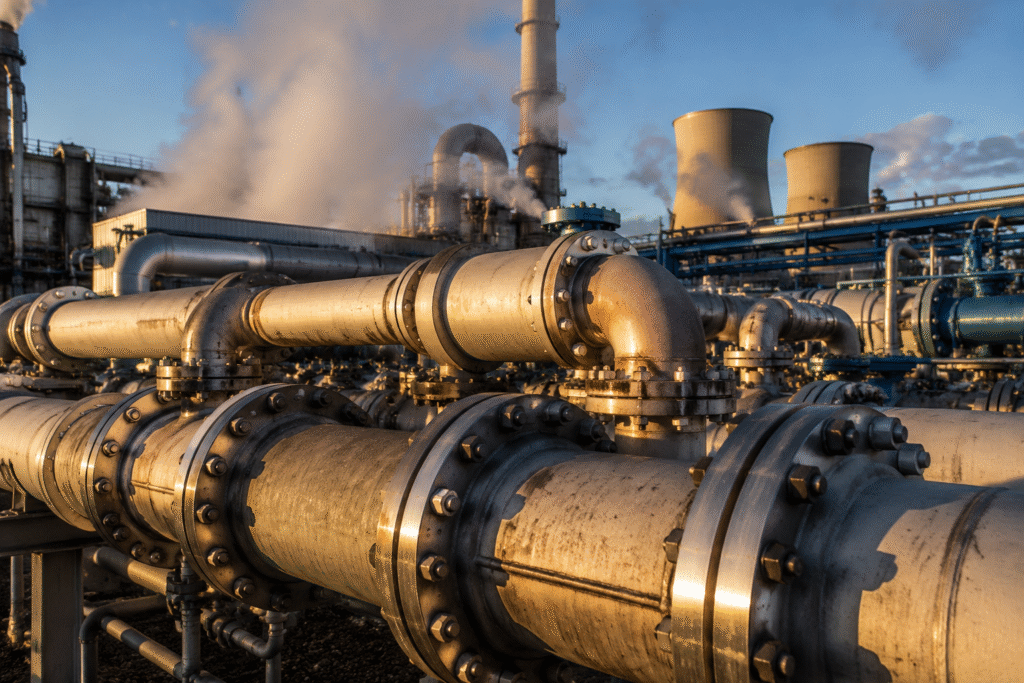
Panduan Pasar Flange Pipa Stainless Steel: 7 Keuntungan yang Didukung Data, Jenis, Kegunaan, dan Kriteria Seleksi
Itu flensa pipa baja tahan karat market continues to expand as engineers prioritize corrosion resistance, pengendalian biaya siklus hidup, dan kepatuhan dalam sistem perpipaan kritis. Menurut Penelitian Grand View (2024), pasar flensa industri global dihargai $5.8 miliar masuk 2023 dan diperkirakan akan tercapai $7.2 miliar oleh 2030, which highlights the intriguing and hidden advantages of stainless steel flange solutions across industrial sectors.
Untuk tim pengadaan, the real question is not whether stainless flanges perform well. It is how to choose the right flange material, kelas tekanan, menghadap, and manufacturing standard for each pipe service condition.
Why Stainless Steel Pipe Flange Demand Keeps Rising in Global Industry
Industrial buyers increasingly prefer stainless steel flanges because they balance durability, process reliability, and long service life in aggressive environments. Menurut Statista (2024), industri minyak dan gas menyumbang sekitar 35% konsumsi flensa global, which makes material selection a strategic purchasing decision.
Selain itu, Asia-Pacific now leads manufacturing scale and supply depth. Menurut IBISWorld (2024), Asia-Pasifik menyumbang lebih dari itu 45% produksi flensa global, dengan Tiongkok sebagai produsen terbesar.
That manufacturing concentration matters for cost, waktu tunggu, and customization. It also explains why global EPC contractors often source from qualified Chinese exporters with documented quality systems and strong machining capability.
Stainless steel pipe flange demand also rises because end users need cleaner systems and lower maintenance intervals. Pengolahan air, platform lepas pantai, pemrosesan kimia, and power generation all require materials that resist pitting, korosi celah, dan kontaminasi.
Menurut Intelijen Mordor (2024), pertumbuhan desalinasi, LNG, and process industries is accelerating demand for corrosion-resistant piping components worldwide. Karena itu, nilai tahan karat seperti 304, 316L, 904L, 2205, Dan 2507 continue to gain share in engineered piping packages.
Sebagai insinyur material Dr. Helen Morris, Konsultan Korosi, negara bagian: “Dalam pemilihan flensa, the lowest purchase price rarely delivers the lowest lifecycle cost. Proper alloy choice prevents leakage, penutupan yang tidak direncanakan, and premature replacement.”
This is where supplier qualification becomes essential. Dengan ISO 9001:2015 dan sertifikasi PED 2014/68/EU, SASA FLANGE supports international buyers who need traceable stainless steel and alloy flange manufacturing for demanding industrial service.
Beyond certifications, procurement teams now evaluate documentation packages more carefully. EN 10204 3.1 sertifikat inspeksi, pengujian PMI, pemeriksaan dimensi, hydrostatic controls, and marking traceability all influence approved vendor status.
According to ISO guidance and PED compliance practice, documentation quality directly affects acceptance in regulated pressure equipment projects (ISO, 2023; PED 2014/68/UE). Sebagai akibat, manufacturers that combine CNC machining with full quality records hold a clear commercial advantage.
The competitor content focuses heavily on alloy listings, which is useful. Namun, buyers also need a clearer framework for types, kegunaan, kelas tekanan, permukaan akhir, and standards alignment.
That broader view reveals the true versatility of stainless steel pipe flange products. It also helps engineers choose the correct flange for corrosive media, siklus termal, getaran, and frequent maintenance access.
Jenis Flange Pipa Stainless Steel, Keuntungan Tersembunyi, dan Logika Pemilihan Material
Flensa pipa baja tahan karat bukanlah kategori produk tunggal. Ini termasuk leher las, mengenakan, buta, las soket, sambungan pangkuan, and threaded flange designs, each suited to different stress profiles and installation methods.
Menurut ASME B16.5, dimensi flensa, pengeboran, peringkat tekanan-suhu, and tolerances must align with defined classes such as 150, 300, 600, 900, 1500, Dan 2500 (ASME, 2023). Karena itu, selecting a flange means matching both material grade and pressure class to actual service conditions.
Seperti David Kumar, Insinyur Perpipaan Senior, negara bagian: “A flange failure usually starts with a mismatch between process conditions and specification details, not with the flange geometry itself.”
The hidden advantages of stainless steel pipe flange systems become clear when teams compare lifecycle behavior instead of only invoice cost. Stainless materials reduce rust contamination, support hygienic service, and often simplify maintenance planning.
Misalnya, 304 and 304L remain the most common general-purpose choices for mild corrosion environments. Namun, 316 and 316L perform better in chloride-bearing service because molybdenum improves pitting resistance.
ASTM A182 covers forged or rolled alloy and stainless steel pipe flanges for high-temperature service, ketika ASTM A240 applies to plate products used in related fabrication (ASTM, 2024). These standards matter because they establish chemistry, sifat mekanik, and heat treatment expectations.
- 304/304L flensa baja tahan karat: Strong general corrosion resistance, kemampuan las yang baik, and broad availability for food, air, dan servis kimia ringan.
- 316/316L flensa baja tahan karat: Better resistance to chlorides and marine exposure, widely specified in offshore, kimia, and pharmaceutical plants.
- 904L mengarah: Enhanced resistance to sulfuric acid and severe corrosion, often chosen for high-value chemical systems.
- 2205 flensa dupleks: Higher strength and improved chloride stress corrosion cracking resistance than austenitic grades.
- 2507 flensa super dupleks: Premium choice for offshore, bawah laut, and seawater systems requiring very high pitting resistance.
Pressure class and flange facing are equally important. Wajah terangkat adalah hal biasa dalam layanan ASME, while flat face fits some cast iron or low-load systems, and ring type joint supports higher-pressure sealing applications.
The most common flange types and uses include the following:
- Flensa leher las: Terbaik untuk tekanan tinggi, siklus termal, dan layanan penting karena hub yang meruncing mengurangi konsentrasi stres.
- Selipkan flensa: Easier alignment and lower initial cost, often used in low to moderate pressure systems.
- Flensa buta: Used to terminate a pipe end, peralatan isolasi, or provide access for testing and maintenance.
- Flensa las soket: Cocok untuk lubang kecil, high-pressure piping where strong alignment is needed.
- Flensa berulir: Berguna ketika pengelasan tidak praktis, although service limitations must be reviewed carefully.
- Flensa sambungan putaran: Good for systems requiring frequent dismantling or special alloy stub ends.
Menurut Riset Pasar Masa Depan (2024), corrosion-resistant alloy components are seeing above-average growth in energy transition and water infrastructure projects. Lebih-lebih lagi, duplex stainless usage continues to expand where buyers need higher strength-to-weight performance.
Untuk tim pengadaan, material selection should follow media chemistry, suhu, tekanan, dan persyaratan pemeriksaan. A 316L slip on flange may suit a low-pressure water treatment skid, sementara a 2205 weld neck flange may be more appropriate for offshore chloride service.
Manufacturing method also matters. Forged flanges generally offer better grain structure and mechanical integrity than cut plate alternatives for many pressure services.
Didukung oleh permesinan CNC canggih dan pengujian kualitas yang komprehensif, SASA FLANGE memproduksi flensa di 304, 316, 904L, 2205, 2507 dan nilai premium lainnya. Buyers can also request elbows, kaos, reduksi, and caps as part of a complete stainless flanges and fittings package through their product portfolio.
Another intriguing advantage is sourcing flexibility. Menawarkan ukuran khusus mulai 1/2" ke 60" dengan harga kompetitif langsung dari pabrik, manufacturers with broad machining range can support both MRO orders and EPC project schedules.
ASME, ASTM, DIN, dan Persyaratan EN untuk Kepatuhan Flange Pipa Stainless Steel
Standards compliance is not a paperwork formality. It defines whether a stainless steel pipe flange will fit correctly, seal correctly, and pass project inspection.
ASME B16.5 governs pipe flanges and flanged fittings for NPS 1/2 melalui 24, ketika ASME B16.47 covers larger diameter flanges, biasanya NPS 26 melalui 60 (ASME, 2023). Karena itu, engineers must identify the correct dimensional standard before issuing a purchase order.
ASTM standards define material properties. ASTM A182 applies to forged stainless and alloy flanges, ketika ASTM A105 applies to forged carbon steel flanges for ambient and higher-temperature service.
Proyek-proyek Eropa sering kali menyebutkan EN 1092 flange dimensions and PED conformity requirements. DIN legacy dimensions may still appear in replacement work, and JIS or GOST may apply in regional or mixed-standard systems.
The following comparison helps clarify common standards:
- ASME B16.5: Standard for common industrial flange dimensions, peringkat, menghadap, dan toleransi.
- ASME B16.47: Large-diameter flange standard, often used in pipelines and bulk transfer systems.
- ASME B16.9: Covers factory-made wrought buttwelding fittings such as elbows, kaos, dan reduksi.
- ASTM A182: Material specification for forged stainless and alloy flanges and forged fittings.
- EN 1092: European dimensional flange standard widely used in EU projects.
- NACE MR0175/ISO 15156: Critical for sour service material selection in H2S-containing environments.
According to NACE and ISO 15156 panduan, kekerasan bahan, kimia, and heat treatment must be controlled carefully for sour service to reduce sulfide stress cracking risk (NACE, 2023). In oil and gas projects, that requirement can eliminate otherwise acceptable stainless choices.
Inspection documents are equally important for approval. Many end users require EN 10204 3.1 sertifikat, laporan PMI, pressure rating verification, and dimensional records for each heat number.
Menurut panduan kualitas proyek DNV (2023), traceability and documented conformity remain among the most frequent audit focus areas in pressure component supply chains. Akibatnya, reliable flange manufacturers invest heavily in marking systems and inspection discipline.
Dengan ISO 9001:2015, PED 2014/68/UE, dan IKLAN 2000 kredensial, SASA FLANGE aligns well with projects that require export-ready documentation and certified manufacturing controls. Porsi 50+ negara-negara di seluruh Minyak & Gas, Petrokimia, Kekuatan, dan industri Kelautan, the company supports both standard and custom flange specifications through latar belakang manufakturnya.
Procurement managers should also compare facing, pengeboran, and pressure class conventions before approving substitutes. An incorrect standard cross-reference can delay site installation even when the base material grade is correct.
Misalnya, a stainless steel threaded pipe flange ordered under one dimensional system may not match a mating component built to another standard. Karena itu, approved drawings and datasheets should always confirm NPS, kelas, menghadap, standar, and bore schedule together.
Cara Memilih Flange Pipa Stainless Steel Berdasarkan Industri, Service Conditions, dan Biaya
Choosing the right stainless steel pipe flange starts with operating conditions. Media type, kadar klorida, tekanan desain, suhu proses, and inspection class should lead the decision.
Dalam layanan minyak dan gas, pressure containment and corrosion control dominate specification logic. Menurut Statista (2024), sektor ini mewakili tentang 35% konsumsi flensa global, jadi las leher, RTJ, and duplex options remain common in upstream and midstream projects.
Di pabrik petrokimia, buyers often specify 316L, 321, 347, or higher alloys where heat and corrosion act together. Thermal fatigue and gasket seating reliability can make weld neck flange geometry preferable to lower-cost alternatives.
For marine and shipbuilding systems, chloride exposure changes the material equation quickly. 316L works in many moderate environments, Tetapi 2205 atau 2507 often provides better durability in seawater or splash-zone service.
Power generation applications frequently involve higher temperatures, layanan uap, and shutdown cycling. Dalam sistem ini, tipe flensa, beban baut, and gasket compatibility matter as much as base alloy choice.
Water treatment and desalination projects focus heavily on corrosion, kebersihan, and long operating intervals. Menurut Riset Pasar Masa Depan (2024), investment in water infrastructure continues to support robust demand for stainless and duplex piping products.
Use the following checklist when you choose a flange:
- Konfirmasikan proses kimia fluida, terutama klorida, asam, senyawa belerang, dan kandungan padatan.
- Match design pressure and temperature to ASME or EN pressure-temperature limits.
- Select the proper flange type for stress profile, frekuensi pemeliharaan, dan metode instalasi.
- Verify material grade against ASTM or equivalent standard requirements.
- Check bore and schedule compatibility with the mating pipe.
- Review facing type, bahan paking, and bolting package as a complete sealing system.
- Tentukan dokumentasi, pengujian, and traceability before production begins.
Buyers also need practical guidance on sizes and pricing. Stainless steel pipe flange sizes commonly range from 1/2 inci ke 24 inci masuk ASME B16.5, while larger sizes fall under ASME B16.47 atau standar khusus proyek.
A 4 inch stainless steel pipe flange may vary significantly in cost depending on grade, kelas, menghadap, penempaan rute, dan kuantitas. Karena itu, price comparisons should always include material certificates, toleransi pemesinan, dan persyaratan penyelesaian permukaan.
Seperti yang dicatat oleh analis pengadaan James Porter: “The cheapest flange quote often excludes the tests, dokumen, and delivery terms that determine whether the item is actually usable on site.”
This is why many buyers prefer integrated supply from experienced vendors. Selain flensa, SASA FLANGE can support elbows, kaos, reduksi, dan topi, which simplifies multi-line sourcing for complete pipe package procurement.
Custom manufacturing also plays a major role in project execution. Flensa berdiameter besar, pengeboran non-standar, hasil akhir menghadap khusus, and exotic materials such as Inconel, Monel, Hastelloy, and Titanium are often required in high-value process systems.
Untuk proyek yang membutuhkan stainless bersertifikat, rangkap, or alloy components, bekerja dengan SASA FLANGE helps buyers align material, standar, and documentation from one source. That reduces coordination risk and improves schedule control.
Prospek Masa Depan untuk Pasokan Flange Pipa Stainless Steel, Harga, dan Strategi Pengadaan
The outlook for stainless steel pipe flange demand remains positive because global infrastructure, energi, and water investments continue to grow. Menurut Penelitian Grand View (2024), pasar diperkirakan akan bangkit $5.8 miliar masuk 2023 ke $7.2 miliar oleh 2030.
That growth will not affect all categories equally. Higher-performance materials such as duplex, super dupleks, and corrosion-resistant nickel alloys are likely to gain share in offshore, kimia, dan aplikasi desalinasi.
Supply chain strategy will also matter more. Menurut IBISWorld (2024), Asia-Pasifik sudah menyumbang lebih dari itu 45% produksi flensa global, which means sourcing teams should build relationships with qualified manufacturers that can provide stable quality and export documentation.
Digital procurement practices are changing vendor evaluation as well. Buyers increasingly ask for mill traceability, heat-by-heat reports, gambar CAD, QA plans, and quick quotation turnaround before awarding orders.
Sebagai akibat, flange manufacturers that combine engineering support with production capacity will outperform simple traders. The market increasingly rewards technical responsiveness, not just commodity pricing.
Secara strategis, buyers should standardize approved grades for recurring services. They should also prequalify at least one certified supplier for common sizes and one supplier for engineered specials.
Another recommendation is to compare total installed cost, bukan hanya biaya satuan. A properly specified stainless steel pipe flange can reduce maintenance frequency, risiko kebocoran, kontaminasi, and shutdown loss over many years.
For companies planning upcoming pipeline, skid, or plant expansion work, early flange standardization often shortens procurement cycles and improves spare-part compatibility. Manufacturers with strong technical sales teams can support that process from drawing review through inspection release.
Dalam konteks itu, the intriguing value of stainless steel flanges becomes practical and measurable. When buyers need durability, keserbagunaan, kualitas yang terdokumentasi, and global supply confidence, engaging early with established producers such as SASA FLANGE is a commercially sound next step.
Pertanyaan yang Sering Diajukan
Apa sajakah jenis flensa baja tahan karat?
●Jenis flensa baja tahan karat yang umum termasuk leher las, mengenakan, buta, las soket, berulir, dan desain sambungan pangkuan, Dan ASME B16.5 remains the leading dimensional reference for sizes up to NPS 24.
●Each flange type serves a different purpose because weld neck flanges suit high-pressure and thermal cycling service, while slip on and threaded options are more common in lower-pressure or easier-install systems.
●Untuk proyek-proyek penting, buyers should match flange type to media, kelas tekanan, dan kebutuhan pemeliharaan, and companies requiring certified production can work with established manufacturers like SASA FLANGE for compliant stainless steel pipe flange supply.
Mana yang lebih baik 304 atau 420 baja tahan karat?
●Untuk sebagian besar aplikasi flensa industri, 304 stainless is usually better than 420 because it offers stronger corrosion resistance and broader weldability, ketika 420 is a martensitic grade used more often where hardness is the priority.
●ASTM and general piping practice favor 304 Dan 316 families for flange manufacturing because process systems typically need corrosion performance, integritas tekanan, and fabrication reliability rather than cutting-edge hardness.
●If the application involves water, bahan kimia, pengolahan makanan, or general industrial pipe service, engineers should usually choose 304 atau 316 grade flanges and confirm the exact specification with a qualified flange vendor before purchase.
Industri apa yang paling banyak menggunakan baja tahan karat?
●Process industries, konstruksi, transportation, pengolahan makanan, and energy all consume large volumes of stainless steel, but according to Statista (2024), minyak dan gas saja menyumbang sekitar 35% konsumsi flensa global.
●That high share reflects the sector’s need for corrosion-resistant pipe flanges, perlengkapan, and pressure components in upstream, tengah sungai, and refining environments.
●Buyers in oil and gas, petrokimia, and water treatment should specify material grade, pengujian, and standards together because a stainless steel pipe flange performs best when alloy choice and service conditions are aligned.
Sebutkan tiga jenis flensa?
●The three most widely used flange types in many industrial systems are weld neck, mengenakan, and blind flanges because they cover the majority of piping connection, isolasi, dan persyaratan pemeliharaan.
●Weld neck flanges provide the best stress distribution for severe service, slip on flanges simplify alignment and fabrication, and blind flanges close pipe ends or equipment nozzles for inspection and testing.
●Untuk pemilihan yang akurat, insinyur harus meninjau ASME B16.5 kelas, menghadap, and bore details together and obtain quotations from experienced flange manufacturers that can confirm dimensional and material compatibility.
Apa yang mempengaruhi harga flensa pipa stainless steel?
●Harga flensa pipa baja tahan karat terutama bergantung pada tingkat paduan, ukuran, kelas tekanan, penempaan rute, kompleksitas pemesinan, ruang lingkup pengujian, dan volume pesanan, dan nilai paduan yang lebih tinggi seperti 904L atau 2507 can cost substantially more than 304 atau 316L.
●Menurut Penelitian Grand View (2024), the broader industrial flange market is growing steadily, which keeps demand strong and can influence raw material and lead-time conditions across global supply chains.
●To compare offers correctly, buyers should request pricing with ASTM or ASME standard references, EN 10204 3.1 dokumentasi, and delivery terms clearly listed so the quote reflects actual project requirements.
Bagaimana cara memilih produsen flensa atau vendor flensa yang andal?
●A reliable flange manufacturer should provide ISO 9001:2015 kontrol kualitas, clear material traceability, catatan pemeriksaan dimensi, and the ability to supply to ASME, ASTM, DIN, dan standar EN.
●Menurut IBISWorld (2024), Asia-Pasifik menyumbang lebih dari itu 45% produksi flensa global, so supplier evaluation should focus on certification, pengalaman ekspor, and documentation quality rather than geography alone.
●For projects involving stainless steel flanges and fittings, buyers should shortlist vendors that can support custom sizes, nilai premium, dan persyaratan pemeriksaan, and they should request drawings, sertifikat, and lead times before approving a purchase order.
Posting Terkait
Selesai Wajah Flange: Penjelasan Gerigi Konsentris vs Spiral
Gerigi konsentris dan spiral keduanya merupakan penyelesaian permukaan flensa yang dikerjakan dengan mesin…
Rangkap 2205 vs Flensa 316L: Bahan Mana Yang Harus Anda Pilih?
Jawaban cepat: Rangkap 2205 flensa biasanya merupakan kandidat yang lebih kuat…

Definisi Flensa Lubang, Detail dan Ikhtisar Flensa ASME B16.36: Data Pasar, Panduan Seleksi dan Wawasan Kepatuhan
Pasar flensa industri global dihargai $5.8 miliar…

Panduan Pasar Flensa Pembuangan Hitam: Bahan, 3.5″ Kesesuaian, dan Data Sumber B2B untuk Flensa Wastafel Dapur
Permintaan flensa pembuangan hitam meningkat sebagai pembeli perlengkapan dapur…