
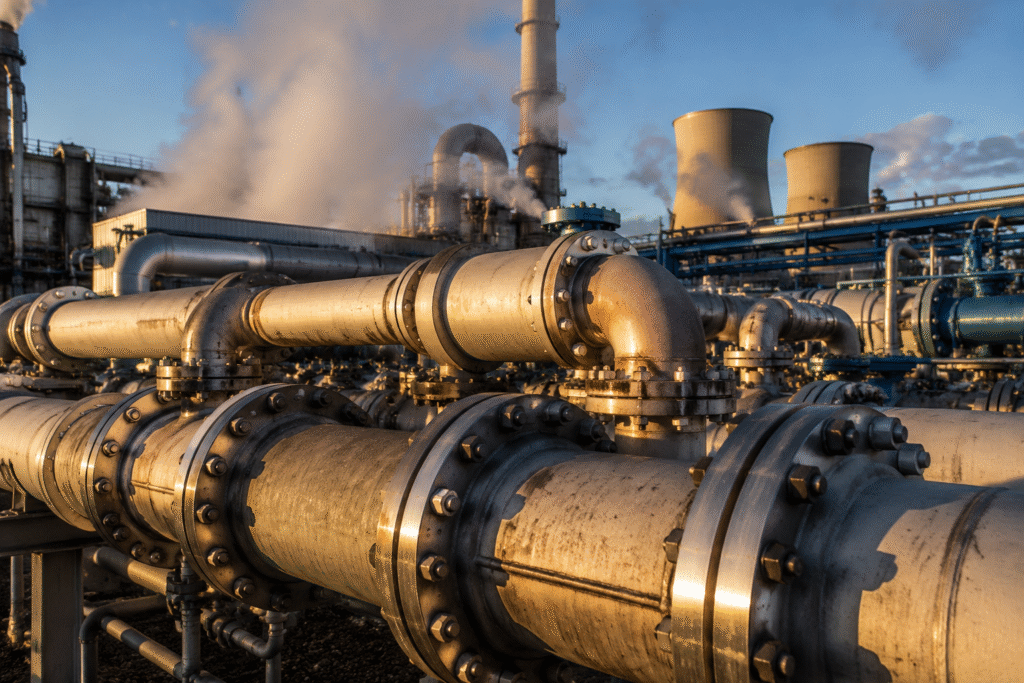
ステンレス鋼管フランジ市場ガイド: 7 データに裏付けられた利点, 種類, 用途, および選択基準
の ステンレス鋼管フランジ market continues to expand as engineers prioritize corrosion resistance, ライフサイクルコスト管理, 重要な配管システムにおけるコンプライアンスと. グランドビューリサーチによると (2024), 世界の工業用フランジ市場は次のように評価されました。 $5.8 億で 2023 に達すると予測されています $7.2 10億まで 2030, which highlights the intriguing and hidden advantages of stainless steel flange solutions across industrial sectors.
調達チーム向け, the real question is not whether stainless flanges perform well. It is how to choose the right flange material, 圧力クラス, 直面している, and manufacturing standard for each pipe service condition.
世界の業界でステンレス鋼管フランジの需要が増え続ける理由
Industrial buyers increasingly prefer stainless steel flanges because they balance durability, process reliability, and long service life in aggressive environments. 統計局によると (2024), 石油・ガス産業が約 35% 世界のフランジ消費量の, which makes material selection a strategic purchasing decision.
さらに, Asia-Pacific now leads manufacturing scale and supply depth. IBISWorldによると (2024), アジア太平洋地域が占める割合は超過 45% 世界のフランジ生産量の, 中国が最大の製造国である.
That manufacturing concentration matters for cost, リードタイム, and customization. It also explains why global EPC contractors often source from qualified Chinese exporters with documented quality systems and strong machining capability.
Stainless steel pipe flange demand also rises because end users need cleaner systems and lower maintenance intervals. 水処理, オフショアプラットフォーム, 化学処理, and power generation all require materials that resist pitting, 隙間腐食, そして汚染.
モルドール情報局によると (2024), 淡水化の成長, LNG, and process industries is accelerating demand for corrosion-resistant piping components worldwide. したがって, ステンレスグレードなど 304, 316l, 904l, 2205, そして 2507 continue to gain share in engineered piping packages.
材料工学博士として. ヘレン・モリス, 腐食コンサルタント, 州: “フランジ選択時, the lowest purchase price rarely delivers the lowest lifecycle cost. Proper alloy choice prevents leakage, 計画外のシャットダウン, and premature replacement.”
This is where supplier qualification becomes essential. と ISO 9001:2015 および PED 2014/68/EU 認証, SASA FLANGE supports international buyers who need traceable stainless steel and alloy flange manufacturing for demanding industrial service.
Beyond certifications, procurement teams now evaluate documentation packages more carefully. EN 10204 3.1 検査証明書, PMIテスト, 寸法検査, hydrostatic controls, and marking traceability all influence approved vendor status.
According to ISO guidance and PED compliance practice, documentation quality directly affects acceptance in regulated pressure equipment projects (ISO, 2023; PED 2014/68/EU). 結果として, manufacturers that combine CNC machining with full quality records hold a clear commercial advantage.
The competitor content focuses heavily on alloy listings, which is useful. しかし, buyers also need a clearer framework for types, 用途, 圧力クラス, 表面仕上げ, and standards alignment.
That broader view reveals the true versatility of stainless steel pipe flange products. It also helps engineers choose the correct flange for corrosive media, 熱サイクル, 振動, and frequent maintenance access.
ステンレス鋼管フランジの種類, 隠れた利点, および材料選択ロジック
ステンレス鋼管フランジは単一の製品カテゴリではありません. ウェルドネックを含む, スリップオン, 盲目, ソケット溶接, ラップジョイント, and threaded flange designs, each suited to different stress profiles and installation methods.
によると ASME B16.5, フランジ寸法, 掘削, 圧力温度定格, and tolerances must align with defined classes such as 150, 300, 600, 900, 1500, そして 2500 (ASME, 2023). したがって, selecting a flange means matching both material grade and pressure class to actual service conditions.
デビッド・クマール役, 上級配管エンジニア, 州: “A flange failure usually starts with a mismatch between process conditions and specification details, not with the flange geometry itself.”
The hidden advantages of stainless steel pipe flange systems become clear when teams compare lifecycle behavior instead of only invoice cost. Stainless materials reduce rust contamination, support hygienic service, and often simplify maintenance planning.
例えば, 304 and 304L remain the most common general-purpose choices for mild corrosion environments. しかし, 316 and 316L perform better in chloride-bearing service because molybdenum improves pitting resistance.
ASTM A182 covers forged or rolled alloy and stainless steel pipe flanges for high-temperature service, その間 ASTM A240 applies to plate products used in related fabrication (ASTM, 2024). These standards matter because they establish chemistry, 機械的特性, and heat treatment expectations.
- 304/304ステンレス製Lフランジ: Strong general corrosion resistance, 良好な溶接性, and broad availability for food, 水, および軽化学サービス.
- 316/316ステンレス製Lフランジ: Better resistance to chlorides and marine exposure, widely specified in offshore, 化学薬品, および製薬工場.
- 904Lフランジ: Enhanced resistance to sulfuric acid and severe corrosion, often chosen for high-value chemical systems.
- 2205 二重フランジ: Higher strength and improved chloride stress corrosion cracking resistance than austenitic grades.
- 2507 スーパーデュプレックスフランジ: Premium choice for offshore, 海底, and seawater systems requiring very high pitting resistance.
Pressure class and flange facing are equally important. ASME サービスでは盛り上がった面が一般的です, while flat face fits some cast iron or low-load systems, and ring type joint supports higher-pressure sealing applications.
The most common flange types and uses include the following:
- ウェルドネックフランジ: 高圧に最適, 熱サイクル, テーパーハブが応力集中を軽減するため、重要なサービスが可能.
- スリップオンフランジ: Easier alignment and lower initial cost, often used in low to moderate pressure systems.
- ブラインドフランジ: Used to terminate a pipe end, 機器を隔離する, or provide access for testing and maintenance.
- ソケットウェルドフランジ: 小口径に最適, high-pressure piping where strong alignment is needed.
- ねじ付きフランジ: 溶接が不可能な場合に役立ちます, although service limitations must be reviewed carefully.
- 重ね継手フランジ: Good for systems requiring frequent dismantling or special alloy stub ends.
マーケットリサーチの将来によると (2024), corrosion-resistant alloy components are seeing above-average growth in energy transition and water infrastructure projects. さらに, duplex stainless usage continues to expand where buyers need higher strength-to-weight performance.
調達チーム向け, material selection should follow media chemistry, 温度, プレッシャー, および検査要件. A 316L slip on flange may suit a low-pressure water treatment skid, その間 2205 weld neck flange may be more appropriate for offshore chloride service.
Manufacturing method also matters. Forged flanges generally offer better grain structure and mechanical integrity than cut plate alternatives for many pressure services.
高度な CNC 加工と包括的な品質テストに裏付けられています, SASA FLANGE でフランジを製造します 304, 316, 904l, 2205, 2507 その他のプレミアムグレード. Buyers can also request elbows, ティー, 減速機, and caps as part of a complete stainless flanges and fittings package through their product portfolio.
Another intriguing advantage is sourcing flexibility. 1/2からのカスタムサイズを提供します" 60まで" 競争力のある工場直販価格, manufacturers with broad machining range can support both MRO orders and EPC project schedules.
ASME, ASTM, DIN, およびステンレス鋼管フランジの準拠に関する EN 要件
Standards compliance is not a paperwork formality. It defines whether a stainless steel pipe flange will fit correctly, seal correctly, and pass project inspection.
ASME B16.5 governs pipe flanges and flanged fittings for NPS 1/2 を通して 24, その間 ASME B16.47 より大きな直径のフランジをカバーします, commonly NPS 26 を通して 60 (ASME, 2023). したがって, engineers must identify the correct dimensional standard before issuing a purchase order.
ASTM standards define material properties. ASTM A182 鍛造ステンレスおよび合金フランジに適用, その間 ASTM A105 applies to forged carbon steel flanges for ambient and higher-temperature service.
ヨーロッパのプロジェクトでは EN を指定することがよくあります 1092 flange dimensions and PED conformity requirements. DIN legacy dimensions may still appear in replacement work, and JIS or GOST may apply in regional or mixed-standard systems.
The following comparison helps clarify common standards:
- ASME B16.5: Standard for common industrial flange dimensions, 評価, フェーシング, と公差.
- ASME B16.47: Large-diameter flange standard, often used in pipelines and bulk transfer systems.
- ASME B16.9: Covers factory-made wrought buttwelding fittings such as elbows, ティー, と減速機.
- ASTM A182: Material specification for forged stainless and alloy flanges and forged fittings.
- EN 1092: European dimensional flange standard widely used in EU projects.
- NACE MR0175/ISO 15156: Critical for sour service material selection in H2S-containing environments.
According to NACE and ISO 15156 ガイダンス, 材質の硬さ, 化学, and heat treatment must be controlled carefully for sour service to reduce sulfide stress cracking risk (ネイス, 2023). In oil and gas projects, that requirement can eliminate otherwise acceptable stainless choices.
Inspection documents are equally important for approval. Many end users require EN 10204 3.1 証明書, PMIレポート, 圧力定格の検証, and dimensional records for each heat number.
DNV プロジェクト品質ガイダンスによると (2023), traceability and documented conformity remain among the most frequent audit focus areas in pressure component supply chains. その結果, reliable flange manufacturers invest heavily in marking systems and inspection discipline.
と ISO 9001:2015, PED 2014/68/EU, とAD 2000 資格, SASA FLANGE aligns well with projects that require export-ready documentation and certified manufacturing controls. 給仕 50+ 石油を巡る国々 & ガス, 石油化学, 力, 海洋産業, the company supports both standard and custom flange specifications through その製造背景.
Procurement managers should also compare facing, 掘削, and pressure class conventions before approving substitutes. An incorrect standard cross-reference can delay site installation even when the base material grade is correct.
例えば, a stainless steel threaded pipe flange ordered under one dimensional system may not match a mating component built to another standard. したがって, approved drawings and datasheets should always confirm NPS, クラス, 直面している, 標準, and bore schedule together.
How to Choose Stainless Steel Pipe Flange by Industry, Service Conditions, とコスト
Choosing the right stainless steel pipe flange starts with operating conditions. Media type, 塩化物濃度, 設計圧力, プロセス温度, and inspection class should lead the decision.
石油およびガスサービスにおいて, pressure containment and corrosion control dominate specification logic. 統計局によると (2024), セクターは約を表します 35% 世界のフランジ消費量の, それでネックを溶接します, RTJ, and duplex options remain common in upstream and midstream projects.
石油化学プラント内, buyers often specify 316L, 321, 347, or higher alloys where heat and corrosion act together. Thermal fatigue and gasket seating reliability can make weld neck flange geometry preferable to lower-cost alternatives.
海洋および造船システム用, chloride exposure changes the material equation quickly. 316L works in many moderate environments, しかし 2205 または 2507 often provides better durability in seawater or splash-zone service.
Power generation applications frequently involve higher temperatures, スチームサービス, and shutdown cycling. これらのシステムでは, フランジタイプ, ボルト荷重, and gasket compatibility matter as much as base alloy choice.
Water treatment and desalination projects focus heavily on corrosion, 清潔さ, and long operating intervals. マーケットリサーチの将来によると (2024), investment in water infrastructure continues to support robust demand for stainless and duplex piping products.
Use the following checklist when you choose a flange:
- プロセス流体の化学的性質を確認する, 特に塩化物, 酸, 硫黄化合物, 固形分含有量.
- Match design pressure and temperature to ASME or EN pressure-temperature limits.
- Select the proper flange type for stress profile, メンテナンスの頻度, とインストール方法.
- Verify material grade against ASTM or equivalent standard requirements.
- Check bore and schedule compatibility with the mating pipe.
- Review facing type, ガスケット材質, and bolting package as a complete sealing system.
- ドキュメントを指定する, テスト, and traceability before production begins.
Buyers also need practical guidance on sizes and pricing. Stainless steel pipe flange sizes commonly range from 1/2 インチから 24 インチインチ ASME B16.5, while larger sizes fall under ASME B16.47 またはプロジェクト固有の標準.
あ 4 inch stainless steel pipe flange may vary significantly in cost depending on grade, クラス, 直面している, 鍛造ルート, そして量. したがって, price comparisons should always include material certificates, 加工公差, および表面仕上げ要件.
調達アナリストのジェームス・ポーター氏はこう指摘する。: “The cheapest flange quote often excludes the tests, 書類, and delivery terms that determine whether the item is actually usable on site.”
This is why many buyers prefer integrated supply from experienced vendors. フランジ以外にも, SASA FLANGE can support elbows, ティー, 減速機, そしてキャップ, which simplifies multi-line sourcing for complete pipe package procurement.
Custom manufacturing also plays a major role in project execution. 大径フランジ, 非標準の穴あけ, 特殊な表面仕上げ, and exotic materials such as Inconel, モネル, ハステロイ, and Titanium are often required in high-value process systems.
認定ステンレスを必要とするプロジェクト向け, デュプレックス, or alloy components, 一緒に働く SASA FLANGE helps buyers align material, 標準, and documentation from one source. That reduces coordination risk and improves schedule control.
ステンレス鋼管フランジ供給の今後の見通し, 価格設定, と調達戦略
The outlook for stainless steel pipe flange demand remains positive because global infrastructure, エネルギー, and water investments continue to grow. グランドビューリサーチによると (2024), 市場は~から上昇すると予想される $5.8 億で 2023 に $7.2 10億まで 2030.
That growth will not affect all categories equally. Higher-performance materials such as duplex, スーパーデュプレックス, and corrosion-resistant nickel alloys are likely to gain share in offshore, 化学薬品, および淡水化アプリケーション.
Supply chain strategy will also matter more. IBISWorldによると (2024), アジア太平洋地域はすでに超過しています 45% 世界のフランジ生産量の, which means sourcing teams should build relationships with qualified manufacturers that can provide stable quality and export documentation.
Digital procurement practices are changing vendor evaluation as well. Buyers increasingly ask for mill traceability, heat-by-heat reports, CAD図面, QA plans, and quick quotation turnaround before awarding orders.
結果として, flange manufacturers that combine engineering support with production capacity will outperform simple traders. The market increasingly rewards technical responsiveness, not just commodity pricing.
戦略的に, buyers should standardize approved grades for recurring services. They should also prequalify at least one certified supplier for common sizes and one supplier for engineered specials.
Another recommendation is to compare total installed cost, not just unit cost. A properly specified stainless steel pipe flange can reduce maintenance frequency, 漏洩リスク, 汚染, and shutdown loss over many years.
For companies planning upcoming pipeline, skid, or plant expansion work, early flange standardization often shortens procurement cycles and improves spare-part compatibility. Manufacturers with strong technical sales teams can support that process from drawing review through inspection release.
その文脈で, the intriguing value of stainless steel flanges becomes practical and measurable. When buyers need durability, 多用途性, 文書化された品質, and global supply confidence, engaging early with established producers such as SASA FLANGE is a commercially sound next step.
よくある質問
ステンレス鋼フランジにはどのような種類がありますか?
●一般的なステンレス鋼フランジ タイプには溶接ネックが含まれます, スリップオン, 盲目, ソケット溶接, ねじ切りされた, およびラップジョイントの設計, そして ASME B16.5 remains the leading dimensional reference for sizes up to NPS 24.
●Each flange type serves a different purpose because weld neck flanges suit high-pressure and thermal cycling service, while slip on and threaded options are more common in lower-pressure or easier-install systems.
●重要なプロジェクトの場合, buyers should match flange type to media, 圧力クラス, メンテナンスの必要性, and companies requiring certified production can work with established manufacturers like SASA FLANGE for compliant stainless steel pipe flange supply.
どちらが良いですか 304 または 420 ステンレス鋼?
●ほとんどの工業用フランジ用途に対応, 304 stainless is usually better than 420 because it offers stronger corrosion resistance and broader weldability, その間 420 is a martensitic grade used more often where hardness is the priority.
●ASTM and general piping practice favor 304 そして 316 families for flange manufacturing because process systems typically need corrosion performance, 圧力の完全性, and fabrication reliability rather than cutting-edge hardness.
●If the application involves water, 化学薬品, 食品加工, or general industrial pipe service, engineers should usually choose 304 または 316 grade flanges and confirm the exact specification with a qualified flange vendor before purchase.
ステンレス鋼を最も多く使用している産業は何ですか?
●Process industries, 工事, transportation, 食品加工, and energy all consume large volumes of stainless steel, but according to Statista (2024), oil and gas alone accounts for approximately 35% 世界のフランジ消費量の.
●That high share reflects the sector’s need for corrosion-resistant pipe flanges, 継手, and pressure components in upstream, 中流, and refining environments.
●Buyers in oil and gas, 石油化学, and water treatment should specify material grade, テスト, and standards together because a stainless steel pipe flange performs best when alloy choice and service conditions are aligned.
3種類のフランジとは何ですか?
●The three most widely used flange types in many industrial systems are weld neck, スリップオン, and blind flanges because they cover the majority of piping connection, 分離, およびメンテナンス要件.
●Weld neck flanges provide the best stress distribution for severe service, slip on flanges simplify alignment and fabrication, and blind flanges close pipe ends or equipment nozzles for inspection and testing.
●正確な選択のために, エンジニアはレビューする必要があります ASME B16.5 クラス, 直面している, and bore details together and obtain quotations from experienced flange manufacturers that can confirm dimensional and material compatibility.
ステンレス鋼管フランジの価格に影響を与えるもの?
●ステンレス鋼管フランジの価格は主に合金グレードによって異なります, サイズ, 圧力クラス, 鍛造ルート, 加工の複雑さ, テスト範囲, そして注文量, 904L や 2507 can cost substantially more than 304 または316L.
●グランドビューリサーチによると (2024), the broader industrial flange market is growing steadily, which keeps demand strong and can influence raw material and lead-time conditions across global supply chains.
●To compare offers correctly, buyers should request pricing with ASTM or ASME standard references, EN 10204 3.1 ドキュメント, and delivery terms clearly listed so the quote reflects actual project requirements.
信頼できるフランジのメーカーまたはベンダーを選択するにはどうすればよいですか?
●A reliable flange manufacturer should provide ISO 9001:2015 品質管理, clear material traceability, 寸法検査記録, and the ability to supply to ASME, ASTM, DIN, およびEN規格.
●IBISWorldによると (2024), アジア太平洋地域が占める割合は超過 45% 世界のフランジ生産量の, so supplier evaluation should focus on certification, 輸出経験, and documentation quality rather than geography alone.
●For projects involving stainless steel flanges and fittings, buyers should shortlist vendors that can support custom sizes, プレミアムグレード, および検査要件, and they should request drawings, 証明書, and lead times before approving a purchase order.
関連投稿

オリフィスフランジの定義, 詳細と ASME B16.36 フランジの概要: 市場データ, 選択ガイドとコンプライアンスに関する洞察
世界の工業用フランジ市場は次のように評価されました。 $5.8 十億…

ブラックディスポフランジ市場ガイド: 材料, 3.5″ 互換性, キッチン シンク フランジの B2B 調達データ
キッチン設備の購入者として黒色の使い捨てフランジの需要が高まっています…