説明
Controlled-hardness, impact-tested alloy steel
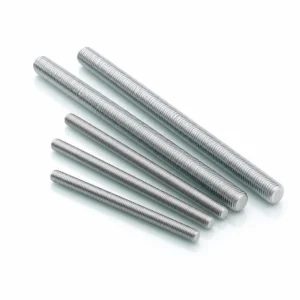
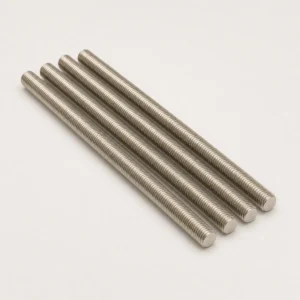
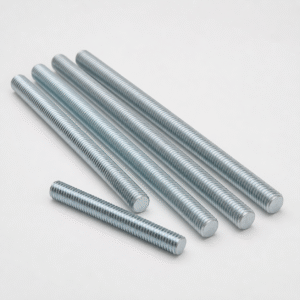
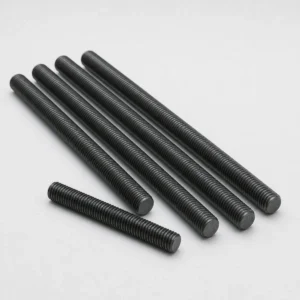
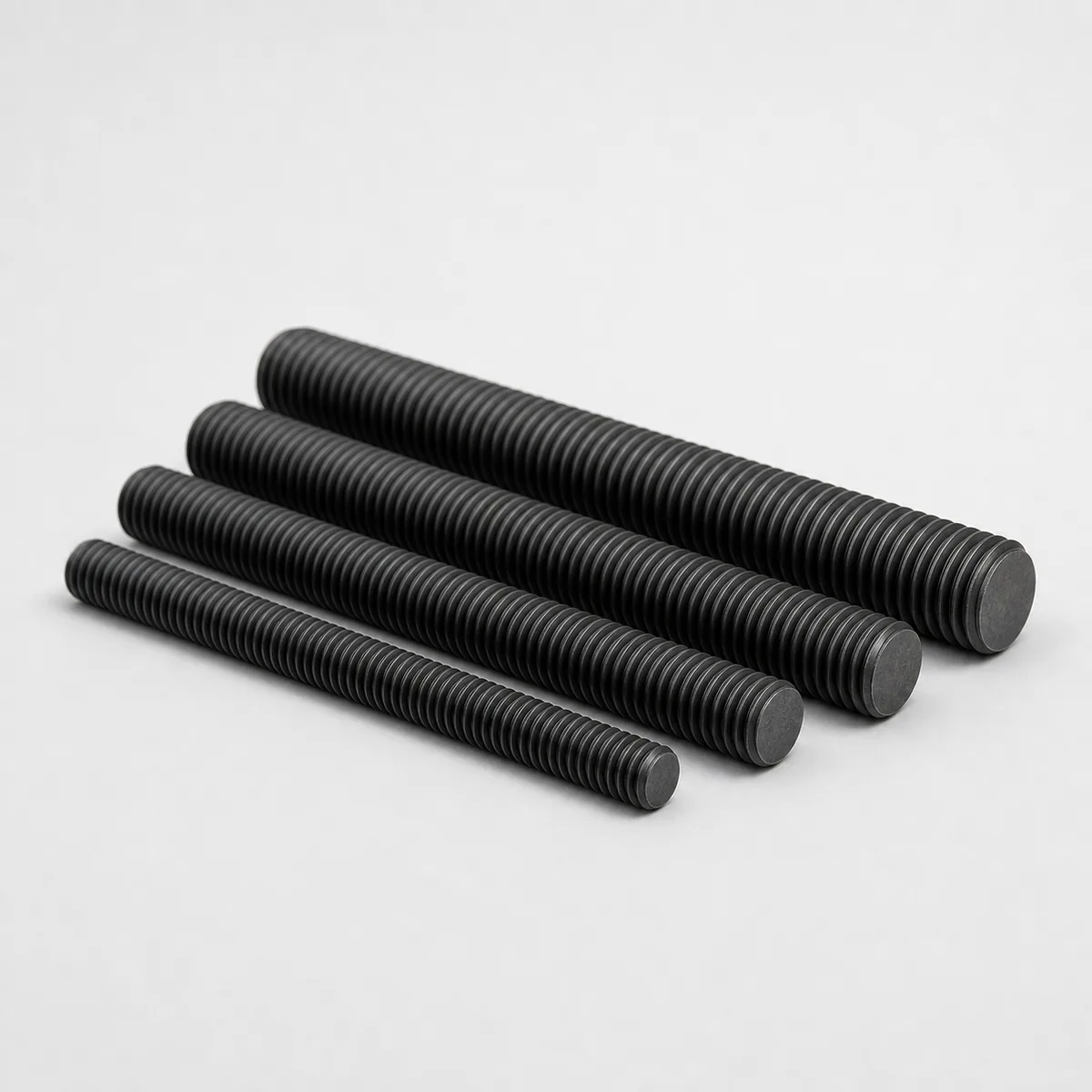
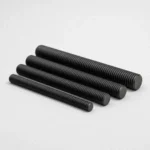
ASTM A320 L7M Threaded Rod
Low-temperature alloy steel all-thread combining Charpy impact requirements with L7M hardness controls for carefully specified industrial service.
製品概要
ASTM A320 Grade L7M threaded rod is designed for low-temperature bolting applications that also require the grade-specific mechanical-property and hardness limitations of L7M. It is commonly considered where sour-service materials controls and low-temperature toughness must be addressed together.
The project must define the impact test temperature, 硬さ試験, environmental qualification and any post-machining heat-treatment requirements. L7M should not be presented as universally NACE compliant without this service-specific procurement information.
ASTM A320 L7M threaded rod specifications
| Bolting standard | ASTM A320/A320M, ordered edition |
|---|---|
| 学年 / 材料 | Grade L7M low-temperature alloy steel |
| Condition | Heat treated to L7M mechanical, hardness and impact requirements |
| スレッドシステム | ASME B1.1 UNC, UNFまたは8UN; metric threads when ordered |
| サイズ範囲 | 1/4–4 in and M6–M100 typical; exact testing limits apply |
| Compatible nuts | Impact-tested controlled-hardness nut, commonly Grade 7M when specified |
| Sour-service option | Project-defined NACE MR0175 / ISO 15156 provisions when ordered |
| ドキュメント | EN 10204 3.1, 結果に影響を与える, hardness map/frequency and dimensions |
最終寸法, 公差, 熱処理, コーティング, テストおよび合格基準は、確認された発注書および該当する標準エディションに従います。. 入手可能かどうかは直径によって異なります, 長さ, ねじ形状と生産数量.
この材質を指定する理由?
L7M is chosen when both low-temperature impact behavior and controlled hardness are required. The grade is useful in certain oil-and-gas and gas-processing designs, but environmental limits must be evaluated by the materials engineer.
エンジニアリングノート
Confirm whether cutting and threading must precede final tempering or stress relief under the ordered edition and project supplement. Hardness frequency and location should be unambiguous before manufacture.
代表的な用途
品質, 検査と文書化
L7M documentation should combine material traceability, final heat treatment, 衝撃試験, tensile properties and the purchaser-defined hardness inspection plan. Additional sour-service testing is supplied only when ordered.
- EN 10204 3.1 材料試験証明書
- 熱価とバッチのトレーサビリティ
- 化学組成と機械的性質
- 寸法検査とねじゲージ
- 注文時のステンレスおよびニッケル合金の PMI
- 該当する場合、コーティングの厚さまたは表面検査
- 第三者による検査および契約による追加検査
- 輸出マーキングと耐航性のある梱包
お見積りに必要な情報
- 材質グレード, 準拠材質/ボルト規格と必要なエディション
- 直径, スレッドシリーズ, ピッチとねじの等級または公差
- 全長, カットエンドの要件と数量
- 熱処理, 表面仕上げまたはコーティングシステム
- 適合するナットとワッシャー, かじり防止要件を含む
- 検査計画, MTC, PMI, 臨死体験および第三者証人の要件
- 配送先, 梱包と必要なスケジュール
よくある質問
What is the difference between L7 and L7M?
L7M has controlled hardness and different mechanical requirements in addition to the low-temperature impact basis. The grades are not interchangeable without design approval.
Is L7M automatically suitable for sour service?
いいえ. Suitability depends on environment, product condition, 硬度, stress and the exact NACE MR0175 / ISO 15156 and project requirements.
Which nut is commonly paired with L7M?
An impact-tested controlled-hardness nut such as ASTM A194 Grade 7M may be specified. Confirm the governing standard, coating and thread fit.
Why is the manufacturing sequence important?
Cutting, threading and heat treatment can influence final hardness and residual stress. The sequence must follow the ordered standard edition and purchaser supplements.
ねじ棒関連商品
技術的な見積もりをリクエストする
部品表を送信してください, 図面またはプロジェクト仕様書. SASA FLANGE 成績を見直します, 糸, 寸法, 見積前の書類と納品要件.