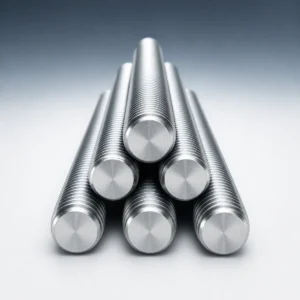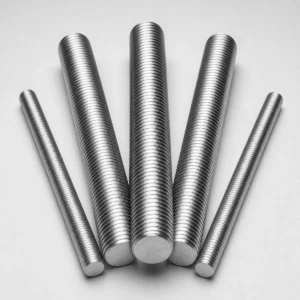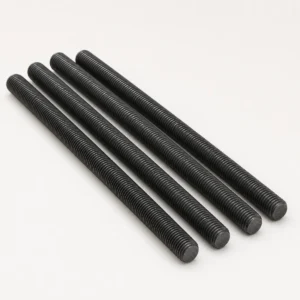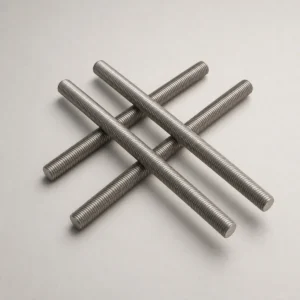
Description
Controlled-hardness, impact-tested alloy steel
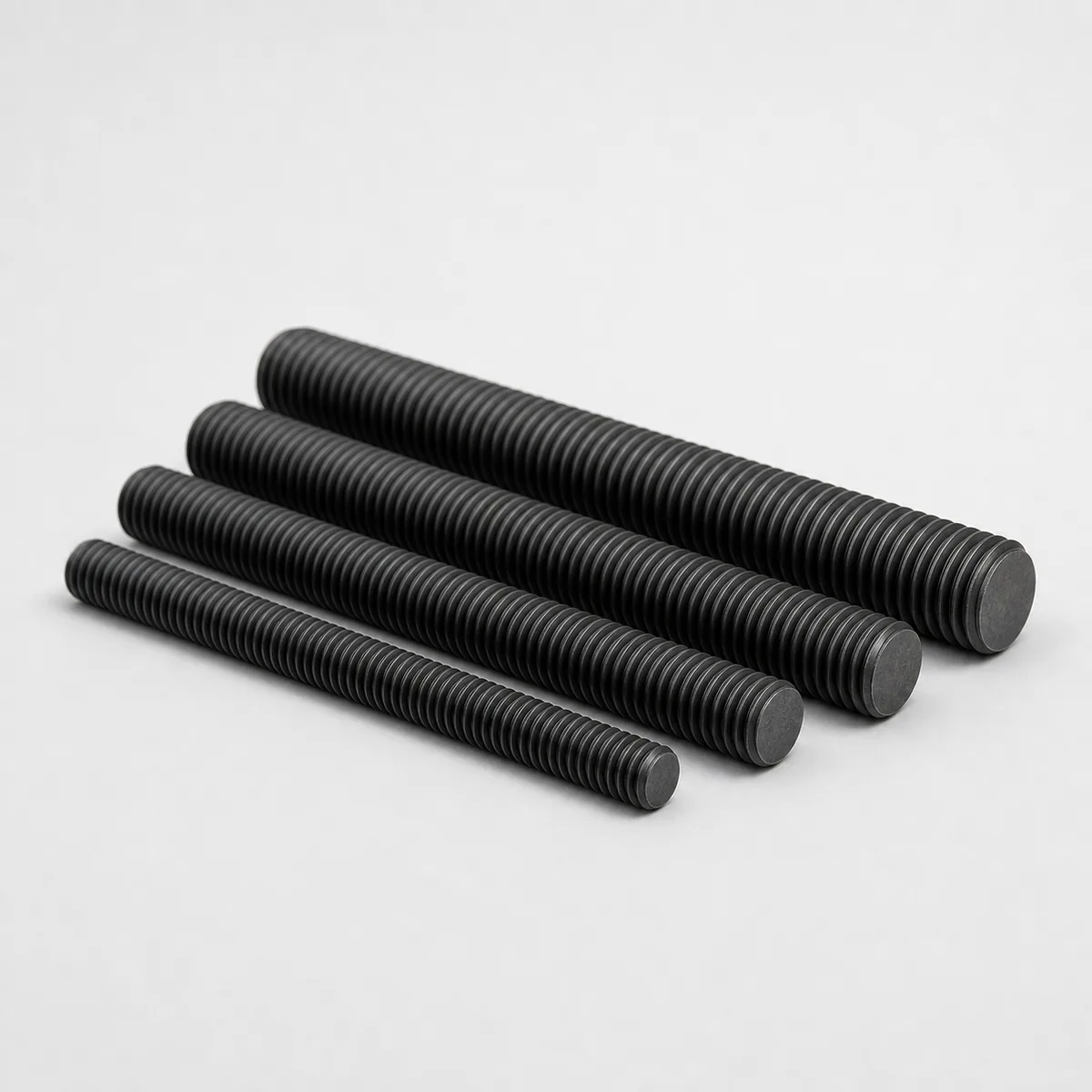
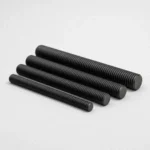
ASTM A320 L7M Threaded Rod
Low-temperature alloy steel all-thread combining Charpy impact requirements with L7M hardness controls for carefully specified industrial service.
Product overview
ASTM A320 Grade L7M threaded rod is designed for low-temperature bolting applications that also require the grade-specific mechanical-property and hardness limitations of L7M. It is commonly considered where sour-service materials controls and low-temperature toughness must be addressed together.
The project must define the impact test temperature, hardness testing, environmental qualification and any post-machining heat-treatment requirements. L7M should not be presented as universally NACE compliant without this service-specific procurement information.
ASTM A320 L7M threaded rod specifications
| Bolting standard | ASTM A320/A320M, ordered edition |
|---|---|
| Grade / material | Grade L7M low-temperature alloy steel |
| Condition | Heat treated to L7M mechanical, hardness and impact requirements |
| Thread systems | ASME B1.1 UNC, UNF or 8UN; metric threads when ordered |
| Size range | 1/4–4 in and M6–M100 typical; exact testing limits apply |
| Compatible nuts | Impact-tested controlled-hardness nut, commonly Grade 7M when specified |
| Sour-service option | Project-defined NACE MR0175 / ISO 15156 provisions when ordered |
| Documentation | EN 10204 3.1, impact results, hardness map/frequency and dimensions |
Final dimensions, tolerances, heat treatment, coating, testing and acceptance criteria follow the confirmed purchase order and the applicable standard edition. Availability depends on diameter, length, thread form and production quantity.
Why specify this material?
L7M is chosen when both low-temperature impact behavior and controlled hardness are required. The grade is useful in certain oil-and-gas and gas-processing designs, but environmental limits must be evaluated by the materials engineer.
Engineering note
Confirm whether cutting and threading must precede final tempering or stress relief under the ordered edition and project supplement. Hardness frequency and location should be unambiguous before manufacture.
Typical applications
Quality, inspection and documentation
L7M documentation should combine material traceability, final heat treatment, impact testing, tensile properties and the purchaser-defined hardness inspection plan. Additional sour-service testing is supplied only when ordered.
- EN 10204 3.1 material test certificate
- Heat-number and batch traceability
- Chemical composition and mechanical properties
- Dimensional inspection and thread gauging
- PMI for stainless and nickel alloys when ordered
- Coating thickness or surface inspection when applicable
- Third-party inspection and additional testing by agreement
- Export marking and seaworthy packing
Information required for quotation
- Material grade, governing material/bolting standard and required edition
- Diameter, thread series, pitch and thread class or tolerance
- Overall length, cut-end requirements and quantity
- Heat treatment, surface finish or coating system
- Matching nuts and washers, including anti-galling requirements
- Inspection plan, MTC, PMI, NDE and third-party witness requirements
- Delivery destination, packaging and required schedule
Frequently asked questions
What is the difference between L7 and L7M?
L7M has controlled hardness and different mechanical requirements in addition to the low-temperature impact basis. The grades are not interchangeable without design approval.
Is L7M automatically suitable for sour service?
No. Suitability depends on environment, product condition, hardness, stress and the exact NACE MR0175 / ISO 15156 and project requirements.
Which nut is commonly paired with L7M?
An impact-tested controlled-hardness nut such as ASTM A194 Grade 7M may be specified. Confirm the governing standard, coating and thread fit.
Why is the manufacturing sequence important?
Cutting, threading and heat treatment can influence final hardness and residual stress. The sequence must follow the ordered standard edition and purchaser supplements.
Related threaded rod products
Request a technical quotation
Send your bill of materials, drawing or project specification. SASA FLANGE will review the grade, thread, dimensions, documentation and delivery requirements before quotation.