
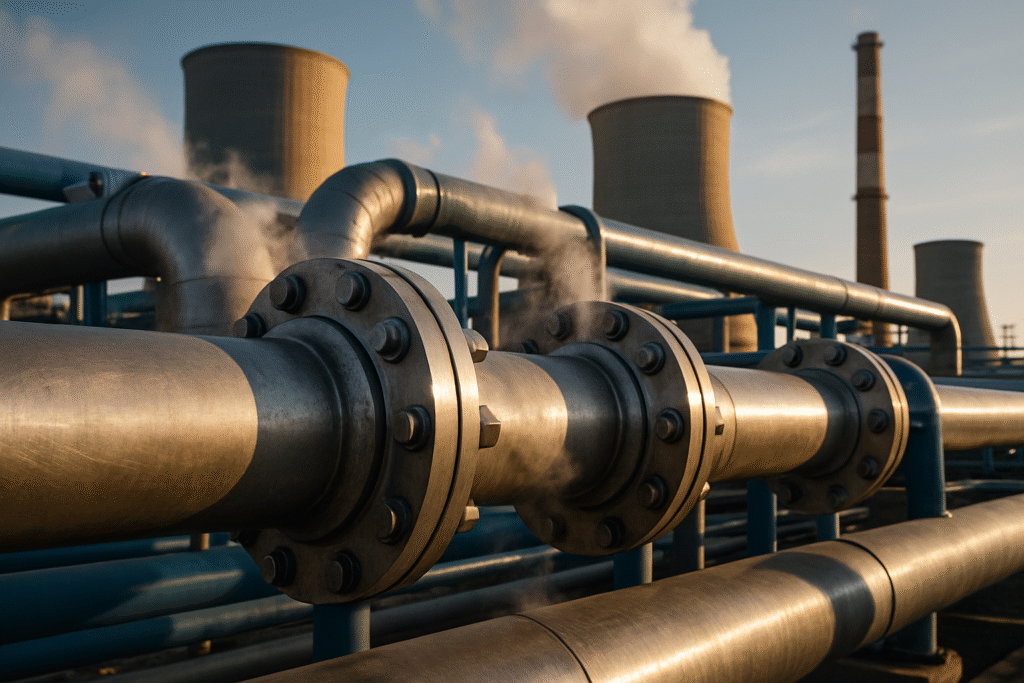
ステンレス鋼管フランジ: 興味深いデータ, 隠れた利点, 種類, 用途, および最も一般的なフランジの選択方法
の ステンレス鋼管フランジ market is expanding with industrial investment, より厳しい安全基準, より高い耐食性能の期待. グランドビューリサーチによると (2024), 世界の工業用フランジ市場は次のように評価されました。 $5.8 億で 2023 に達すると予測されています $7.2 10億まで 2030.
エンジニアおよび調達マネージャー向け, 成長は実際的な現実を反映しているということ. Stainless steel flanges remain one of the most reliable connection solutions for pressure piping, especially where corrosion resistance, 衛生, and lifecycle cost matter.
さらに, buyers now expect more than material availability. They want full traceability, ASTM および ASME への準拠, EN 10204 3.1 ドキュメント, and manufacturing partners that can support custom dimensions, 圧力クラス, and demanding end-use industries.
世界の需要動向に合わせたステンレス鋼管フランジの調達
Industrial buyers are sourcing stainless steel pipe flange products in a market defined by regional production concentration and sector-specific demand. IBISWorldによると (2024), アジア太平洋地域が占める割合は超過 45% 世界のフランジ生産量の, 中国が最大の製造国である.
That concentration matters because it affects lead time, price stability, and access to broader material grades. It also explains why global EPC contractors increasingly evaluate Chinese manufacturers on quality systems, 輸出経験, 価格だけではなく規格への準拠を重視.
並行して, end-use demand remains heavily tied to energy infrastructure. 統計局によると (2024), 石油・ガス産業が約 35% 世界のフランジ消費量の.
しかし, demand is no longer limited to upstream and refinery projects. 水処理, 造船, 食品加工, 医薬品, and power generation increasingly specify stainless steel pipe flange assemblies where carbon steel would require more maintenance or expensive coatings.
モルドール情報局によると (2024), industrial process equipment demand in corrosion-sensitive applications is rising as operators seek lower lifecycle maintenance costs. したがって, ステンレスグレードなど 304, 316, 316l, 904l, 2205, そして 2507 are seeing stronger specification in both greenfield and retrofit projects.
材料工学博士として. ヘレン・カーター, a corrosion consulting specialist, 州: “Selecting the right flange alloy is not a purchase decision alone. It is a risk-management decision that affects leakage probability, shutdown cost, and inspection frequency.”
This is where supplier capability becomes strategically important. SASA FLANGE supports global B2B buyers with stainless steel flanges, 炭素鋼フランジ, 合金フランジ, and pipe fittings manufactured to ANSI B16.5, ANSI B16.47, ASME B16.9, DIN, JIS, ゴスト, とEN 1092 要件.
と ISO 9001:2015 および PED 2014/68/EU 認証, SASA FLANGE aligns manufacturing with the compliance expectations of regulated sectors. さらに, the company offers grades such as 304, 316, 316l, 904l, 2205, 2507, A105, A182, インコネル, モネル, ハステロイ, and Titanium for diverse service environments.
Procurement teams also care about export readiness and documentation quality. マーケットリサーチの将来によると (2024), industrial component buyers increasingly rank quality certification and on-time delivery among the top three supplier selection criteria in process industries.
したがって, a stainless steel pipe flange supplier must deliver more than catalog coverage. It must offer dimensional consistency, PMIサポート, ヒートトレーサビリティ, 圧力クラスの精度, and tested machining for raised face, 平らな面, RTJ, ねじ切りされた, and welded configurations.
技術的な詳細: 隠れた利点, 種類, 用途, and How to Choose a Stainless Steel Pipe Flange
The hidden advantages of a stainless steel pipe flange extend well beyond corrosion resistance. 多くの産業システムで, stainless steel reduces total ownership cost by minimizing coating failures, reducing replacement frequency, and improving system cleanliness.
According to ASTM and ASME application guidance, a correctly specified flange assembly improves sealing integrity when paired with the right gasket, ボルト締め, and installation torque sequence. その結果, material grade and flange type must be evaluated together rather than separately.
The most common stainless steel flange grades are 304/304L and 316/316L. 学年 304 offers strong general corrosion resistance and good weldability, その間 316 adds molybdenum for better pitting resistance in chloride environments.
According to industry pricing analyses reported by procurement platforms and stainless mill market summaries in 2024, 316/316L components typically carry a noticeable premium over 304/304L. しかし, that higher upfront cost is often justified in coastal, 化学薬品, and saline service.
配管エンジニアのマーク・エリソンとして, Senior Project Consultant, 州: “The most common flange failures I see are not caused by pressure class errors alone. They come from poor material matching to media, 温度, and external atmosphere.”
That statement reflects a key buying principle. どちらかを選択する 304, 316l, 904l, or duplex grades depends on chloride level, 設計温度, 洗浄化学, 圧力定格, and whether the line is cyclic or static.
- 304/304L型ステンレス鋼管フランジ: Best for general industrial service, 給水システム, 食品加工, 中程度の腐食環境.
- 316/316L型ステンレス鋼管フランジ: Better for marine exposure, 化学処理, and chloride-containing media.
- 904Lフランジ: Suitable for aggressive acid service where superior corrosion resistance is needed.
- 2205 二重フランジ: Delivers higher strength and improved chloride stress corrosion cracking resistance.
- 2507 スーパーデュプレックスフランジ: Used in severe offshore, 海底, and desalination environments.
Flange type also affects assembly behavior, 応力分布, およびメンテナンスのアクセシビリティ. A weld neck flange usually provides the best mechanical performance for high-pressure and high-temperature service because its tapered hub reduces stress concentration.
Slip-on flanges can lower fabrication cost in lower-pressure systems. Threaded flanges help where welding is restricted, while socket weld flanges suit smaller bore high-pressure lines.
Blind flanges are used to isolate line ends, pressure test segments, または将来の拡張ポイント. Lap joint flanges support frequent dismantling where alignment flexibility is useful, especially with stub-end systems.
- ウェルドネックフランジ: Preferred for critical process piping and cyclic loading.
- スリップオンフランジ: Common in utility and moderate-duty service.
- ブラインドフランジ: 閉鎖に使用, テスト, and line isolation.
- ねじ付きフランジ: 溶接が不可能な場合に役立ちます.
- ソケットウェルドフランジ: Chosen for smaller diameter, 高圧配管.
- 重ね継手フランジ: Practical for systems needing frequent disassembly.
によると ASME B16.5, 標準フランジ寸法, 公差, 圧力温度定格, and marking rules are defined for NPS 1/2 を通して 24. ASME B16.47 より大きな直径までカバー範囲を拡大, which is crucial for large process and transmission systems.
Buyers searching terms like stainless steel pipe flange sizes, 4 インチステンレス鋼管フランジ, or stainless steel threaded pipe flange are usually comparing four factors. They are material grade, 圧力クラス, 対面タイプ, そして製作ルート.
Important selection criteria include the following:
- Classなどの圧力クラス 150, 300, 600, 900, 1500, または 2500.
- RFを含むフェーシングタイプ, FF, とRTJ.
- Pipe schedule compatibility such as SCH 10, SCH 40, SCH 80, or XXS.
- 使用温度と設計圧力.
- 培地の組成, 特に塩化物, 酸, or sour service exposure.
- Required material standard, 例えば ASTM A182 F304/F304L or F316/F316L.
- Inspection and certification needs such as PMI, 水圧試験のサポート, そして EN 10204 3.1.
SASA FLANGE supports these variables with custom sizes from 1/2 インチから 60 inch and competitive factory-direct supply. 高度な CNC 加工と包括的な品質テストに裏付けられています, その会社は石油を供給しています & ガス, 石油化学, 力, 海兵隊, 水処理, および建設プロジェクト 50+ 国.
According to ISO-aligned manufacturing best practices, dimensional control and surface finish consistency directly affect sealing performance and installation efficiency. したがって, flange machining quality is not cosmetic. It is a functional requirement tied to gasket seating and leak prevention.
基準, 材質仕様, ステンレス鋼フランジの適合性
Compliance is one of the biggest differentiators in B2B flange sourcing. Engineers do not simply buy a stainless steel pipe flange by size alone. They buy to a defined code, 材料規格, inspection regime, およびドキュメントパッケージ.
最も参照される寸法規格は次のとおりです。 ASME B16.5 for standard pipe flanges and flanged fittings. より大きな直径の場合, ASME B16.47 applies and is commonly specified in transmission, ターミナル, and heavy process installations.
On the material side, ASTM A182 is a primary forged or rolled alloy and stainless flange specification. 一般的なグレードとしては、 ASTM A182 F304, F304L, F316, F316L, F51, とF53, depending on corrosion and strength requirements.
ASTM A240, 対照的に, covers plate material used in some stainless components and related product forms. Buyers should verify whether the flange is forged, plate-cut, or machined from bar because the material route affects mechanical properties, トレーサビリティ, and sometimes project approval.
European and international projects often require DIN, EN 1092, PED, とAD 2000 アライメント. さらに, projects in sour service or chloride-stressed systems may require NACE MR0175 or additional corrosion qualification.
欧州委員会の PED 2014/68/EU フレームワークによると, pressure equipment supplied into the EU must meet strict conformity assessment obligations. したがって, export-oriented flange manufacturers need both process discipline and document control to support compliant delivery.
主要な規格とコンプライアンスの参考資料には次のものがあります。:
- ASME B16.5: NPS の寸法と圧力温度定格 1/2 に 24.
- ASME B16.47: 大径スチールフランジ.
- ASTM A182: Forged or rolled alloy and stainless steel pipe flanges and fittings.
- ASME B16.9: 工場製鍛突合せ溶接継手.
- EN 1092: European flange requirements.
- NACE MR0175: H2S を含む環境の材料要件.
- EN 10204 3.1: Inspection certificate format commonly required for traceability.
A practical comparison helps procurement teams reduce specification errors:
- 304/304l: 低コスト, 幅広い可用性, 一般的なサービスに適しています.
- 316/316l: 優れた耐塩化物性, stronger choice for marine and chemical use.
- 2205 デュプレックス: より高い強度, often allows wall-thickness optimization in some systems.
- 2507 スーパーデュプレックス: Premium solution for severe corrosive service.
- 904l: Chosen for highly aggressive acidic environments.
According to DNV and offshore engineering guidance, seawater and splash-zone systems require particularly careful alloy selection due to localized corrosion risk. 結果として, material substitution based only on price can create high downstream failure costs.
と ISO 9001:2015, PED 2014/68/EU, とAD 2000 資格, SASA FLANGE gives project teams stronger compliance assurance for export and regulated applications. Buyers needing technical review, カスタムサイズ, or material verification can connect directly through SASA FLANGE for project support.
申請ガイド: How to Choose the Right Flange for Oil, ガス, 化学薬品, 力, および海洋システム
Every industry uses stainless steel pipe flange products differently because media, プレッシャー, and maintenance conditions vary. したがって, engineers should treat flange selection as an application decision rather than a commodity purchase.
石油とガスにおいて, flange reliability directly affects safety and uptime. 統計局によると (2024), このセクターはおよそを表します 35% 世界のフランジ消費量の, which shows how critical flange integrity is to hydrocarbon infrastructure.
上流および中流システム向け, 316L の溶接ネック フランジ, デュプレックス, or super duplex are common where corrosion and pressure are significant. サワーまたはオフショアサービスで, NACE compliance and chloride resistance often move duplex grades ahead of standard austenitic options.
石油化学および化学処理において, media compatibility is the first filter. 酸, 塩化物, 洗浄剤, and process temperatures may require 316L, 904l, or nickel alloy solutions rather than 304.
発電において, thermal cycling and pressure class become especially important. Flange selection must consider creep exposure, gasket stress retention, and repeated startup-shutdown cycles.
海洋および造船において, salt-laden air and direct seawater exposure accelerate localized attack. したがって, 316L is often the minimum practical choice, while duplex grades are preferred for more severe chloride environments.
水処理および淡水化プロジェクトでも、慎重な合金の選択が必要です. さらに, designers often compare the upfront stainless steel pipe flange price with the long-term savings from reduced replacement and lower coating maintenance.
選択基準には次のものが含まれます。:
- Service medium composition and chloride content.
- 設計圧力, 設計温度, and operating excursions.
- Flange type and facing compatibility with the gasket system.
- Required standard such as ASME B16.5, EN 1092, またはDIN.
- 材料のトレーサビリティ, PMI, そして EN 10204 3.1 ドキュメント.
- Installation constraints, including whether welding is allowed onsite.
- Lifecycle cost rather than purchase price alone.
例えば, ある 4 クラスのインチステンレス鋼管フランジ 150 for treated water service may be acceptable in 304L. しかし, the same nominal size in coastal chemical service may require 316L or duplex with stricter inspection and gasket selection.
同じく, stainless steel flanges and fittings should be sourced as a matched system whenever possible. That approach reduces mismatch risk across metallurgy, 寸法, 表面仕上げ, および圧力定格.
As industry analyst Robert Keane states: “Procurement performance improves when buyers standardize flange specifications by service class instead of ordering each line item independently.” That advice is valuable for EPC firms managing multi-site projects, shutdown packages, or framework agreements.
SASA FLANGE supports custom manufacturing across elbows, ティー, 減速機, キャップ, and multiple flange types to simplify package sourcing. さらに, the company can help align material grade, 寸法, and compliance documentation for complex industrial applications through 直接の技術相談.
今後の展望, 調達戦略, and Recommendations for Buyers
The outlook for stainless steel pipe flange demand remains positive because process industries continue upgrading safety, 効率, 耐腐食性能. グランドビューリサーチによると (2024), 産業用フランジ市場は次の規模に達すると予想されます $7.2 10億まで 2030, indicating sustained global demand.
同時に, buyer expectations are rising. IBISWorldによると (2024), China remains the largest manufacturing base in the Asia-Pacific region, which now accounts for over 45% 世界のフランジ生産量の.
That means global procurement teams have access to broad supply capacity. しかし, it also means supplier qualification is more important than ever, especially for high-specification stainless, デュプレックス, および合金グレード.
Smart buyers should focus on total project risk. That includes lead time reliability, 文書化の正確さ, コンプライアンスサポート, 加工品質, and post-order technical communication.
Recommended procurement actions include:
- Standardize approved grades by service condition to avoid ad hoc substitutions.
- Specify dimensional and material standards clearly on every RFQ.
- リクエスト EN 10204 3.1 証明書, 熱数, and PMI where needed.
- 圧力クラスの確認, 対面タイプ, and schedule compatibility before PO release.
- Evaluate suppliers on quality systems, 輸出経験, and technical responsiveness.
加えて, buyers should review whether the most common flanges in their plant are also the most economical over ten years of service. 多くの場合, a slightly higher-grade stainless steel pipe flange lowers maintenance events and unplanned downtime.
カスタムディメンションが必要なプロジェクトの場合, プレミアムグレード, or mixed packages of stainless steel flanges and fittings, working with an established manufacturer reduces coordination complexity. Companies seeking a reliable supply partner can explore SASA FLANGE for technical support, competitive factory-direct pricing, and compliant export documentation.
よくある質問
どちらが良いですか 304 または 420 ステンレス鋼?
●304 stainless steel is generally better for stainless steel pipe flange applications because it offers superior corrosion resistance and weldability compared with 420.
●According to ASTM material application practices, 420 is a martensitic stainless grade better known for hardness and wear resistance rather than flange service in corrosive piping systems.
●プロセス配管用, 調達チームは通常、次のいずれかを選択する必要があります ASTM A182 F304 or F304L when they need a reliable balance of fabrication ease, 衛生, and general corrosion performance.
ステンレス鋼フランジの ASME コードとは何ですか?
●The main ASME code for stainless steel flanges is ASME B16.5 NPS向け 1/2 を通して 24, その間 ASME B16.47 より大きな直径をカバーします.
●これらの規格は寸法を定義します, 圧力温度定格, 公差, and marking requirements that engineers use to specify flange compatibility.
●Buyers should also pair ASME dimensional standards with ASTM A182 material grades such as F304, F316L, F51, or F53 to avoid specification gaps.
とは何ですか 5 ステンレス鋼の種類?
●5 つの主要なステンレス鋼ファミリーはオーステナイト系です, フェライト系, マルテンサイト系, デュプレックス, and precipitation-hardening stainless steels.
●フランジ製作において, austenitic grades like 304 そして 316 are the most common, while duplex grades such as 2205 そして 2507 are selected for higher strength and chloride resistance.
●For industrial piping projects, engineers should choose the stainless family based on corrosion mechanism, mechanical load, and code compliance rather than alloy cost alone.
ステンレス鋼を最も多く使用している産業は何ですか?
●The oil and gas sector is one of the largest users of industrial flanges, そしてStatistaによると (2024), それはおよそを占めます 35% 世界のフランジ消費量の.
●しかし, stainless steel demand is also strong in petrochemical, 海洋, 水処理, 食品加工, and power generation due to corrosion and hygiene requirements.
●When media is aggressive or maintenance access is limited, stainless steel flanges often provide better lifecycle value than coated carbon steel alternatives.
最も一般的なステンレス鋼フランジのタイプは何ですか?
●最も一般的なステンレス鋼フランジのタイプは溶接ネックです。, スリッポン, 盲目, ねじ切りされた, ソケット溶接, 重ね継手フランジ.
●ASME B16.5 governs many of these configurations and helps ensure dimensional interchangeability across standard piping systems.
●For critical pressure and temperature service, engineers usually prefer weld neck flanges because they distribute stress more effectively than simpler designs.
How do I choose the right stainless steel pipe flange size and pressure class?
●The correct flange selection depends on nominal pipe size, パイプスケジュール, 対面タイプ, 圧力クラス, and material grade working together.
●例えば, ある 4 inch stainless steel pipe flange must match the connected pipe outside diameter, 壁のスケジュール, and required class such as 150, 300, または 600.
●For projects requiring traceability, カスタム加工, または複数規格の供給, buyers should work with qualified manufacturers like SASA FLANGE to confirm technical fit before ordering.
関連投稿

オリフィスフランジの定義, 詳細と ASME B16.36 フランジの概要: 市場データ, 選択ガイドとコンプライアンスに関する洞察
世界の工業用フランジ市場は次のように評価されました。 $5.8 十億…

ブラックディスポフランジ市場ガイド: 材料, 3.5″ 互換性, キッチン シンク フランジの B2B 調達データ
キッチン設備の購入者として黒色の使い捨てフランジの需要が高まっています…