Description
Nickel-chromium-molybdenum-tungsten alloy industrial valve
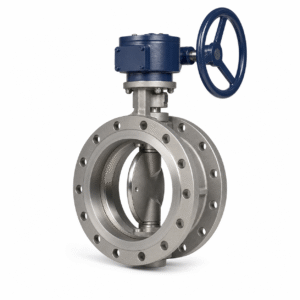
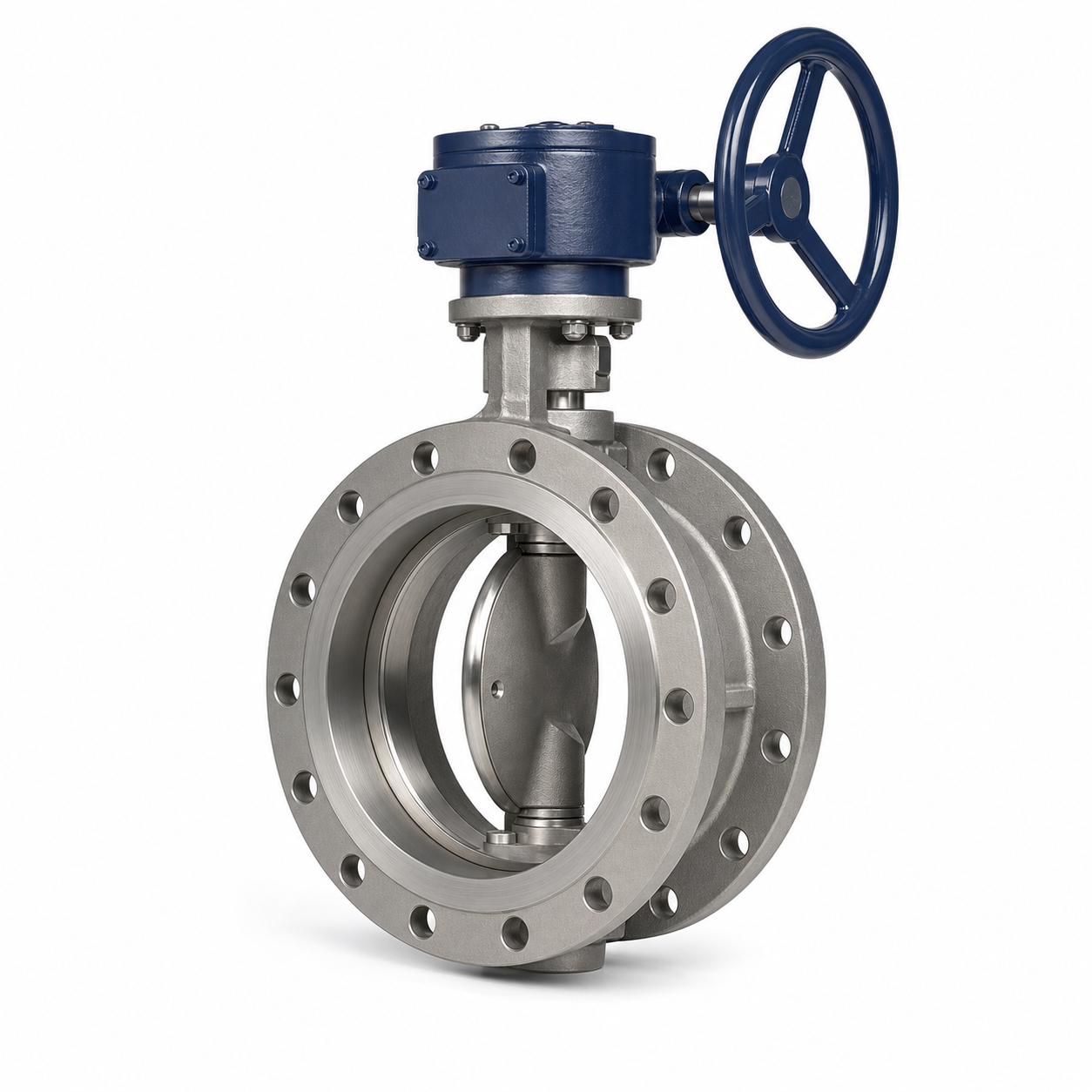
Hastelloy C276 Triple Offset Butterfly Valve
A premium severe-corrosion valve material for chemical, pollution-control and mixed-acid systems. The triple offset butterfly valve configuration is engineered for compact high-temperature or severe-service process isolation.
What is a Hastelloy C276 Triple Offset Butterfly Valve?
A Hastelloy C276 Triple Offset Butterfly Valve combines a nickel-chromium-molybdenum alloy with tungsten and low carbon/silicon, valued for broad resistance in many reducing and oxidizing chemical environments with a quarter-turn metal-seated design using three geometric offsets to reduce seat rubbing and support severe-service isolation.
C276 is selected from detailed chemical compatibility data, including concentration, temperature, oxidizers, reducers, chlorides and process contamination. Seat-stack design, pressure direction, leakage class, shaft loading, thermal cycling and actuator torque are configuration-specific.
Hastelloy C276 Triple Offset Butterfly Valve specifications
| Product | Hastelloy C276 Triple Offset Butterfly Valve |
|---|---|
| Valve construction | Triple-eccentric metal-seated butterfly valve in wafer, lug, double-flanged or butt-weld body pattern |
| Nominal material | Hastelloy C276 |
| UNS / EN reference | UNS N10276; EN 2.4819 |
| Product forms | Wrought/forged ASTM B564 or B462 UNS N10276 as applicable; cast body grade selected to ASTM A494 and project chemistry requirements |
| Design standards | API 609 and ASME B16.34; EN 593 option for applicable European projects |
| Pressure testing | API 598, EN 12266-1 or project-specified shell and seat testing |
| Pressure rating | ASME Class or PN rating verified against exact material, size, construction and design temperature |
| End connections | Wafer, lug, double-flanged or butt-weld body patterns according to design |
| Operation | Gearbox, pneumatic, electric or hydraulic actuator |
| Documentation | EN 10204 3.1 material records, pressure test report, GA drawing and project inspection records as ordered |
This is an engineered inquiry product, not a universal stock specification. Final availability depends on valve size, pressure class, material form, trim, seat system, operator, quantity and required code edition.
Hastelloy C276 material selection
| Selection point | Engineering guidance |
|---|---|
| Material profile | a nickel-chromium-molybdenum alloy with tungsten and low carbon/silicon, valued for broad resistance in many reducing and oxidizing chemical environments |
| Why it is selected | Broad chemical resistance and useful welded-fabrication performance in many aggressive media. |
| Typical service | Mixed acids, wet chlorine, pollution control, chemical waste treatment and aggressive process streams. |
| Limitations to check | No nickel alloy is universal. Strongly oxidizing hot media, molten salts and service-specific impurities require specialist review. |
| Specification route | Wrought/forged ASTM B564 or B462 UNS N10276 as applicable; cast body grade selected to ASTM A494 and project chemistry requirements |
| Verification | 100 percent PMI where specified, heat traceability, MTC chemistry review and strict material segregation for high-value alloy components. |
Triple Offset Butterfly Valve design and standards
API 609
Common design basis for butterfly valves; category, body pattern, seat design and edition must be identified.
ASME B16.34
Pressure-temperature and general valve design requirements where applicable.
API 598 / EN 12266-1
Shell and seat testing selected for the applicable project and market.
API 607 / ISO 10497
Fire-safe qualification applies only to the exact seat, seal and valve configuration.
Seal ring, seat stack, pressure direction, shaft/packing system, bearing loads and actuator safety factor must be reviewed as a complete package.
Fire-safe, fugitive-emission, sour-service, oxygen, cryogenic, chlorine and PED requirements apply only when explicitly defined and supported for the exact offered configuration.
Typical applications
| Industry | Material service context | Valve selection focus |
|---|---|---|
| Chemical processing | Mixed acids, reactor systems and corrosive transfer lines | Pressure direction, leakage class, metal-seat design, temperature, torque and fire-safe/emissions qualification |
| Pollution control | FGD, scrubber and acidic waste-treatment systems | Pressure direction, leakage class, metal-seat design, temperature, torque and fire-safe/emissions qualification |
| Pulp and paper | Selected bleaching and wet-chlorine environments | Pressure direction, leakage class, metal-seat design, temperature, torque and fire-safe/emissions qualification |
| Pharmaceutical and fine chemical | Aggressive reagent and multipurpose batch systems | Pressure direction, leakage class, metal-seat design, temperature, torque and fire-safe/emissions qualification |
Application examples are not a corrosion or design approval. The end user must verify process chemistry, contaminants, pressure, temperature, velocity, cycling, emissions and regulatory requirements.
Quality, testing and traceability
Heat-number traceability and EN 10204 3.1 records matched to the ordered component specifications.
100 percent PMI where specified, heat traceability, MTC chemistry review and strict material segregation for high-value alloy components.
API 598, EN 12266-1 or project-specified shell and seat testing, with acceptance and leakage criteria stated on the order.
GA drawing, dimensions, marking, operation, pressure test and specified NDE/third-party records.
RFQ checklist
- Valve design standard and required edition
- Nominal size and ASME Class or PN rating
- Exact material specifications for pressure boundary, trim, seats, packing and bolting
- Body pattern, face-to-face, pressure direction, leakage class, seal-ring design and actuation
- End connection, facing and face-to-face requirement
- Fluid composition, concentration, contaminants and solids
- Design and operating pressure/temperature
- PMI, corrosion testing, NDE, witnessing and document requirements
Frequently asked questions
Is Hastelloy C276 the same as UNS N10276?
UNS N10276 is the standardized alloy designation commonly marketed as Hastelloy C276. Purchase documents should identify the UNS number and governing product specification.
Why is PMI important for C276 valves?
C276 resembles other nickel alloys visually. PMI helps verify key alloying elements and prevents costly material mix-ups during manufacture and maintenance.
Can a cast valve body be specified simply as wrought N10276?
No. Wrought and cast products follow different specifications and may use different grade designations. The cast-body grade must be stated separately and reviewed for equivalent service performance.
What are the three offsets?
They separate the shaft from the seat and body centerlines and add a conical sealing geometry, allowing rapid seat disengagement during opening.
Is every triple offset butterfly valve bidirectional?
No. Some designs have a preferred pressure direction or different leakage capability by direction. Confirm the tested performance of the exact configuration.
Can Hastelloy C276 be used for every component in this triple offset butterfly valve?
Not automatically. Pressure-boundary, trim, stem or shaft, seating, packing, gasket and bolting materials have different mechanical and corrosion duties. The complete bill of materials must be engineered for the service.
Related Hastelloy C276 valve products
Need a broader comparison? View the general stainless steel and alloy butterfly valves guide or browse all Butterfly Valves.
Request a Hastelloy C276 Triple Offset Butterfly Valve quotation
Send the valve specification, exact material grades, size, pressure class, operating conditions, quantity and inspection requirements for technical review.