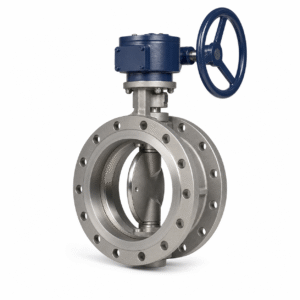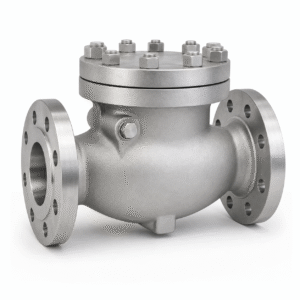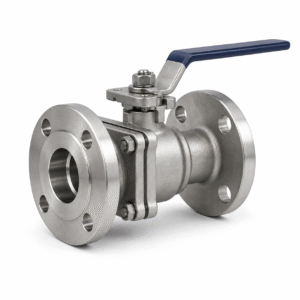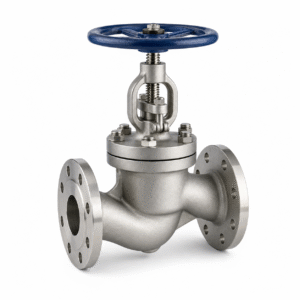
Description
Nickel-chromium-molybdenum-tungsten alloy industrial valve
Hastelloy C276 Wedge Gate Valve
A premium severe-corrosion valve material for chemical, pollution-control and mixed-acid systems. The wedge gate valve configuration is engineered for fully open or fully closed isolation with low open-position pressure loss.
What is a Hastelloy C276 Wedge Gate Valve?
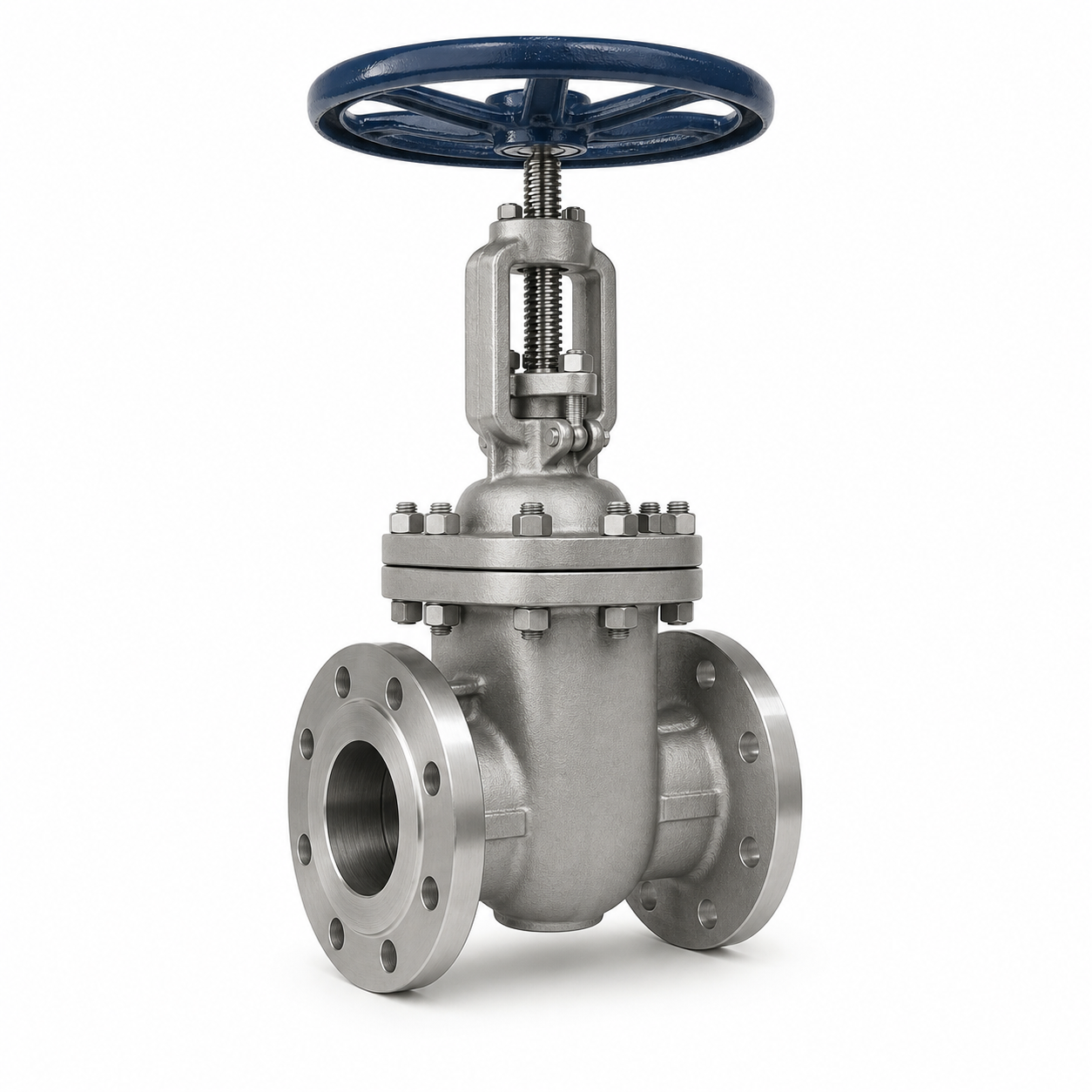
A Hastelloy C276 Wedge Gate Valve combines a nickel-chromium-molybdenum alloy with tungsten and low carbon/silicon, valued for broad resistance in many reducing and oxidizing chemical environments with a full-opening linear isolation design that raises a wedge out of a substantially straight flow path.
C276 is selected from detailed chemical compatibility data, including concentration, temperature, oxidizers, reducers, chlorides and process contamination. A wedge gate valve is not normally used for throttling because partial opening can produce vibration and seat or guide damage.
Hastelloy C276 Wedge Gate Valve specifications
| Product | Hastelloy C276 Wedge Gate Valve |
|---|---|
| Valve construction | Bolted-bonnet outside-screw-and-yoke rising-stem gate valve with flexible or solid wedge |
| Nominal material | Hastelloy C276 |
| UNS / EN reference | UNS N10276; EN 2.4819 |
| Product forms | Wrought/forged ASTM B564 or B462 UNS N10276 as applicable; cast body grade selected to ASTM A494 and project chemistry requirements |
| Design standards | API 600 and ASME B16.34; API 602 for applicable compact forged designs |
| Pressure testing | API 598 or project-specified shell, backseat and closure testing |
| Pressure rating | ASME Class or PN rating verified against exact material, size, construction and design temperature |
| End connections | RF/RTJ flanged or butt-weld ends according to design |
| Operation | Handwheel, gearbox, electric, pneumatic or hydraulic actuator |
| Documentation | EN 10204 3.1 material records, pressure test report, GA drawing and project inspection records as ordered |
This is an engineered inquiry product, not a universal stock specification. Final availability depends on valve size, pressure class, material form, trim, seat system, operator, quantity and required code edition.
Hastelloy C276 material selection
| Selection point | Engineering guidance |
|---|---|
| Material profile | a nickel-chromium-molybdenum alloy with tungsten and low carbon/silicon, valued for broad resistance in many reducing and oxidizing chemical environments |
| Why it is selected | Broad chemical resistance and useful welded-fabrication performance in many aggressive media. |
| Typical service | Mixed acids, wet chlorine, pollution control, chemical waste treatment and aggressive process streams. |
| Limitations to check | No nickel alloy is universal. Strongly oxidizing hot media, molten salts and service-specific impurities require specialist review. |
| Specification route | Wrought/forged ASTM B564 or B462 UNS N10276 as applicable; cast body grade selected to ASTM A494 and project chemistry requirements |
| Verification | 100 percent PMI where specified, heat traceability, MTC chemistry review and strict material segregation for high-value alloy components. |
Wedge Gate Valve design and standards
API 600
Common design basis for bolted-bonnet steel gate valves, including material, trim, testing and marking requirements.
ASME B16.34
General pressure-temperature and valve design requirements within scope.
API 598
Shell, backseat and closure pressure testing when specified.
API 624 / ISO 15848-1
Fugitive-emission qualification is specific to the packing system and qualified valve design.
Wedge flexibility, seat hardfacing, stem/packing system, body cavity drainage, thermal binding risk and operating thrust require service-specific review.
Fire-safe, fugitive-emission, sour-service, oxygen, cryogenic, chlorine and PED requirements apply only when explicitly defined and supported for the exact offered configuration.
Typical applications
| Industry | Material service context | Valve selection focus |
|---|---|---|
| Chemical processing | Mixed acids, reactor systems and corrosive transfer lines | Full-open isolation, wedge/seat materials, thermal effects, packing emissions and operator thrust |
| Pollution control | FGD, scrubber and acidic waste-treatment systems | Full-open isolation, wedge/seat materials, thermal effects, packing emissions and operator thrust |
| Pulp and paper | Selected bleaching and wet-chlorine environments | Full-open isolation, wedge/seat materials, thermal effects, packing emissions and operator thrust |
| Pharmaceutical and fine chemical | Aggressive reagent and multipurpose batch systems | Full-open isolation, wedge/seat materials, thermal effects, packing emissions and operator thrust |
Application examples are not a corrosion or design approval. The end user must verify process chemistry, contaminants, pressure, temperature, velocity, cycling, emissions and regulatory requirements.
Quality, testing and traceability
Heat-number traceability and EN 10204 3.1 records matched to the ordered component specifications.
100 percent PMI where specified, heat traceability, MTC chemistry review and strict material segregation for high-value alloy components.
API 598 or project-specified shell, backseat and closure testing, with acceptance and leakage criteria stated on the order.
GA drawing, dimensions, marking, operation, pressure test and specified NDE/third-party records.
RFQ checklist
- Valve design standard and required edition
- Nominal size and ASME Class or PN rating
- Exact material specifications for pressure boundary, trim, seats, packing and bolting
- Flexible or solid wedge, seat/hardfacing, stem arrangement, packing and operator requirements
- End connection, facing and face-to-face requirement
- Fluid composition, concentration, contaminants and solids
- Design and operating pressure/temperature
- PMI, corrosion testing, NDE, witnessing and document requirements
Frequently asked questions
Is Hastelloy C276 the same as UNS N10276?
UNS N10276 is the standardized alloy designation commonly marketed as Hastelloy C276. Purchase documents should identify the UNS number and governing product specification.
Why is PMI important for C276 valves?
C276 resembles other nickel alloys visually. PMI helps verify key alloying elements and prevents costly material mix-ups during manufacture and maintenance.
Can a cast valve body be specified simply as wrought N10276?
No. Wrought and cast products follow different specifications and may use different grade designations. The cast-body grade must be stated separately and reviewed for equivalent service performance.
Can a wedge gate valve be used for throttling?
Normally no. It is intended for fully open or fully closed service; extended partial opening can damage the wedge, seats and guides.
What is the difference between flexible and solid wedges?
A flexible wedge can accommodate limited alignment and thermal effects, while a solid wedge is more rigid. Selection follows the design and service conditions.
Can Hastelloy C276 be used for every component in this wedge gate valve?
Not automatically. Pressure-boundary, trim, stem or shaft, seating, packing, gasket and bolting materials have different mechanical and corrosion duties. The complete bill of materials must be engineered for the service.
Related Hastelloy C276 valve products
Need a broader comparison? View the general stainless steel and alloy gate valves guide or browse all Gate Valves.
Request a Hastelloy C276 Wedge Gate Valve quotation
Send the valve specification, exact material grades, size, pressure class, operating conditions, quantity and inspection requirements for technical review.