คำอธิบาย
Corrosion-resistant slip-on pipe flange
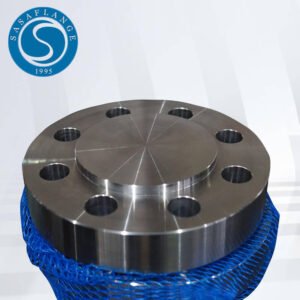
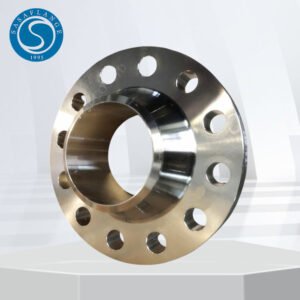
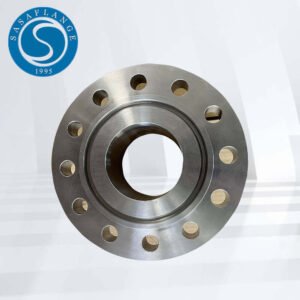
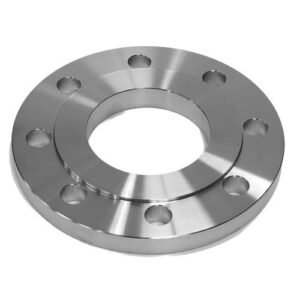
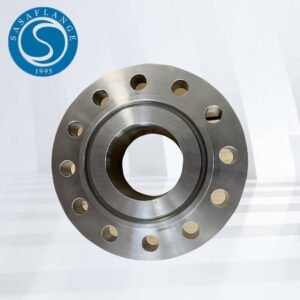
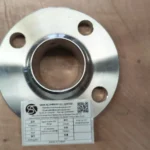
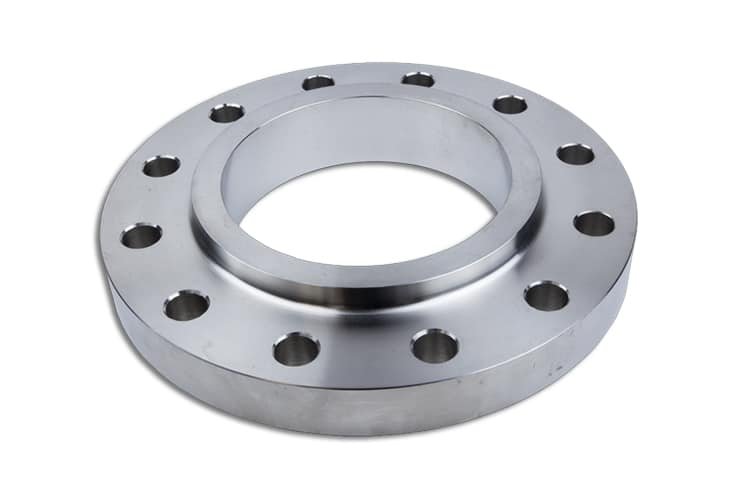
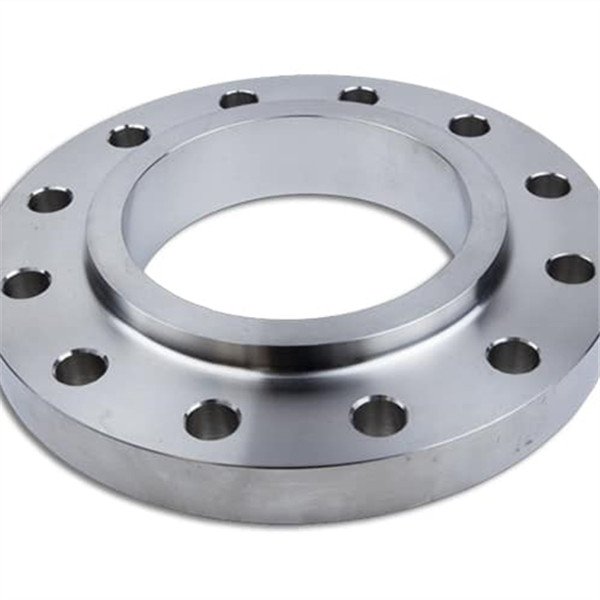
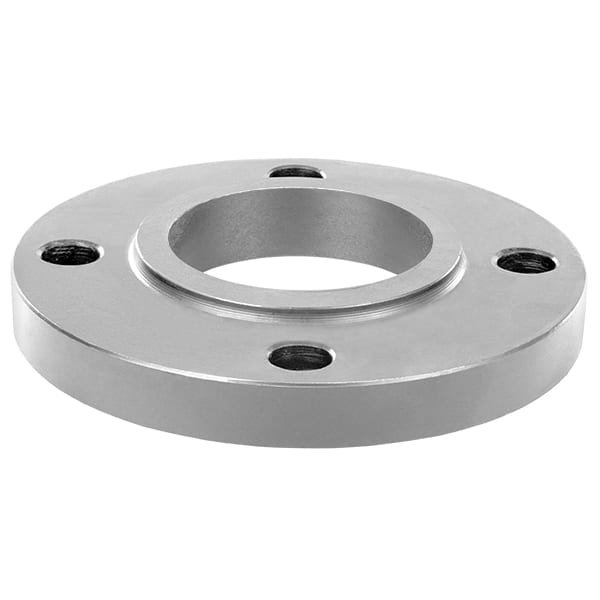
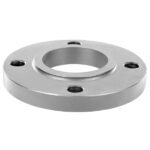
316L Slip On Raised Face Flange
A forged stainless steel SORF flange designed to slide over the pipe for straightforward alignment and double-fillet welding in moderate-duty industrial piping.
What is a 316L slip on raised face flange?
A 316L slip on raised face flange is a forged stainless steel flange with a bore slightly larger than the pipe outside diameter. The pipe is inserted through the flange and secured with fillet welds at the hub and inside face. The raised sealing face concentrates gasket load in a defined contact area.
ASTM A182 F316L combines low-carbon weldability with molybdenum-enhanced corrosion resistance. A slip-on configuration can simplify fit-up and reduce installation cost compared with a weld neck flange, but the piping designer should confirm that it is suitable for the operating pressure, อุณหภูมิ, cyclic loading and applicable code.
316L slip on raised face flange specifications
| ผลิตภัณฑ์ | Slip On Raised Face flange / หน้าแปลน SORF |
|---|---|
| วัสดุ ASTM | ASTM A182 F316L |
| การกำหนดวัสดุ | UNS S31603; อ้างอิงโยงโดยทั่วไปกับ EN 1.4404 / X2CrNiMo17-12-2 |
| North American standard | ASME B16.5 |
| European option | EN 1092-1 พิมพ์ 12 hubbed slip-on flange, supplied to the ordered material and project specification |
| ขนาดที่กำหนด | ASME: กรมอุทยานฯ 1/2–24; EN: DN15–DN600; project sizes subject to dimensional review |
| ระดับความดัน | ASME Class 150–1500 within the type and size limits of the standard; EN PN6–PN100 |
| Facing | เงยหน้าขึ้น (รฟ) with serrated or project-specified gasket surface finish |
| Pipe fit and welding | Bore sized for pipe insertion; typically secured by inside and outside fillet welds per approved procedure |
| เอกสารการตรวจสอบ | EN 10204 3.1 ใบรับรองวัสดุ, รายงานมิติ, PMI report and additional testing as ordered |
Slip-on flange use, ระดับความดันอุณหภูมิ, weld detail and material selection must follow the governing piping code, flange standard and project specification.
North American and European supply options
For North American projects
ระบุ ASTM A182 F316L, ASME B16.5 nominal size and class, pipe OD, raised-face finish and inspection requirements. A typical RFQ line might read: 3 in Class 150 ซอร์ฟ, ASTM A182 F316L.
For European projects
Specify EN 1092-1 พิมพ์ 12, DN and PN rating, ใบหน้าปิดผนึก, pipe dimensions and material designation such as EN 1.4404, together with the required inspection document.
316L SORF vs 316L WNRF flange
| จุดคัดเลือก | Slip On Raised Face (ซอร์ฟ) | Weld Neck Raised Face (WNRF) |
|---|---|---|
| Pipe connection | Pipe inserts through the bore and is fillet welded | Butt-welded to a tapered hub |
| การจัดตำแหน่ง | Easy positional adjustment before welding | Requires accurate bore and weld-end alignment |
| Stress distribution | Suitable for approved moderate-duty service | Tapered hub provides smoother stress transition |
| การเลือกโดยทั่วไป | น้ำ, utility and general process systems | High-integrity, severe cyclic or higher-pressure service |
การใช้งานทั่วไป
| อุตสาหกรรม | บริการทั่วไป | Why this flange is selected |
|---|---|---|
| การบำบัดน้ำ | Pump lines, filtration skids and treated-water systems | Corrosion resistance with straightforward field alignment |
| การแปรรูปทางเคมี | Selected process auxiliaries and dosing systems | F316L material for many corrosive media under approved design conditions |
| Food and pharmaceutical | Clean utilities and equipment connections | Low-carbon stainless construction and cleanable surface |
| HVAC and industrial utilities | Cooling water, compressed air and plant services | Economical installation for suitable pressure and temperature |
| Marine auxiliaries | Utility piping and selected equipment connections | Improved chloride resistance compared with 304L in many environments |
การผลิต, การตรวจสอบและเอกสาร
SASA FLANGE supplies 316L slip on raised face flanges with heat-number identification and controlled machining of the bore, รูปแบบสายฟ้า, thickness and sealing face. การตรวจสอบวัสดุ, dimensional inspection and export documentation are arranged to the purchase order.
รีวิวเอ็มทีซี, heat-number control and PMI when specified.
ของ, ความหนา, ฮับ, เบื่อ, วงกลมสายฟ้า, holes and facing.
ปตท, ยูทาห์, hardness or third-party inspection as ordered.
EN 10204 3.1 certificate and inspection records per purchase order.
Information required for a fast quotation
- Standard and edition
- เกรดวัสดุ
- ขนาดที่กำหนด / ดีเอ็น
- Class or PN rating
- Pipe dimensions or schedule
- Facing and surface finish
- ปริมาณ
- Inspection and certification
คำถามที่พบบ่อย
What does SORF mean?
SORF means Slip On Raised Face. The flange slides over the pipe, is normally secured by fillet welds, and has a raised gasket seating surface.
What material is used for a 316L slip-on flange?
Forged stainless steel slip-on flanges are commonly ordered as ASTM A182 F316L, UNS S31603. EN 1.4404 is commonly specified for comparable European 316L applications.
Which ASME sizes and classes are available?
ASME B16.5 covers pipe flanges through NPS 24. Slip-on raised face flanges are commonly supplied in Class 150 ผ่าน 1500 where the flange type and size are defined by the standard.
How is a slip-on flange welded?
The pipe is inserted through the flange and positioned short of the gasket face. Inside and outside fillet welds are typically applied using an approved welding procedure and the project-specified fit-up detail.
When should a weld neck flange be selected instead?
A weld neck flange is often preferred for severe cyclic loading, high-integrity joints and more demanding pressure-temperature service because its tapered hub and butt weld provide a smoother stress transition. Final selection belongs to the piping designer.
Which certificates can be supplied?
เอกสารทั่วไปประกอบด้วย EN 10204 3.1 ใบรับรองวัสดุ, heat-number traceability and dimensional inspection report. PMI and third-party inspection can be arranged when ordered.
Request a 316L SORF flange quotation
Send your nominal size, class or PN rating, pipe dimensions, หันหน้าไปทางจบ, ข้อกำหนดด้านปริมาณและการตรวจสอบ. SASA FLANGE will verify the specification before quotation.