
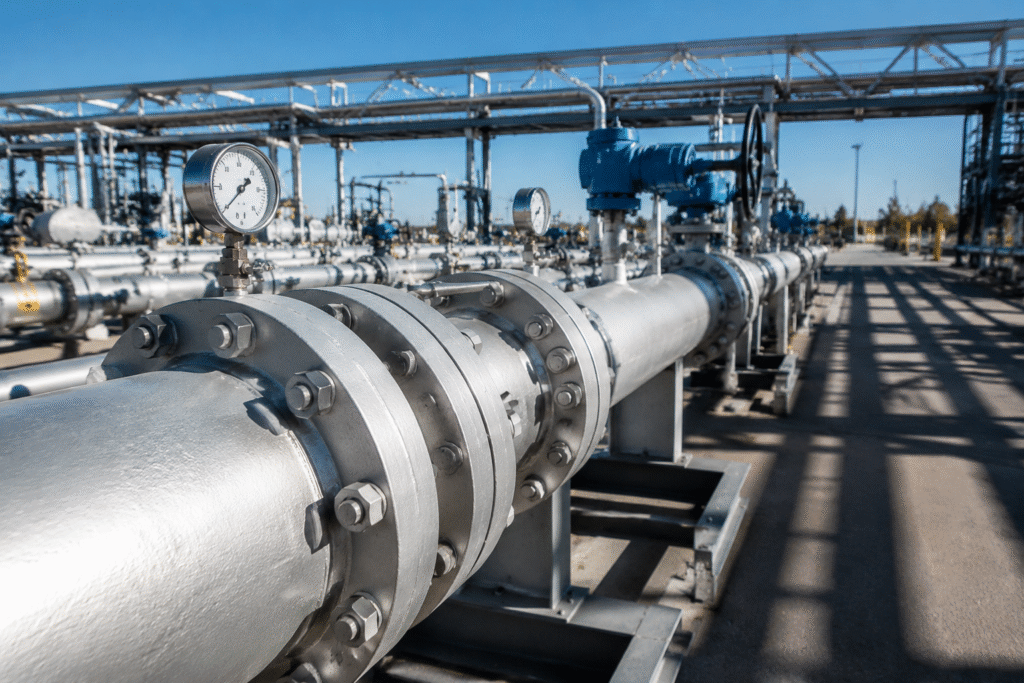
تعريف شفة الفوهة, التفاصيل ونظرة عامة على الشفاه ASME B16.36: بيانات السوق, دليل الاختيار ورؤى الامتثال
تم تقييم سوق الفلنجات الصناعية العالمية بـ $5.8 مليار في 2023 ومن المتوقع أن يصل $7.2 مليار بواسطة 2030, وفقا لأبحاث جراند فيو (2024). في هذا السوق المتوسع, ال شفة الفتحة يبقى عنصرا حاسما لقياس تدفق الضغط التفاضلي, وخاصة في النفط, غاز, كيميائية, وأنظمة أنابيب الطاقة.
المهندسين يبحثون عن التعريف, تفاصيل, فتحة, ASME, ب16.36, الشفاه, هم, ب16.36.pdf, أنسي, فتحة, الشفاه, نظرة عامة عادة ما تحتاج إلى أكثر من مسرد أساسي. إنهم بحاجة إلى عملية, دليل قائم على المعايير يربط التصميم, مواد, أبعاد, تثبيت, وقرارات الشراء.
توفر هذه المقالة تلك النظرة العامة مع التركيز الفني للمهندسين والمشترين. كما يشرح كيف يمكن للشركات المصنعة مثل SASA FLANGE دعم المشاريع الصعبة مع ISO 9001:2015 والإنتاج المعتمد PED 2014/68/EU.
الطلب الصناعي على أنظمة شفة الفتحة في شبكات الأنابيب الحديثة
بحسب موقع ستاتيستا (2024), تمثل صناعة النفط والغاز ما يقرب من 35% من استهلاك شفة العالمية. لذلك, المكونات المصممة للاستفادة من الضغط بشكل موثوق وقياس التدفق المتكرر لها أهمية قوية في المنبع, منتصف الطريق, وتطبيقات التكرير.
بحسب موقع IBISWorld (2024), حسابات آسيا والمحيط الهادئ لأكثر من 45% من إنتاج شفة العالمية, مع كون الصين أكبر منتج. نتيجة ل, تقوم فرق المشتريات بشكل متزايد بمقارنة المهلة الزمنية, دقة الآلات, إمكانية التتبع, والقدرة على الاختبار عند تحديد المصادر المتخصصة ASME B16.36 الشفاه.
An orifice flange is a specialty flange assembly designed to hold an orifice plate and provide pressure tappings for differential pressure measurement. في الممارسة العملية, they simplify installation because they eliminate the need for separate tapping points on the pipe wall.
The core design logic is straightforward. A restriction element, usually an orifice plate, creates a pressure drop, and paired pressure taps measure the differential pressure across that restriction.
That pressure signal then supports flow calculation when combined with instrumentation and calibrated equations. This is why orifice flange assemblies remain common in process plants that prioritize robust, standardized measurement hardware.
ASME B16.36 defines the dimensional and tolerancing framework for many of these products, while related requirements often reference ASME B16.5, ASME B1.20.1, ومعايير المواد ASTM المعمول بها. علاوة على ذلك, مواصفات المشروع قد تضيف API, NACE, DIN, أو متطلبات EN اعتمادًا على الجغرافيا وظروف الخدمة.
لمحترفي المشتريات, لا تقتصر المشكلة على تعريف ORIFICE FLANGES فقط. القلق الحقيقي هو ما إذا كانوا يلبون فئة الضغط, التوافق المادي, تكوين التنصت, نوع المواجهة, مستوى التفتيش, واحتياجات التوثيق.
وهنا تكمن أهمية كفاءة التصنيع. مدعومة بتصنيع CNC المتقدم واختبار الجودة الشامل, SASA FLANGE إمدادات الفولاذ المقاوم للصدأ, الصلب الكربوني, سبيكة, دوبلكس, سبائك النيكل, والشفاه التيتانيوم للخدمات الصناعية.
مع الإنتاج في درجات مثل 304, 316, 316ل, 904ل, 2205, 2507, أ105, أ182, إنكونيل, مونيل, هاستيلوي, والتيتانيوم, تدعم الشركة مشاريع في مجال النفط & الغاز, البتروكيماويات, توليد الطاقة, بناء السفن & البحرية, معالجة المياه, والبناء. بالإضافة إلى ذلك, يمكن للمشترين مراجعة القدرة التصنيعية الأوسع من خلال SASA FLANGE معلومات الشركة.
بحسب معلومات موردور (2024), تستمر استثمارات أتمتة العمليات في الارتفاع عبر الطاقة والمواد الكيميائية, تعزيز الطلب على أجهزة قياس التدفق التي يمكن الاعتماد عليها. بالتالي, التفاصيل وراء أبعاد شفة الفتحة, التنصت التوجه, وتؤثر طريقة التجميع الآن على كل من موثوقية القياس وتكلفة دورة الحياة الإجمالية.
تعريف شفة الفوهة, التفاصيل والتصميم الفني تحت ASME B16.36
التعريف الفني القياسي دقيق. عادةً ما يتم تركيب فلنجات الفتحة في أزواج ويتم تشكيلها باستخدام نقرات ضغط شعاعية حتى يتمكن المشغلون من توصيل أجهزة الإرسال أو المقاييس مباشرة بمجموعة الفلنجة.
تشتمل معظم التصميمات أيضًا على براغي جاك. هذه تسمح بفصل شفة آمنة أثناء الصيانة, مما يجعل فحص لوحة الفتحة أو استبدالها أسهل بكثير.
مثل جون كارتر, مهندس الأنابيب الأول, الدول: “يعمل زوج شفة الفتحة المُشكل بشكل صحيح على تقليل تباين المجال نظرًا لأنه يتم التحكم في هندسة التنصت عند الحافة بدلاً من الارتجال في الخط.” وتتوافق هذه الملاحظة مع الممارسة الميدانية الشائعة في مصافي التكرير ومرافق معالجة الغاز.
من وجهة نظر البناء, الأشكال الأكثر شيوعًا تشبه رقبة اللحام, الانزلاق على, أو الشفاه مترابطة, ولكنها تتضمن ميزات تصنيع إضافية. تشتمل هذه عادةً على فتحتين لصنبور الضغط ومنافذ التنصت الملولبة, غالباً 1/2 بوصة معاهدة حظر الانتشار النووي, وفقا ل ASME B1.20.1 متطلبات الموضوع.
تلاحظ ASME أن اتساق الأبعاد أمر ضروري عندما تكون قابلية تكرار القياس مهمة (ASME, 2023). لذلك, يجب على المشترين التحقق ليس فقط من الحجم الاسمي والفئة, ولكن أيضا التنصت على الحجم, التنصت على اتجاه خط الوسط, وتفاصيل المواجهة.
في معظم المشاريع الصناعية, تحدد متغيرات التصميم التالية الملاءمة:
- حجم الأنبوب الاسمي والتوافق مع الجدول الزمني
- فئة الضغط مثل الطبقة 300, 600, 900, 1500, أو 2500
- نوع شفة بما في ذلك الرقبة اللحام, الانزلاق على, أو مترابطة
- نوع المواجهة مثل Raised Face أو RTJ
- درجة المواد على أساس التآكل, ضغط, ودرجة الحرارة
- التنصت على تفاصيل اتصال الخيط والأداة
- كمية المسمار جاك وتحديد المواقع
- متطلبات التفتيش وإصدار الشهادات مثل EN 10204 3.1
وفقا لأبحاث السوق في المستقبل (2024), يتزايد الطلب على الأجهزة الصناعية بما يتماشى مع أهداف كفاءة العمليات وبرامج مراقبة الانبعاثات. نتيجة ل, يتوقع المزيد من المستخدمين النهائيين أن تتكامل مجموعات الفلنجة بشكل نظيف مع أجهزة الإرسال الحديثة وأنظمة المراقبة الرقمية.
مجموعة شفة الفتحة ليست مجرد عنصر حدود للضغط. It is also a measurement interface, and that dual role makes machining quality especially important.
على سبيل المثال, poor concentricity or inaccurate tapping locations can affect measurement repeatability. على نفس المنوال, incorrect facing finish or gasket selection can lead to leakage, maintenance downtime, or unstable readings.
كما د. Emily Huang, Materials and Flow Systems Specialist, الدول: “In corrosive and high-pressure service, flange material selection is inseparable from metering performance because corrosion at the bore or tapping points can shift accuracy over time.” That is particularly relevant in sour service, بيئات الكلوريد, والأنظمة البحرية.
Common material selections include the following:
- ASTM A105 for general carbon steel service
- ASTM A182 F304 and F316 for corrosion-resistant process systems
- ASTM A182 F316L for improved weldability and lower carbon exposure
- دوبلكس 2205 والسوبر دوبلكس 2507 for chloride and seawater resistance
- 904L للبيئات الكيميائية العدوانية
- سبائك النيكل مثل الانكونيل, مونيل, وHastelloy للتآكل الشديد وظروف درجة الحرارة
وفقا لتوجيهات NACE, يظل توافق المواد عاملاً رئيسياً في التطبيقات الحامضة والمسببة للتآكل (NACE, 2023). لذلك, وينبغي للمشترين في مشاريع النفط والغاز مراجعة NACE MR0175 أو ISO 15156 المتطلبات حيثما ينطبق ذلك.
توفر الشركات المصنعة ذات القدرة الواسعة في مجال التصنيع والتعدين ميزة واضحة هنا. SASA FLANGE تقوم بتصنيع الشفاه بدرجات ممتازة من 1/2 بوصة ل 60 بوصة, ويدعم التنصت على الضغط المخصص, تواجه, ومتطلبات التفتيش للمشاريع الدولية.
عند مراجعة ملف B16.36.pdf أو رسم مشروع ANSI, يجب على المهندسين أيضًا التأكد مما إذا كان التجميع يتضمن لوحة الفتحة أم زوج الحافة فقط. في العديد من طلبات الأسعار, يؤدي غموض النطاق إلى تأخيرات يمكن تجنبها أثناء الشراء والتركيب.
لهذا السبب, يجب أن تشير أوراق البيانات الفنية بوضوح:
- ما إذا كان الطلب يتضمن زوج شفة فقط أو مجموعة شفة فتحة كاملة
- مادة اللوحة, سماكة, and bore details if included
- Gasket type and bolting scope
- Pressure tapping thread standard and plug requirements
- Required hydrostatic, مؤشر مديري المشتريات, صلابة, or NDE testing
- وضع العلامات, إمكانية التتبع, وحزمة الشهادات
ASME B16.36, ASTM Materials and Global Compliance Requirements for Orifice Flanges
ASME B16.36 is the primary standard for orifice flanges, بينما ASME B16.5 often governs dimensions for related flange geometry. فضلاً عن ذلك, ASME B1.20.1 applies where NPT tapping threads are specified.
ASTM standards define the material framework. على سبيل المثال, ASTM A105 covers forged carbon steel flanges, و ASTM A182 covers forged alloy and stainless steel grades widely used in process piping.
European and international projects may also reference DIN, EN 1092, بيد 2014/68/الاتحاد الأوروبي, و م 2000. لذلك, export manufacturers must understand not only ASME and ANSI expectations, but also documentary and conformity requirements for multiple regions.
The following standards appear frequently in orifice flange procurement packages:
- ASME B16.36 for orifice flange dimensions and tolerances
- ASME B16.5 لفلنجات الأنابيب والتجهيزات ذات الحواف
- ASME B1.20.1 for NPT thread dimensions and gaging
- ASME B16.47 for larger diameter flange systems where applicable
- ASTM A105 و ASTM A182 لتزوير المواد
- EN 1092 for European flange requirements in selected projects
- PED 2014/68/EU for pressure equipment compliance in the EU
- NACE MR0175 أو ISO 15156 for sour service materials
من الناحية العملية, compliance means more than stamping a standard number on the flange rim. It requires documented control of raw materials, تزوير, المعالجة الحرارية, بالقطع, تقتيش, إمكانية التتبع, and final release.
وفقا للايزو, quality management systems improve process consistency and corrective action discipline (ISO, 2023). This is one reason ISO 9001:2015 certification remains important for critical piping supply chains.
لفرق المشتريات, a compliant orifice flange package should usually include:
- شهادات اختبار المواد ل EN 10204 3.1
- تقارير فحص الأبعاد
- Pressure class and marking verification
- PMI reports for alloy and stainless grades when required
- Hydrostatic or supplementary test records if specified
- PED أو الوثائق التنظيمية الأخرى لمشاريع التصدير
بحسب DNV (2024), تعد جودة الوثائق مشكلة متكررة في عمليات تدقيق المشتريات الصناعية الدولية. نتيجة ل, تعمل الشركات المصنعة التي توفر سجلات يمكن تتبعها على تقليل مخاطر المشروع وتسريع دورات الموافقة.
وهذا مهم بشكل خاص في القطاعات المنظمة مثل الخارج, البتروكيماويات, وتوليد الطاقة. يمكن للشفة الصحيحة الأبعاد ولكن الموثقة بشكل سيئ أن تؤخر التشغيل.
مع ISO 9001:2015, بيد 2014/68/الاتحاد الأوروبي, و م 2000 الشهادات, SASA FLANGE يدعم العملاء الذين يحتاجون إلى المطابقة الفنية والوثائق الجاهزة للتصدير. بالإضافة إلى, تغطي مجموعة منتجاتها الشفاه المصنوعة من الفولاذ المقاوم للصدأ, الشفاه من الصلب الكربوني, الشفاه سبيكة, وتجهيزات الأنابيب لتوريد الحزمة المتكاملة.
من منظور المواصفات, يجب على المهندسين التمييز بين تصميمات الوجه المرتفع وتصميمات RTJ. يناسب الوجه المرتفع العديد من الواجبات الصناعية العامة, بينما يُفضل RTJ غالبًا للضغط العالي وأداء الختم الأكثر تطلبًا.
The standards comparison below helps simplify selection:
- وجه مرفوع: common in process plants, broad gasket availability, simpler maintenance
- آر تي جيه: stronger metal-to-metal style sealing interface for severe pressure service
- شفة فتحة عنق اللحام: يفضل لارتفاع الضغط, cyclic, أو خدمة حرجة
- Slip On Orifice Flange: used where economy and lower pressure dominate
- Threaded Orifice Flange: useful where welding is undesirable in smaller sizes
Engineers should always check project specifications before substituting flange type. Even when dimensions appear similar, service category and piping code requirements may prohibit informal substitution.
How to Select Orifice Flanges for Oil and Gas, كيميائي, تطبيقات الطاقة والبحرية
Application-specific selection is where many RFQs become more complex. The same nominal size may require a different material, تواجه, or tapping arrangement depending on the medium, ضغط, درجة حرارة, وفلسفة الصيانة.
في أنظمة النفط والغاز, corrosion resistance and pressure class are usually the first screening criteria. بحسب موقع ستاتيستا (2024), ويستهلك هذا القطاع حوالي 35% من الشفاه العالمية, so proven configurations dominate engineering specifications.
لخدمة المنبع والوسط, غالبًا ما يحدد المشترون ASTM A105, ASTM A182 F316/F316L, دوبلكس 2205, or Super Duplex 2507 depending on pressure and fluid chemistry. في الخدمة الحامضة, NACE compliance becomes essential, and documentation must be checked carefully.
For chemical processing, alloy selection often drives lifecycle value more than purchase price. كلوريدات, الأحماض, and oxidizing media can quickly punish under-specified materials, especially around tapping points and gasket seating areas.
لتوليد الطاقة, thermal cycling and reliability matter. لذلك, weld neck designs, controlled bore finish, and strong dimensional consistency are often preferred for long-term plant performance.
For marine and shipbuilding systems, salt exposure changes the selection logic. Duplex stainless steel and corrosion-resistant alloys often provide the best balance between strength and seawater durability.
The following checklist supports practical selection:
- Confirm fluid type, الملف الشخصي للتآكل, and impurity content
- Define design pressure, درجة حرارة, and piping code basis
- Select flange type based on service severity and maintenance needs
- Choose Raised Face or RTJ based on sealing requirement
- Specify tapping size, توجيه, and thread standard
- Verify whether jack screws are supplied and how they are positioned
- Clarify if the scope includes the orifice plate, الحشيات, البراغي, and plugs
- طلب EN 10204 3.1, مؤشر مديري المشتريات, and NDE where applicable
Installation quality is equally important. Even the best-machined orifice flange can underperform if the plate is misaligned, the upstream straight run is insufficient, or the instrument impulse lines are poorly configured.
مثل مايكل توريس, Flow Measurement Consultant, الدول: “معظم المشاكل الميدانية المتعلقة بأنظمة الفتحات تأتي من اختصارات التثبيت, ليس من مفهوم الشفة الأساسي.” ولهذا السبب يجب على الفرق الهندسية التعامل مع انضباط التجميع كجزء من تصميم القياس.
تشمل مخاوف التثبيت الشائعة:
- اتجاه التدفق الصحيح واتجاه شطبة اللوحة
- أطوال مستقيمة كافية في المنبع والمصب
- التوجيه السليم لخط الإرسال وإدارة المكثفات
- تشديد الترباس الموحد وضغط الحشية
- تنظيف منافذ التنصت دون نتوءات أو تلوث
التصنيع المخصص مهم أيضًا في أعمال التحديث. قد تتطلب النباتات القديمة مواقف التنصت غير القياسية, التشطيبات الخاصة, مكبات مطابقة, أو معايير مختلطة بين واجهات ASME وDIN.
وهذا هو المكان الذي يمكن أن يوفر فيه الدعم المباشر من المصنع الوقت الهندسي. SASA FLANGE يقدم أحجام مخصصة من 1/2 بوصة ل 60 بوصة بأسعار تنافسية من المصنع مباشرة, ويخدم العملاء في أكثر من 50 الدول عبر النفط & الغاز, البتروكيماويات, قوة, والصناعات البحرية.
Buyers sourcing full line packages can also review product scope through SASA FLANGE منتجات. This helps EPC contractors consolidate flanges and pipe fittings such as elbows, المحملات, مخفضات, and caps under one qualified supplier.
النظرة المستقبلية, Procurement Strategy and Practical Recommendations for Orifice Flange Buyers
The market outlook for industrial flanges remains positive. وفقا لأبحاث جراند فيو (2024), the sector is expected to grow from $5.8 مليار في 2023 ل $7.2 مليار بواسطة 2030, مدعومة بالطاقة, process manufacturing, and infrastructure spending.
في نفس الوقت, buyers face higher expectations for quality assurance, فترات زمنية أقصر, وتوافر المواد على نطاق أوسع. لذلك, supplier evaluation now extends beyond unit price to include documentation performance, CNC capability, test capacity, والامتثال للتصدير.
Several trends are shaping procurement decisions for orifice flange assemblies:
- Higher demand for duplex and nickel alloy materials in corrosive service
- More traceability requirements from EPCs and end users
- تفضيل أكبر للموردين ذوي الفلنجة المتكاملة والقدرة على التركيب
- استمرار الطلب على ASME, بيد, وحزم الوثائق EN
- تركيز أقوى على تكلفة دورة الحياة بدلاً من التكلفة الأولية المنخفضة
وفقا لتحليل ماكينزي للمشتريات الصناعية (2024), تكافئ برامج التوريد الإستراتيجية بشكل متزايد الموردين الذين يقللون من مخاطر الجدول الزمني وهروب الجودة. في حزم الأنابيب, والتي عادة ما تفضل الشركات المصنعة ذات أنظمة الجودة المستقرة والاتصالات التقنية القوية.
للمهندسين, التوصية العملية بسيطة. تحديد النطاق بوضوح, الرجوع إلى المعايير الحاكمة على وجه التحديد, وطلب جميع متطلبات الفحص والمستندات في طلب عرض الأسعار.
لمديري المشتريات, يجب أن يأخذ اختيار المورد بعين الاعتبار أكثر من مجرد تزوير الحافة الأساسية. وينبغي أيضا تقييم دقة الآلات, جودة التنصت, توافر سبائك, موثوقية المهلة الزمنية, والاستجابة أثناء مراجعة الرسم.
في العديد من المشاريع, a technically complete quotation saves more money than the cheapest initial offer. That is especially true where shutdown windows are short and rework costs are high.
Manufacturers that combine standards knowledge with flexible production offer the strongest long-term value. For companies needing ASME B16.36 orifice flange support, customized materials, أو وثائق التصدير, discussing the project early with SASA FLANGE can simplify both technical review and procurement planning.
الأسئلة المتداولة
What is an orifice flange?
●An orifice flange is a specialty flange designed to hold an orifice plate and provide pressure tapping points for differential pressure flow measurement, and this category remains relevant in a market projected to reach $7.2 مليار بواسطة 2030 (جراند فيو للأبحاث, 2024).
●It is usually supplied in pairs with two tapped holes, غالباً 1/2 بوصة معاهدة حظر الانتشار النووي, and may include jack screws that help separate the flanges for plate inspection or replacement.
●للمشاريع التي تتطلب ASME B16.36 امتثال, buyers should confirm flange type, فصل, تواجه, tapping thread, and material certificates before ordering from established manufacturers like SASA FLANGE.
What is the purpose of the orifice?
●The purpose of the orifice is to create a controlled restriction that generates a measurable pressure drop, which instruments use to calculate flow rate in accordance with differential pressure principles recognized in process engineering practice.
●وفقا لأبحاث السوق في المستقبل (2024), process instrumentation demand is rising as plants pursue efficiency and monitoring improvements, which supports continued use of orifice-based flow systems.
●When specifying an orifice assembly, engineers should match plate design, flange tapping geometry, and installation layout to the process fluid and piping standard to achieve stable readings.
ما هي الأنواع الثلاثة من الشفاه?
●The three common orifice flange styles are weld neck, الانزلاق على, ومترابطة, مع ASME B16.36 commonly covering weld neck classes 300 ل 2500 and slip on or threaded versions in more limited ranges.
●Weld neck designs suit higher pressure and cyclic duty, slip on designs support more economical lower-pressure service, and threaded designs help where welding is restricted.
●Procurement teams should select the type based on pressure class, احتياجات الصيانة, and piping code requirements rather than on appearance alone.
What is the difference between orifice plate and orifice flange?
●The orifice plate is the flow-restricting measurement element, while the orifice flange is the piping connection component that holds the plate and provides pressure tapping access.
●In most assemblies, the plate creates the differential pressure signal and the flange pair provides the mechanical support, أسطح الختم, tapping ports, and maintenance access through features such as jack screws.
●To avoid RFQ confusion, buyers should clearly state whether they need only the flange pair or a complete assembly including plate, الحشيات, البراغي, والتوثيق.
How are orifice flange dimensions specified?
●Orifice flange dimensions are generally specified by nominal pipe size, فئة الضغط, نوع المواجهة, تتحمل, tapping size, and the governing standard, مع ASME B16.36 وما يتصل بها ASME B16.5 references being the most common basis.
●بحسب ASME (2023), dimensional consistency is essential where standardization and interchangeability affect system performance and maintenance planning.
●Engineers should review project drawings, flange schedules, and thread details carefully, especially when comparing ASME systems with DIN or EN project requirements.
What should buyers check before installing an orifice flange assembly?
●قبل التثبيت, buyers should verify material grade, class marking, tapping cleanliness, تواجه حالة, توافق الحشية, plate orientation, and certificate package including EN 10204 3.1 حيثما كان ذلك مطلوبا.
●بحسب DNV (2024), documentation and verification gaps remain a common cause of delay in international industrial supply chains, which makes pre-installation checks commercially important.
●For critical oil, غاز, كيميائية, or marine service, working with qualified suppliers that offer traceable quality systems and technical support helps reduce startup risk and rework.
الوظائف ذات الصلة
شفة الوجه النهاية: شرح متحدة المركز مقابل التسنينات الحلزونية
تعتبر كل من المسننات المركزة واللولبية عبارة عن تشطيبات وجه شفة مُشكَّلة آليًا…
دوبلكس 2205 مقابل الشفاه 316L: ما هي المواد التي يجب عليك اختيارها؟?
إجابة سريعة: دوبلكس 2205 الشفاه عادة ما تكون المرشح الأقوى…

دليل سوق شفة التخلص الأسود: مواد, 3.5″ التوافق, وبيانات مصادر B2B لحواف حوض المطبخ
يتزايد الطلب على شفة التخلص السوداء مع المشترين لتركيبات المطبخ…
دليل أنواع الفلنجات: 2024 بيانات, المعايير, وأفضل ممارسات الاختيار للأنابيب الصناعية
يستمر السوق العالمي لأنواع الفلنجات في التوسع…