
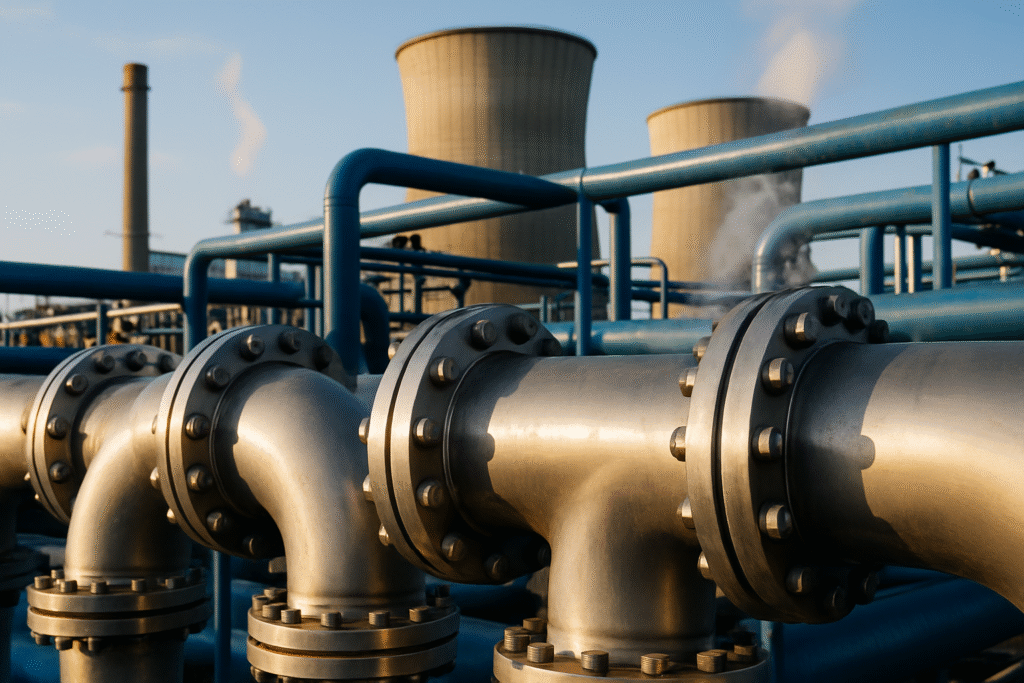
سوق شفة أنابيب الفولاذ المقاوم للصدأ 2025: المزايا الخفية, أنواع متميزة, الاستخدامات, وبيانات الاختيار
ال شفة أنابيب الفولاذ المقاوم للصدأ remains a critical component in modern process piping, خاصة مع ارتفاع متطلبات الموثوقية عبر النفط, غاز, ماء, ومشاريع الطاقة. وفقا لأبحاث جراند فيو (2024), تم تقييم سوق الفلنجات الصناعية العالمية بـ $5.8 مليار في 2023 ومن المتوقع أن يصل $7.2 مليار بواسطة 2030.
That growth reflects more than volume. It shows the hidden advantages of premium stainless solutions, including corrosion resistance, متانة, التحكم في تكلفة دورة الحياة, and broad versatility across aggressive service conditions.
Why the Stainless Steel Pipe Flange Market Keeps Expanding
Industrial buyers no longer evaluate flanges as simple connection hardware. They evaluate performance over years of pressure cycling, thermal loading, التعرض الكيميائي, and maintenance downtime.
بحسب موقع ستاتيستا (2024), تمثل صناعة النفط والغاز ما يقرب من 35% من استهلاك شفة العالمية. لذلك, materials that reduce leakage risk and unplanned shutdowns have become strategically important.
بحسب موقع IBISWorld (2024), حسابات آسيا والمحيط الهادئ لأكثر من 45% من إنتاج شفة العالمية, مع كون الصين أكبر منتج. نتيجة ل, فرق المشتريات تقارن بشكل متزايد ليس فقط السعر, ولكن أيضًا إمكانية التتبع, الامتثال للمعايير, and factory quality systems.
This shift favors manufacturers with certified systems and broad machining capabilities. مع ISO 9001:2015 وشهادات PED 2014/68/EU, SASA FLANGE supports buyers who need consistent documentation, دقة الأبعاد, and export-ready quality control.
من الناحية العملية, a stainless steel pipe flange offers several commercial benefits over lower-grade alternatives. It often delivers longer service life in chloride-bearing media, انخفاض وتيرة الصيانة, and better compatibility with hygienic or high-purity systems.
بحسب معلومات موردور (2024), global investment in downstream petrochemical and industrial processing infrastructure continues to support steady demand for corrosion-resistant piping components. علاوة على ذلك, replacement spending in mature plants is driving recurring flange purchases, خاصة في ASTM A182 F304/F304L and F316/F316L grades.
Engineers also prioritize joint integrity under changing pressure classes. ASME B16.5 و ASME B16.47 أبعاد شفة, facing tolerances, and pressure-temperature ratings remain central to safe piping design (ASME, 2023).
That is why specification language has become more precise. Buyers increasingly request ASTM material grades, EN 10204 3.1 شهادات التفتيش, اختبار مؤشر مديري المشتريات (PMI)., and heat number traceability before approving a supplier.
In contrast with commodity sourcing, premium projects demand complete manufacturing accountability. لهذا السبب, many EPC contractors prefer suppliers that can produce stainless, الصلب الكربوني, سبيكة, دوبلكس, سبائك النيكل, and titanium flanges under one quality system.
SASA FLANGE serves this requirement by manufacturing flanges in 304, 316, 316ل, 904ل, 2205, 2507, أ105, أ182, إنكونيل, مونيل, هاستيلوي, والتيتانيوم. بالإضافة إلى ذلك, the company supplies pipe fittings such as elbows, المحملات, مخفضات, and caps for integrated project purchasing.
لمديري المشتريات, this broader supply scope reduces coordination risk. It can also shorten purchasing cycles when projects require multiple materials, فئات الضغط, and standards such as ANSI, DIN, JIS, غوست, و إن 1092.
الدليل الفني لأنواع شفة أنابيب الفولاذ المقاوم للصدأ, الاستخدامات, and Premium Material Choices
The best stainless steel pipe flange specification depends on media chemistry, درجة حرارة, ضغط التصميم, بدل التآكل, وطريقة التصنيع. لكن, 304/304L and 316/316L still dominate general industrial demand because they balance cost, قابلية اللحام, وأداء التآكل.
وفقًا لـ ASTM والممارسات الصناعية الشائعة, 304/304L is widely selected for water, الغذاء الصف, and general chemical service, while 316/316L adds molybdenum for improved resistance to chlorides and more aggressive corrosive environments (ASTM, 2023). لذلك, 316/316L often becomes the preferred choice for marine, في الخارج, وأنظمة المعالجة الكيميائية.
مثل جون باترفيلد, a senior piping engineer, الدول: “Flange failures rarely start with dimensions alone; they start when the material grade does not match the corrosion mechanism of the service.” That point is especially relevant in chloride service, خدمة تعكر, and high-temperature cycling applications.
Stainless grades are not interchangeable in every duty. Buyers should match metallurgy to actual process conditions, not only to initial budget.
- 304/304ل: General-purpose stainless for moderate corrosion environments and good fabrication performance.
- 316/316ل: Improved pitting and crevice corrosion resistance in chloride-bearing applications.
- 904ل: Better resistance in strong reducing acids and selected severe chemical environments.
- 2205 دوبلكس: Higher strength and better chloride stress corrosion cracking resistance than standard austenitic grades.
- 2507 سوبر دوبلكس: Premium option for highly aggressive offshore, مياه البحر, and high-chloride service.
- التيتانيوم: Strong choice for seawater and highly corrosive media where weight and corrosion resistance matter.
Material selection also affects wall thickness transitions and welding procedures. على سبيل المثال, low-carbon L grades help reduce sensitization risk after welding, especially in fabricated systems that may later face corrosive process streams.
وفقا لأبحاث السوق في المستقبل (2024), demand for corrosion-resistant alloys in process industries is expected to outpace standard carbon steel categories in several high-growth applications. علاوة على ذلك, duplex and super duplex flanges are gaining share where operators need higher strength-to-weight performance.
Not all flange Types serve the same piping condition. Face type, bore geometry, and installation method directly influence sealing reliability and maintenance accessibility.
- شفة الرقبة الملحومة: Preferred for high-pressure and high-temperature service because the tapered hub reduces stress concentration.
- شفة الانزلاق: Often selected for moderate service where fabrication speed and lower installed cost matter.
- شفة عمياء: يستخدم لإغلاق نهايات الخطوط, فوهات السفن, أو نقاط التوسع المستقبلية.
- شفة لحام المقبس: Suitable for smaller bore high-pressure lines.
- شفة مترابطة: Used where welding is impractical or restricted.
- شفة اللفة المشتركة: مفيد للأنظمة التي تتطلب مرونة في التفكيك والمحاذاة بشكل متكرر.
وفق ASME B16.5 (2023), flange ratings from Class 150 إلى الفصل 2500 provide standardized pressure-temperature guidance. نتيجة ل, a correct class selection must consider not only operating pressure but also material group and service temperature.
كما د. ايلينا موريس, a materials scientist in corrosion engineering, الدول: “The hidden advantages of stainless are most visible over time, because durability, صيانة أقل, and reduced contamination often outweigh higher upfront cost.” This lifecycle view is increasingly shaping industrial procurement decisions.
Dimensional compatibility matters just as much as metallurgy. Common requests include 2 بوصة, 4 inch stainless steel pipe flange products, large-diameter ASME B16.47 pieces, and custom-drilled flanges for replacement work.
مدعومة بتصنيع CNC المتقدم واختبار الجودة الشامل, SASA FLANGE يقدم أحجام مخصصة من 1/2 بوصة ل 60 بوصة بأسعار تنافسية من المصنع مباشرة. بالإضافة إلى, the company supports RF, FF, آر تي جيه, and custom facing requirements for project-specific applications.
Procurement teams should also review these specification points before ordering:
- درجة المواد والشهادة المزدوجة, مثل 304/304L أو 316/316L.
- المعيار المطبق, مشتمل ASME B16.5, ASME B16.47, DIN, JIS, أو إن 1092-1.
- Pressure rating and service temperature.
- تواجه النوع, مثل الوجه المرفوع, وجه مسطح, أو نوع الحلقة المشتركة.
- نطاق الاختبار, بما في ذلك مؤشر مديري المشتريات, دعم الهيدروتست, صلابة, وفحص الأبعاد.
- Documentation requirements, مشتمل EN 10204 3.1 وتتبع الحرارة.
- Corrosion risks, وخاصة الكلوريدات, الأحماض, sour media, أو التعرض البحري.
These details influence performance, inspection acceptance, وإجمالي التكلفة المثبتة. في العديد من المشاريع, the right premium flange specification prevents expensive rework later.
ASME, ASTM, DIN, and EN Compliance Requirements for Industrial Flanges
Standards compliance separates dependable industrial supply from generic metal trading. For a stainless steel pipe flange, engineers usually begin with dimensional standards, then confirm material standards, فئة الضغط, ومتطلبات التفتيش.
The most common dimensional references are ASME B16.5 لمصادر القدرة النووية 1/2 خلال 24 و ASME B16.47 لأحجام أكبر. في المشاريع الأوروبية, EN 1092-1 يتم تحديده بشكل متكرر, while DIN legacy references still appear in maintenance and retrofit work.
المعايير المادية لها نفس القدر من الأهمية. ASTM A182 governs forged or rolled alloy and stainless steel pipe flanges and forged fittings for high-temperature service, بينما ASTM A240 covers stainless steel plate, ملزمة, وشريط لأوعية الضغط والتطبيقات العامة (ASTM, 2023).
For buyers comparing international projects, the following framework is useful:
- ASME B16.5: أبعاد, التسامح, تقييمات الضغط ودرجة الحرارة, علامات, and testing for common flanges.
- ASME B16.47: الشفاه الفولاذية ذات القطر الكبير.
- ASME B16.9: تجهيزات اللحام المطاوع المصنوعة في المصنع.
- ASTM A182: مواد شفة غير قابلة للصدأ وسبائك مزورة.
- EN 1092-1: European flange dimensions and PN rating system.
- DIN/JIS/GOST: Regional dimensional systems for specific installed bases.
- NACE MR0175/ISO 15156: Materials guidance for sour service environments.
According to NACE and ISO guidance, material compatibility in H2S-containing systems requires careful review of hardness, كيمياء, المعالجة الحرارية, والخطورة البيئية (NACE, 2023). لذلك, stainless selection in sour service must never rely on catalog descriptions alone.
Compliance also extends beyond dimensions and chemistry. بيد 2014/68/الاتحاد الأوروبي, شهادات الاختبار, and traceability records are often mandatory for exported pressure equipment packages.
For many European and international buyers, documented quality systems reduce approval time. مع ISO 9001:2015, بيد 2014/68/الاتحاد الأوروبي, و م 2000 الشهادات, SASA FLANGE aligns with the documentation expectations common in regulated industrial supply chains.
Inspection scope should be agreed before production starts. That usually includes raw material review, forging controls, machining inspection, marking verification, الشيكات الأبعاد, and final release documentation.
A practical compliance checklist often includes:
- Correct standard edition listed on PO and drawings.
- درجة المادة, رقم الحرارة, and traceability markings.
- Pressure class or PN rating verification.
- Facing finish and serration confirmation.
- EN 10204 3.1 or project-specific MTC requirements.
- مؤشر مديري المشتريات الاختياري, الفريت, صلابة, or NDE reports.
وفقًا لتوجيهات DNV للأنظمة الخارجية, documentation quality and traceability can be as important as material strength because verification supports long-term operational integrity (دنف, 2024). نتيجة ل, buyers should treat quality documents as part of the product, not as an afterthought.
For engineers managing mixed-standard projects, early technical clarification prevents expensive mismatch issues. Bolt circle differences, face dimensions, and drilling patterns can create installation failures even when nominal Pipe size appears identical.
That is why experienced manufacturers review drawings and standards before production release. Buyers can explore broader product options through SASA FLANGE قدرات المنتج when applications require both flange and fitting packages under one supplier.
How to Choose Stainless Steel Pipe Flanges for Oil, الغاز, كيميائي, قوة, والخدمة البحرية
Selection should start with operating data, لا راحة الكتالوج. تكوين وسائل الإعلام, كلوريدات, فئة الضغط, flow regime, and shutdown economics all affect the right stainless steel pipe flange choice.
في أنظمة النفط والغاز, خطر التآكل, ركوب الدراجات الضغط, and sour service conditions often drive stricter specifications. بحسب موقع ستاتيستا (2024), ويمثل هذا القطاع حوالي 35% من استهلاك شفة العالمية, so specification discipline remains high.
لخطوط المنبع والوسط, engineers frequently prefer weld neck Flanges in ASTM A182 F316/ل, دوبلكس 2205, أو سوبر دوبلكس 2507 depending on chloride level and pressure conditions. أين NACE MR0175 applies, metallurgy review becomes even more important.
في مصانع البتروكيماويات والكيماويات, media compatibility often determines whether 304/304L is sufficient or whether 316L, 904ل, هاستيلوي, or titanium is necessary. لذلك, corrosion data and process temperature should be reviewed together.
لتوليد الطاقة, thermal fatigue and pressure integrity matter more than simple atmospheric corrosion resistance. High-temperature applications may require alloy grades and carefully controlled forging quality, especially for critical steam or condensate systems.
Marine and shipbuilding projects create a different challenge. التعرض للمياه المالحة, مناطق الرش, and long maintenance intervals often push engineers toward 316L, 2205, 2507, or titanium depending on budget and design life.
Use this practical selection approach:
- زيت & الغاز: إعطاء الأولوية لفئة الضغط, مراجعة NACE, and leak-tight sealing performance.
- المعالجة الكيميائية: Match alloy to acid concentration, كلوريدات, ودرجة حرارة التشغيل.
- توليد الطاقة: Focus on temperature, مقاومة التعب, والامتثال للكود.
- البحرية: Select grades with proven seawater and chloride resistance.
- معالجة المياه: Balance corrosion resistance with lifecycle cost and hygienic requirements.
- Construction and Utilities: Consider standard availability, سرعة التثبيت, وإمكانية الوصول إلى الصيانة.
السعر لا يزال يهم, especially in large tenders. لكن, stainless steel pipe flange price should be evaluated against service life, عمالة الصيانة, production downtime, and replacement frequency.
مثل مايكل ترينت, an industrial procurement analyst, الدول: “The cheapest flange on day one can become the most expensive connection in the plant if documentation, علم المعادن, or machining quality is inconsistent.” That is why serious buyers compare total cost of ownership rather than unit price alone.
According to ISO-aligned procurement practices across process industries, approved vendors increasingly need consistent QC records and repeatable dimensional control (ISO, 2023). بالتالي, purchasing teams often shortlist factories with proven export experience and broad standards coverage.
SASA FLANGE supports custom manufacturing for standard and non-standard requirements, including stainless, الكربون, سبيكة, دوبلكس, and nickel alloy flanges. التقديم 50+ الدول عبر النفط & الغاز, البتروكيماويات, قوة, والصناعات البحرية, the company also supplies matching elbows, المحملات, مخفضات, and caps for coordinated sourcing.
When evaluating a supplier, buyers should ask:
- Can the manufacturer supply from 1/2 بوصة ل 60 بوصة?
- Can it meet ASME, DIN, JIS, غوست, و إن 1092 متطلبات?
- Can it provide EN 10204 3.1 certificates and PMI results?
- Can it machine special facings or custom drillings?
- Can it support urgent shutdown or replacement schedules?
These questions help separate a premium manufacturing partner from a simple reseller. In critical applications, that distinction directly affects project risk.
Future Outlook for Premium Stainless Flanges and Strategic Buying Recommendations
Demand for corrosion-resistant piping components is expected to stay firm as refinery upgrades, الاستثمار في الغاز الطبيعي المسال, توسيع البنية التحتية للمياه, and marine replacement cycles continue. وفقا لأبحاث جراند فيو (2024), the flange market is projected to grow from $5.8 مليار في 2023 ل $7.2 مليار بواسطة 2030.
That growth will likely favor suppliers with strong quality systems, وثائق التصدير, and material range. بالإضافة إلى ذلك, buyers are showing greater interest in duplex, سوبر دوبلكس, and nickel alloy options where hidden advantages justify higher upfront spend.
Procurement strategy should therefore combine technical review with supply-chain resilience. Buyers should lock down standards, نطاق التفتيش, مهلة, and traceability before purchase order release.
These actions improve purchasing outcomes:
- Standardize approved material grades for recurring service conditions.
- Specify ASME or EN dimensional standards clearly on RFQs.
- Request MTCs, مؤشر مديري المشتريات, وإمكانية التتبع للخطوط الحرجة.
- Evaluate total lifecycle cost, not only unit price.
- Use suppliers with integrated machining and testing capability.
In a market where durability, براعة, and compliance increasingly shape buying decisions, the right stainless steel pipe flange supplier becomes part of project risk management. For teams seeking premium materials, أحجام مخصصة, and certified export support, التواصل مع SASA FLANGE is a practical next step in sourcing with greater confidence.
الأسئلة المتداولة
ما هو رمز ASME للفلنجات المصنوعة من الفولاذ المقاوم للصدأ?
●The main ASME dimensional code for a stainless steel pipe flange is ASME B16.5 للأحجام من NPS 1/2 خلال 24, بينما ASME B16.47 covers larger diameter flanges.
●ASTM A182 is commonly used with ASME dimensions because it defines forged stainless and alloy material requirements for many industrial flange applications.
●For projects requiring verified compliance, العمل مع الشركات المصنعة القائمة مثل SASA FLANGE helps ensure correct dimensional standards, إمكانية تتبع المواد, و EN 10204 3.1 certification support.
ما هي الشفاه الفولاذ المقاوم للصدأ المستخدمة ل?
●تستخدم الشفاه المصنوعة من الفولاذ المقاوم للصدأ لتوصيل الأنابيب, الصمامات, مضخات, والمعدات في الأنظمة التي تتطلب مقاومة للتآكل, سلامة الضغط, وسهولة الوصول إلى الصيانة.
●بحسب موقع ستاتيستا (2024), ويمثل قطاع النفط والغاز حوالي 35% من استهلاك شفة العالمية, which shows how essential flanges are in critical industrial service.
●They are especially useful in chemical processing, البحرية, معالجة المياه, and hygienic systems where durability and leak-tight sealing matter over long operating periods.
ما هي الأنواع الثلاثة من الشفاه?
●The three most commonly referenced flange types in general industrial discussions are weld neck flanges, الشفاه الانزلاقية, والشفاه العمياء.
●Weld neck flanges suit high-pressure service, slip-on flanges simplify fabrication in moderate conditions, and blind flanges close line ends or future tie-in points.
●Selection should still follow ASME B16.5 rating rules and service conditions, especially when temperature, ضغط, or corrosive media could affect joint reliability.
أيهما أفضل 304 أو 420 الفولاذ المقاوم للصدأ?
●لمعظم تطبيقات شفة, 304 stainless is better than 420 because it offers stronger corrosion resistance and better weldability in process piping service.
●درجة 420 is a martensitic stainless more often associated with hardness and wear resistance, بينما 304 remains one of the most widely specified stainless materials for industrial flanges and fittings.
●Buyers should choose 304 or 316-series forged flange grades for most piping systems unless a specific hardness-driven application requires an alternative metallurgy.
ما هي العوامل التي تؤثر على سعر شفة أنابيب الفولاذ المقاوم للصدأ?
●يعتمد سعر شفة الأنابيب الفولاذية المقاومة للصدأ بشكل أساسي على درجة المواد, مقاس, فئة الضغط, ظروف سوق المواد الخام, تعقيد الآلات, ومتطلبات الاختبار.
●بحسب موقع IBISWorld (2024), حسابات آسيا والمحيط الهادئ لأكثر من 45% من إنتاج شفة العالمية, so regional manufacturing capacity and export logistics have a direct effect on pricing competitiveness.
●لمقارنة الاقتباسات بدقة, buyers should evaluate certification, نطاق التفتيش, مهلة, and lifecycle value rather than unit price alone.
How do I choose the right flange diameter and size?
●Flange diameter and size should match the pipe nominal size, جدول, فئة الضغط, نوع المواجهة, and applicable dimensional standard such as ASME B16.5 أو إن 1092-1.
●أ 4 شفة أنابيب الفولاذ المقاوم للصدأ بوصة, على سبيل المثال, can differ in outside diameter, دائرة الترباس, and bore details depending on class and standard, so nominal pipe size alone is not enough.
●For replacement and project-critical work, sharing drawings and operating data with a qualified manufacturer like SASA FLANGE reduces mismatch risk and speeds technical confirmation.
الوظائف ذات الصلة
شفة الوجه النهاية: شرح متحدة المركز مقابل التسنينات الحلزونية
تعتبر كل من المسننات المركزة واللولبية عبارة عن تشطيبات وجه شفة مُشكَّلة آليًا…
دوبلكس 2205 مقابل الشفاه 316L: ما هي المواد التي يجب عليك اختيارها؟?
إجابة سريعة: دوبلكس 2205 الشفاه عادة ما تكون المرشح الأقوى…

تعريف شفة الفوهة, التفاصيل ونظرة عامة على الشفاه ASME B16.36: بيانات السوق, دليل الاختيار ورؤى الامتثال
تم تقييم سوق الفلنجات الصناعية العالمية بـ $5.8 مليار…

دليل سوق شفة التخلص الأسود: مواد, 3.5″ التوافق, وبيانات مصادر B2B لحواف حوض المطبخ
يتزايد الطلب على شفة التخلص السوداء مع المشترين لتركيبات المطبخ…