
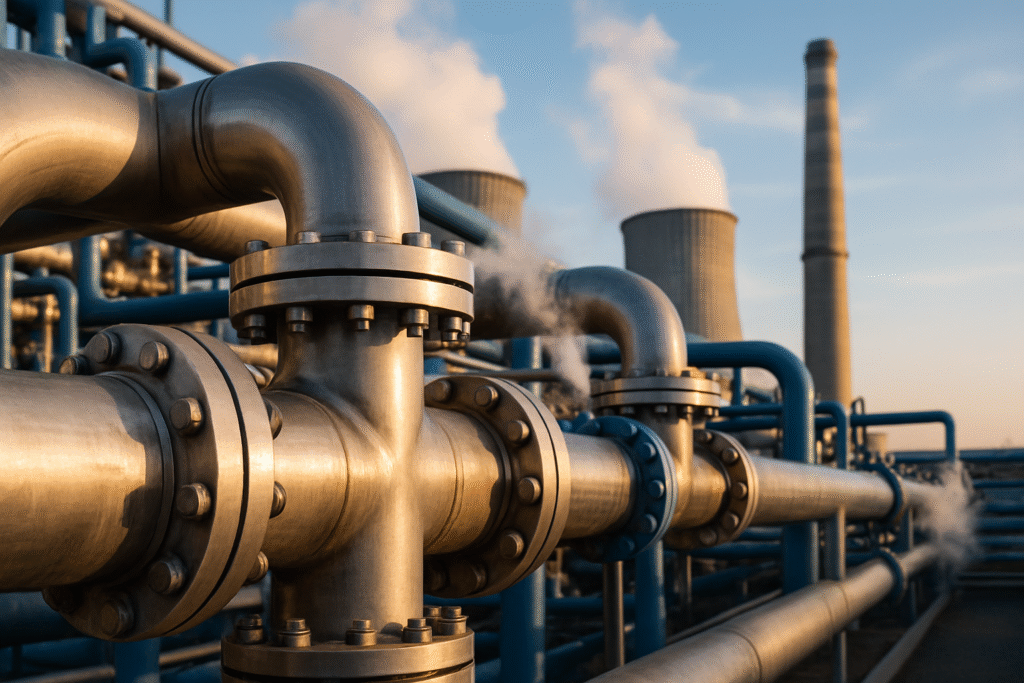
شفة أنابيب الفولاذ المقاوم للصدأ: دليل مبني على البيانات للمزايا الخفية, أنواع, الاستخدامات, وكيفية اختيار الشفاه الأكثر شيوعًا
ال شفة أنابيب الفولاذ المقاوم للصدأ market sits at the center of industrial piping reliability. وفقا لأبحاث جراند فيو (2024), تم تقييم سوق الفلنجات الصناعية العالمية بـ $5.8 مليار في 2023 ومن المتوقع أن يصل $7.2 مليار بواسطة 2030, which shows why engineers keep comparing the hidden advantages, أنواع, الاستخدامات, and how to choose the most common flanges.
لفرق المشتريات, this is not just a component decision. It affects pressure integrity, corrosion life, تردد الصيانة, and total installed cost across oil and gas, البتروكيماويات, قوة, البحرية, وأنظمة معالجة المياه.
Global demand trends shaping stainless steel pipe flange sourcing
Demand for the stainless steel pipe flange continues to expand because process plants now require longer service life and tighter compliance. بحسب موقع IBISWorld (2024), حسابات آسيا والمحيط الهادئ لأكثر من 45% من إنتاج شفة العالمية, مع كون الصين أكبر منتج.
That production concentration matters for buyers. It influences lead time, التسعير, قدرة التصنيع, and access to stainless grades such as 304, 316, 316ل, 904ل, 2205, و 2507.
بحسب موقع ستاتيستا (2024), تمثل صناعة النفط والغاز ما يقرب من 35% من استهلاك شفة العالمية. لذلك, manufacturers that supply upstream, منتصف الطريق, and downstream projects usually build stronger expertise in pressure classes, corrosion allowances, ومراقبة التوثيق.
في الممارسة العملية, buyers rarely choose by price alone. They compare raw material traceability, forging quality, دقة التصنيع باستخدام الحاسب الآلي, EN 10204 3.1 شهادة, and dimensional compliance with ASME B16.5 أو ASME B16.47.
بحسب معلومات موردور (2024), global investments in water infrastructure and industrial processing continue to support demand for corrosion-resistant piping components. بالإضافة إلى ذلك, duplex and super duplex materials gain share where chloride exposure and lifecycle cost drive procurement decisions.
This is where supplier capability becomes strategic. SASA FLANGE يخدم العملاء في أكثر من 50 countries and manufactures stainless steel flanges, الشفاه من الصلب الكربوني, الشفاه سبيكة, and pipe fittings for demanding industrial service.
مع ISO 9001:2015 وشهادات PED 2014/68/EU, SASA FLANGE aligns production with global project requirements. علاوة على ذلك, the company supplies materials including 304, 316, 316ل, 904ل, 2205, 2507, أ105, أ182, إنكونيل, مونيل, هاستيلوي, والتيتانيوم.
وفقا لأبحاث السوق في المستقبل (2024), corrosion-resistant alloys are among the fastest-growing material categories in process industries because operators are under pressure to reduce unplanned shutdowns. نتيجة ل, the stainless steel pipe flange has become a lifecycle asset rather than a commodity item.
The competitor landscape often focuses on long grade lists. لكن, buyers usually need more than a catalog. They need a clear framework that explains intriguing material differences, تقييمات الضغط, أنواع شفة مشتركة, and the hidden advantages of choosing the right flange for each service condition.
Stainless steel pipe flange selection: intriguing material advantages, أنواع, and expert insights
The first step in selecting a stainless steel pipe flange is to match metallurgy to media, درجة حرارة, ضغط, وطريقة التصنيع. في العديد من الأنظمة الصناعية, the most common flanges are weld neck, الانزلاق على, أعمى, لحام المقبس, and threaded designs.
وفق ASME B16.5, أبعاد شفة, التسامح, تقييمات الضغط ودرجة الحرارة, وضع العلامات, and testing requirements must remain consistent across standardized classes such as 150, 300, 600, 900, 1500, و 2500 (ASME, 2023). لذلك, geometry and rating selection are just as important as material grade.
كما جون رينولدز, corrosion specialist and former chief engineer, الدول: “Most flange failures are not caused by the flange alone. They result from a mismatch between material, انشقاق, طوقا, وظروف العملية.”
That insight explains why 304 و 316 do not solve every problem. Although both are common austenitic stainless grades, محتوى الكلوريد, مركبات الكبريت, high temperature cycling, and cleaning chemistry can change the correct choice quickly.
وفق ASTM A182/A182M, forged or rolled alloy and stainless steel pipe flanges must meet chemical composition, الخصائص الميكانيكية, المعالجة الحرارية, ومتطلبات وضع العلامات (ASTM, 2024). Buyers should therefore verify whether a stainless steel pipe flange is supplied to ASTM A182 F304/F304L, F316/F316L, F321, F347, or duplex grades such as F51 and F53.
The most common stainless grades for industrial flange service include the following:
- 304/304ل: Strong general corrosion resistance and excellent weldability for water, طعام, والواجب الكيميائي الخفيف.
- 316/316ل: Added molybdenum improves resistance to chlorides and aggressive media in marine and chemical service.
- 904ل: Higher nickel and molybdenum support better resistance in sulfuric and high-corrosion environments.
- 2205 دوبلكس: Higher strength and improved pitting resistance for offshore, تحلية المياه, وخطوط العملية.
- 2507 سوبر دوبلكس: Premium performance for severe chloride and high-pressure applications.
وفقًا لتوجيهات NACE لاختيار الخدمة الحامضة, corrosion cracking risk rises sharply when chloride concentration, درجة حرارة, and tensile stress interact inappropriately (NACE, 2023). بالتالي, duplex and nickel alloys often outperform basic austenitic grades in severe service.
كما د. Karen Vernon, عالم مواد في السبائك الصناعية, الدول: “The hidden advantages of duplex flange materials are not limited to corrosion resistance. Their higher yield strength can also reduce wall thickness and support lighter system designs.”
للمهندسين, flange type matters as much as alloy. A weld neck flange usually performs best in high-pressure and thermal cycling service because the tapered hub reduces stress concentration.
على النقيض من ذلك, slip on flanges may reduce fabrication cost in moderate service. لكن, they generally provide lower fatigue resistance than weld neck designs in demanding duty.
Threaded flanges work where welding is not desirable. ما زال, they are usually limited to smaller sizes and lower-risk systems, especially where vibration or cyclic service can loosen threaded joints.
Common selection criteria include:
- Pressure class and operating temperature.
- Pipe schedule and outside diameter compatibility.
- Corrosion mechanism, including pitting, شق, SCC, or general attack.
- تصميم مشترك, نمط طوقا, and bolt loading requirements.
- Inspection needs, بما في ذلك مؤشر مديري المشتريات, دعم الهيدروتست, والانتهاء من السطح.
- متطلبات التوثيق مثل EN 10204 3.1 and PED traceability.
مدعومة بتصنيع CNC المتقدم واختبار الجودة الشامل, SASA FLANGE يقدم أحجام مخصصة من 1/2 بوصة ل 60 inches across ANSI, DIN, JIS, غوست, ومعايير EN. This manufacturing breadth helps buyers consolidate sourcing for both standard and project-specific piping packages.
وفقا لمعايير إدارة الجودة ISO, certified process control lowers documentation errors and improves repeatability in industrial supply chains (ISO, 2023). That is one reason many EPC buyers prefer producers with stable material traceability, calibrated inspection systems, وتجربة التصدير.
من الناحية العملية, choosing the most common flanges should never mean choosing the simplest answer. بدلاً من, it means selecting the flange design and stainless grade that best fit lifecycle cost, fabrication constraints, and compliance obligations.
المعايير, أبعاد, and compliance for stainless steel pipe flange procurement
International projects demand rigorous compliance because flange interchangeability depends on exact dimensional standards. The stainless steel pipe flange used in a refinery, offshore module, or power plant must match both line class requirements and local regulatory expectations.
The core standards usually include ASME B16.5 لمصادر القدرة النووية 1/2 خلال 24 و ASME B16.47 لأقطار أكبر, بينما ASME B16.9 covers buttweld fittings such as elbows, المحملات, مخفضات, والقبعات (ASME, 2023). في أوروبا, EN 1092 is widely applied for PN-rated flanges.
Material standards and regional standards work together. ASTM A182 governs forged stainless and alloy flanges, while DIN and JIS systems define alternative dimensional frameworks for global installations.
Buyers should compare standards carefully because a pressure class 150 flange is not the same as a PN16 flange in every detail. فضلاً عن ذلك, facing types such as raised face, وجه مسطح, آر تي جيه, and tongue-and-groove affect gasket selection and bolting loads.
- ASME B16.5: Standard for pipe flanges and flanged fittings up to NPS 24.
- ASME B16.47: Large diameter steel flanges from NPS 26 ل 60.
- ASTM A182: Forged or rolled alloy and stainless steel flange material standard.
- EN 1092: أبعاد الفلنجة الأوروبية وتسميات الضغط.
- DIN: German dimensional tradition still used in many industrial projects.
- NACE MR0175/ISO 15156: Material selection reference for sour service resistance.
وفقًا لإطار PED الخاص بالمفوضية الأوروبية, pressure equipment suppliers must maintain conformity assessment procedures where applicable under PED 2014/68/EU (المفوضية الأوروبية, 2024). لذلك, documentation is not optional for many export projects.
Key compliance documents typically requested by EPCs include:
- EN 10204 3.1 شهادات اختبار المواد.
- Heat number traceability and PMI records.
- تقارير فحص الأبعاد.
- Hardness and mechanical test results.
- PED declarations, حيثما كان ذلك مطلوبا.
- ISO 9001:2015 quality records.
For many buyers, supplier auditability is now a major selection factor. مع ISO 9001:2015, بيد 2014/68/الاتحاد الأوروبي, و م 2000 أوراق اعتماد, SASA FLANGE supports projects that demand documented process control and export-ready quality files.
The company also manufactures flanges and fittings in stainless, الصلب الكربوني, سبائك الصلب, دوبلكس, سوبر دوبلكس, and high-performance nickel alloys. That broad capability simplifies multi-material packages for offshore, البتروكيماويات, ومشاريع الطاقة.
When buyers compare flange manufacturers, they should also review machining tolerance control and facing finish consistency. Even a premium stainless steel pipe flange can underperform if serration finish, محاذاة تتحمل, or drilling accuracy falls outside tolerance.
للحصول على مرجع رسمي, procurement teams can cross-check dimensional and materials requirements at ASME. This step helps avoid mismatches between purchase orders, خطط التفتيش, and field installation realities.
How to choose stainless steel pipe flange designs for oil, غاز, كيميائية, قوة, والخدمة البحرية
Application context determines whether a stainless steel pipe flange delivers value or risk. The same flange that performs well in clean water may fail early in chlorides, الغاز الحامض, صدمة حرارية, or acidic washdown duty.
في النفط والغاز, pressure class and corrosion mechanism drive most decisions. بحسب موقع ستاتيستا (2024), oil and gas accounts for around 35% من استهلاك شفة العالمية, so this sector sets many of the market’s technical expectations.
لأنظمة المنبع والمتوسطة, buyers often select weld neck flanges in ASTM A182 F316/F316L, F51, or F53 where pressure cycling and corrosion threats are significant. Where sour service applies, engineers should check NACE MR0175 compatibility and hardness limits.
في مصانع البتروكيماويات, gasket seating reliability and media compatibility matter greatly. علاوة على ذلك, مواجهة شفة, انشقاق, and gasket material must work as a complete sealing system.
لتوليد الطاقة, temperature stability becomes critical. خطوط البخار, أنظمة المكثفات, and heat recovery units may require stainless grades or alloy materials that maintain mechanical integrity under thermal cycles.
Marine and shipbuilding projects often move toward 316L, 2205, أو 2507 because seawater and splash-zone exposure accelerate pitting and crevice corrosion. لذلك, initial flange price should be weighed against dry-dock maintenance cost and replacement intervals.
Water treatment and desalination plants also demand careful selection. Duplex grades frequently offer a better balance of strength and chloride resistance than standard 304 أو 316 in aggressive saline service.
When evaluating stainless steel flange types, engineers typically compare:
- شفة الرقبة الملحومة: الأفضل للضغط المرتفع, ارتفاع درجة الحرارة, والخدمة الدورية.
- الانزلاق على شفة: Lower fabrication cost for moderate pressure applications.
- شفة عمياء: Used to terminate lines, رؤوس, وفوهات أوعية الضغط.
- شفة لحام المقبس: شائع في التجويف الأصغر, أنظمة أنابيب الضغط العالي.
- شفة مترابطة: Useful where welding must be avoided.
- شفة اللفة المشتركة: Supports systems needing frequent dismantling.
Useful selection questions include:
- What is the exact process medium and chloride content?
- What are the design and upset temperatures?
- What pressure class is required under the applicable code?
- Will the joint face vibration, shock, or frequent maintenance cycles?
- Does the project require ASME, DIN, EN, JIS, or mixed compliance?
- Are custom bore, حفر, or facing modifications necessary?
Offering custom manufacturing and factory-direct pricing, SASA FLANGE supports project buyers needing tailored drilling patterns, مواد خاصة, and mixed-standard packages. This is especially useful when standard catalog parts do not align with EPC specifications.
As Michael Porter, senior piping engineer in refinery projects, الدول: “The best flange is the one that minimizes risk at installation and throughout operation, not simply the one with the lowest unit cost.” That is why experienced buyers evaluate machining quality, MTC completeness, and after-sales responsiveness alongside material grade.
على سبيل المثال, أ 4 inch stainless steel pipe flange for marine cooling duty may need 316L or duplex construction, raised face geometry, والطبقة 150 أو 300 rating depending on the line design. على النقيض من ذلك, a stainless steel threaded pipe flange for utility service may prioritize installation convenience over maximum fatigue resistance.
لذلك, the way to choose flanges is always application-first. The intriguing hidden advantages come from matching flange design, كيمياء المواد, نطاق التفتيش, and total lifecycle economics.
Market outlook, strategic sourcing advice, and next steps for industrial buyers
The outlook for stainless steel pipe flange demand remains positive because process industries continue to invest in reliability, التحكم في التآكل, والبنية التحتية للطاقة. وفقا لأبحاث جراند فيو (2024), من المتوقع أن ينمو سوق الفلنجات الصناعية من $5.8 مليار في 2023 ل $7.2 مليار بواسطة 2030.
بحسب موقع IBISWorld (2024), Asia-Pacific remains the dominant production center with more than 45% من الناتج العالمي. بالتالي, buyers that establish strong supplier relationships in China can often secure better lead times and broader material availability.
لكن, strategic sourcing is about more than geography. It requires balancing compliance, جودة التصنيع, logistics resilience, and communication speed across every purchase order.
Procurement teams can reduce risk by following several practical steps:
- Standardize approved materials by service category.
- حدد ASME, ASTM, DIN, or EN dimensions clearly on RFQs.
- طلب EN 10204 3.1 certificates and PMI for critical lines.
- Confirm flange facing, حفر, and bore details before production.
- Audit supplier quality systems and export documentation workflows.
- Compare total installed cost rather than ex-works price alone.
These actions matter because even common flanges can create delays when documentation is incomplete or dimensions are mismatched. بالإضافة إلى, rework at site usually costs far more than tighter purchasing controls at the source.
SASA FLANGE combines broad materials coverage, التصنيع باستخدام الحاسب الآلي المتقدمة, and international certifications to support project-driven purchasing. For buyers needing stainless steel flanges and fittings in 304, 316, 904ل, 2205, 2507, وسبائك خاصة, discussing technical requirements early can improve both compliance and lead time through direct engineering support.
الأسئلة المتداولة
أيهما أفضل 304 أو 420 الفولاذ المقاوم للصدأ?
●304 is generally better for a stainless steel pipe flange because it offers stronger corrosion resistance and weldability than 420 in most industrial piping systems.
●According to ASTM material classifications, 304 is an austenitic stainless grade while 420 is a martensitic grade that prioritizes hardness over corrosion performance in many wet or chemical environments.
●For flange service, engineers usually prefer 304 أو 316 because sealing surfaces, bolting loads, and welded joints demand toughness and fabrication stability rather than knife-grade hardness.
ما هو رمز ASME للفلنجات المصنوعة من الفولاذ المقاوم للصدأ?
●The primary ASME code for stainless steel pipe flange dimensions is ASME B16.5 لمصادر القدرة النووية 1/2 خلال 24 و ASME B16.47 for larger diameters up to 60 بوصة.
●Material requirements are commonly specified under ASTM A182 للشفاه الفولاذ المقاوم للصدأ مزورة, which works alongside ASME dimensional and pressure-temperature standards.
●Buyers should always match the required ASME standard, فئة الضغط, نوع المواجهة, and ASTM grade on the purchase order to avoid interchangeability problems during installation.
ما هي 5 أنواع الفولاذ المقاوم للصدأ?
●العائلات الخمس الرئيسية المصنوعة من الفولاذ المقاوم للصدأ هي الأوستنيتي, الحديدي, مارتنسيتي, دوبلكس, and precipitation-hardening grades.
●In industrial flange manufacturing, austenitic grades such as 304 و 316 هي الأكثر شيوعا, بينما الدرجات المزدوجة مثل 2205 are chosen for higher strength and chloride resistance.
●For projects requiring corrosion control, سلامة الضغط, and certified traceability, العمل مع الشركات المصنعة القائمة مثل SASA FLANGE supports more accurate material selection.
ما هي الصناعة التي تستخدم معظم الفولاذ المقاوم للصدأ?
●Oil and gas is one of the largest end-use sectors for flanges, وبحسب موقع Statista (2024), that industry accounts for approximately 35% من استهلاك شفة العالمية.
●لكن, stainless steel is also heavily used in petrochemical, البحرية, معالجة المياه, تجهيز الأغذية, بناء, and power generation applications because of its corrosion resistance and long service life.
●Buyers should evaluate actual media, درجة حرارة, and code requirements rather than choosing stainless purely by industry habit.
ما هي أنواع شفة الفولاذ المقاوم للصدأ الأكثر شيوعًا?
●أكثر أنواع شفة الفولاذ المقاوم للصدأ شيوعًا هي الرقبة الملحومة, الانزلاق على, أعمى, لحام المقبس, مترابطة, والشفاه المشتركة اللفة.
●وفق ASME B16.5, these flange types are standardized for dimensions and ratings, which helps engineers maintain compatibility across classes such as 150, 300, و 600.
●Weld neck flanges are usually recommended for high-pressure or cyclic service, while slip on and threaded flanges are more suitable for moderate-duty installations.
كيف أختار حجم ودرجة شفة أنابيب الفولاذ المقاوم للصدأ المناسبة؟?
●يجب عليك اختيار حجم الحافة عن طريق مطابقة حجم الأنبوب الاسمي, جدول, تتحمل, فئة الضغط, and facing details to the piping specification and applicable standard.
●Grade selection should then follow service conditions, مع 304 أو 316 for common corrosion duty and 2205, 2507, or 904L for more severe chloride or chemical exposure.
●For project-specific requirements such as custom drilling, معايير مختلطة, أو سبائك خاصة, الاستشارات SASA FLANGE can help prevent costly specification errors.
الوظائف ذات الصلة
شفة الوجه النهاية: شرح متحدة المركز مقابل التسنينات الحلزونية
تعتبر كل من المسننات المركزة واللولبية عبارة عن تشطيبات وجه شفة مُشكَّلة آليًا…
دوبلكس 2205 مقابل الشفاه 316L: ما هي المواد التي يجب عليك اختيارها؟?
إجابة سريعة: دوبلكس 2205 الشفاه عادة ما تكون المرشح الأقوى…

تعريف شفة الفوهة, التفاصيل ونظرة عامة على الشفاه ASME B16.36: بيانات السوق, دليل الاختيار ورؤى الامتثال
تم تقييم سوق الفلنجات الصناعية العالمية بـ $5.8 مليار…

دليل سوق شفة التخلص الأسود: مواد, 3.5″ التوافق, وبيانات مصادر B2B لحواف حوض المطبخ
يتزايد الطلب على شفة التخلص السوداء مع المشترين لتركيبات المطبخ…