
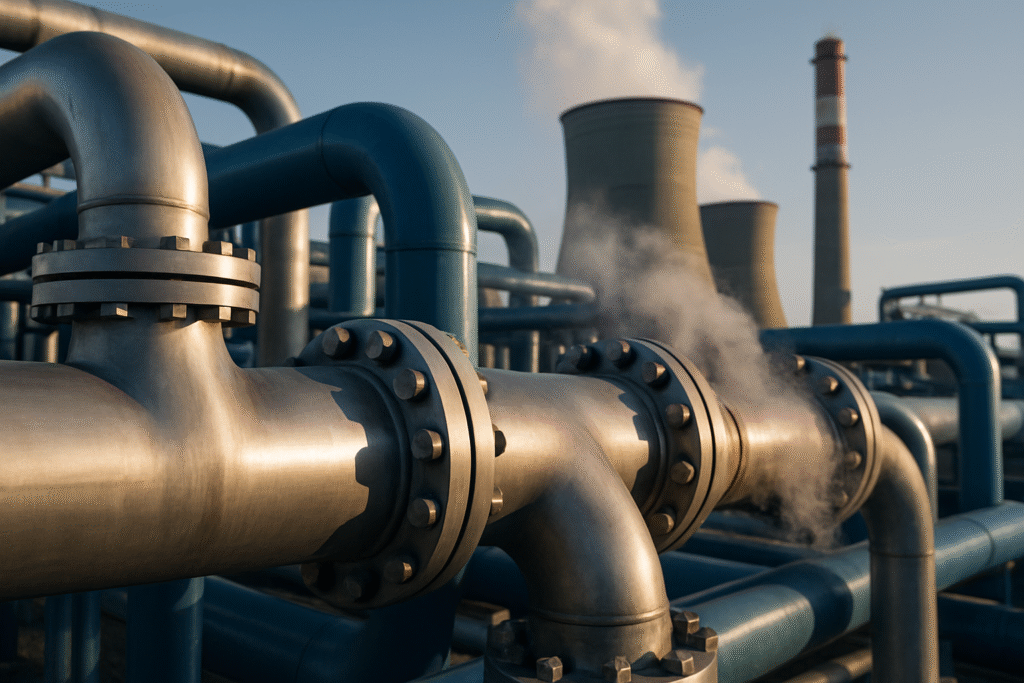
دليل شفة أنابيب الفولاذ المقاوم للصدأ: المزايا المدعومة بالبيانات, أنواع, الاستخدامات, وكيفية الاختيار 2025
Demand for the شفة أنابيب الفولاذ المقاوم للصدأ continues to rise as industrial buyers prioritize corrosion resistance, قيمة دورة الحياة, والامتثال. وفقا لأبحاث جراند فيو (2024), تم تقييم سوق الفلنجات الصناعية العالمية بـ $5.8 مليار في 2023 ومن المتوقع أن يصل $7.2 مليار بواسطة 2030.
That growth is not accidental. Engineers in oil and gas, البتروكيماويات, البحرية, and power sectors increasingly choose stainless and alloy flanges because hidden maintenance costs often exceed the initial purchase price of lower-grade components.
الوصف التعريفي: Explore the best stainless steel pipe flange options, أنواع, المعايير, and buying tips. Compare materials and contact SASA FLANGE للحصول على دعم الخبراء.
لماذا يستمر سوق شفة أنابيب الفولاذ المقاوم للصدأ في التوسع
Industrial piping systems operate under higher pressure, tighter inspection requirements, and more aggressive media than they did a decade ago. لذلك, procurement teams now evaluate flanges not only by unit price, but also by leakage risk, خدمة الحياة, إمكانية التتبع, and downtime exposure.
بحسب موقع IBISWorld (2024), حسابات آسيا والمحيط الهادئ لأكثر من 45% من إنتاج شفة العالمية, مع كون الصين أكبر منتج. That concentration has reshaped global sourcing, especially for buyers seeking factory-direct production, فترات زمنية قصيرة, and broad standards coverage.
في نفس الوقت, sector demand remains highly concentrated. بحسب موقع ستاتيستا (2024), تمثل صناعة النفط والغاز ما يقرب من 35% من استهلاك شفة العالمية, which explains why pressure class verification, NACE compatibility, and material certification remain top purchasing criteria.
These market shifts reveal several intriguing and often hidden advantages of stainless steel flanges. أولاً, درجات غير القابل للصدأ مثل 304, 316, 316ل, 2205, و 2507 support lower maintenance frequency in corrosive service. ثانية, they offer a strong balance of weldability, صلابة, and clean surface performance for regulated industries.
نتيجة ل, buyers increasingly compare total installed cost instead of only the ex-works price. في العديد من النباتات, a failed pipe flange can trigger shutdowns, hot work permits, secondary inspections, and unplanned labor costs that far exceed the flange itself.
Standards also drive the market. ASME B16.5 و ASME B16.47 define critical dimensions and pressure-temperature ratings for many industrial flanges, بينما ASTM A182 covers forged alloy and stainless materials used in pressure service (ASME, 2023; ASTM, 2024).
علاوة على ذلك, European and export projects often require DIN and EN 1092 امتثال, especially where EPC contractors work across multiple regulatory regions. This is why manufacturers with multi-standard production capability hold a clear advantage in cross-border procurement.
للمشترين B2B, supplier capability matters as much as material choice. SASA FLANGE supports projects with stainless steel flanges, الشفاه من الصلب الكربوني, الشفاه سبيكة, and pipe fittings in grades including 304, 316, 316ل, 904ل, 2205, 2507, أ105, أ182, إنكونيل, مونيل, هاستيلوي, والتيتانيوم.
مع ISO 9001:2015 وشهادات PED 2014/68/EU, the company aligns with the documentation and inspection expectations common in refinery, في الخارج, and power generation procurement. بالإضافة إلى ذلك, EN 10204 3.1 material certification and dimensional inspection help reduce approval delays during project execution.
Many buyers still focus narrowly on visible features like flange face or nominal size. لكن, the hidden advantages often come from heat treatment control, التحقق من مؤشر مديري المشتريات (PMI)., التسامح بالقطع, and gasket seating accuracy, which directly affect bolting performance and leak integrity.
كما قال عالم المواد د. Lena Hofmann, أخصائي التآكل, الدول: “The lowest flange cost rarely delivers the lowest system cost, لأن بدل التآكل, الانتهاء من السطح, and metallurgy determine service life more than purchase price.” That principle is especially relevant in chloride-bearing, حامِض, and cyclic temperature applications.
المزايا الخفية, أنواع, and Technical Criteria for Choosing a Stainless Steel Pipe Flange
When engineers choose a stainless steel pipe flange, they usually compare pressure class, نوع المواجهة, جدول الأنابيب, الصف المادي, and joint design. لكن, long-term reliability also depends on weld integrity, galvanic compatibility, and media-specific corrosion behavior.
بحسب معلومات موردور (2024), industrial process infrastructure spending continues to favor premium materials in high-corrosion environments, with stainless and duplex gaining share in brownfield upgrades. فضلاً عن ذلك, مستقبل أبحاث السوق (2024) reports that process industries are increasing investment in longer-life piping components to reduce lifecycle maintenance costs.
Those trends explain why stainless steel flange types remain central to piping design. The most common options support different loads, inspection methods, and installation priorities.
- شفة الرقبة الملحومة: يفضل لارتفاع الضغط, ارتفاع درجة الحرارة, and cyclic service because the tapered hub distributes stress efficiently.
- شفة الانزلاق: Easier to align and often lower in cost, but less suitable for severe fatigue and critical process lines.
- شفة عمياء: يستخدم لإغلاق نهايات الخطوط, عزل المعدات, or permit future expansion.
- شفة لحام المقبس: Common for small-bore, high-pressure service where socket alignment supports installation.
- شفة مترابطة: Used when welding must be avoided, على الرغم من أنه يجب مراجعة حدود الضغط والاهتزاز بعناية.
- شفة اللفة المشتركة: Suitable where frequent dismantling is needed and stub-end rotation simplifies alignment.
اختيار المواد لا يقل أهمية. درجة 304 يوفر مقاومة جيدة للتآكل بشكل عام وكفاءة من حيث التكلفة, بينما 316 and 316L improve pitting resistance due to molybdenum content. For more aggressive chloride or sour environments, دوبلكس 2205 والسوبر دوبلكس 2507 often provide higher strength and better resistance to localized corrosion.
ASTM A182 F304/F304L and F316/F316L remain standard forged material choices for pressure service. في أثناء, duplex grades used for forged flanges must be verified for chemistry, توازن الفريت, الخصائص الميكانيكية, and heat treatment consistency in accordance with applicable ASTM requirements.
Pressure class and dimensions must match the design code. ASME B16.5 يغطي مصادر القدرة النووية 1/2 خلال 24 in Classes 150, 300, 400, 600, 900, 1500, و 2500, بينما ASME B16.47 ينطبق على أقطار أكبر (ASME, 2023).
Buyers should also verify raised face, وجه مسطح, and RTJ configurations against the mating equipment. A mismatch in facing can compromise gasket seating and create avoidable leak paths, even when the metallurgy is correct.
كمهندس الأنابيب مارك إليسون, مستشار الأنابيب العليا, الدول: “Selecting flange type without considering thermal cycles, الاحتفاظ بحمل الترباس, and gasket compatibility is one of the most common specification errors in process plants.” لذلك, engineers should review the complete joint assembly, not the flange alone.
The hidden advantages of stainless steel flanges become clearer when evaluated in real service. Stainless materials generally offer cleaner surface behavior, stronger resistance to atmospheric corrosion, and better performance in washdown or humid environments than many carbon steel alternatives.
In sectors such as food-adjacent utilities, pharmaceutical support systems, تحلية المياه, and marine skids, that advantage can reduce repainting, coating repair, and corrosion monitoring. Although not every service requires premium alloys, many facilities find that stainless lowers intervention frequency over the asset life.
Manufacturing quality also determines field performance. مدعومة بتصنيع CNC المتقدم واختبار الجودة الشامل, SASA FLANGE يقدم أحجام مخصصة من 1/2" إلى 60" in ANSI, DIN, JIS, غوست, and EN configurations for diverse pipe flange projects.
Capability breadth matters when an EPC project spans multiple packages. على سبيل المثال, one order may include weld neck flanges in ASTM A182 F316L, blind flanges in 904L, and mating fittings such as elbows, المحملات, مخفضات, and caps manufactured to ASME B16.9.
To simplify technical comparison, procurement teams should review these core selection points:
- Design code and standard: ASME B16.5, ب16.47, EN 1092, DIN, JIS, أو غوست.
- درجة المادة: 304, 316ل, 904ل, 2205, 2507, سبائك النيكل, أو التيتانيوم.
- فئة الضغط والجدول الزمني: match flange bore to pipe wall and service rating.
- تواجه النوع: الترددات اللاسلكية, FF, آر تي جيه, اللسان والأخدود, or custom machining.
- Inspection requirements: مؤشر مديري المشتريات, يوتا, حزب العمال, صلابة, hydrotest, و EN 10204 3.1.
- Application risks: كلوريدات, كبريتيد الهيدروجين, ركوب الدراجات في درجة الحرارة, تآكل, والاهتزاز.
فضلاً عن ذلك, lead time and traceability should influence vendor choice. A competitively priced flange loses value if it arrives without heat numbers, سجلات الاختبار, or dimensional conformity required for project release.
التقديم 50+ الدول عبر النفط والغاز, البتروكيماويات, قوة, والصناعات البحرية, SASA FLANGE supports buyers who need both standard and custom manufacturing. For project-specific inquiries, buyers can coordinate drawings, متطلبات شركة MTC, and delivery schedules through SASA FLANGE.
المعايير, اختبار, والامتثال للفلنجات المصنوعة من الفولاذ المقاوم للصدأ
Compliance is not a paperwork exercise. في الأنابيب الصناعية, standards determine interchangeability, سلامة الضغط, قبول التفتيش, and legal eligibility for regulated equipment.
The core dimensional standards include ASME B16.5, ASME B16.47, EN 1092, DIN flange norms, and selected JIS or GOST specifications depending on project geography. Material standards often include ASTM A182 للشفاه مزورة, ASTM A240 لمنتجات اللوحة, and related ASTM specifications for mechanical and corrosion testing.
وفقا للايزو (2023), traceability and documented quality management significantly improve consistency in industrial manufacturing environments. هذا هو السبب ISO 9001:2015 certification remains a practical procurement filter, not merely a marketing claim.
PED 2014/68/EU is especially important for pressure equipment entering European markets. بالإضافة إلى, marine and offshore buyers may request compliance with DNV, النرويج, or client-specific quality plans depending on service severity.
For sour service and H2S exposure, material review should include NACE MR0175 / ISO 15156 حيثما ينطبق ذلك. Although not every stainless grade qualifies automatically for every sour condition, the standard helps engineers assess cracking risk and environmental limits.
- ASME B16.5: Pipe flanges and flanged fittings for smaller nominal sizes and common pressure classes.
- ASME B16.47: Large diameter steel flanges for major process and transmission systems.
- ASTM A182: Forged or rolled alloy and stainless materials for high-temperature pressure service.
- ASME B16.9: تجهيزات اللحام المطاوع المصنوعة في المصنع مثل المرفقين, المحملات, مخفضات, والقبعات.
- EN 1092: European flange dimensions and pressure designations used widely in export projects.
- NACE MR0175: Material guidance for sulfide stress cracking resistance in sour environments.
Dimensional conformance should be checked against bolt circle, سماكة, تتحمل, أبعاد المحور, and facing finish. في الممارسة العملية, even small deviations can slow site installation or force unplanned rework in spool fabrication.
Typical documentation packages may include:
- EN 10204 3.1 شهادات اختبار مطحنة.
- إمكانية تتبع رقم الحرارة.
- PMI reports for alloy verification.
- سجلات التفتيش الأبعاد.
- Pressure rating and standard confirmation.
- Surface treatment or passivation records where specified.
Buyers should also review acceptance criteria for visual defects, machining marks, and flange facing finish. For raised face and RTJ flanges, surface integrity directly affects gasket compression and sealing performance.
Image alt: stainless steel pipe flange dimensional inspection and quality control in industrial manufacturing
للمشاريع متعددة الجنسيات, cross-standard comparison is often required. A buyer may need ANSI Class 150 dimensions in one package, EN PN16 in another, and DIN-based mating components in a third.
That complexity makes supplier versatility valuable. مع ISO 9001:2015, بيد 2014/68/الاتحاد الأوروبي, و م 2000 أوراق اعتماد, SASA FLANGE supports qualification needs for regulated and export-oriented industrial projects while maintaining a broad material portfolio.
According to ASTM International (2024), material standard adherence improves repeatability in pressure-containing components across supply chains. لذلك, a compliant flange program reduces technical disputes during inspection and improves first-pass approval rates.
Procurement teams should ask five practical compliance questions before placing a purchase order:
- Does the supplier manufacture to the exact flange standard and pressure class listed on the datasheet?
- Are MTCs, مؤشر مديري المشتريات, and inspection reports available before shipment?
- Can the supplier meet PED, EN, or client-specific documentation requirements?
- Is the material grade suitable for chlorides, خدمة تعكر, or elevated temperature?
- Can flange dimensions and facing be matched precisely to existing pipe and equipment?
For further specification review or document alignment, engineers can consult SASA FLANGE during pre-order evaluation. Early technical clarification often prevents later NCRs, site delays, وتكاليف الاستبدال.
التطبيقات, معايير الاختيار, and How to Choose the Right Pipe Flange
Different industries use stainless steel flanges for different reasons. لذلك, the best flange choice depends on process media, درجة حرارة, pressure cycles, الوصول إلى الصيانة, and regulatory obligations.
في النفط والغاز, buyers often prioritize weld neck flanges in 316L, 2205, أو 2507 for corrosive lines, أنظمة المياه المنتجة, and offshore skids. وبما أن القطاع يمثل حوالي 35% من استهلاك شفة العالمية, robust quality assurance remains essential for every high-risk joint (رجل دولة, 2024).
في مصانع البتروكيماويات, material compatibility with acids, المذيبات, and chlorides typically drives grade selection. على سبيل المثال, 904ل, هاستيلوي, or Monel may be specified where standard austenitic stainless grades face localized corrosion risk.
في توليد الطاقة, high-temperature service and thermal fatigue influence flange type and bolt load retention. Weld neck designs often outperform lighter alternatives in cyclic steam and condensate systems because they manage stress more effectively at the hub transition.
Marine and shipbuilding applications create another set of demands. الهواء المملح, التعرض لمياه البحر, and limited maintenance windows make corrosion resistance a strategic requirement rather than a premium option.
Water treatment and desalination systems frequently require 316L, دوبلكس, or super duplex materials to address chloride attack. في هذه الأنظمة, the hidden advantages of stainless steel flanges include reduced coating dependence and improved long-term cleanliness.
To choose the right flange, engineers should evaluate:
- كيمياء السوائل, وخاصة الكلوريدات, كبريتيدات, الأحماض, and oxygen content.
- نطاق درجة حرارة التشغيل والتصميم.
- فئة الضغط, surge conditions, and fatigue loading.
- حجم الأنابيب, جدول, and connection method.
- مستوى التفتيش, الوثائق, and customer approval process.
- تكلفة دورة الحياة, not just initial piece price.
Flange type selection should also match installation realities. A threaded pipe flange may suit utility lines where welding is restricted, while a blind flange may support hydrotest isolation, maintenance closure, or future expansion planning.
على سبيل المثال, أ 4 شفة أنابيب الفولاذ المقاوم للصدأ بوصة في فئتها 150 may be suitable for low-pressure utility water, but the same nominal size in a hot chloride process line may require Class 300 أو أعلى, plus a more resistant alloy. بالتالي, specification cannot rely on size alone.
Buyers often search by product phrase instead of engineering criteria, using terms like stainless steel pipe flange sizes, stainless steel threaded pipe flange, or stainless steel flange price. لكن, the correct buying process should begin with service conditions, المعايير, ومتطلبات مكونات التزاوج.
مهلة, موك, and customization can also affect supplier selection. تقديم أحجام مخصصة من 1/2" إلى 60" بأسعار تنافسية مباشرة من المصنع, SASA FLANGE helps project buyers source standard and non-standard flanges along with matching elbows, المحملات, مخفضات, والقبعات.
When custom machining is required, procurement teams should send detailed drawings with tolerance notes, تفاصيل المواجهة, drilling requirements, and material callouts. This shortens review cycles and improves quotation accuracy.
As industry analyst Robert Chen, Energy Infrastructure Research Director, الدول: “The best-performing flange suppliers win not by offering the cheapest unit cost, but by delivering documentation accuracy, اتساق الأبعاد, and predictable lead times.” That observation aligns with how major EPC and MRO buyers now evaluate vendors.
من الناحية العملية, buyers should compare suppliers on more than product range. They should assess machining capability, نطاق الاختبار, تغليف الصادرات, سرعة الاستجابة, and experience across oil and gas, البتروكيماويات, قوة, البحرية, and construction applications.
For stainless, دوبلكس, سبائك النيكل, and titanium projects, it is wise to request clear confirmation of heat treatment, إمكانية التتبع, and inspection coverage before order release. This is especially important when flange failure could shut down a process unit or compromise safety barriers.
التوقعات المستقبلية للفلنجات المصنوعة من الفولاذ المقاوم للصدأ وتوصيات الشراء الإستراتيجية
The outlook for stainless steel flanges remains positive because industrial operators continue to modernize piping assets and improve reliability targets. وفقا لأبحاث جراند فيو (2024), من المتوقع أن ينمو سوق الفلنجات الصناعية من $5.8 مليار في 2023 ل $7.2 مليار بواسطة 2030.
That projection suggests sustained demand for compliant, مقاومة للتآكل, and globally standardized flange solutions. علاوة على ذلك, increasing investment in water treatment, الغاز الطبيعي المسال, الترقيات البحرية, and process decarbonization will likely support premium alloy demand.
Asia-Pacific will remain central to supply chains because the region already accounts for over 45% من إنتاج شفة العالمية (IBISWorld, 2024). لذلك, buyers should build sourcing strategies around qualified manufacturers with strong documentation, flexible standards support, and reliable export execution.
لمديري المشتريات, three strategic recommendations stand out. أولاً, standardize technical data sheets to avoid mismatched dimensions and incomplete inspection scopes. ثانية, qualify vendors by certifications and track record, not only by price. ثالث, evaluate lifecycle cost in corrosive or high-maintenance environments.
للمهندسين, the priority is specification discipline. درجة المادة, فئة الضغط, تواجه, الامتثال للكود, and test documentation should be defined together, because one weak input can undermine an otherwise correct flange package.
For project teams facing mixed standards or custom dimensions, early supplier engagement saves time. By aligning drawings, MTC expectations, and delivery windows in advance, buyers reduce rework and protect commissioning schedules.
That is where experienced manufacturers add value beyond production alone. For organizations sourcing a stainless steel pipe flange for demanding service, العمل مع SASA FLANGE can streamline technical review, documentation planning, and custom manufacturing from the quotation stage onward.
الأسئلة المتداولة
ما هي أنواع شفة الفولاذ المقاوم للصدأ الرئيسية?
●أنواع شفة الفولاذ المقاوم للصدأ الرئيسية هي رقبة ملحومة, سهل الارتداء, أعمى, لحام المقبس, مترابطة, ومفاصل اللفة, و ASME B16.5 covers many of these configurations for NPS 1/2 خلال 24.
●Each type serves a different duty, because weld neck flanges suit high-pressure and cyclic service while slip-on and threaded designs usually fit less severe installation conditions.
●For critical process piping, buyers should match flange type to pressure class, تواجه, and pipe schedule, and projects needing certified stainless options can be reviewed with established manufacturers like SASA FLANGE.
What stainless steel pipe flange sizes are commonly available?
●Common stainless steel pipe flange sizes typically range from 1/2 بوصة ل 24 بوصة تحت ASME B16.5, while larger diameters are usually supplied under ASME B16.47.
●Actual availability depends on flange type, فئة الضغط, والمعيار, لأن أ 4 شفة أنابيب الفولاذ المقاوم للصدأ بوصة في فئتها 150 differs dimensionally from the same size in Class 600 or EN PN-rated formats.
●Buyers should confirm bore, مباراة الجدول الزمني, and bolt circle details before ordering, especially for replacement work or mixed-standard systems.
كيف أختار بين 304 و 316 الشفاه الفولاذ المقاوم للصدأ?
●درجة 304 يستخدم على نطاق واسع للخدمة العامة, لكن 316 and 316L provide better corrosion resistance in chloride-containing and more aggressive chemical environments because of their molybdenum content.
●According to ASTM material usage patterns in industrial pressure components, 304 و 316 remain among the most common forged stainless choices, yet the correct grade still depends on media, درجة حرارة, ونظام التنظيف.
●For seawater-adjacent, كيميائية, or higher-risk service, buyers should request a full material review rather than choosing by price alone.
What standards apply to stainless steel flanges and fittings?
●Stainless steel flanges commonly follow ASME B16.5, ASME B16.47, EN 1092, and DIN dimensional standards, while stainless fittings often follow ASME B16.9 for buttweld products.
●Material requirements are frequently specified under ASTM A182 for forged flanges and related ASTM standards for chemistry, الخصائص الميكانيكية, والاختبار.
●To avoid site mismatch or documentation rejection, procurement teams should ensure the purchase order states both the dimensional standard and the material standard clearly.
ما يؤثر على سعر شفة أنابيب الفولاذ المقاوم للصدأ?
●يعتمد سعر شفة الأنابيب الفولاذية المقاومة للصدأ بشكل أساسي على درجة السبائك, مقاس, فئة الضغط, تعقيد الآلات, نطاق التفتيش, وحجم الطلب, with duplex and nickel alloys usually costing more than standard 304 أو 316 الدرجات.
●وفقا لأبحاث جراند فيو (2024), rising industrial demand and quality requirements continue to influence value across the flange market, so the cheapest offer may not provide the lowest installed cost.
●Buyers should compare quotations by documentation, اختبار, مهلة, and compliance level, not just by piece price.
When should I use a stainless steel threaded pipe flange or welded flange?
●Threaded flanges are useful where welding is impractical or prohibited, but welded flanges such as weld neck or socket weld usually perform better in high-pressure, ارتفاع درجة الحرارة, or vibration-prone systems.
●As piping experts regularly note, flange selection must consider thermal cycling, حمولة طوقا, and fatigue risk, because connection method affects long-term joint integrity as much as the material itself.
●For safety-critical or corrosive service, engineers should review the full piping condition and select the flange design that best supports leak-free operation.
الوظائف ذات الصلة
شفة الوجه النهاية: شرح متحدة المركز مقابل التسنينات الحلزونية
تعتبر كل من المسننات المركزة واللولبية عبارة عن تشطيبات وجه شفة مُشكَّلة آليًا…
دوبلكس 2205 مقابل الشفاه 316L: ما هي المواد التي يجب عليك اختيارها؟?
إجابة سريعة: دوبلكس 2205 الشفاه عادة ما تكون المرشح الأقوى…

تعريف شفة الفوهة, التفاصيل ونظرة عامة على الشفاه ASME B16.36: بيانات السوق, دليل الاختيار ورؤى الامتثال
تم تقييم سوق الفلنجات الصناعية العالمية بـ $5.8 مليار…

دليل سوق شفة التخلص الأسود: مواد, 3.5″ التوافق, وبيانات مصادر B2B لحواف حوض المطبخ
يتزايد الطلب على شفة التخلص السوداء مع المشترين لتركيبات المطبخ…