
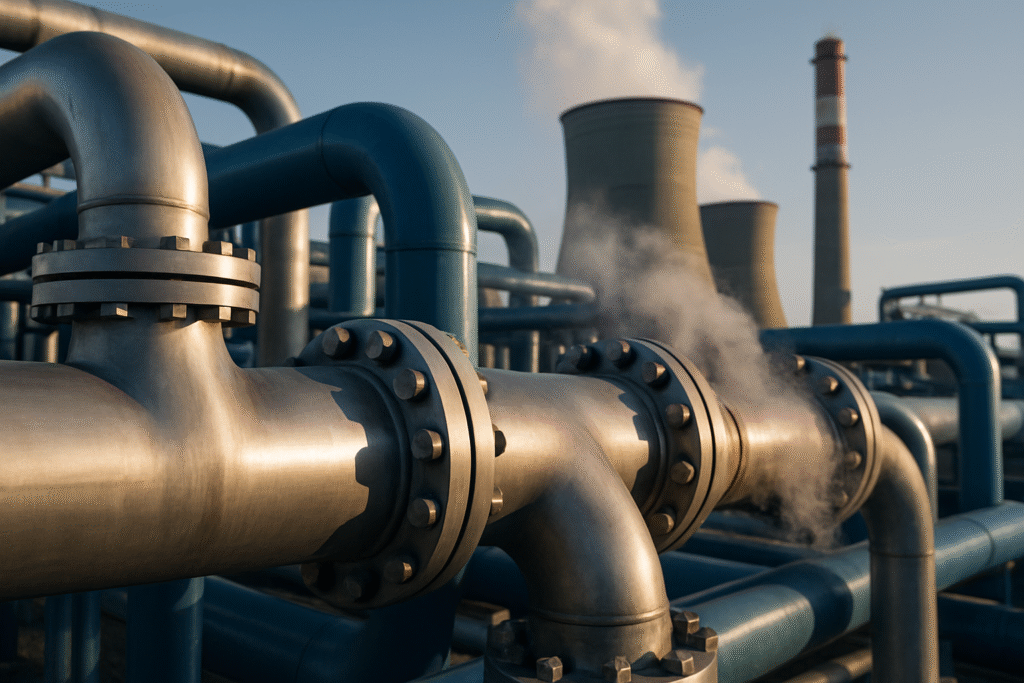
ステンレス鋼管フランジガイド: データに裏付けられた利点, 種類, 用途, とその選び方 2025
Demand for the ステンレス鋼管フランジ continues to rise as industrial buyers prioritize corrosion resistance, ライフサイクル価値, とコンプライアンス. グランドビューリサーチによると (2024), 世界の工業用フランジ市場は次のように評価されました。 $5.8 億で 2023 に達すると予測されています $7.2 10億まで 2030.
That growth is not accidental. Engineers in oil and gas, 石油化学, 海洋, and power sectors increasingly choose stainless and alloy flanges because hidden maintenance costs often exceed the initial purchase price of lower-grade components.
メタディスクリプション: Explore the best stainless steel pipe flange options, 種類, 標準, and buying tips. Compare materials and contact SASA FLANGE 専門家のサポートのために.
ステンレス鋼管フランジ市場が拡大し続ける理由
Industrial piping systems operate under higher pressure, tighter inspection requirements, and more aggressive media than they did a decade ago. したがって, procurement teams now evaluate flanges not only by unit price, but also by leakage risk, 耐用年数, トレーサビリティ, and downtime exposure.
IBISWorldによると (2024), アジア太平洋地域が占める割合は超過 45% 世界のフランジ生産量の, 中国が最大の製造国である. That concentration has reshaped global sourcing, especially for buyers seeking factory-direct production, 短いリードタイム, and broad standards coverage.
同時に, sector demand remains highly concentrated. 統計局によると (2024), 石油・ガス産業が約 35% 世界のフランジ消費量の, これが圧力クラス検証の理由を説明します, NACEの互換性, と材料認証は引き続き最上位の購入基準となります.
これらの市場の変化により、ステンレス鋼フランジのいくつかの興味深い、そしてしばしば隠れた利点が明らかになります。. 初め, ステンレスグレードなど 304, 316, 316l, 2205, そして 2507 腐食性サービスにおけるメンテナンス頻度の低減をサポート. 2番, 溶接性の強力なバランスを提供します。, 靭性, 規制産業向けのクリーンな表面性能.
結果として, 購入者は、工場出荷時の価格だけでなく、設置コストの合計を比較することが増えています。. 多くの植物では, パイプフランジの故障によりシャットダウンが引き起こされる可能性があります, 火気使用作業許可, 二次検査, フランジ自体をはるかに超える予定外の人件費も発生します.
規格も市場を動かす. ASME B16.5 そして ASME B16.47 多くの工業用フランジの重要な寸法と圧力温度定格を定義します, その間 ASTM A182 圧力サービスで使用される鍛造合金およびステンレス材料をカバーします。 (ASME, 2023; ASTM, 2024).
さらに, European and export projects often require DIN and EN 1092 コンプライアンス, especially where EPC contractors work across multiple regulatory regions. This is why manufacturers with multi-standard production capability hold a clear advantage in cross-border procurement.
B2Bバイヤー向け, supplier capability matters as much as material choice. SASA FLANGE ステンレス鋼フランジを使用したプロジェクトをサポートします, 炭素鋼フランジ, 合金フランジ, and pipe fittings in grades including 304, 316, 316l, 904l, 2205, 2507, A105, A182, インコネル, モネル, ハステロイ, とチタン.
と ISO 9001:2015 および PED 2014/68/EU 認証, the company aligns with the documentation and inspection expectations common in refinery, オフショア, and power generation procurement. さらに, EN 10204 3.1 material certification and dimensional inspection help reduce approval delays during project execution.
Many buyers still focus narrowly on visible features like flange face or nominal size. しかし, the hidden advantages often come from heat treatment control, PMIの検証, 加工公差, and gasket seating accuracy, ボルト締めのパフォーマンスと漏れの完全性に直接影響します.
材料科学者博士として. レナ・ホフマン, 腐食スペシャリスト, 州: “最低のフランジコストが最低のシステムコストを実現することはほとんどありません, 腐食代があるので, 表面仕上げ, 耐用年数は購入価格よりも冶金によって決まります。” この原則は、塩化物含有物質に特に当てはまります。, 酸っぱい, および周期的温度アプリケーション.
隠れた利点, 種類, ステンレス鋼製管フランジを選択するための技術的基準と
エンジニアがステンレス鋼管フランジを選択する場合, 通常、圧力クラスを比較します, 対面タイプ, パイプスケジュール, 材質グレード, そしてジョイントデザイン. しかし, 長期的な信頼性は溶接の完全性にも依存します, ガルバニック互換性, および媒体固有の腐食挙動.
モルドール情報局によると (2024), 産業プロセスインフラへの支出により、高腐食環境における高級素材が引き続き好まれている, ステンレスと二相鋼がブラウンフィールドアップグレードでシェアを獲得. 加えて, 市場調査の将来 (2024) プロセス産業は、ライフサイクル保守コストを削減するために、長寿命の配管コンポーネントへの投資を増やしていると報告しています。.
これらの傾向は、ステンレス鋼フランジ タイプが配管設計の中心であり続ける理由を説明しています。. 最も一般的なオプションはさまざまな負荷をサポートします, 検査方法, インストールの優先順位.
- ウェルドネックフランジ: 高圧に最適, 高温, テーパーハブが応力を効率的に分散するため、周期的なサービスが可能.
- スリップオンフランジ: 調整が容易で、多くの場合コストが削減されます, ただし、深刻な疲労や重要なプロセスラインにはあまり適していません.
- ブラインドフランジ: 線の端を閉じるために使用されます, 機器を隔離する, または将来の拡張を許可する.
- ソケットウェルドフランジ: 小口径共通, ソケットの位置合わせが取り付けをサポートする高圧サービス.
- ねじ付きフランジ: 溶接を避けなければならない場合に使用します, ただし、圧力と振動の制限は慎重に検討する必要があります。.
- 重ね継手フランジ: 頻繁に分解する必要があり、スタブエンドの回転により位置合わせが簡単になる場合に適しています。.
素材の選択も同様に重要です. 学年 304 offers good general corrosion resistance and cost efficiency, その間 316 and 316L improve pitting resistance due to molybdenum content. For more aggressive chloride or sour environments, デュプレックス 2205 そしてスーパーデュプレックス 2507 often provide higher strength and better resistance to localized corrosion.
ASTM A182 F304/F304L and F316/F316L remain standard forged material choices for pressure service. その間, duplex grades used for forged flanges must be verified for chemistry, フェライトバランス, 機械的特性, and heat treatment consistency in accordance with applicable ASTM requirements.
Pressure class and dimensions must match the design code. ASME B16.5 NPSをカバーします 1/2 を通して 24 in Classes 150, 300, 400, 600, 900, 1500, そして 2500, その間 ASME B16.47 より大きな直径に適用されます (ASME, 2023).
Buyers should also verify raised face, 平らな面, and RTJ configurations against the mating equipment. A mismatch in facing can compromise gasket seating and create avoidable leak paths, even when the metallurgy is correct.
配管エンジニアのマーク・エリソンとして, シニア配管コンサルタント, 州: “Selecting flange type without considering thermal cycles, ボルトの荷重保持, and gasket compatibility is one of the most common specification errors in process plants.” したがって, engineers should review the complete joint assembly, not the flange alone.
The hidden advantages of stainless steel flanges become clearer when evaluated in real service. Stainless materials generally offer cleaner surface behavior, stronger resistance to atmospheric corrosion, and better performance in washdown or humid environments than many carbon steel alternatives.
In sectors such as food-adjacent utilities, pharmaceutical support systems, 脱塩, and marine skids, that advantage can reduce repainting, coating repair, and corrosion monitoring. Although not every service requires premium alloys, many facilities find that stainless lowers intervention frequency over the asset life.
Manufacturing quality also determines field performance. 高度な CNC 加工と包括的な品質テストに裏付けられています, SASA FLANGE 1/2からのカスタムサイズを提供します" 60まで" in ANSI, DIN, JIS, ゴスト, and EN configurations for diverse pipe flange projects.
Capability breadth matters when an EPC project spans multiple packages. 例えば, one order may include weld neck flanges in ASTM A182 F316L, blind flanges in 904L, and mating fittings such as elbows, ティー, 減速機, and caps manufactured to ASME B16.9.
To simplify technical comparison, procurement teams should review these core selection points:
- Design code and standard: ASME B16.5, B16.47, EN 1092, DIN, JIS, またはGOST.
- 材質グレード: 304, 316l, 904l, 2205, 2507, ニッケル合金, またはチタン.
- 圧力クラスとスケジュール: match flange bore to pipe wall and service rating.
- フェーシングタイプ: RF, FF, RTJ, 舌と溝, またはカスタム加工.
- Inspection requirements: PMI, ユタ州, PT, 硬度, 水圧試験, そして EN 10204 3.1.
- Application risks: 塩化物, H2S, 温度サイクル, 浸食, と振動.
加えて, lead time and traceability should influence vendor choice. A competitively priced flange loses value if it arrives without heat numbers, テスト記録, or dimensional conformity required for project release.
給仕 50+ 石油とガスをめぐる国々, 石油化学, 力, 海洋産業, SASA FLANGE supports buyers who need both standard and custom manufacturing. For project-specific inquiries, buyers can coordinate drawings, MTCの要件, and delivery schedules through SASA FLANGE.
基準, テスト, ステンレス鋼フランジの適合性
Compliance is not a paperwork exercise. 工業用配管において, standards determine interchangeability, 圧力の完全性, 検査受け入れ, and legal eligibility for regulated equipment.
The core dimensional standards include ASME B16.5, ASME B16.47, EN 1092, DIN flange norms, and selected JIS or GOST specifications depending on project geography. Material standards often include ASTM A182 鍛造フランジ用, ASTM A240 for plate products, and related ASTM specifications for mechanical and corrosion testing.
ISOによると (2023), traceability and documented quality management significantly improve consistency in industrial manufacturing environments. それが理由です ISO 9001:2015 certification remains a practical procurement filter, not merely a marketing claim.
PED 2014/68/EU is especially important for pressure equipment entering European markets. さらに, marine and offshore buyers may request compliance with DNV, ノルウェー, or client-specific quality plans depending on service severity.
サワーサービスおよびH2S暴露用, マテリアルレビューには以下を含める必要があります NACE MR0175 / ISO 15156 該当する場合. すべてのステンレスグレードがすべての酸っぱい状態に自動的に適合するわけではありませんが、, この規格は、エンジニアが亀裂のリスクと環境限界を評価するのに役立ちます.
- ASME B16.5: より小さな呼び径および一般的な圧力クラス用のパイプ フランジおよびフランジ付き継手.
- ASME B16.47: 主要なプロセスおよびトランスミッションシステム用の大口径スチールフランジ.
- ASTM A182: 高温圧力サービス用の鍛造または圧延合金およびステンレス材料.
- ASME B16.9: エルボなどの工場製鍛突合せ溶接継手, ティー, 減速機, そしてキャップ.
- EN 1092: 輸出プロジェクトで広く使用されているヨーロッパのフランジ寸法と圧力指定.
- NACE MR0175: 酸性環境における耐硫化物応力亀裂性のための材料ガイド.
寸法適合性はボルトサークルと照らし合わせてチェックする必要があります, 厚さ, ボア, ハブの寸法, そしてフェイシングフィニッシュ. 実際に, たとえ小さな偏差でも、現場での設置が遅れたり、スプール製造で計画外の手戻りが発生したりする可能性があります。.
Typical documentation packages may include:
- EN 10204 3.1 工場試験証明書.
- 熱数トレーサビリティ.
- PMI reports for alloy verification.
- 寸法検査記録.
- Pressure rating and standard confirmation.
- Surface treatment or passivation records where specified.
Buyers should also review acceptance criteria for visual defects, machining marks, and flange facing finish. For raised face and RTJ flanges, surface integrity directly affects gasket compression and sealing performance.
Image alt: stainless steel pipe flange dimensional inspection and quality control in industrial manufacturing
多国籍プロジェクト向け, cross-standard comparison is often required. A buyer may need ANSI Class 150 dimensions in one package, EN PN16 in another, and DIN-based mating components in a third.
That complexity makes supplier versatility valuable. と ISO 9001:2015, PED 2014/68/EU, とAD 2000 資格, SASA FLANGE supports qualification needs for regulated and export-oriented industrial projects while maintaining a broad material portfolio.
According to ASTM International (2024), material standard adherence improves repeatability in pressure-containing components across supply chains. したがって, a compliant flange program reduces technical disputes during inspection and improves first-pass approval rates.
Procurement teams should ask five practical compliance questions before placing a purchase order:
- Does the supplier manufacture to the exact flange standard and pressure class listed on the datasheet?
- Are MTCs, PMI, and inspection reports available before shipment?
- Can the supplier meet PED, EN, or client-specific documentation requirements?
- Is the material grade suitable for chlorides, サワーサービス, or elevated temperature?
- Can flange dimensions and facing be matched precisely to existing pipe and equipment?
For further specification review or document alignment, エンジニアが相談できる SASA FLANGE during pre-order evaluation. 初期の技術的明確化により、後の NCR が防止されることがよくあります, サイトの遅延, そして交換費用.
アプリケーション, 選択基準, および適切な管フランジの選択方法
さまざまな業界がさまざまな理由でステンレス鋼フランジを使用しています. したがって, 最適なフランジの選択はプロセス媒体によって異なります, 温度, 圧力サイクル, メンテナンスアクセス, および規制上の義務.
石油とガスにおいて, バイヤーは多くの場合、316L のウェルドネック フランジを優先します。, 2205, または 2507 腐食性ライン用, 生産された水システム, そしてオフショアスキッド. セクターは約を表すため、 35% 世界のフランジ消費量の, 堅牢な品質保証は、あらゆる高リスク接合部にとって引き続き不可欠です (政治家, 2024).
石油化学プラント内, 材料の酸との適合性, 溶剤, 通常、塩化物がグレードの選択を左右します. 例えば, 904l, ハステロイ, 標準オーステナイト系ステンレスグレードが局所的な腐食リスクに直面する場合は、モネルを指定することもできます。.
発電において, 高温使用と熱疲労はフランジの種類とボルトの荷重保持に影響します. Weld neck designs often outperform lighter alternatives in cyclic steam and condensate systems because they manage stress more effectively at the hub transition.
Marine and shipbuilding applications create another set of demands. 塩分を含んだ空気, 海水暴露, and limited maintenance windows make corrosion resistance a strategic requirement rather than a premium option.
Water treatment and desalination systems frequently require 316L, デュプレックス, or super duplex materials to address chloride attack. これらのシステムでは, the hidden advantages of stainless steel flanges include reduced coating dependence and improved long-term cleanliness.
To choose the right flange, engineers should evaluate:
- 流体化学, 特に塩化物, 硫化物, 酸, and oxygen content.
- 動作温度範囲と設計温度範囲.
- 圧力クラス, サージ条件, and fatigue loading.
- パイプサイズ, スケジュール, and connection method.
- 検査レベル, ドキュメント, and customer approval process.
- ライフサイクルコスト, not just initial piece price.
Flange type selection should also match installation realities. A threaded pipe flange may suit utility lines where welding is restricted, while a blind flange may support hydrotest isolation, maintenance closure, or future expansion planning.
例えば, ある 4 クラスのインチステンレス鋼管フランジ 150 may be suitable for low-pressure utility water, but the same nominal size in a hot chloride process line may require Class 300 以上, plus a more resistant alloy. その結果, specification cannot rely on size alone.
Buyers often search by product phrase instead of engineering criteria, using terms like stainless steel pipe flange sizes, ステンレス鋼製ねじ込み管フランジ, or stainless steel flange price. しかし, the correct buying process should begin with service conditions, 標準, and mating component requirements.
リードタイム, MOQ, and customization can also affect supplier selection. 1/2からのカスタムサイズを提供します" 60まで" 競争力のある工場直販価格, SASA FLANGE helps project buyers source standard and non-standard flanges along with matching elbows, ティー, 減速機, そしてキャップ.
When custom machining is required, procurement teams should send detailed drawings with tolerance notes, 細部に直面する, drilling requirements, and material callouts. This shortens review cycles and improves quotation accuracy.
As industry analyst Robert Chen, Energy Infrastructure Research Director, 州: “The best-performing flange suppliers win not by offering the cheapest unit cost, but by delivering documentation accuracy, 寸法の一貫性, and predictable lead times.” That observation aligns with how major EPC and MRO buyers now evaluate vendors.
実務的には, buyers should compare suppliers on more than product range. They should assess machining capability, テスト範囲, 輸出梱包, 応答速度, and experience across oil and gas, 石油化学, 力, 海洋, and construction applications.
For stainless, デュプレックス, ニッケル合金, and titanium projects, 熱処理の明確な確認を要求するのが賢明です, トレーサビリティ, 注文リリース前の検査範囲. これは、フランジの故障によりプロセスユニットが停止したり、安全バリアが損なわれる可能性がある場合に特に重要です。.
ステンレス鋼フランジの将来の見通しと戦略的な購入の推奨事項
産業事業者が配管資産の最新化と信頼性目標の向上を続けているため、ステンレス鋼フランジの見通しは引き続き明るいです。. グランドビューリサーチによると (2024), 産業用フランジ市場は、 $5.8 億で 2023 に $7.2 10億まで 2030.
この予測は、コンプライアンスへの需要が継続していることを示唆しています。, 耐食性, および世界的に標準化されたフランジ ソリューション. さらに, 水処理への投資の増加, LNG, オフショアアップグレード, そしてプロセスの脱炭素化が高級合金の需要を支える可能性が高い.
アジア太平洋地域はすでにサプライチェーンの中心となるだろう。 45% 世界のフランジ生産量の (アイビスワールド, 2024). したがって, バイヤーは、強力な文書を備えた認定メーカーを中心に調達戦略を構築する必要があります。, 柔軟な標準サポート, and reliable export execution.
調達管理者向け, three strategic recommendations stand out. 初め, standardize technical data sheets to avoid mismatched dimensions and incomplete inspection scopes. 2番, qualify vendors by certifications and track record, not only by price. 三番目, evaluate lifecycle cost in corrosive or high-maintenance environments.
エンジニア向け, the priority is specification discipline. 材質グレード, 圧力クラス, 直面している, 規範への準拠, and test documentation should be defined together, because one weak input can undermine an otherwise correct flange package.
For project teams facing mixed standards or custom dimensions, early supplier engagement saves time. By aligning drawings, MTC expectations, and delivery windows in advance, buyers reduce rework and protect commissioning schedules.
That is where experienced manufacturers add value beyond production alone. For organizations sourcing a stainless steel pipe flange for demanding service, 一緒に働く SASA FLANGE can streamline technical review, documentation planning, and custom manufacturing from the quotation stage onward.
よくある質問
ステンレス製フランジの主な種類は何ですか?
●ステンレス鋼フランジの主なタイプはウェルドネックです。, スリッポン, 盲目, ソケット溶接, ねじ切りされた, そしてラップジョイント, そして ASME B16.5 NPS のこれらの構成の多くをカバーします 1/2 を通して 24.
●それぞれのタイプは異なる役割を果たします, because weld neck flanges suit high-pressure and cyclic service while slip-on and threaded designs usually fit less severe installation conditions.
●For critical process piping, 購入者はフランジのタイプと圧力クラスを一致させる必要があります, 直面している, and pipe schedule, and projects needing certified stainless options can be reviewed with established manufacturers like SASA FLANGE.
What stainless steel pipe flange sizes are commonly available?
●Common stainless steel pipe flange sizes typically range from 1/2 インチから 24 インチ下 ASME B16.5, while larger diameters are usually supplied under ASME B16.47.
●Actual availability depends on flange type, 圧力クラス, そして標準的な, なぜなら 4 クラスのインチステンレス鋼管フランジ 150 differs dimensionally from the same size in Class 600 or EN PN-rated formats.
●Buyers should confirm bore, スケジュールマッチ, 注文前にボルトサークルの詳細を確認してください, 特に交換作業または混合標準システムの場合.
どちらかを選択するにはどうすればよいですか 304 そして 316 ステンレス鋼フランジ?
●学年 304 一般的なサービスに広く使用されています, しかし 316 および 316L はモリブデンを含有しているため、塩化物を含むより攻撃的な化学環境において優れた耐食性を発揮します。.
●ASTM による産業用圧力コンポーネントの材料使用パターンによる, 304 そして 316 依然として最も一般的な鍛造ステンレスの選択肢の一つです, しかし、正しいグレードは依然としてメディアに依存します, 温度, および洗浄体制.
●海水隣接用, 化学薬品, またはリスクの高いサービス, 購入者は価格だけで選ぶのではなく、完全な材料レビューをリクエストする必要があります.
ステンレス鋼のフランジと継手に適用される規格?
●ステンレス鋼フランジが一般的です ASME B16.5, ASME B16.47, EN 1092, およびDIN寸法規格, ステンレス製の継手が続くことがよくありますが、 ASME B16.9 突合せ溶接製品用.
●Material requirements are frequently specified under ASTM A182 for forged flanges and related ASTM standards for chemistry, 機械的特性, そしてテスト.
●To avoid site mismatch or documentation rejection, procurement teams should ensure the purchase order states both the dimensional standard and the material standard clearly.
ステンレス鋼管フランジの価格に影響を与えるもの?
●ステンレス鋼管フランジの価格は主に合金グレードによって異なります, サイズ, 圧力クラス, 加工の複雑さ, 検査範囲, そして注文量, with duplex and nickel alloys usually costing more than standard 304 または 316 成績.
●グランドビューリサーチによると (2024), rising industrial demand and quality requirements continue to influence value across the flange market, so the cheapest offer may not provide the lowest installed cost.
●Buyers should compare quotations by documentation, テスト, リードタイム, and compliance level, not just by piece price.
When should I use a stainless steel threaded pipe flange or welded flange?
●Threaded flanges are useful where welding is impractical or prohibited, but welded flanges such as weld neck or socket weld usually perform better in high-pressure, 高温, or vibration-prone systems.
●As piping experts regularly note, flange selection must consider thermal cycling, gasket load, and fatigue risk, because connection method affects long-term joint integrity as much as the material itself.
●For safety-critical or corrosive service, engineers should review the full piping condition and select the flange design that best supports leak-free operation.
関連投稿

オリフィスフランジの定義, 詳細と ASME B16.36 フランジの概要: 市場データ, 選択ガイドとコンプライアンスに関する洞察
世界の工業用フランジ市場は次のように評価されました。 $5.8 十億…

ブラックディスポフランジ市場ガイド: 材料, 3.5″ 互換性, キッチン シンク フランジの B2B 調達データ
キッチン設備の購入者として黒色の使い捨てフランジの需要が高まっています…