
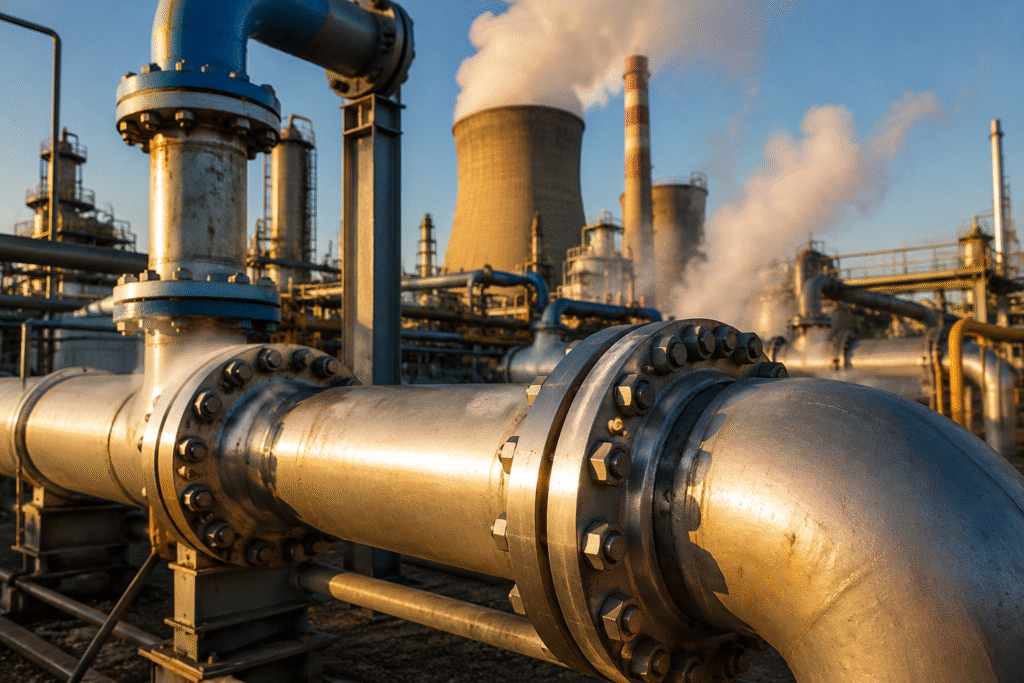
سوق شفة أنابيب الفولاذ المقاوم للصدأ: 7 رؤى مدعومة بالبيانات حول الأنواع, الاستخدامات, متانة, وكيفية الاختيار
وفقا لأبحاث جراند فيو (2024), تم تقييم سوق الفلنجات الصناعية العالمية بـ $5.8 مليار في 2023 ومن المتوقع أن يصل $7.2 مليار بواسطة 2030. هذا النمو يجعل شفة أنابيب الفولاذ المقاوم للصدأ a strategic component for engineers and buyers who need corrosion resistance, متانة, and lifecycle value in critical piping systems.
لفرق المشتريات, the intriguing part is not only material cost. The hidden advantages of stainless steel pipe flange selection include lower maintenance, توافق أقوى للوسائط, and better long-term performance across Oil & الغاز, البتروكيماويات, البحرية, وتطبيقات معالجة المياه.
لماذا يستمر سوق شفة أنابيب الفولاذ المقاوم للصدأ في التوسع
بحسب موقع IBISWorld (2024), حسابات آسيا والمحيط الهادئ لأكثر من 45% من إنتاج شفة العالمية, مع كون الصين أكبر منتج. لذلك, buyers increasingly compare not just product price, but also factory capability, الامتثال للمعايير, ووثائق الجودة التي يمكن تتبعها.
بحسب موقع ستاتيستا (2024), تمثل صناعة النفط والغاز ما يقرب من 35% من استهلاك شفة العالمية. That figure matters because demanding process conditions often require stainless, دوبلكس, سبائك النيكل, or carbon steel flange solutions with strict pressure-temperature ratings.
في الممارسة العملية, a stainless steel pipe flange supports bolted pipe connections that simplify installation, تقتيش, والصيانة. لكن, performance depends on correct selection of material grade, مواجهة شفة, فئة الضغط, سمك الجدار, انشقاق, وتوافق الحشية.
ASME B16.5 remains the core dimensional standard for pipe flanges and flanged fittings up to NPS 24, بينما ASME B16.47 يغطي أقطار أكبر. بالإضافة إلى ذلك, ASTM A182 governs forged or rolled alloy and stainless steel pipe flanges for high-temperature service, which directly affects material acceptance for many industrial projects (ASME, 2023; ASTM, 2023).
The versatility of stainless steel pipe flange products explains their broad industrial use. الدرجات مثل 304, 316, 316ل, 904ل, 2205, و 2507 give engineers flexible options for chloride exposure, درجات حرارة مرتفعة, ركوب الدراجات الضغط, and sour service design requirements.
As procurement cycles become more data-driven, buyers expect mill test certificates, EN 10204 3.1 وثائق التفتيش, مؤشر مديري المشتريات, وتقارير الأبعاد. علاوة على ذلك, certified manufacturing systems reduce sourcing risk when project schedules are tight and compliance requirements are non-negotiable.
SASA FLANGE تعمل في هذه البيئة مع ISO 9001:2015, بيد 2014/68/الاتحاد الأوروبي, و م 2000 أوراق اعتماد. تصنيع الشفاه في 304, 316, 904ل, 2205, 2507 وغيرها من الدرجات الممتازة, تخدم الشركة النفط & الغاز, البتروكيماويات, قوة, البحرية, معالجة المياه, وأسواق البناء.
بحسب معلومات موردور (2024), infrastructure upgrades and energy investments continue to support demand for industrial piping components across emerging and mature markets. نتيجة ل, stainless steel flange buyers increasingly prioritize supplier responsiveness, بالقطع المخصصة, and inspection transparency alongside cost.
That shift creates a clear opportunity for technically strong manufacturers. مدعومة بتصنيع CNC المتقدم واختبار الجودة الشامل, SASA FLANGE can supply custom sizes from 1/2" إلى 60" with competitive factory-direct pricing for global projects.
أنواع شفة أنابيب الفولاذ المقاوم للصدأ, المزايا الخفية, وعوامل الاختيار الفنية
The most effective buying decision starts with flange type and service condition, not price alone. In many systems, the hidden advantages of the right stainless steel pipe flange include longer gasket life, fewer leak paths, and reduced unplanned shutdowns.
As John Harrington, مهندس الأنابيب الأول, الدول: “A flange is rarely a commodity in severe service. The wrong facing, سبيكة, or pressure class can multiply maintenance costs far beyond the initial purchase price.”
وفقا لأبحاث السوق في المستقبل (2024), corrosion-related maintenance still represents a major lifecycle expense in process industries, often consuming 3% ل 5% of annual operating budgets in asset-intensive facilities. لذلك, selecting between 304, 316ل, 2205, أو 2507 should be based on fluid chemistry, محتوى الكلوريد, درجة حرارة, وضغط التصميم.
According to NACE guidance and common process industry practice, chloride-bearing media often accelerate pitting and crevice corrosion in lower-alloy stainless grades. بالتالي, 316/316ل, 904ل, دوبلكس 2205, أو سوبر دوبلكس 2507 may offer better durability than 304 in marine or chemical duty.
The main flange types used in industrial piping include the following.
- شفة عنق اللحام للضغط العالي, cyclic loads, والخدمة الحرجة.
- Slip on flange for lower-pressure systems and cost-efficient installation.
- شفة لحام المقبس لأنابيب الضغط العالي ذات التجويف الصغير.
- Threaded flange for non-welded connections in limited cases.
- شفة مفصلية للأنظمة التي تتطلب تفكيكًا متكررًا.
- شفة عمياء لإنهاء الخط, اختبار الضغط, أو التوسع المستقبلي.
Each type has specific advantages in fabrication and field use. على سبيل المثال, weld neck designs improve stress distribution at the hub transition, while slip on designs reduce machining complexity and often shorten installation time.
اختيار المواد لا يقل أهمية. ASTM A182 F304 and F316 are common forged stainless grades, while F316L offers lower carbon content that supports improved weldability and reduced risk of sensitization after welding.
في المقابل, الدرجات المزدوجة مثل 2205 combine higher strength with stronger chloride stress corrosion cracking resistance. That often allows wall thickness optimization in selected applications, although welding control and procedure qualification become more critical.
كما د. ايلينا موريس, عالم المواد, الدول: “The best flange alloy is the one that matches both the corrosion mechanism and the fabrication route. Buyers should evaluate not only media compatibility, but also weldability, الوثائق, and availability.”
Engineers usually assess these technical parameters before they choose a flange.
- Nominal pipe size from 1/2" إلى 60".
- فئة الضغط مثل 150, 300, 600, 900, 1500, أو 2500.
- تواجه نوع بما في ذلك الترددات اللاسلكية, FF, آر تي جيه, اللسان والأخدود, or male-female.
- Schedule and wall thickness of the mating pipe.
- درجة حرارة التشغيل والضغط التصميمي.
- Fluid corrosivity, محتوى المواد الصلبة, ونظام التنظيف.
- Required documentation such as EN 10204 3.1, مؤشر مديري المشتريات, hydrotest, or NDT.
للمشترين مقارنة أنواع شفة الفولاذ المقاوم للصدأ, the most common material choice remains 304 أو 316. لكن, the better grade depends on exposure conditions, لأن 316 و316L يتفوقان بشكل عام 304 in chloride-rich media due to molybdenum addition.
According to ASTM and ASME material standards, forged flange chemistry and mechanical properties must stay within tightly defined limits. لذلك, supplier quality systems, تتبع الحرارة, and inspection discipline matter just as much as catalog listings.
مع ISO 9001:2015 وشهادات PED 2014/68/EU, SASA FLANGE supports buyers that need standard and custom flange production. The company offers stainless steel flanges, الشفاه من الصلب الكربوني, الشفاه سبيكة, وتجهيزات الأنابيب مثل المرفقين, المحملات, مخفضات, and caps for integrated sourcing.
In real project execution, availability also affects specification decisions. If a 4 شفة أنابيب الفولاذ المقاوم للصدأ بوصة في فئتها 300 is needed urgently, buyers may choose a stocked forged grade with full traceability rather than a special alloy with extended lead time.
قال ذلك, lifecycle economics often justify a higher initial material cost. According to industry analysts at Grand View Research (2024), demand is shifting toward higher-performance materials in corrosive service as operators pursue lower maintenance and longer asset life.
ASME, ASTM, DIN, ومتطلبات EN الخاصة بالامتثال لشفة أنابيب الفولاذ المقاوم للصدأ
Standards compliance is the backbone of flange procurement. Without dimensional conformity, التحقق من المواد, and pressure-temperature validation, even a well-machined flange can create installation delays or integrity risks.
The most referenced standards for stainless steel pipe flange projects include ASME, ASTM, DIN, JIS, غوست, وأنظمة EN. In international supply chains, mixed standard environments are common, so buyers should confirm all dimensions before release.
- ASME B16.5 for pipe flanges and flanged fittings up to NPS 24.
- ASME B16.47 للحافات الفولاذية ذات القطر الكبير.
- ASME B16.9 for butt-welding fittings used with flange-connected systems.
- ASTM A182 for forged or rolled alloy and stainless flanges.
- EN 1092 لأبعاد الحافة الأوروبية وتسميات الضغط.
- DIN flange standards for legacy and regional industrial systems.
بحسب ASME (2023), تختلف تقييمات درجة حرارة الضغط حسب مجموعة المواد وفئة الحافة. لذلك, فئة 300 stainless steel pipe flange does not simply equal any PN-rated EN flange without dimensional and design verification.
Buyers should also evaluate documentation and regulatory requirements early. For projects entering Europe, PED 2014/68/EU compliance may be mandatory, while offshore or marine projects may request DNV or NORSOK-aligned documentation depending on the end use.
The following checklist helps reduce mismatch risk during sourcing.
- Confirm governing flange standard and revision level.
- Verify ASTM material grade and supplementary requirements.
- Match facing type to gasket style and bolting design.
- Review pressure class, temperature rating, وبدل التآكل.
- طلب EN 10204 3.1 certificates and PMI where required.
- يفحص NACE MR0175 أو ISO 15156 relevance for sour service.
For aggressive media, standards alone do not guarantee suitability. لكن, they provide the dimensional and material baseline needed for engineering review and quality acceptance.
مثل مايكل ترينت, محلل السوق الصناعي, الدول: “In global procurement, compliance paperwork often decides supplier approval before price does. Traceability and standards alignment are now central buying criteria for energy and process projects.”
Buyers often compare ASME and EN flange systems as shown below.
- ASME uses pressure classes such as 150 و 300, while EN commonly uses PN designations.
- ASME flange dimensions differ from EN 1092 dimensions in drilling and thickness details.
- Material naming may differ between ASTM and EN systems, even for similar chemistry ranges.
- Interchangeability should never be assumed without full drawing review.
For technical references, procurement and engineering teams can review standards directly through ASME. That step is especially useful for EPC projects where client specifications add supplementary testing, وضع العلامات, or surface finish requirements.
SASA FLANGE supports ASME, أنسي, DIN, JIS, غوست, و إن 1092 manufacturing requirements. التقديم 50+ الدول عبر النفط & الغاز, البتروكيماويات, قوة, والصناعات البحرية, the company provides inspection support and material options including 304, 316, 316ل, 904ل, 2205, 2507, أ105, أ182, إنكونيل, مونيل, هاستيلوي, والتيتانيوم.
That breadth matters when projects involve mixed metallurgy. A buyer may need stainless steel pipe flange assemblies for utility service, duplex flanges for seawater, and nickel alloys for acid handling in the same package.
How to Choose Stainless Steel Pipe Flange Solutions for Oil, الغاز, كيميائي, قوة, والمشاريع البحرية
Selection begins with the application. A flange for potable water service differs significantly from one used in offshore injection lines, high-temperature steam systems, or corrosive chemical transfer.
في النفط & الغاز, flange integrity directly affects leak prevention and maintenance intervals. Since this sector represents approximately 35% من استهلاك شفة العالمية (رجل دولة, 2024), buyers often demand higher traceability, تقييمات الضغط, and corrosion-resistant alloys.
لمصانع البتروكيماويات, 316L and higher alloys are common where process media contain chlorides or aggressive compounds. علاوة على ذلك, توافق الحشية, الانتهاء من شفة, and bolt material must align with the process envelope to avoid premature failure.
Power generation projects often prioritize pressure class, thermal cycling resistance, واتساق الأبعاد. لذلك, weld neck flange designs are widely used in high-pressure steam and condensate systems where fatigue performance matters.
Marine and shipbuilding applications typically emphasize seawater resistance and compact maintenance planning. في هذه الحالات, دوبلكس 2205 أو سوبر دوبلكس 2507 may outperform standard austenitic stainless in chloride-heavy environments.
Water treatment systems create a different set of priorities. هنا, buyers may focus on corrosion control, reliable availability, and cost-efficient maintenance, especially for pump stations, وحدات تحلية المياه, and chemical dosing lines.
When engineers choose a stainless steel pipe flange, they usually assess these factors.
- وسيلة الخدمة, بما في ذلك الكلوريدات, الأحماض, القلويات, or solids.
- ضغط التشغيل, surge conditions, and temperature range.
- Installation method, تأهيل اللحام, and field labor cost.
- مستوى التفتيش, بما في ذلك مؤشر مديري المشتريات, يوتا, حزب العمال, أو الاختبار الهيدروستاتيكي.
- Required standard system such as ASME B16.5 أو إن 1092.
- Delivery schedule, stocking needs, and custom machining lead time.
The intriguing benefit of working with a specialized manufacturer is application guidance. Instead of only supplying a catalog item, an experienced team can recommend flange face, فصل, سبيكة, and matching fittings based on service conditions and project specification.
SASA FLANGE offers custom manufacturing for standard and non-standard dimensions. مدعومة بتصنيع CNC المتقدم واختبار الجودة الشامل, the company can support projects needing raised face, وجه مسطح, آر تي جيه, and custom drilled configurations.
على سبيل المثال, a marine buyer sourcing a 2 inch stainless steel flange for ballast or seawater service may favor duplex material over 304 due to chloride exposure. في المقابل, a food-grade utility line may use 304 أو 316 depending on cleaning chemistry and hygiene protocol.
على نفس المنوال, أ 4 inch stainless steel pipe flange for high-temperature chemical service may require F316H, 321, or another heat-resistant grade depending on process temperature and code design. لذلك, flange selection should always connect material science with standards compliance and operating reality.
Buyers should also compare total package value. A supplier that can combine flanges with elbows, المحملات, مخفضات, and caps often reduces procurement complexity, documentation gaps, and shipment delays across multi-line piping projects.
For project teams that need factory-direct support, SASA FLANGE can assist with technical review, اقتباس, and custom production planning. That is especially useful for contractors balancing price, delivery, and certification requirements at the same time.
Future Outlook for Stainless Steel Pipe Flange Demand and Strategic Buying Recommendations
The outlook remains positive as energy, ماء, and industrial infrastructure spending continues to rise. وفقا لأبحاث جراند فيو (2024), من المتوقع أن ينمو سوق الفلنجات الصناعية من $5.8 مليار في 2023 ل $7.2 مليار بواسطة 2030, which reflects sustained replacement and expansion demand.
بالإضافة إلى ذلك, buyers are moving toward stronger supply-chain resilience. بحسب موقع IBISWorld (2024), تنتج منطقة آسيا والمحيط الهادئ أكثر من 45% من إنتاج شفة العالمية, so regional sourcing strategy, backup suppliers, and logistics planning now carry more weight in procurement decisions.
Digital procurement is also changing the market. Engineers increasingly expect fast drawing confirmation, إمكانية تتبع المواد, and immediate access to test documentation before issuing purchase orders.
للمشترين B2B, three recommendations stand out. أولاً, standardize approved flange materials by service category. ثانية, qualify suppliers on certification, القدرة على التفتيش, and responsiveness. ثالث, evaluate total installed cost rather than unit price alone.
من الناحية العملية, that means using 304 where corrosion conditions allow, upgrading to 316L or 904L where chemistry demands, and considering duplex grades where higher strength and chloride resistance create measurable lifecycle value. علاوة على ذلك, always verify ASME or EN dimensional compatibility before procurement release.
The hidden advantages of disciplined flange sourcing are significant. Better specification control reduces rework, protects turnaround schedules, and supports safer plant operation over the long term.
For companies planning new projects or replacement purchases, working with a manufacturer that understands materials, المعايير, and custom machining can shorten the path from RFQ to approved delivery. Buyers that need reliable stainless steel pipe flange supply, الدعم الفني, and documented quality can explore solutions through SASA FLANGE as part of a broader industrial piping sourcing strategy.
الأسئلة المتداولة
ما هي الأنواع المختلفة من الفلنجات المصنوعة من الفولاذ المقاوم للصدأ?
●أنواع شفة الفولاذ المقاوم للصدأ الرئيسية هي رقبة ملحومة, الانزلاق على, لحام المقبس, مترابطة, مفصل اللفة, والشفاه العمياء, و ASME B16.5 defines the core dimensional framework for most standard industrial sizes.
●بحسب موقع ستاتيستا (2024), the oil and gas sector uses about 35% من حجم شفة العالمية, which is why weld neck and blind flange designs are especially common in higher-pressure systems.
●Weld neck flanges offer better stress distribution, while slip on flanges simplify alignment and fabrication in lower-pressure lines.
●Threaded flanges support non-welded installation in special cases, and socket weld flanges are often chosen for small-bore high-pressure service.
●For projects requiring multiple flange types in 304, 316, 2205, or custom grades, العمل مع الشركات المصنعة القائمة مثل SASA FLANGE helps ensure dimensional consistency and full traceability.
أيهما أفضل 304 أو 420 الفولاذ المقاوم للصدأ?
●لمعظم تطبيقات شفة أنابيب الفولاذ المقاوم للصدأ, 304 عموما أفضل من 420 because it offers stronger corrosion resistance and is more widely used in industrial piping systems.
●درجة 420 هو الفولاذ المقاوم للصدأ المارتنسيتي مع إمكانية صلابة أعلى, but it is less suitable for many corrosive flange services than austenitic 304 أو 316 الدرجات.
●According to ASTM material classifications and common process industry practice, 304 remains one of the most common stainless selections for fabricated and forged piping components because of its balance of formability, قابلية اللحام, والتكلفة.
●لكن, if chloride exposure is significant, 316 or 316L is often a better flange choice than either 304 أو 420 due to improved pitting resistance from molybdenum addition.
●For application-specific alloy selection, buyers should confirm fluid chemistry, درجة حرارة, and standard requirements with a qualified supplier such as SASA FLANGE.
ما هي الصناعة التي تستخدم معظم الفولاذ المقاوم للصدأ?
●Among flange-consuming sectors, oil and gas is the largest single end-use segment, المحاسبة لحوالي 35% من استهلاك شفة العالمي وفقا لStatista (2024).
●That does not mean all stainless demand comes only from oil and gas, because chemical processing, البحرية, معالجة المياه, تجهيز الأغذية, and power generation also use large volumes of stainless materials.
●Stainless steel becomes especially important where corrosion resistance, صحة, or elevated temperature performance directly affects uptime and safety.
●على سبيل المثال, water treatment and marine sectors often specify 316L, دوبلكس 2205, or higher alloys where chloride exposure can quickly shorten the life of lower-grade materials.
●Companies sourcing across several industries benefit from suppliers that can provide both stainless steel flanges and matching fittings under one quality system, مشتمل ISO 9001:2015 and PED-aligned documentation.
ما هي الأنواع الثلاثة من الشفاه?
●The three flange types most commonly referenced in basic industrial discussions are weld neck, الانزلاق على, and blind flanges because they cover many standard piping installation needs.
●تُفضل الشفاه ذات الرقبة الملحومة للخدمة ذات الضغط العالي أو الدوري, slip on flanges are used for simpler and often lower-pressure fabrication, and blind flanges close the end of a line or vessel nozzle.
●وفق ASME B16.5, all three types are standardized by dimensions, مواجهة الخيارات, وفئات الضغط, which helps buyers compare products across qualified manufacturers.
●في مشاريع حقيقية, engineers also frequently use socket weld, مترابطة, and lap joint flanges when piping size, احتياجات الصيانة, or field welding limitations make those designs more practical.
●Buyers should select flange type based on process duty, متطلبات التفتيش, and total installed cost rather than assuming one design fits every piping service.
How do I choose the right stainless steel pipe flange?
●The right stainless steel pipe flange is chosen by matching material grade, فئة الضغط, تواجه, جدول الأنابيب, and corrosion conditions to the project design code and service medium.
●وفقا لأبحاث جراند فيو (2024), the industrial flange market will reach $7.2 مليار بواسطة 2030, and that growth reflects increasing demand for application-specific solutions rather than one-size-fits-all components.
●من الناحية العملية, buyers should first verify whether 304, 316ل, 904ل, 2205, أو 2507 is appropriate for the fluid chemistry and operating temperature.
●التالي, they should confirm whether ASME B16.5, ASME B16.47, أو إن 1092 يحكم الأبعاد, and then check if RF, FF, or RTJ facing best fits the gasket system.
●For critical service or custom sizes from 1/2" إلى 60", partnering with a supplier like SASA FLANGE improves the chances of getting compliant documentation and reliable lead times.
ما يؤثر على سعر شفة أنابيب الفولاذ المقاوم للصدأ?
●يعتمد سعر شفة الأنابيب الفولاذية المقاومة للصدأ بشكل أساسي على درجة السبائك, مقاس, فئة الضغط, تعقيد الآلات, متطلبات الاختبار, وحجم الطلب.
●على سبيل المثال, عادةً ما تكلف شفة عنق اللحام 316L أكثر من 304 slip on flange of the same size because the material value and machining profile are both higher.
●بحسب موقع IBISWorld (2024), حسابات آسيا والمحيط الهادئ لأكثر من 45% من إنتاج شفة العالمية, which means regional manufacturing scale and logistics can significantly influence quoted price and lead time.
●متطلبات إضافية مثل مؤشر مديري المشتريات (PMI)., EN 10204 3.1 شهادة, الامتثال NACE, or custom drilling can increase total cost but often reduce project risk in return.
●To compare price accurately, buyers should evaluate total delivered value, بما في ذلك الامتثال, إمكانية التتبع, التعبئة والتغليف, and support for matching fittings, rather than focusing on unit price alone.
الوظائف ذات الصلة
شفة الوجه النهاية: شرح متحدة المركز مقابل التسنينات الحلزونية
تعتبر كل من المسننات المركزة واللولبية عبارة عن تشطيبات وجه شفة مُشكَّلة آليًا…
دوبلكس 2205 مقابل الشفاه 316L: ما هي المواد التي يجب عليك اختيارها؟?
إجابة سريعة: دوبلكس 2205 الشفاه عادة ما تكون المرشح الأقوى…

تعريف شفة الفوهة, التفاصيل ونظرة عامة على الشفاه ASME B16.36: بيانات السوق, دليل الاختيار ورؤى الامتثال
تم تقييم سوق الفلنجات الصناعية العالمية بـ $5.8 مليار…

دليل سوق شفة التخلص الأسود: مواد, 3.5″ التوافق, وبيانات مصادر B2B لحواف حوض المطبخ
يتزايد الطلب على شفة التخلص السوداء مع المشترين لتركيبات المطبخ…