
Cómo seleccionar clase 150, 300, 600, 900 o 1500 Bridas
respuesta directa
Select flange class by locating the flange material in the applicable ASME pressure-temperature table, then confirming that the allowable pressure at the design temperature meets or exceeds the required design pressure. Also check size limits, tipo de brida, frente a, empaquetadora, atornillar, piping code and project design margin. Clase 150 does not simply mean 150 psi.
Conclusiones clave
- Use pressure and temperature simultaneously.
- Use the correct material group and current project-approved standard edition.
- Confirm the entire joint rating; the lowest-rated compatible component governs.
Step 1: define design conditions
Start with design pressure and design temperature, not normal operating values. Include upset, steam-out, regeneration, shutdown and external-fire cases where the design basis requires them. Vacuum or external pressure may introduce separate checks.
The fluid category, cyclic service and leakage consequence can also influence flange type, facing and assembly requirements even when the numerical class is adequate.
Step 2: identify material group and rating table
ASME B16.5 assigns listed materials to groups with pressure-temperature ratings by class. Find the exact ASTM grade and confirm any notes. Do not use a table for A105 when ordering F22 or F91.
Read the edition specified by the project. Online charts may omit notes, use an older edition or apply to a different material.
Step 3: verify size, class and flange configuration
ASME B16.5 covers NPS 1/2 through NPS 24 within defined class ranges. Clase 2500 has a more limited size scope than lower classes. Large-diameter flanges are addressed separately by ASME B16.47.
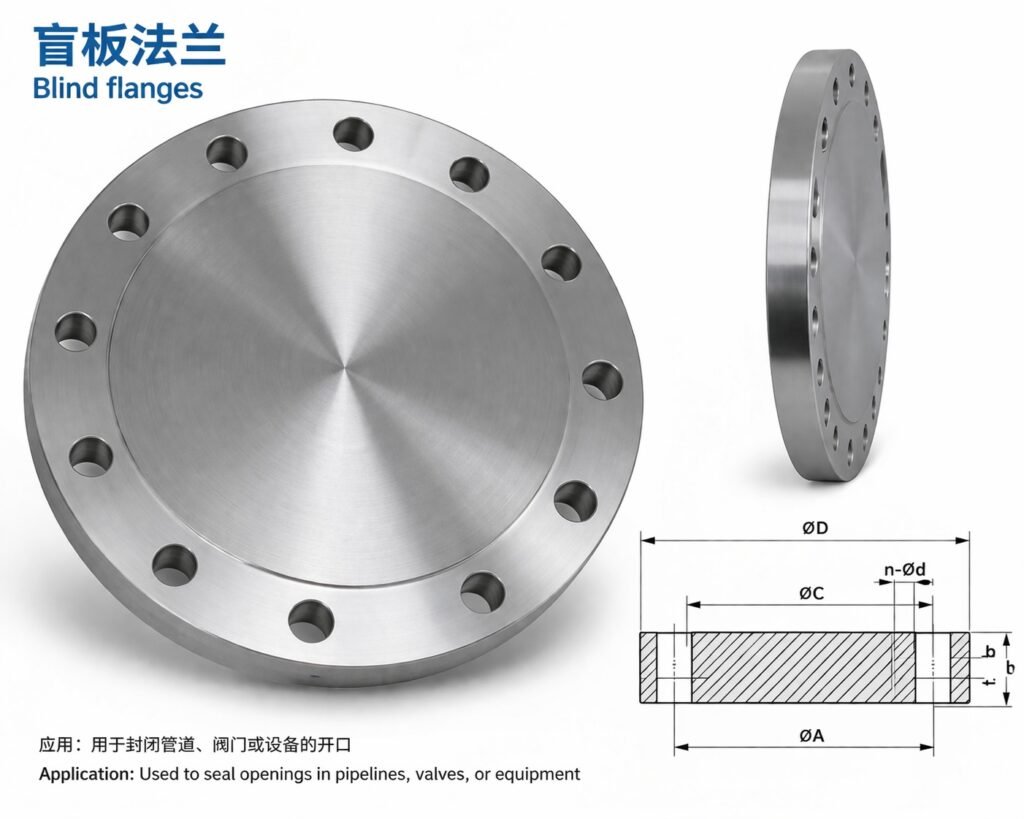
Then verify weld neck, deslizarse, blind or other type restrictions, the required facing, pipe bore and any project-specific dimensions.
Step 4: check the complete bolted joint
A flange rating does not independently qualify the gasket, bolts, nuts, attached pipe or nozzle. Check gasket temperature and chemical compatibility, bolting allowable stress, differential thermal expansion, external loads and assembly method.
Document the selected class in the line list and valve/flange data sheets so all mating components are purchased consistently.
Preguntas frecuentes
¿Tiene clase? 300 significar 300 psi?
No. Class is a designation. Allowable pressure varies with material and temperature and must be read from the applicable standard table.
Can a higher-class flange replace a lower-class flange?
Not without review. Dimensiones, bolt pattern, thickness, mating equipment, gasket and system design may differ.
Which class is best for F22?
There is no universal best class. It must be selected from the F22 material rating and the project design conditions.
Estándares primarios referenciados
- ASME B16.5-2025 — Pipe Flanges and Flanged Fittings, NPS 1/2 A través de NPS 24
- ASME B16.47-2025 — Large Diameter Steel Flanges, NPS 26 A través de NPS 60
Always verify the edition specified by the purchase order and obtain the complete controlled standard for design and acceptance.
Solicite una cotización de bridas de acero aleado
Enviar la calificación del material, estándar, NPS, clase de presión, tipo de brida, frente a, cronograma de tuberías, requisitos de cantidad e inspección. SASA FLANGE will review the technical description before quotation.
Posts Relacionados
Métodos de inspección NDT para bridas de acero aleado forjado
A buyer-focused guide to non-destructive testing methods for forged alloy…

Requisitos de prueba de dureza para F11, Bridas F22 y F91
Una guía práctica para especificar e interpretar pruebas de dureza en…
Cómo leer las marcas de bridas ASTM A182
Una guía de campo para interpretar ASTM A182 y ASME B16.5…
Bridas forjadas versus bridas fundidas: ¿Cuál es más seguro para tuberías críticas??
Una comparación de ingeniería equilibrada de bridas forjadas y fundidas para…