クラスの選択方法 150, 300, 600, 900 または 1500 フランジ
直接の答え
Select flange class by locating the flange material in the applicable ASME pressure-temperature table, then confirming that the allowable pressure at the design temperature meets or exceeds the required design pressure. Also check size limits, フランジタイプ, 直面している, ガスケット, ボルト締め, piping code and project design margin. クラス 150 does not simply mean 150 psi.
重要なポイント
- Use pressure and temperature simultaneously.
- Use the correct material group and current project-approved standard edition.
- Confirm the entire joint rating; the lowest-rated compatible component governs.
Step 1: define design conditions
Start with design pressure and design temperature, not normal operating values. Include upset, steam-out, regeneration, shutdown and external-fire cases where the design basis requires them. Vacuum or external pressure may introduce separate checks.
The fluid category, cyclic service and leakage consequence can also influence flange type, facing and assembly requirements even when the numerical class is adequate.
Step 2: identify material group and rating table
ASME B16.5 assigns listed materials to groups with pressure-temperature ratings by class. Find the exact ASTM grade and confirm any notes. Do not use a table for A105 when ordering F22 or F91.
Read the edition specified by the project. Online charts may omit notes, use an older edition or apply to a different material.
Step 3: verify size, class and flange configuration
ASME B16.5 covers NPS 1/2 through NPS 24 within defined class ranges. クラス 2500 has a more limited size scope than lower classes. Large-diameter flanges are addressed separately by ASME B16.47.
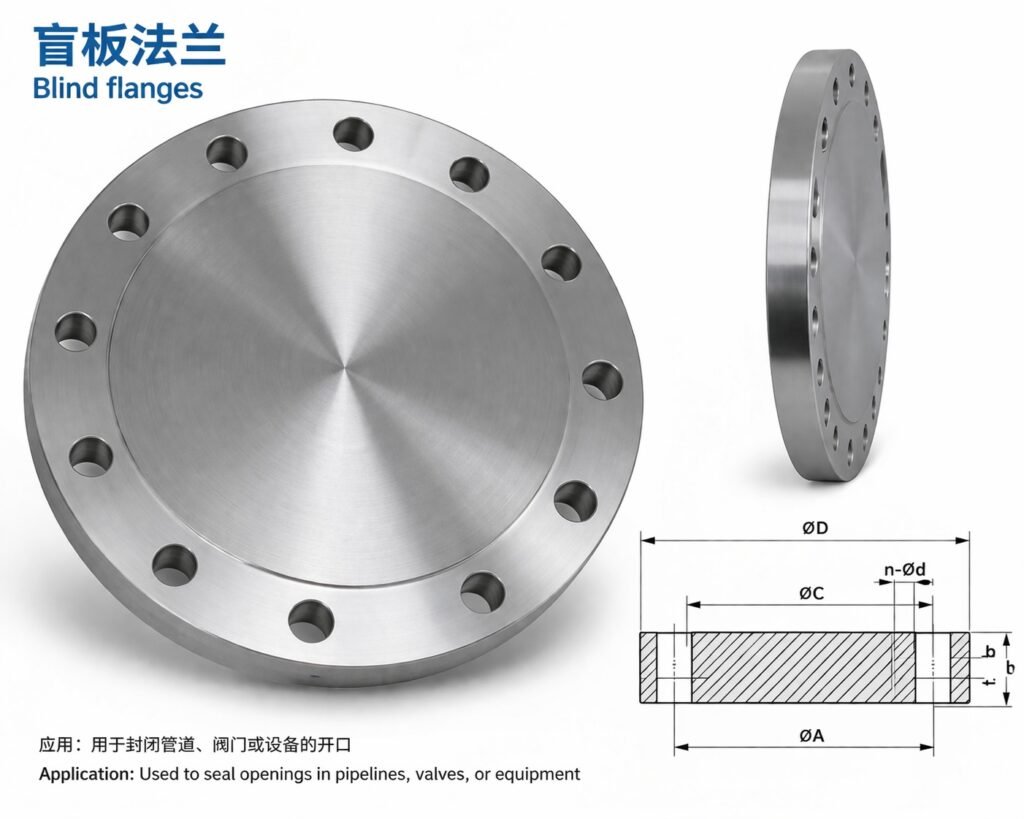
Then verify weld neck, スリッポン, blind or other type restrictions, the required facing, pipe bore and any project-specific dimensions.
Step 4: check the complete bolted joint
A flange rating does not independently qualify the gasket, bolts, ナッツ, attached pipe or nozzle. Check gasket temperature and chemical compatibility, bolting allowable stress, differential thermal expansion, external loads and assembly method.
Document the selected class in the line list and valve/flange data sheets so all mating components are purchased consistently.
よくある質問
Does Class 300 mean 300 psi?
いいえ. Class is a designation. Allowable pressure varies with material and temperature and must be read from the applicable standard table.
Can a higher-class flange replace a lower-class flange?
Not without review. 寸法, bolt pattern, 厚さ, mating equipment, gasket and system design may differ.
Which class is best for F22?
There is no universal best class. It must be selected from the F22 material rating and the project design conditions.
参照される主な規格
- ASME B16.5-2025 — 管フランジおよびフランジ継手, NPS 1/2 NPSを通じて 24
- ASME B16.47-2025 — Large Diameter Steel Flanges, NPS 26 NPSを通じて 60
発注書で指定されたエディションを常に確認し、設計と承認に関する完全に管理された基準を取得してください。.
合金鋼フランジの見積もりをリクエストする
材料グレードを送信します, 標準, NPS, 圧力クラス, フランジタイプ, 直面している, パイプスケジュール, 数量と検査要件. SASA FLANGE 見積もりの前に技術的な説明を確認します.
関連投稿