Descripción
Full-bore stainless steel isolation valve
Válvula de compuerta de cuña de acero inoxidable
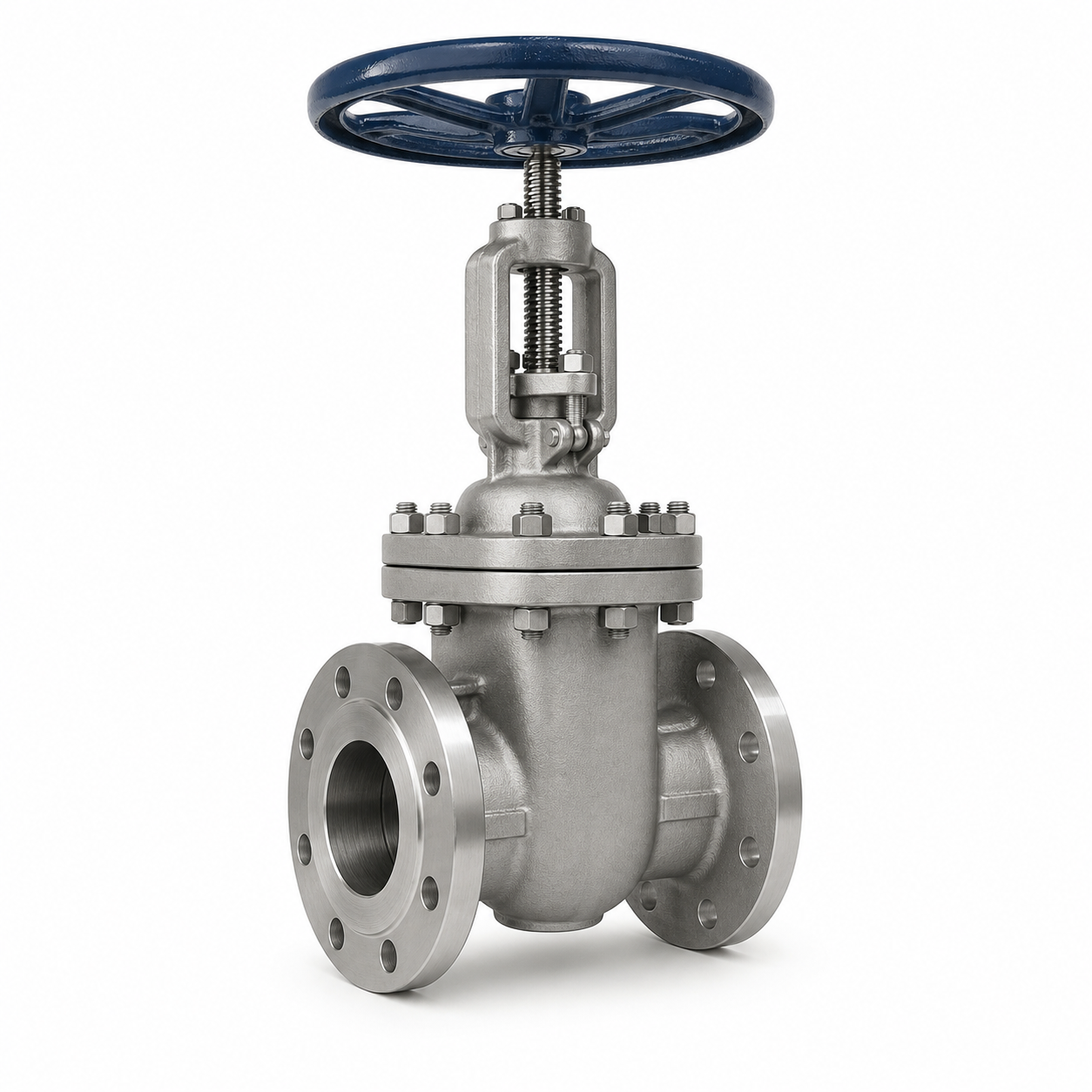
A rising-stem gate valve for fully open or fully closed service in process piping, available with material, recortar, end and operator selections matched to the piping specification.
What is a stainless steel wedge gate valve?
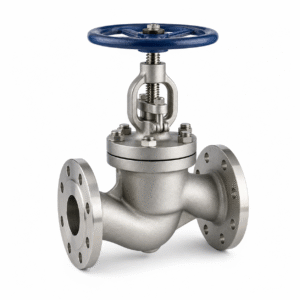
A wedge gate valve controls flow by raising or lowering a wedge-shaped closure member between two seats. In the fully open position, the flow path is substantially unobstructed, making the design suitable for isolation where low pressure drop is important.
Flexible wedges can accommodate limited seat alignment and temperature effects better than a rigid solid wedge in many services. Gate valves are not normally selected for throttling because partial opening can cause vibration, seat erosion and damage to the wedge or guides.
Wedge gate valve specifications
| Producto | Stainless steel wedge gate valve |
|---|---|
| Construcción | Bolted bonnet or pressure seal when separately designed and ordered |
| Wedge options | Flexible wedge or solid wedge according to design and service |
| Stem arrangement | Outside screw and yoke, rising stem |
| Body materials | ASTM A351 CF8/CF8M/CF3/CF3M; duplex or nickel alloy by specification |
| Trim and seating | Stainless/alloy trim with integral, renewable or hardfaced seats as ordered |
| Clasificación de presión | ASME Class or PN rating verified against material and temperature |
| Conexiones finales | RF, RTJ or butt-weld ends according to design |
| Operación | Handwheel, gearbox, electric, pneumatic or hydraulic actuator |
| Optional features | Lantern ring, live-loaded packing, bypass, drenar, locking and emissions-qualified packing when specified |
| Documentación | Material records, informe de prueba de presión, GA drawing and inspection dossier as ordered |
The table describes typical engineered supply options, not a universal stock range. Final size, pressure-temperature rating, recortar, seat, operator and end connection must be confirmed against the purchase specification and applicable code edition.
Stainless steel and alloy material options
| familia de materiales | Common cast designations | Typical selection basis |
|---|---|---|
| Austenitic stainless steel | ASTM A351 CF8, CF8M, CF3 and CF3M | General corrosion resistance; CF8M/CF3M adds molybdenum for improved chloride resistance. |
| Duplex stainless steel | ASTM A995/A890 4A and related 2205 calificaciones | Higher strength and improved chloride stress-corrosion resistance when properly specified. |
| Super duplex stainless steel | ASTM A995/A890 5A or 6A | Agua de mar, offshore and high-chloride service subject to temperature and fabrication controls. |
| Nickel alloy | ASTM A494 grades matching C276, Aleación 20, Monel or other ordered chemistry | Selected from actual process chemistry, concentración, temperature and contamination data. |
Diseño, testing and project compliance
API 600
Common design basis for bolted-bonnet steel gate valves. Material, recortar, espesor de pared, testing and marking are tied to the ordered edition.
ASME B16.34
Defines pressure-temperature and general valve design requirements within its scope.
API 598
Provides common shell, backseat and closure pressure-test requirements when specified.
API 624 / ISO 15848-1
Fugitive-emission qualification applies only to the qualified stem packing system and valve design.
Standards are supplied only when stated in the quotation and purchase order. A prueba de fuego, emisión-fugitiva, servicio amargo, cryogenic and PED requirements require a defined design and supporting qualification or documentation.
Aplicaciones típicas
| Industria | Typical duty | Selection focus |
|---|---|---|
| Procesamiento químico | Main process-line isolation | Corrosion-compatible pressure boundary, trim and packing |
| Petroquímico | Unit isolation and block duties | Fire-safe philosophy, emissions and pressure class |
| Generación de energía | Agua, steam auxiliaries and chemical systems | Temperature rating, trim and operating torque |
| Marine and offshore | Utility and selected seawater systems | Duplex material, external corrosion and actuation |
Application examples are not a service approval. The end user or piping materials engineer must verify corrosion compatibility, pressure-temperature limits, emissions class, operating frequency and applicable regulations.
Inspection and supply documentation
EN 10204 3.1 material records and heat-number traceability when ordered.
Shell and closure/seat testing to the ordered standard with documented acceptance criteria.
Positive material identification and PT/RT/UT scope arranged when specified in the inspection plan.
Dimensiones, calificación, operación, coating/cleanliness, packing and document dossier checked before dispatch.
Lista de verificación de solicitudes de presupuesto
- API/ASME/EN design standard and edition
- Nominal size and pressure class or PN
- Cuerpo, bonnet, wedge, stem, seat, packing and bolting materials
- Flexible wedge or solid wedge
- RF, RTJ or butt-weld end details
- Manual or actuated operation
- Líquido, design pressure and design temperature
- Emissions, NACE, fire-safe philosophy and inspection requirements
Preguntas frecuentes
Should a wedge gate valve be used for throttling?
Normally no. A wedge gate valve is intended for fully open or fully closed isolation. Extended partial opening can cause unstable flow, vibration and damage to seating surfaces.
What is the difference between a flexible and solid wedge?
A flexible wedge has controlled flexibility that can accommodate limited seat-angle and thermal effects. A solid wedge is more rigid. The project specification and service determine the correct choice.
What does OS&Y mean?
Outside screw and yoke means the stem threads are outside the pressure boundary. With a rising-stem arrangement, stem movement also provides visual position indication.
Can duplex stainless steel be supplied?
Sí, subject to the required cast grade, tratamiento térmico, prueba de corrosión, trim compatibility, welding controls and pressure-temperature rating.
Which documents should be specified?
Common requirements include EN 10204 3.1 registros de materiales, pressure test reports, PMI, dimensional inspection and GA drawings. Project-specific NDE and third-party witnessing should be stated at inquiry stage.
Request a wedge gate valve quotation
Provide the design standard, tamaño, clase, materiales, wedge, ends, operating conditions and documentation requirements.