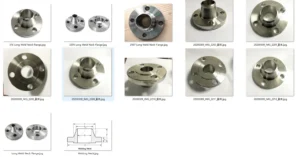
高圧用途向けの RF フランジと RTJ フランジ
直接の答え
RF flanges seal by compressing a gasket against two raised faces. RTJ flanges seal by deforming a metallic ring gasket inside matched grooves. RTJ is commonly selected for severe high-pressure or high-temperature services when the line class and mating equipment require it, but it is not automatically better for every application. 対面, ガスケット, class and mating geometry must match exactly.
重要なポイント
- RF and RTJ describe different sealing systems, not cosmetic face options.
- An RTJ joint requires two compatible grooves and the specified metal ring.
- High pressure alone does not decide the facing; the line class and service do.
How RF and RTJ sealing differ
| 特徴 | 盛り上がった顔 (RF) | リング型ジョイント (RTJ) |
|---|---|---|
| Sealing element | Compressed gasket on raised surfaces | Metal ring gasket seated in matched grooves |
| Contact pattern | Broader gasket contact area | Concentrated metal-to-metal ring contact |
| Common use | Wide range of process and utility duties | Severe pressure/temperature duties defined by line class |
| Critical inspection area | Face flatness, finish and damage | Groove profile, 仕上げる, corrosion and mechanical damage |
Both designs can provide reliable service when correctly specified, machined, assembled and maintained. Neither facing compensates for inadequate bolting, misalignment or uncontrolled external loads.
When RTJ is commonly specified
RTJ connections are often found in higher-pressure refinery, 石油化学, offshore and oil-and-gas systems. The metal ring and groove arrangement can suit demanding joint requirements, but selection must follow the project line class and the available facing provisions for the selected standard and class.
Installation quality is critical. The ring material and profile must be correct, grooves must be clean and undamaged, and the flanges must be aligned. A reused or incorrect ring can compromise the seal even when the flange material and class are correct.
Compatibility and conversion traps
An RF flange should not be bolted to an RTJ flange as a normal field solution. The facing geometry and sealing concept differ. Converting a joint requires engineering approval, compatible replacement components and verification of dimensions, rating, ガスケット, bolting and connected equipment.
Buyers should state the exact facing and any groove designation required by the project. “RTJ flange” by itself may still omit the standard, NPS, クラス, 材料, フランジタイプ, groove or ring reference, bore and finish.
Inspection and ordering checklist
- ASME規格, NPS, クラスとフランジの種類
- RF or RTJ facing and required finish
- RTJ groove and ring-gasket designation where applicable
- ASTM material specification and exact grade
- Mating-flange or equipment-nozzle details
- Face or groove dimensional inspection
- Protection against corrosion and handling damage
- Bolting, ガスケット, MTC, PMI and NDE requirements
Keep machined faces protected through shipping and storage. Damage in an RTJ groove or across an RF sealing path can be more consequential than rust on a non-sealing exterior surface.
よくある質問
Is RTJ always better than RF at high pressure?
いいえ. RTJ is common in severe service, but the approved standard, クラス, line class, gasket strategy and mating equipment determine the correct facing.
Can an RF flange mate with an RTJ flange?
They are not a normal compatible pair. Any conversion requires engineered replacement or an approved joint solution.
Can an RTJ ring gasket be reused?
Metal rings are generally treated as single-use sealing elements unless the governing procedure explicitly permits otherwise.
参照される主な規格
- ASME B16.5-2025 – 管フランジおよびフランジ付継手, NPS 1/2 NPSを通じて 24
- ASME B16.47-2025 – Large Diameter Steel Flanges, NPS 26 NPSを通じて 60
規格は発行者のページと照合してチェックされました。 3 8月 2026. 必ずプロジェクトで指定されたエディションを購入して適用してください.
合金鋼フランジの見積もりをリクエストする
材料グレードを送信します, 標準, NPS, 圧力クラス, フランジタイプ, 直面している, パイプスケジュール, 数量と検査要件. 私たちのチームは見積もりの前に技術的な説明を確認します.
関連投稿
ASTM A182 F51 対 F60 フランジ: S31803 と S32205 の説明
ASTM A182 F51 および F60 二重フランジの比較, S31803/S32205を含む…
UNS S32750 対 S32760 フランジ: ASTM A182 F53 または F55?
S32750 と S32760 スーパーデュプレックス フランジの比較, ASTM A182を含む…