
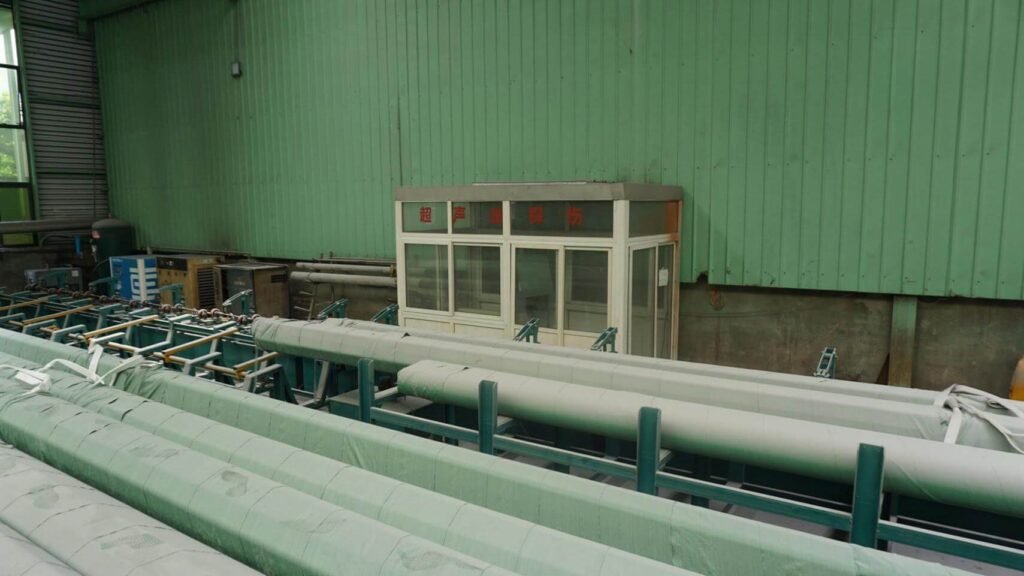
การทดสอบ PMI และอัลตราโซนิกสำหรับหน้าแปลนฟอร์จ F91 เสร็จสมบูรณ์
Positive material identification and ultrasonic testing were completed for an ASTM A182 F91 forged flange package. The inspection plan used PMI to verify alloy identity and UT to examine internal quality, supported by hardness, dimensional and traceability reviews.
ภาพรวมโครงการ
| สถานะโครงการ | PMI and UT completed |
|---|---|
| วัสดุ | ASTM A182 เหล็กโลหะผสมหลอม F91 |
| ประเภทหน้าแปลน | เชื่อมคอและตาบอด, RF/RTJ as ordered |
| มาตรฐาน | ASME B16.5 |
| ระดับความดัน | Class 600–1500 |
| ช่วงขนาด | NPS 4–18 |
| การตรวจสอบ | พีเอ็มไอ, ยูทาห์, ความแข็ง, dimensions and traceability |
| แอปพลิเคชัน | High-temperature power and process piping |
ไฮไลท์การจัดส่ง
PMI verification for F91 material identity
PMI readings were taken at prepared locations under the approved procedure and compared with the project acceptance criteria. Instrument identification, calibration checks, ตัวดำเนินการ, item and heat number were recorded. Where light elements or carbon are decisive, the method and its limitations must be considered rather than relying on a generic alloy library result.
PMI does not verify microstructure, tensile properties or heat treatment. Those characteristics require separate records and tests.
Ultrasonic examination and final review
UT was performed from suitable scanning surfaces to examine the forging for reportable internal reflectors within the specified coverage. สภาพพื้นผิว, calibration blocks, ความไว, scan plan and acceptance standard were controlled by the examination procedure.
The final review combined UT reports with hardness, ขนาด, การรักษาความร้อน, markings and material certificates. This evidence package supported release of the finished F91 flanges without treating any single test as a complete quality verdict.
ข้อมูลที่จำเป็นสำหรับ RFQ ที่เปรียบเทียบได้
การสอบถามที่เปรียบเทียบกันได้ควรระบุข้อกำหนดและเกรดของวัสดุที่แน่นอน, ควบคุมมาตรฐานและฉบับ, กรมอุทยานฯ, ระดับความดัน, ประเภทหน้าแปลน, หันหน้าไปทาง, กำหนดการเจาะหรือจับคู่ท่อ, ปริมาณและปลายทาง. สำหรับโครงการ-ขอบเขตข่าวนี้, จุดอ้างอิงที่สำคัญคือ ASTM A182 เหล็กโลหะผสมหลอม F91, เชื่อมคอและตาบอด, RF/RTJ as ordered, Class 600–1500 และ NPS 4–18.
ระบุความจำเป็น EN 10204 ประเภทใบรับรอง, การติดตามหมายเลขความร้อน, ขอบเขตของ PMI, ขีดจำกัดความแข็ง, รายงานมิติ, วิธีการใกล้ตายและมาตรฐานการยอมรับ, จุดพยานของบุคคลที่สาม, วิธีการบรรจุและวันที่จัดส่งที่ต้องการในขั้นตอนการเสนอราคา. คำจำกัดความเบื้องต้นช่วยให้สามารถผลิตได้, การตรวจสอบและกำหนดเอกสารให้ตรวจสอบร่วมกัน.
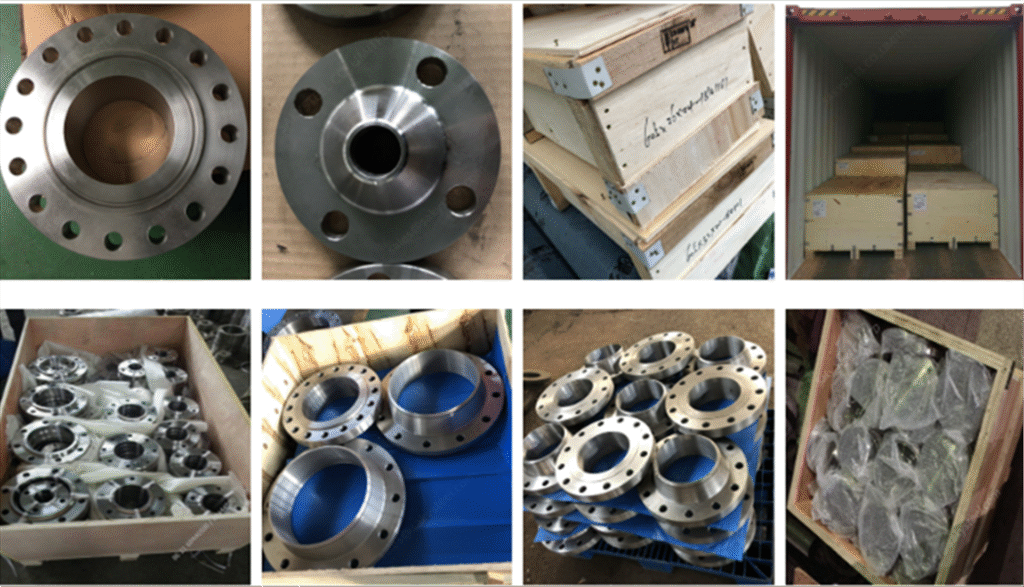
การผลิต, การตรวจสอบและบรรจุภาพถ่าย
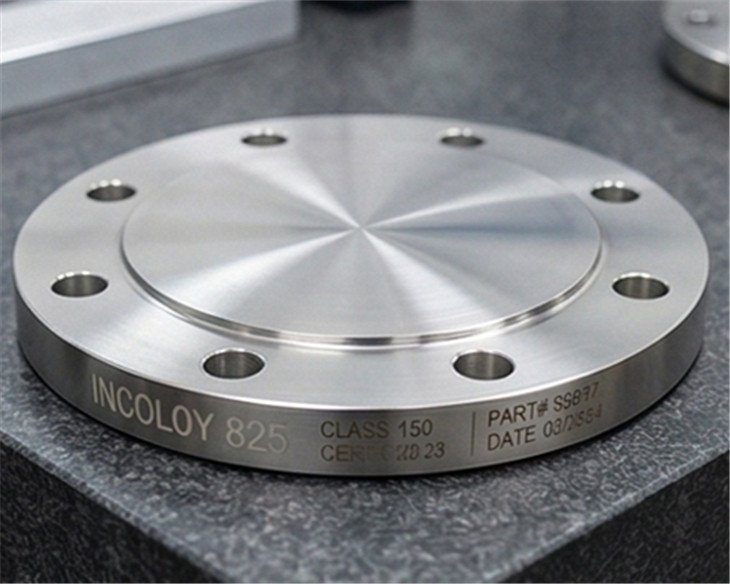
รูปภาพแสดงสิ่งที่เกี่ยวข้อง SASA FLANGE การผลิต, ขั้นตอนการควบคุมคุณภาพและการจัดส่งที่ใช้สำหรับรายงานข่าวโครงการนี้.

คำแนะนำทางเทคนิคที่เกี่ยวข้อง
คำถามที่พบบ่อย
What is the difference between PMI and UT?
PMI checks alloy chemistry at the test location. UT uses sound waves to examine internal material quality.
Can UT identify the alloy grade?
เลขที่. UT is not a chemical identification method; grade identity comes from traceability, certificates and appropriate PMI or laboratory testing.
Why is hardness reviewed for F91?
Hardness provides supporting evidence about material and thermal condition, especially when reviewed with heat-treatment and mechanical-property records.
ขอใบเสนอราคาหน้าแปลนเหล็กอัลลอยด์
ส่งเกรด ASTM, มาตรฐานและฉบับ, กรมอุทยานฯ, ระดับความดัน, ประเภทหน้าแปลน, หันหน้าไปทาง, ตารางการเจาะหรือท่อ, ปริมาณ, ปลายทางการจัดส่งและ PMI ที่จำเป็น, ใกล้ใกล้ตาย, ความแข็ง, การตรวจสอบและเอกสารของบุคคลที่สาม.
โพสต์ที่เกี่ยวข้อง
ASTM B564 UNS N06625 หน้าแปลน: ระดับ 1 เทียบกับเกรด 2
เรียนรู้วิธี ASTM B564 เกรด 1 และเกรด 2 นำมาใช้…
C-2000 กับ C22 หน้าแปลน: การเลือกวัสดุและการตรวจสอบ RFQ
เปรียบเทียบเอกลักษณ์ของวัสดุหน้าแปลน C-2000 และ C22, เงื่อนไขการให้บริการ, การปลอม…
ASTM A182 F51 กับ F60 หน้าแปลน: อธิบาย S31803 กับ S32205
เปรียบเทียบหน้าแปลนดูเพล็กซ์ ASTM A182 F51 และ F60, รวมถึง S31803/S32205…
UNS S32750 กับ S32760 หน้าแปลน: ASTM A182 F53 หรือ F55?
เปรียบเทียบหน้าแปลนซูเปอร์ดูเพล็กซ์ S32750 และ S32760, รวมถึง ASTM A182…