
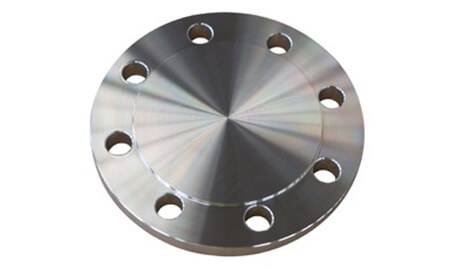
Mặt bích thép không gỉ dùng để làm gì?
Trả lời nhanh
A stainless steel flange is used to create a bolted, separable connection between pipe sections, van, máy bơm, tàu hoặc thiết bị khác. It can provide maintenance access, terminate a line with a blind flange, connect dissimilar equipment interfaces or form part of a gasketed pressure-boundary joint. The flange, miếng đệm, chốt, alignment and assembly procedure work as a system; the flange alone does not guarantee a leak-free joint.
See flange functions and applications
What a Stainless Steel Flange Actually Does
| Chức năng | sử dụng điển hình | Important boundary |
|---|---|---|
| Connect pipe to pipe | Creates a removable joint between piping sections. | Both mating flanges must match the required standard, kích cỡ, lớp/PN, mô hình mặt và bu lông. |
| Connect equipment | Joins piping to pumps, van, tàu thuyền, heat exchangers or instruments with flanged nozzles. | Nozzle loads, alignment and equipment requirements must be checked by the system designer. |
| Provide maintenance access | Allows a joint to be opened for inspection, cleaning or component replacement. | Sự cách ly, depressurization and a controlled reassembly procedure remain necessary. |
| Close a line | A blind flange terminates or isolates an opening. | Blind-flange thickness and pressure-temperature rating must suit the design conditions. |
| Accommodate a selected connection method | Weld-neck, trượt trên, mối hàn ổ cắm, threaded and lap-joint arrangements address different fabrication or maintenance needs. | Type selection does not replace piping-code, hàn, corrosion or fatigue review. |
Why Stainless Steel Is Selected
Stainless steel is often considered when the piping system needs a combination of corrosion resistance, tính chất cơ học, cleanability or temperature capability. The correct grade depends on the service fluid, hàm lượng clorua, chất gây ô nhiễm, nhiệt độ thiết kế, lộ trình chế tạo, cleaning chemicals and project specification.
Material choice is not a universal ranking. 304-family grades may suit many general environments; molybdenum-bearing 316-family grades are often considered for improved resistance to localized corrosion; higher-alloy or duplex grades may be evaluated for more demanding duties. The engineering basis and ordered material standard must control the decision.
Where Stainless Steel Flanges Are Commonly Used
- Chemical and process piping: for selected corrosive fluids where the grade is compatible with the chemistry and temperature.
- Water and wastewater systems: where corrosion resistance, maintenance access and material compatibility are important.
- Đồ ăn, beverage and pharmaceutical utilities: when the selected flange design, hoàn thành, gasket and cleaning procedure meet the hygienic system requirements.
- Marine and offshore services: only after evaluating seawater exposure, crevice conditions and galvanic compatibility.
- Power and energy equipment: where the ordered grade and flange standard meet pressure-temperature and fabrication requirements.
- Máy bơm, valves and heat exchangers: to create removable equipment connections for installation and maintenance.
How Standards Divide the Work
ASME B16.5 bao gồm xếp hạng áp suất-nhiệt độ, nguyên vật liệu, kích thước, dung sai, marking and testing for pipe flanges and flanged fittings within its stated size and class scope. The ordered edition matters. It also includes joint-related requirements and recommendations for bolting and gaskets.
ASTM A182/A182M bao gồm các thành phần đường ống bằng thép không gỉ và hợp kim rèn hoặc cán cho hệ thống áp lực, bao gồm cả mặt bích. Its public scope addresses material grades, hoá học, xử lý nhiệt và tính chất cơ học. A complete order normally identifies both the material specification and the dimensional flange standard rather than treating them as interchangeable.
Common Flange Types and Their Uses
- Cổ hàn: butt-welded connection with a hub; often evaluated for demanding pressure, temperature or cyclic service.
- Trượt trên: slides over the pipe and is welded; fit-up and welding details must follow the approved procedure.
- Mối hàn ổ cắm: compact connection used within its applicable size and service limits.
- Có ren: avoids a butt weld at the flange but introduces thread and service limitations.
- khớp nối: mặt bích hỗ trợ được sử dụng với một đầu còn sơ khai; useful where rotation or material separation is part of the design.
- Mù: closes an opening and must be selected for the pressure-temperature duty.
Product Starting Points
Đây là những trang sản phẩm thực tế để xem xét báo giá. They do not establish suitability for a specific fluid or design condition without the complete RFQ.
Information to Include in an RFQ
- loại mặt bích, NPS/DN and quantity;
- class or PN and dimensional standard/edition;
- đặc điểm kỹ thuật vật liệu, lớp và điều kiện yêu cầu;
- đối mặt, lịch trình đường ống khoan hoặc phù hợp;
- chất lỏng dịch vụ, áp suất và nhiệt độ thiết kế;
- gasket/bolting interface requirements when known;
- MTC, yêu cầu đánh dấu và kiểm tra bổ sung.
Câu hỏi thường gặp
Do flanges make a joint automatically leak-proof?
KHÔNG. Joint performance depends on compatible flanges, miếng đệm, chốt, căn chỉnh, điều kiện bề mặt và lắp ráp được kiểm soát.
Can any two flanges with the same nominal size be bolted together?
KHÔNG. Tiêu chuẩn, lớp/PN, đối mặt, bolt pattern and dimensional compatibility must be checked.
Why use a blind flange?
A blind flange closes or isolates a flanged opening while allowing future access after the system is safely depressurized.
Tài liệu tham khảo chính
- ASME B16.5-2025 — public scope for pipe flanges and flanged fittings.
- ASTM A182/A182M-26 - phạm vi công cộng đối với các bộ phận đường ống bằng thép không gỉ và hợp kim rèn hoặc cán.
Need a Stainless Steel Flange for a Specific Service?
Gửi tiêu chuẩn, kích cỡ, lớp/PN, lớp vật liệu, đối mặt, khoan, Số lượng, điều kiện dịch vụ và yêu cầu tài liệu.
bài viết liên quan
Mặt bích hoàn thiện: Giải thích về răng cưa đồng tâm và xoắn ốc
Các răng cưa đồng tâm và xoắn ốc đều được gia công hoàn thiện mặt bích…
song công 2205 so với mặt bích 316L: Bạn nên chọn chất liệu nào?
Trả lời nhanh: song công 2205 mặt bích thường là ứng cử viên mạnh hơn…

Định nghĩa mặt bích lỗ, Chi tiết và tổng quan về mặt bích ASME B16.36: Dữ liệu thị trường, Hướng dẫn lựa chọn và thông tin chi tiết về tuân thủ
Thị trường mặt bích công nghiệp toàn cầu được định giá ở mức $5.8 tỷ…

Hướng dẫn thị trường mặt bích xử lý màu đen: Nguyên vật liệu, 3.5″ Khả năng tương thích, và dữ liệu tìm nguồn cung ứng B2B cho mặt bích bồn rửa nhà bếp
Nhu cầu mặt bích xử lý màu đen đang tăng lên khi người mua đồ đạc nhà bếp…
Không có bình luận