
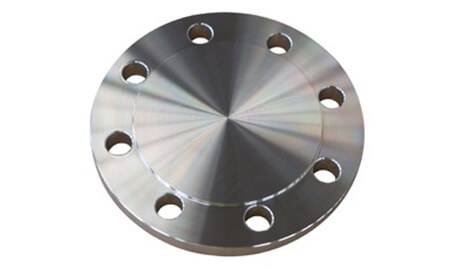
หน้าแปลนสแตนเลสใช้ทำอะไร?
ตอบด่วน
A stainless steel flange is used to create a bolted, separable connection between pipe sections, วาล์ว, ปั๊ม, เรือหรืออุปกรณ์อื่นๆ. It can provide maintenance access, terminate a line with a blind flange, connect dissimilar equipment interfaces or form part of a gasketed pressure-boundary joint. หน้าแปลน, ปะเก็น, การโบลต์, alignment and assembly procedure work as a system; the flange alone does not guarantee a leak-free joint.
See flange functions and applications
What a Stainless Steel Flange Actually Does
| การทำงาน | การใช้งานทั่วไป | Important boundary |
|---|---|---|
| Connect pipe to pipe | Creates a removable joint between piping sections. | Both mating flanges must match the required standard, ขนาด, คลาส/PN, หันหน้าไปทางและรูปแบบสายฟ้า. |
| Connect equipment | Joins piping to pumps, วาล์ว, เรือ, heat exchangers or instruments with flanged nozzles. | Nozzle loads, alignment and equipment requirements must be checked by the system designer. |
| Provide maintenance access | Allows a joint to be opened for inspection, cleaning or component replacement. | การแยกตัว, depressurization and a controlled reassembly procedure remain necessary. |
| Close a line | A blind flange terminates or isolates an opening. | Blind-flange thickness and pressure-temperature rating must suit the design conditions. |
| Accommodate a selected connection method | Weld-neck, ลื่นบน, ซ็อกเก็ตเชื่อม, threaded and lap-joint arrangements address different fabrication or maintenance needs. | Type selection does not replace piping-code, การเชื่อม, corrosion or fatigue review. |
Why Stainless Steel Is Selected
Stainless steel is often considered when the piping system needs a combination of corrosion resistance, คุณสมบัติทางกล, cleanability or temperature capability. The correct grade depends on the service fluid, ปริมาณคลอไรด์, สารปนเปื้อน, อุณหภูมิการออกแบบ, เส้นทางการผลิต, cleaning chemicals and project specification.
Material choice is not a universal ranking. 304-family grades may suit many general environments; molybdenum-bearing 316-family grades are often considered for improved resistance to localized corrosion; higher-alloy or duplex grades may be evaluated for more demanding duties. The engineering basis and ordered material standard must control the decision.
Where Stainless Steel Flanges Are Commonly Used
- Chemical and process piping: for selected corrosive fluids where the grade is compatible with the chemistry and temperature.
- Water and wastewater systems: where corrosion resistance, maintenance access and material compatibility are important.
- อาหาร, beverage and pharmaceutical utilities: when the selected flange design, เสร็จ, gasket and cleaning procedure meet the hygienic system requirements.
- Marine and offshore services: only after evaluating seawater exposure, crevice conditions and galvanic compatibility.
- Power and energy equipment: where the ordered grade and flange standard meet pressure-temperature and fabrication requirements.
- ปั๊ม, valves and heat exchangers: to create removable equipment connections for installation and maintenance.
How Standards Divide the Work
ASME B16.5 ครอบคลุมพิกัดอุณหภูมิความดัน, วัสดุ, ขนาด, ความคลาดเคลื่อน, marking and testing for pipe flanges and flanged fittings within its stated size and class scope. The ordered edition matters. It also includes joint-related requirements and recommendations for bolting and gaskets.
ASTM A182/A182M ครอบคลุมถึงโลหะผสมปลอมแปลงหรือรีดและส่วนประกอบท่อสแตนเลสสำหรับระบบแรงดัน, รวมถึงหน้าแปลน. Its public scope addresses material grades, เคมี, การรักษาความร้อนและสมบัติทางกล. A complete order normally identifies both the material specification and the dimensional flange standard rather than treating them as interchangeable.
Common Flange Types and Their Uses
- เชื่อมคอ: butt-welded connection with a hub; often evaluated for demanding pressure, temperature or cyclic service.
- สลิปออน: slides over the pipe and is welded; fit-up and welding details must follow the approved procedure.
- เชื่อมซ็อกเก็ต: compact connection used within its applicable size and service limits.
- เกลียว: avoids a butt weld at the flange but introduces thread and service limitations.
- ข้อต่อตัก: backing flange used with a stub end; useful where rotation or material separation is part of the design.
- ตาบอด: closes an opening and must be selected for the pressure-temperature duty.
Product Starting Points
เป็นหน้าสินค้าจริงสำหรับรีวิวใบเสนอราคา. They do not establish suitability for a specific fluid or design condition without the complete RFQ.
Information to Include in an RFQ
- ประเภทหน้าแปลน, NPS/DN and quantity;
- class or PN and dimensional standard/edition;
- ข้อกำหนดวัสดุ, เกรดและเงื่อนไขที่ต้องการ;
- หันหน้าไปทาง, กำหนดการเจาะหรือจับคู่ท่อ;
- บริการของเหลว, ความดันและอุณหภูมิการออกแบบ;
- gasket/bolting interface requirements when known;
- เอ็มทีซี, marking and supplementary inspection requirements.
คำถามที่พบบ่อย
Do flanges make a joint automatically leak-proof?
เลขที่. Joint performance depends on compatible flanges, ปะเก็น, การโบลต์, การจัดตำแหน่ง, สภาพพื้นผิวและชุดควบคุม.
Can any two flanges with the same nominal size be bolted together?
เลขที่. มาตรฐาน, คลาส/PN, หันหน้าไปทาง, bolt pattern and dimensional compatibility must be checked.
Why use a blind flange?
A blind flange closes or isolates a flanged opening while allowing future access after the system is safely depressurized.
การอ้างอิงหลัก
- ASME B16.5-2025 — public scope for pipe flanges and flanged fittings.
- ASTM A182/A182M-26 — ขอบเขตสาธารณะสำหรับโลหะผสมปลอมแปลงหรือรีดและส่วนประกอบท่อสแตนเลส.
Need a Stainless Steel Flange for a Specific Service?
ส่งแบบมาตรฐาน, ขนาด, คลาส/PN, เกรดวัสดุ, หันหน้าไปทาง, เบื่อ, ปริมาณ, เงื่อนไขการให้บริการและข้อกำหนดด้านเอกสาร.
โพสต์ที่เกี่ยวข้อง
หน้าแปลนเสร็จสิ้น: อธิบาย Serrations แบบศูนย์กลางและแบบเกลียว
ฟันปลาแบบศูนย์กลางและแบบเกลียวมีทั้งการตกแต่งผิวหน้าแปลนด้วยเครื่องจักร…
ดูเพล็กซ์ 2205 เทียบกับหน้าแปลน 316L: คุณควรเลือกวัสดุใด?
ตอบด่วน: ดูเพล็กซ์ 2205 หน้าแปลนมักจะเป็นตัวเลือกที่แข็งแกร่งกว่า…

คำจำกัดความหน้าแปลนปาก, รายละเอียดและภาพรวมหน้าแปลน ASME B16.36: ข้อมูลการตลาด, คู่มือการคัดเลือกและข้อมูลเชิงลึกด้านการปฏิบัติตามข้อกำหนด
ตลาดหน้าแปลนอุตสาหกรรมทั่วโลกมีมูลค่าอยู่ที่ $5.8 พันล้าน…

คู่มือการตลาดหน้าแปลนการกำจัดสีดำ: วัสดุ, 3.5″ ความเข้ากันได้, และการจัดหาข้อมูล B2B สำหรับหน้าแปลนอ่างล้างจาน
ความต้องการหน้าแปลนกำจัดสีดำเพิ่มขึ้นเนื่องจากผู้ซื้ออุปกรณ์ติดตั้งในครัว…
ไม่มีความคิดเห็น