
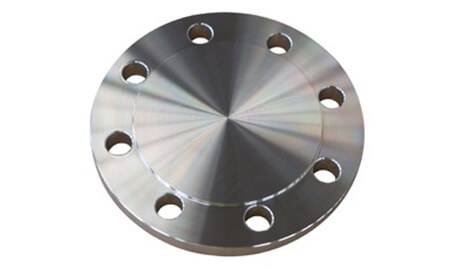
ステンレスフランジとは何に使用されますか?
簡単な回答
A stainless steel flange is used to create a bolted, separable connection between pipe sections, バルブ, パンプス, 船舶またはその他の機器. It can provide maintenance access, terminate a line with a blind flange, connect dissimilar equipment interfaces or form part of a gasketed pressure-boundary joint. The flange, ガスケット, ボルト締め, alignment and assembly procedure work as a system; the flange alone does not guarantee a leak-free joint.
See flange functions and applications
What a Stainless Steel Flange Actually Does
| 関数 | 一般的な使用方法 | Important boundary |
|---|---|---|
| Connect pipe to pipe | Creates a removable joint between piping sections. | Both mating flanges must match the required standard, サイズ, クラス/PN, フェーシングとボルトパターン. |
| Connect equipment | Joins piping to pumps, バルブ, 船舶, heat exchangers or instruments with flanged nozzles. | Nozzle loads, alignment and equipment requirements must be checked by the system designer. |
| Provide maintenance access | Allows a joint to be opened for inspection, cleaning or component replacement. | 分離, depressurization and a controlled reassembly procedure remain necessary. |
| Close a line | A blind flange terminates or isolates an opening. | Blind-flange thickness and pressure-temperature rating must suit the design conditions. |
| Accommodate a selected connection method | Weld-neck, スリッポン, ソケット溶接, threaded and lap-joint arrangements address different fabrication or maintenance needs. | Type selection does not replace piping-code, 溶接, corrosion or fatigue review. |
Why Stainless Steel Is Selected
Stainless steel is often considered when the piping system needs a combination of corrosion resistance, 機械的特性, cleanability or temperature capability. The correct grade depends on the service fluid, 塩化物含有量, 汚染物質, 設計温度, 製造ルート, cleaning chemicals and project specification.
Material choice is not a universal ranking. 304-family grades may suit many general environments; molybdenum-bearing 316-family grades are often considered for improved resistance to localized corrosion; higher-alloy or duplex grades may be evaluated for more demanding duties. The engineering basis and ordered material standard must control the decision.
Where Stainless Steel Flanges Are Commonly Used
- Chemical and process piping: for selected corrosive fluids where the grade is compatible with the chemistry and temperature.
- Water and wastewater systems: where corrosion resistance, maintenance access and material compatibility are important.
- 食べ物, beverage and pharmaceutical utilities: when the selected flange design, 仕上げる, gasket and cleaning procedure meet the hygienic system requirements.
- Marine and offshore services: only after evaluating seawater exposure, crevice conditions and galvanic compatibility.
- Power and energy equipment: where the ordered grade and flange standard meet pressure-temperature and fabrication requirements.
- パンプス, valves and heat exchangers: to create removable equipment connections for installation and maintenance.
How Standards Divide the Work
ASME B16.5 圧力と温度の定格をカバー, 材料, 寸法, 公差, marking and testing for pipe flanges and flanged fittings within its stated size and class scope. The ordered edition matters. It also includes joint-related requirements and recommendations for bolting and gaskets.
ASTM A182/A182M 圧力システム用の鍛造または圧延合金およびステンレス鋼の配管コンポーネントをカバーします。, フランジを含む. Its public scope addresses material grades, 化学, 熱処理と機械的特性. A complete order normally identifies both the material specification and the dimensional flange standard rather than treating them as interchangeable.
Common Flange Types and Their Uses
- ウェルドネック: butt-welded connection with a hub; often evaluated for demanding pressure, temperature or cyclic service.
- スリッポン: slides over the pipe and is welded; fit-up and welding details must follow the approved procedure.
- ソケットウェルド: compact connection used within its applicable size and service limits.
- ネジ付き: avoids a butt weld at the flange but introduces thread and service limitations.
- ラップジョイント: スタブエンドとともに使用されるバッキングフランジ; useful where rotation or material separation is part of the design.
- 盲目: closes an opening and must be selected for the pressure-temperature duty.
Product Starting Points
これらは見積もりレビュー用の実際の製品ページです. They do not establish suitability for a specific fluid or design condition without the complete RFQ.
Information to Include in an RFQ
- フランジタイプ, NPS/DN and quantity;
- class or PN and dimensional standard/edition;
- 材質仕様, グレードと必要条件;
- 直面している, ボアまたは一致するパイプスケジュール;
- サービス液, 設計圧力と温度;
- gasket/bolting interface requirements when known;
- MTC, マーキングおよび追加検査の要件.
よくある質問
Do flanges make a joint automatically leak-proof?
いいえ. Joint performance depends on compatible flanges, ガスケット, ボルト締め, アライメント, 表面状態と制御された組み立て.
Can any two flanges with the same nominal size be bolted together?
いいえ. 標準, クラス/PN, 直面している, bolt pattern and dimensional compatibility must be checked.
Why use a blind flange?
A blind flange closes or isolates a flanged opening while allowing future access after the system is safely depressurized.
主な参考文献
- ASME B16.5-2025 — public scope for pipe flanges and flanged fittings.
- ASTM A182/A182M-26 — 鍛造または圧延合金およびステンレス鋼の配管部品の公開範囲.
Need a Stainless Steel Flange for a Specific Service?
標準を送る, サイズ, クラス/PN, 材質グレード, 直面している, ボア, 量, サービス条件と書類要件.
関連投稿

オリフィスフランジの定義, 詳細と ASME B16.36 フランジの概要: 市場データ, 選択ガイドとコンプライアンスに関する洞察
世界の工業用フランジ市場は次のように評価されました。 $5.8 十億…

ブラックディスポフランジ市場ガイド: 材料, 3.5″ 互換性, キッチン シンク フランジの B2B 調達データ
キッチン設備の購入者として黒色の使い捨てフランジの需要が高まっています…
コメントはありません