
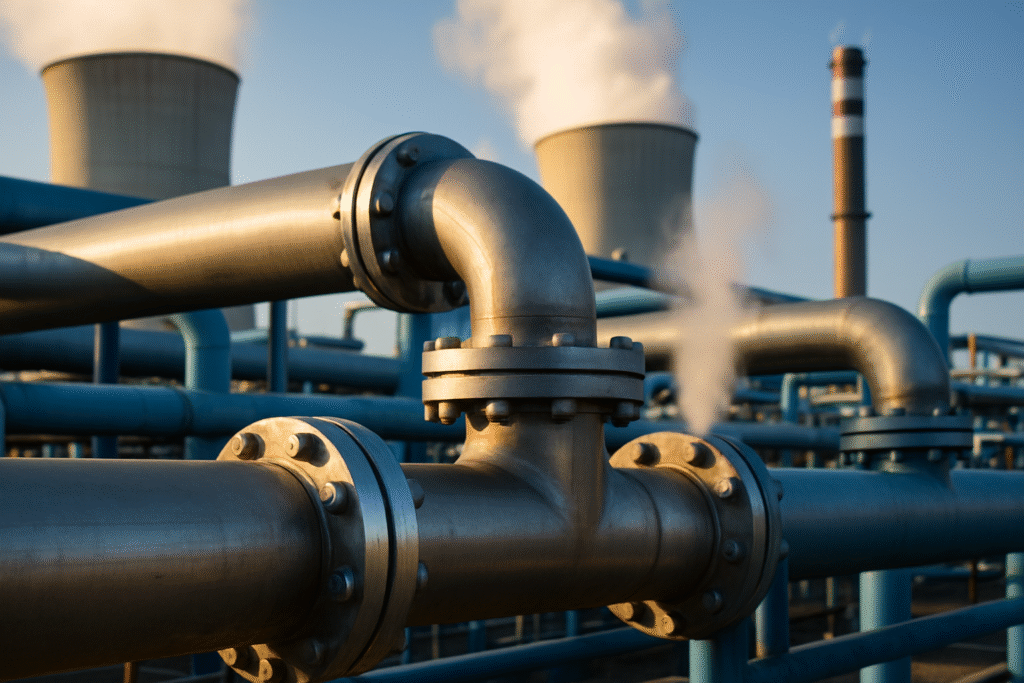
دليل شفة أنابيب الفولاذ المقاوم للصدأ: المزايا الخفية, أنواع, الاستخدامات وبيانات اختيار ASME B16.5/B16.47
يستمر الطلب على شفة أنابيب الفولاذ المقاوم للصدأ في الارتفاع حيث تعطي المصانع الصناعية الأولوية لمقاومة التآكل, خدمة الحياة, والامتثال. وفقا لأبحاث جراند فيو (2024), تم تقييم سوق الفلنجات الصناعية العالمية بـ $5.8 مليار في 2023 ومن المتوقع أن يصل $7.2 مليار بواسطة 2030, مما يسلط الضوء على سبب قيام المشترين بمقارنة المزايا الخفية لمواد الفلنجة بعناية أكبر.
لمقاولي EPC, مهندسي المصانع, ومديري المشتريات, تكمن القيمة المثيرة للاهتمام للفلنجات المصنوعة من الفولاذ المقاوم للصدأ في تقليل تكلفة دورة الحياة بدلاً من سعر الوحدة وحده. علاوة على ذلك, يمكن أن تعمل شفة الأنابيب المصنوعة من الفولاذ المقاوم للصدأ على تحسين سلامة التسرب, تبسيط الصيانة, ودعم الامتثال ASME B16.5, ASME B16.47, ASTM, DIN, ومتطلبات EN.
محركات السوق الصناعية وراء الطلب على شفة أنابيب الفولاذ المقاوم للصدأ
يظل الطلب العالمي على الفلنجات مرتبطًا بشكل وثيق بالطاقة, ماء, وعملية الاستثمار في البنية التحتية. بحسب موقع ستاتيستا (2024), تمثل صناعة النفط والغاز ما يقرب من 35% من استهلاك شفة العالمية, مما يجعل موثوقية المواد مسألة تجارية وكذلك تقنية.
كما تشكل القدرة التصنيعية الإقليمية استراتيجية تحديد المصادر. بحسب موقع IBISWorld (2024), حسابات آسيا والمحيط الهادئ لأكثر من 45% من إنتاج شفة العالمية, مع كون الصين أكبر منتج, وهذا التركيز يؤثر على المهل الزمنية, التسعير, وتوافر المواصفات.
تفسر ظروف السوق هذه السبب الذي يجعل المشترين يطلبون بشكل متزايد ليس فقط "الفلنجات".?"ولكن" أي درجة شفة. ", يكتب, فئة الضغط, وحزمة التتبع تناسب خدمتي بشكل أفضل?" نتيجة ل, خيارات الفولاذ المقاوم للصدأ مثل 304, 316, 316ل, 904ل, 2205, و 2507 have moved from niche selections to standard procurement choices in many sectors.
بحسب معلومات موردور (2024), industrial process equipment investment is growing steadily across water treatment, المواد الكيميائية, وتوليد الطاقة, which supports long-term demand for corrosion resistant pipe components. بالإضافة إلى, replacement cycles in mature facilities are creating recurring demand for stainless steel pipe flange assemblies, المرفقين, المحملات, مخفضات, والقبعات.
From a purchasing perspective, stainless steel flanges often justify their premium through lower maintenance frequency and better resistance to chlorides, الأحماض, and humid environments. في المقابل, lower-cost carbon steel flange options may require coatings, corrosion allowances, or more frequent replacement in aggressive media.
ASME standards remain central to this discussion. ASME B16.5 يغطي حواف الأنابيب والتجهيزات ذات الحواف من NPS 1/2 خلال 24, بينما ASME B16.47 addresses large diameter steel flanges from NPS 26 خلال 60 (ASME, 2023).
That distinction matters because many industrial buyers need both standard process piping flanges and larger line pipe connections on the same project. لذلك, supplier capability across B16.5 and B16.47 can reduce sourcing complexity and improve schedule control.
SASA FLANGE operates in this environment as a factory-focused manufacturer of stainless steel flanges, الشفاه من الصلب الكربوني, الشفاه سبيكة, وتجهيزات الأنابيب. مع ISO 9001:2015 وشهادات PED 2014/68/EU, the company supports projects that require controlled manufacturing, الوثائق, والامتثال للتصدير.
Manufacturing scope also matters when engineers need more than one alloy family. SASA FLANGE produces flanges in 304, 316, 316ل, 904ل, 2205, 2507, أ105, أ182, إنكونيل, مونيل, هاستيلوي, والتيتانيوم, which helps buyers consolidate procurement under one technically capable supplier.
وفقا لأبحاث السوق في المستقبل (2024), global investment in water treatment systems continues to grow as municipalities and industrial plants upgrade corrosion-prone infrastructure. بالتالي, stainless steel pipe flange selections are becoming more common in desalination, wastewater, and high-purity systems.
As James Holloway, مهندس الأنابيب الأول, الدول: “A flange is never just a connector in critical service; it is a pressure boundary component whose material, تواجه, and dimensional accuracy directly affect safety and uptime.” That view reflects how experienced engineers assess total risk rather than initial piece price.
Hidden Advantages of Stainless Steel Pipe Flange Types and Technical Selection
The most intriguing aspect of a stainless steel pipe flange is its ability to combine mechanical strength with corrosion resistance across varied process conditions. لكن, performance depends on matching alloy, نوع شفة, فئة الضغط, تواجه, and pipe schedule to the actual medium and temperature.
ASTM A182 is commonly used for forged or rolled alloy and stainless steel pipe flanges, التجهيزات, الصمامات, وأجزاء لخدمة درجة الحرارة العالية (ASTM, 2023). من الناحية العملية, this standard supports many common grades such as F304, F304L, F316, F316L, F51, and F53 for refinery, كيميائية, and offshore applications.
According to NACE guidance for sour service material selection, محتوى الكلوريد, التعرض لغاز H2S, and hardness control can significantly affect corrosion performance in process systems (NACE, 2023). لذلك, duplex and super duplex flanges often become the preferred choice where pitting resistance and stress corrosion cracking resistance are critical.
كما د. ايلينا موريس, عالم المواد, الدول: “The hidden advantages of stainless steel are rarely hidden to operators dealing with unplanned shutdowns, because alloy selection directly influences pitting resistance, gasket sealing reliability, and maintenance intervals.” Her observation explains why technically informed buyers often specify lifecycle metrics in RFQs.
When engineers compare stainless steel flange types, they usually focus on both joint design and service severity. على سبيل المثال, weld neck flange designs distribute stress efficiently, while slip on flange designs may offer easier installation in lower-pressure service.
- شفة الرقبة الملحومة: preferred for cyclic loading, ارتفاع الضغط, and elevated temperature service.
- الانزلاق على شفة: economical for low to moderate pressure systems with easier alignment.
- شفة عمياء: used to terminate a line, فوهة, or vessel opening for inspection or future expansion.
- شفة لحام المقبس: common in smaller bore high-pressure piping.
- شفة مترابطة: used where welding is impractical, especially in certain utility services.
- شفة اللفة المشتركة: suitable for systems requiring frequent dismantling and alignment flexibility.
Material selection should be equally systematic. درجة 304 works well in general industrial environments, بينما 316 and 316L provide improved resistance to chlorides due to molybdenum content.
For more aggressive service, 904L offers strong resistance in acidic media, بينما 2205 و 2507 duplex grades improve strength and corrosion performance. في المقابل, nickel alloys such as Inconel, مونيل, and Hastelloy are typically chosen for very demanding chemical or high-temperature service.
The following comparison helps procurement teams align alloy and service condition:
- 304/304ل: general purpose process lines, طعام, ماء, وخدمة كيميائية خفيفة.
- 316/316ل: البحرية, كلوريدات, الصيدلانية, and many petrochemical environments.
- 904ل: sulfuric acid and severe corrosion applications.
- 2205 دوبلكس: في الخارج, تحلية المياه, and higher-strength chloride service.
- 2507 سوبر دوبلكس: severe seawater and high-pitting-risk systems.
Pressure class and facing selection also affect sealing performance. Raised face remains the most common facing for process piping, while ring type joint designs are preferred in high-pressure and high-integrity applications, especially in oil and gas systems.
بحسب ASME (2023), أبعاد شفة, حفر, التسامح, and pressure-temperature ratings must align with the applicable standard class. نتيجة ل, فئة 150 stainless steel pipe flange cannot be evaluated the same way as a Class 600 أو الطبقة 1500 شفة, even if the nominal size is identical.
Buyers should also consider size range and fabrication flexibility. مع التصنيع باستخدام الحاسب الآلي المتقدم واختبار الجودة الشاملة, SASA FLANGE يقدم أحجام مخصصة من 1/2 بوصة ل 60 بوصة, covering ASME B16.5 and B16.47 dimensions as well as DIN, JIS, غوست, و إن 1092 متطلبات.
That manufacturing breadth matters when projects combine U.S., الأوروبية, and regional specifications. علاوة على ذلك, unified sourcing improves document control for MTCs, تقارير الأبعاد, مؤشر مديري المشتريات, سجلات الهيدروتست, و EN 10204 3.1 certification packages.
وفقا للايزو (2023), quality management systems improve process consistency, إمكانية التتبع, and customer confidence in regulated manufacturing. لذلك, suppliers with ISO 9001:2015, بيد 2014/68/الاتحاد الأوروبي, و م 2000 credentials often reduce qualification friction for international projects.
In technical buying, one of the hidden advantages is the ability to standardize a flange and pipe fitting package. If a supplier can provide flange, مِرفَق, قمزة, المخفض, and cap components in matched metallurgy, project teams simplify QA review and lower mismatch risk during installation.
This is especially useful in modular fabrication and skidded systems. في تلك الحالات, dimensional consistency and heat traceability across all welded and flanged items directly support fabrication productivity and audit readiness.
ASME B16.5, ب16.47, ASTM, DIN and EN Compliance for Stainless Steel Flanges
Compliance is one of the strongest buying filters in industrial piping. Engineers do not simply choose a flange by appearance or price, because pressure boundary components must satisfy dimensional, مادة, ومتطلبات التوثيق.
ASME B16.5 و ASME B16.47 are the most referenced standards for steel flanges in many international projects. ASME B16.5 يغطي عمومًا NPS 1/2 ل 24, بينما ASME B16.47 يغطي الشفاه ذات القطر الكبير من NPS 26 ل 60 (ASME, 2023).
تحدد معايير ASTM كيمياء المواد والخواص الميكانيكية. ASTM A182 applies to forged stainless and alloy flanges, while related product standards may govern plate or fitting materials depending on component type and fabrication route.
European and international projects often require DIN or EN dimensions in addition to ASME. EN 1092 is widely used for flanges in European systems, and PED 2014/68/EU may apply when pressure equipment enters the EU market.
For engineers comparing standards, the following quick reference is useful:
- ASME B16.5: أبعاد, فئات الضغط, واجهات, حفر, tolerances for NPS 1/2 ل 24.
- ASME B16.47: large diameter flange dimensions for NPS 26 ل 60.
- ASME B16.9: factory-made wrought butt welding fittings such as elbows, المحملات, مخفضات, والقبعات.
- ASTM A182: forged or rolled stainless and alloy flange materials.
- EN 1092: European dimensional standard for flanges.
- NACE MR0175/ISO 15156: التوجيه المادي لبيئات الخدمة الحامضة.
Pressure class comparison often becomes a source of confusion. فصل 150, 300, 600, 900, 1500, و 2500 indicate pressure-temperature performance categories, but actual allowable pressure depends on material group and operating temperature (ASME, 2023).
لهذا السبب, engineers must verify design conditions before approving substitutions. A low-temperature water system may accept a broader range of flange options than a hot hydrocarbon line or a sour gas header.
بحسب DNV (2023), offshore and marine projects place added emphasis on traceability, بدل التآكل, and documentation because maintenance access is limited and failure consequences are high. بالتالي, stainless steel and duplex flanges remain common in marine, FPSO, وأنظمة المرافق البحرية.
Purchasers should also request inspection and testing details up front. Typical requirements include positive material identification, فحص الأبعاد, hardness checks where relevant, التحقق من تصنيف الضغط, مراجعة العلامات, و EN 10204 3.1 شهادات.
SASA FLANGE supports these needs with ISO 9001:2015, بيد 2014/68/الاتحاد الأوروبي, و م 2000 certified manufacturing processes. مدعومة بتصنيع CNC المتقدم واختبار الجودة الشامل, the company supplies stainless steel flanges and fittings for oil and gas, البتروكيماويات, توليد الطاقة, بناء السفن, معالجة المياه, ومشاريع البناء.
For reference on dimensional requirements, buyers should consult the official ASME standard library and project specifications. فضلاً عن ذلك, purchase orders should clearly define flange type, مقاس, فصل, تواجه, الصف المادي, معيار, كمية, نطاق التفتيش, and marking format.
As Robert Chen, Project Procurement Consultant, الدول: “Most flange procurement errors are specification errors, not manufacturing errors, and the fix is precise data on class, تواجه, سبيكة, and certification from day one.” That advice remains highly practical for EPC and maintenance teams alike.
How to Choose Stainless Steel Pipe Flange Types for Oil, الغاز, قوة, Marine and Water Systems
The best way to choose a stainless steel pipe flange is to begin with the service environment. Medium composition, درجة حرارة التشغيل, ضغط التصميم, آلية التآكل, and maintenance access should guide every material and flange type decision.
في النفط والغاز, weld neck and RTJ flange configurations are common for high-integrity service. بحسب موقع ستاتيستا (2024), ويستهلك هذا القطاع حوالي 35% من الشفاه العالمية, so buyers typically emphasize traceability, NACE alignment, and pressure class accuracy.
في مصانع البتروكيماويات, 316L and duplex grades often support chloride-bearing and corrosive process streams. لكن, where sour service or severe pitting risk exists, engineers may move toward 2205, 2507, or nickel alloy solutions.
Power generation systems impose a different selection logic. بخار, ركوب الدراجات الحرارية, and high pressure frequently favor weld neck flange designs with strong mechanical performance and reliable butt-weld transitions to pipe.
Marine and shipbuilding applications place heavy emphasis on saltwater corrosion. لذلك, 316ل, 2205, و 2507 are often specified for seawater, الصابورة, جهاز الغسيل, and deck utility systems where corrosion failure would disrupt operations.
Water treatment buyers often balance budget and longevity. In many potable, عملية, and wastewater lines, stainless steel flange systems can reduce coating maintenance and improve hygiene compared with painted carbon steel alternatives.
Selection criteria should be reviewed in a structured way:
- Confirm process fluid, مستوى الكلوريد, الرقم الهيدروجيني, ومخاطر التلوث.
- Check design pressure, درجة حرارة التشغيل, and upset conditions.
- Match flange type to mechanical loading and maintenance needs.
- يؤكد ASME B16.5 or B16.47 size and class requirements.
- حدد نوع المواجهة مثل RF, FF, أو آر تي جيه.
- Align material with ASTM A182 grade and corrosion requirements.
- طلب EN 10204 3.1, مؤشر مديري المشتريات, and additional inspections when needed.
- Review lead time, تغليف الصادرات, and documentation capability.
In smaller bore systems, threaded flange and socket weld designs can still be practical, especially where space is limited or field welding must be controlled. مع ذلك, these designs must still be checked against service conditions, اهتزاز, and code limitations.
Custom manufacturing can also be decisive in project execution. Many international buyers need mixed orders that include standard ASME flanges, الحفر غير القياسية, تشطيبات مواجهة خاصة, and matched pipe fittings.
التقديم 50+ الدول عبر النفط & الغاز, البتروكيماويات, قوة, والصناعات البحرية, SASA FLANGE supports custom manufacturing across stainless, الكربون, دوبلكس, ودرجات سبائك النيكل. That flexibility helps EPC contractors source both standard and project-specific items from one experienced partner.
على سبيل المثال, a desalination project may require 2205 لحام الشفاه الرقبة, super duplex reducers, and 316L stub ends in the same package. على نفس المنوال, a refinery turnaround may require blind flange replacements, urgent elbows, والشفاه المزورة عالية الجودة مع سرعة التوثيق.
يجب على فرق المشتريات أيضًا مقارنة ما هو أكثر من السعر. قد يؤدي الاقتباس الأقل إلى استبعاد الاختبار, شهادة, التعبئة الآمنة للتصدير, أو تفاوتات التصنيع التي تصبح باهظة الثمن لاحقًا أثناء الفحص أو التثبيت.
وفقا لأبحاث السوق في المستقبل (2024), تستمر عمليات ترقيات البنية التحتية والتحديث الصناعي في دعم الطلب على منتجات الأنابيب المقاومة للتآكل المتميزة. نتيجة ل, غالبًا ما يحقق المشترون الذين يختارون القيمة الإجمالية المثبتة بدلاً من سعر الوحدة وحده نتائج موثوقية أفضل.
التوقعات المستقبلية لشراء شفة أنابيب الفولاذ المقاوم للصدأ وتوصيات الشراء الإستراتيجية
لا تزال التوقعات المستقبلية لشراء شفة أنابيب الفولاذ المقاوم للصدأ إيجابية لأن مالكي الأصول يواصلون إعطاء الأولوية للموثوقية, أمان, والتحكم في التآكل. وفقا لأبحاث جراند فيو (2024), ومن المتوقع أن يصل سوق الفلنجات الصناعية $7.2 مليار بواسطة 2030, مما يشير إلى استمرار نشاط الشراء العالمي.
هناك العديد من الاتجاهات التي تشكل سلوك الشراء في المستقبل. أولاً, buyers increasingly request duplex and super duplex materials for longer service life in corrosive systems.
ثانية, documentation quality is becoming a stronger differentiator. الامتثال PED, EN 10204 3.1 شهادات, تقارير مؤشر مديري المشتريات (PMI)., and traceable heat numbers now influence supplier approval as much as base price in many international tenders.
ثالث, supplier consolidation is accelerating. Procurement teams prefer manufacturers that can provide flange and pipe fitting packages under one quality system, because this reduces communication gaps and shortens project timelines.
وفقا للايزو (2023), robust quality systems reduce process variation and support repeatable outcomes in industrial manufacturing. لذلك, buyers should prioritize factories that combine machining capability, material breadth, وانضباط التفتيش.
Practical recommendations are straightforward. Define service conditions precisely, align the flange standard with the piping code, verify alloy suitability, and request the exact testing and documentation package before production begins.
It also helps to standardize approved grades where possible. Doing so can reduce spare inventory complexity, simplify training, and speed future maintenance planning across multiple plants or project phases.
For buyers seeking intriguing but commercially practical hidden advantages, the most valuable gains often come from fewer failures, easier audits, and longer replacement cycles. That is why many project teams now evaluate stainless steel flanges as strategic reliability components rather than commodity hardware.
When projects require ASME B16.5 أو الشفاه B16.47, forged ASTM materials, أحجام مخصصة, or mixed flange and fitting packages, working early with SASA FLANGE can simplify technical review and sourcing decisions. علاوة على ذلك, يمكن أن يساعد الدعم المباشر من المصنع فرق الهندسة والمشتريات في تحقيق التوازن بين الامتثال, مهلة, والتكلفة بثقة أكبر.
الأسئلة المتداولة
ما هي شفة الفولاذ المقاوم للصدأ المستخدمة ل?
●يتم استخدام شفة الفولاذ المقاوم للصدأ لتوصيل الأنابيب, الصمامات, مضخات, والمعدات في نظام الأنابيب المثبت بمسامير الذي يسمح بالفحص, صيانة, واحتواء الضغط الآمن.
●بحسب موقع ستاتيستا (2024), يمثل النفط والغاز حوالي 35% من استهلاك شفة العالمية, مما يوضح مدى استخدام وصلات شفة الفولاذ المقاوم للصدأ على نطاق واسع في الخدمات الصناعية الهامة.
●في الممارسة العملية, يستخدم المهندسون شفة أنابيب الفولاذ المقاوم للصدأ حيث تكون مقاومة للتآكل, قوة, ومسألة أداء الختم القابل للتكرار, وخاصة في المعالجة الكيميائية, البحرية, معالجة المياه, والخدمة الصحية.
●تشمل التطبيقات الشائعة نهايات الخطوط بتصميمات الحافة العمياء, فوهات المعدات, وصلات شفط وتفريغ المضخة, والمفاصل القابلة للإزالة في أنظمة الأنابيب العملية.
●للمشاريع التي تتطلب عمر خدمة طويل, إمكانية التتبع, والامتثال للمعايير, العمل مع الشركات المصنعة القائمة مثل SASA FLANGE يساعد على ضمان فئة ASME الصحيحة, درجة مادة ASTM, ويتم تحديد حزمة الشهادات من البداية.
ما هو معيار الشفاه الفولاذ المقاوم للصدأ?
●معايير الأبعاد الرئيسية للشفاه الفولاذ المقاوم للصدأ هي ASME B16.5 لمصادر القدرة النووية 1/2 ل 24 و ASME B16.47 لمصادر القدرة النووية 26 ل 60, بينما ASTM A182 يحدد عادة مواد شفة غير القابل للصدأ مزورة.
●بحسب ASME (2023), أبعاد التحكم بمعايير شفة, حفر, واجهات, التسامح, وتقييمات درجة حرارة الضغط, ولهذا السبب يجب على المهندسين مطابقة كود الأبعاد ومواصفات المادة.
●تتطلب العديد من مشاريع التصدير أيضًا EN 1092, DIN, أو معايير شفة JIS, وقد تتطلب معدات الضغط المرتبطة بالاتحاد الأوروبي وثائق PED 2014/68/EU بالإضافة إلى شهادات المواد العادية.
●عندما يسأل المشترون عن "المعيار" الخاص بالفلنجات المصنوعة من الفولاذ المقاوم للصدأ, تتضمن الإجابة الصحيحة عادةً عدة طبقات مثل هندسة ASME, درجة مادة ASTM, نطاق التفتيش, ومتطلبات التعليمات البرمجية الخاصة بالمشروع.
●للتطبيقات التي تتضمن معايير إقليمية مختلطة أو أنماط حفر مخصصة, الشركات المصنعة مثل SASA FLANGE يمكن أن تساعد في محاذاة ASME, DIN, EN, ومتطلبات توثيق المواد قبل بدء الإنتاج.
هل يصنعون تجهيزات أنابيب الفولاذ المقاوم للصدأ?
●نعم, تنتج الشركات المصنعة مجموعة كاملة من تجهيزات أنابيب الفولاذ المقاوم للصدأ بما في ذلك الأكواع, المحملات, مخفضات, قبعات, ينتهي كعب, والمكونات المصنعة الخاصة لأنظمة أنابيب العمليات والمرافق.
●وفق ASME B16.9 (2023), butt welding fittings such as elbows, المحملات, مخفضات, and caps are standardized for dimensions and end preparation, which supports interchangeability in industrial pipe systems.
●Stainless steel fittings are commonly made in grades such as 304, 316, 316ل, 904ل, 2205, و 2507 to match the corrosion and pressure requirements of the associated flange and pipe assembly.
●Procurement teams often benefit from sourcing flanges and fittings together because matched metallurgy, الوثائق, and dimensional consistency reduce fabrication risk and simplify QA review.
●For projects that require a complete flange and fitting package, الشركات المصنعة الراسخة مثل SASA FLANGE can supply coordinated components with EN 10204 3.1 documentation and project-specific inspection support.
ما هي الأنواع الثلاثة من الشفاه?
●The three most commonly referenced flange types are weld neck flange, الانزلاق على شفة, وشفة عمياء, على الرغم من الخيوط, لحام المقبس, كما تُستخدم تصميمات مفاصل اللفة على نطاق واسع.
●وفقا لممارسة ASME, تُفضل تصميمات شفة عنق اللحام في خدمة الضغط العالي ودرجة الحرارة المرتفعة لأن المحور المستدق يعمل على تحسين توزيع الضغط عند انتقال الأنابيب.
●غالبًا ما يتم اختيار تصميمات الحافة المنزلقة لأنظمة الضغط المنخفض إلى المتوسط حيث تكون المحاذاة الأبسط وتكلفة التصنيع المنخفضة من الأولويات, بينما تغلق تصميمات الحافة العمياء نهاية الأنبوب أو الفوهة.
●لا يختار المهندسون من بين أنواع الفلنجات هذه بالعادة وحدها, بسبب الاهتزاز, التحميل الدوري, تردد الصيانة, نوع الحشية, وفئة الضغط كلها تؤثر على الخيار الأفضل.
●للمشترين مقارنة أنواع شفة عبر ASME B16.5 وأنظمة B16.47, العمل مع الموردين ذوي الخبرة الفنية مثل SASA FLANGE يساعد على ضمان أن التصميم المختار يتوافق مع متطلبات الخدمة وواقع التصنيع.
كيف يختار المشترون حجم شفة أنابيب الفولاذ المقاوم للصدأ المناسب وفئة الضغط?
●يختار المشترون شفة الأنابيب الفولاذية المقاومة للصدأ الصحيحة عن طريق مطابقة حجم الأنبوب الاسمي, جدول, فئة الضغط, نوع المواجهة, ودرجة حرارة التشغيل لبيانات تصميم النظام.
●بحسب ASME (2023), تختلف تقييمات درجة حرارة الضغط حسب مجموعة المواد والفئة, لذلك أ 4 شفة أنابيب الفولاذ المقاوم للصدأ بوصة في فئتها 150 يخدم مظروفًا مختلفًا عن نفس الحجم في الفصل 600.
●يجب على المهندسين التحقق مما إذا كان المشروع يتطلب ذلك ASME B16.5 أبعاد NPS 1/2 ل 24 أو ASME B16.47 أبعاد الأنابيب الأكبر, لأنه لا يمكن افتراض قابلية التبادل عبر المعايير.
●من المهم أيضًا التأكد من توافق الحشية, نمط الترباس, بدل التآكل, وأي متطلبات للوجه المرتفع, وجه مسطح, أو أسطح إغلاق RTJ قبل تقديم الطلب.
●للمشاريع التي تنطوي على الحفر المخصص, أحجام غير قياسية, أو فئات الضغط المختلط, الشركات المصنعة الراسخة مثل SASA FLANGE يمكنهم مراجعة الرسومات والتوصية بحزمة مواصفات الحافة المتوافقة قبل بدء الإنتاج.
ما الذي يؤثر على سعر شفة أنابيب الفولاذ المقاوم للصدأ في المشتريات الصناعية?
●يتأثر سعر شفة أنابيب الفولاذ المقاوم للصدأ بشكل رئيسي بدرجة السبائك, نوع شفة, مقاس, فئة الضغط, تعقيد الآلات, ظروف سوق المواد الخام, نطاق الاختبار, والشهادات المطلوبة.
●وفقا لأبحاث جراند فيو (2024), تم الوصول إلى سوق الفلنجات الصناعية $5.8 مليار في 2023, ويعكس هذا المقياس حساسية التكلفة المستمرة بالإضافة إلى الطلب القوي على المواد المقاومة للتآكل ذات القيمة الأعلى.
●عادةً ما تكلف شفة عنق اللحام 316L أكثر من 304 الانزلاق على شفة, عادةً ما تتطلب الشفاه المزدوجة أو سبائك النيكل أسعارًا أعلى بسبب الكيمياء, قوة, وضوابط التصنيع الأكثر تطلبًا.
●وينبغي أيضًا تقييم السعر مقابل إجمالي القيمة المثبتة, بسبب حذف مؤشر مديري المشتريات, EN 10204 3.1 شهادات, وثائق PED, أو يمكن أن يؤدي فحص الأبعاد إلى ارتفاع التكاليف النهائية أثناء قبول الموقع.
●للمشترين الصناعيين مقارنة خيارات شفة أنابيب الفولاذ المقاوم للصدأ للبيع, الشركات المصنعة مثل SASA FLANGE يمكن أن تقدم عروض أسعار مباشرة من المصنع تعكس المتطلبات الفنية, نطاق الشهادة, وفترات زمنية واقعية بدلاً من التسعير الرئيسي وحده.
الوظائف ذات الصلة
شفة الوجه النهاية: شرح متحدة المركز مقابل التسنينات الحلزونية
تعتبر كل من المسننات المركزة واللولبية عبارة عن تشطيبات وجه شفة مُشكَّلة آليًا…
دوبلكس 2205 مقابل الشفاه 316L: ما هي المواد التي يجب عليك اختيارها؟?
إجابة سريعة: دوبلكس 2205 الشفاه عادة ما تكون المرشح الأقوى…

تعريف شفة الفوهة, التفاصيل ونظرة عامة على الشفاه ASME B16.36: بيانات السوق, دليل الاختيار ورؤى الامتثال
تم تقييم سوق الفلنجات الصناعية العالمية بـ $5.8 مليار…

دليل سوق شفة التخلص الأسود: مواد, 3.5″ التوافق, وبيانات مصادر B2B لحواف حوض المطبخ
يتزايد الطلب على شفة التخلص السوداء مع المشترين لتركيبات المطبخ…