
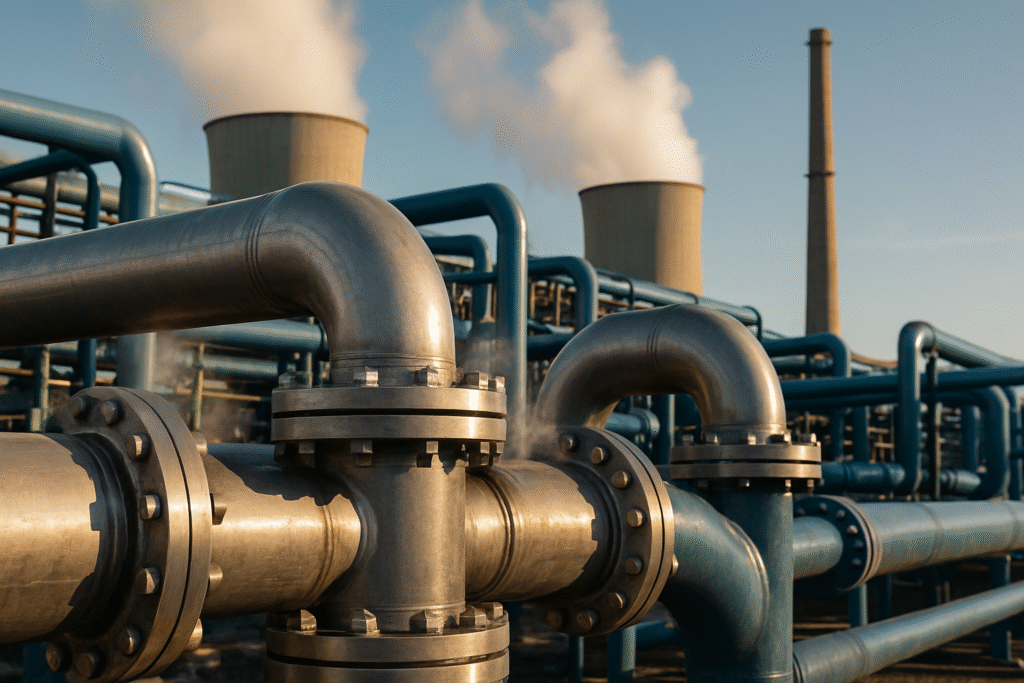
شفة أنابيب الفولاذ المقاوم للصدأ: بيانات مثيرة للاهتمام, المزايا الخفية, أنواع, الاستخدامات, وكيفية اختيار ASME B16.5 & الشفاه B16.47
ال شفة أنابيب الفولاذ المقاوم للصدأ يبقى عنصرا حاسما في عملية الأنابيب الحديثة, والطلب في السوق يؤكد قيمتها الاستراتيجية. وفقا لأبحاث جراند فيو (2024), تم تقييم سوق الفلنجات الصناعية العالمية بـ $5.8 مليار في 2023 ومن المتوقع أن يصل $7.2 مليار بواسطة 2030, driven by energy, ماء, والصناعات العملية.
للمهندسين ومديري المشتريات, the intriguing part is not only the size of the market but the hidden advantages of material and standard selection. لذلك, understanding stainless steel flange types, ASME B16.5 و ASME B16.47 أبعاد, and application-specific grade choice directly improves lifecycle cost and plant reliability.
Industrial Market Trends Shaping Stainless Steel Pipe Flange Demand
Global demand for stainless steel flanges continues to track industrial expansion, corrosion-control priorities, والاستثمار في البنية التحتية. بحسب موقع IBISWorld (2024), حسابات آسيا والمحيط الهادئ لأكثر من 45% من إنتاج شفة العالمية, مع كون الصين أكبر منتج.
This production concentration affects lead time, raw material access, وتسعير المصنع مباشرة للمشترين في جميع أنحاء العالم. نتيجة ل, many EPC contractors and distributors now evaluate not only product compliance but also the manufacturing ecosystem behind each flange supplier.
The oil and gas sector remains the largest single demand center for flange products. بحسب موقع ستاتيستا (2024), تمثل صناعة النفط والغاز ما يقرب من 35% من استهلاك شفة العالمية, largely because upstream, منتصف الطريق, and downstream systems require bolted, inspectable, pressure-rated connections.
في المقابل, water treatment and marine sectors increasingly specify stainless steel pipe flange products for corrosion resistance and maintenance reduction. علاوة على ذلك, power generation and petrochemical plants often require mixed-material packages that combine stainless steel flanges with elbows, المحملات, مخفضات, والقبعات.
Buyers also face a broader technical choice set than in the past. Common austenitic grades like 304, 304ل, 316, and 316L still dominate general service, بينما 904L, دوبلكس 2205, والسوبر دوبلكس 2507 are chosen for aggressive chloride service and higher strength.
وفقا لأبحاث السوق في المستقبل (2024), corrosion-resistant alloy demand in process equipment is growing at a faster rate than commodity carbon steel in chemical and offshore applications. That trend reflects rising shutdown costs, stricter environmental performance targets, and greater awareness of total cost of ownership.
لفرق المشتريات, this means a flange cannot be treated as a generic commodity in every project. A weld neck flange in ASTM A182 F316L, على سبيل المثال, may deliver a much lower risk profile than a lower-grade alternative when chloride exposure, التحميل الدوري, or media contamination are present.
كمهندس الأنابيب جون رينولدز, متخصص سابق في التآكل ومؤلف الصناعة, الدول: “Material selection errors rarely fail in the quotation stage; يفشلون في الخدمة, when downtime is most expensive.” That observation is especially relevant for stainless steel pipe flange purchases tied to offshore platforms, خدمة تعكر, وخطوط عملية عالية النقاء.
Manufacturers with strong process control are therefore gaining preference. SASA FLANGE, مدعومة ISO 9001:2015 وشهادات PED 2014/68/EU, إمدادات الفولاذ المقاوم للصدأ, الصلب الكربوني, and alloy flanges in grades including 304, 316, 316ل, 904ل, 2205, و 2507.
بالإضافة إلى ذلك, buyers increasingly request traceability, EN 10204 3.1 شهادة, مؤشر مديري المشتريات, الاختبار الهيدروستاتيكي, وتقارير فحص الأبعاد قبل الشحن. لذلك, a supplier’s quality system now matters almost as much as the nominal standard stamped on the flange.
بحسب معلومات موردور (2024), industrial operators are investing more heavily in asset integrity programs and predictive maintenance. بالتالي, flange selection is moving upstream in procurement strategy, especially for critical pipe systems where leakage risk, fugitive emissions, and unplanned outages carry significant financial penalties.
Stainless Steel Flanges Types, مواد, and Hidden Advantages for Industrial Pipe Systems
The most common stainless steel flange types include weld neck, سهل الارتداء, أعمى, لحام المقبس, مترابطة, وتصاميم اللفة المشتركة. لكن, الخيار الأفضل يعتمد على فئة الضغط, جدول الأنابيب, كيمياء السوائل, ركوب الدراجات الحرارية, ومتطلبات التفتيش.
ASME B16.5 يغطي حواف الأنابيب والتجهيزات ذات الحواف من NPS 1/2 خلال 24, بينما ASME B16.47 addresses larger sizes from NPS 26 خلال 60 for many configurations. For projects requiring large-diameter stainless steel pipe flange dimensions, B16.47 Series A and Series B differences can materially affect bolt pattern, وزن, and mating compatibility (ASME, 2023).
كما د. Hongmei Li, عالم مواد في هندسة التآكل, الدول: “The hidden advantages of stainless steel are realized when alloy chemistry matches chloride level, درجة حرارة, and fabrication method.” لذلك, selecting 316L over 304 is not just a material upgrade; it is often a risk-control decision for chemical, البحرية, and water treatment service.
According to ASTM specifications used across the industry, ASTM A182 applies to forged or rolled alloy and stainless steel pipe flanges, تجهيزات مزورة, وصمامات لخدمة درجة الحرارة العالية, بينما ASTM A240 يغطي لوحة, ملزمة, and strip for pressure vessel and general applications (ASTM, 2024). These distinctions matter because forged flange integrity, grain flow, and pressure performance differ from plate-based fabrication routes.
للفرق الهندسية, the main flange forms can be assessed as follows:
- شفة الرقبة الملحومة: الأفضل للضغط المرتفع, ارتفاع درجة الحرارة, and cyclic service due to tapered hub geometry and butt-weld connection.
- شفة الانزلاق: Cost-effective for lower-pressure service and easier alignment, but typically less fatigue-resistant than weld neck designs.
- شفة عمياء: Used to terminate a piping system or allow future expansion and inspection access.
- شفة لحام المقبس: Common in smaller-bore, high-pressure systems where socket depth and fillet welding are preferred.
- شفة مترابطة: مفيد عندما يكون اللحام مقيدًا, though pressure and vibration suitability must be checked carefully.
- شفة اللفة المشتركة: Preferred where frequent dismantling or expensive corrosion-resistant alloy stub ends improve cost control.
The intriguing difference between popular grades becomes clearer when viewed through application risk. درجة 304 offers good corrosion resistance and favorable fabrication economics, بينما 316 and 316L add molybdenum for stronger resistance in chloride-bearing environments.
بالإضافة إلى, دوبلكس 2205 can provide nearly double the yield strength of 316L in many conditions, which may reduce wall thickness requirements in properly engineered systems. According to NACE guidance and industry corrosion practice, duplex materials are often selected where chloride stress corrosion cracking is a design concern (NACE, 2023).
Specialty grades also serve specific needs:
- 904ل: Enhanced resistance to reducing acids and chlorides in aggressive chemical service.
- 2205 دوبلكس: Excellent balance of strength and pitting resistance for offshore and process applications.
- 2507 سوبر دوبلكس: Higher PREN and stronger seawater resistance for severe marine exposure.
- إنكونيل, مونيل, هاستيلوي, التيتانيوم: مختارة للتآكل الشديد, درجة حرارة, or contamination-control requirements.
وفقا لأبحاث جراند فيو (2024), corrosion and maintenance costs in process industries remain among the main drivers behind alloy upgrades in connection hardware. نتيجة ل, buyers increasingly compare lifecycle cost instead of only initial unit price.
That shift highlights one of the hidden advantages of premium stainless steel flange selection: fewer leak events, lower maintenance labor, and longer replacement intervals. In high-consequence systems, one avoided shutdown can offset a large difference in flange package cost.
Manufacturing capability is equally important. SASA FLANGE يقدم أحجام مخصصة من 1/2 بوصة ل 60 بوصة, producing stainless steel flanges to ANSI B16.5, أنسي B16.47, DIN, JIS, غوست, و إن 1092 standards with advanced CNC machining and comprehensive quality testing.
Procurement teams should also ask whether a supplier can provide matching pipe fittings and mixed material packages. That matters because flange performance depends on the total joint assembly, including gasket type, انشقاق, مواجهة شفة, الانتهاء من السطح, and connected pipe schedule.
According to ISO-aligned quality practice across pressure-component manufacturing, dimensional accuracy and traceability are fundamental to field fit-up and joint reliability. لذلك, a stainless steel pipe flange supplier should be evaluated on machining tolerance, facing finish control, قدرة مؤشر مديري المشتريات (PMI)., and documentation discipline, not only catalog breadth.
ASME, ASTM, DIN, ومتطلبات EN الخاصة بالامتثال لشفة أنابيب الفولاذ المقاوم للصدأ
Compliance is a purchasing filter, not a paperwork exercise. في المشاريع الصناعية, يجب أن تتطابق الحافة مع رمز الأنابيب الحاكم, ضغط التصميم, مواصفات المواد, شرط التفتيش, وتنظيم سوق الوجهة.
تتضمن المعايير الأساسية التي يواجهها معظم المشترين ما يلي: ASME B16.5, ASME B16.47, ASTM A182, EN 1092-1, وأبعاد DIN أو JIS ذات الصلة. في أوروبا ومشاريع التصدير, يمكن أيضًا لـ PED 2014/68/EU تشكيل العلامات, الوثائق, ومتطلبات المطابقة.
من أجل الوضوح, تخدم المعايير الرئيسية أغراضًا مختلفة:
- ASME B16.5: أبعاد, التسامح, تقييمات الضغط ودرجة الحرارة, مواد, علامات, واختبار الشفاه NPS 1/2 ل 24.
- ASME B16.47: الشفاه الفولاذية ذات القطر الكبير NPS 26 ل 60 في تنسيقات السلسلة A والسلسلة B.
- ASTM A182: مواصفات المواد للسبائك المطروقة أو المدرفلة والفلانشات المصنوعة من الفولاذ المقاوم للصدأ والتجهيزات المطروقة.
- ASME B16.9: تجهيزات اللحام المطاوع المصنوعة في المصنع مثل المرفقين, المحملات, مخفضات, والقبعات.
- EN 1092-1: أبعاد شفة الأوروبية, تسميات الضغط, ومواجهة المتطلبات.
- NACE MR0175/ISO 15156: إرشادات مادية لبيئات الخدمة الحامضة حيث يشكل التكسير الناتج عن إجهاد الكبريتيد مصدر قلق.
وفق ASME, يتطلب اختيار الحافة المناسبة المحاذاة بين فئة الضغط, درجة حرارة, والمجموعة المادية. لذلك, فئة 300 قد لا يكون للشفة المصنوعة من الفولاذ المقاوم للصدأ في إحدى السبائك حدود متطابقة لدرجة حرارة الضغط مثل نفس الفئة الاسمية في عائلة مواد أخرى.
Engineers should also distinguish forged flanges from fabricated alternatives. مزورة ASTM A182 flanges generally offer superior structural continuity and are widely specified for pressure service, while fabricated solutions may be acceptable only where project standards permit them.
عند مقارنة المعايير, buyers should review:
- Nominal pipe size and flange outside diameter.
- Bolt circle diameter and bolt quantity.
- تواجه النوع, بما في ذلك الترددات اللاسلكية, FF, و آر تي جيه.
- Pressure class or PN designation.
- درجة المادة, المعالجة الحرارية, and corrosion service suitability.
- وثائق التفتيش مثل EN 10204 3.1.
These details directly affect field interchangeability. عدم التطابق بين ASME B16.5 و إن 1092 dimensions can stop installation, even when the material grade itself is correct.
According to DNV guidance used in marine and offshore projects, flange integrity depends not only on material but also on bolting practice, اختيار طوقا, preload control, and service environment (دنف, 2023). بالتالي, procurement teams should source flanges as part of a controlled joint system rather than as isolated parts.
مع ISO 9001:2015, بيد 2014/68/الاتحاد الأوروبي, و م 2000 أوراق اعتماد, SASA FLANGE supports buyers who require export-ready documentation and multi-standard supply. تقوم الشركة بتصنيع الشفاه في 304, 316, 316ل, 904ل, 2205, 2507, أ105, أ182, إنكونيل, مونيل, هاستيلوي, and Titanium for oil and gas, البتروكيماويات, قوة, البحرية, ومشاريع معالجة المياه.
That capability is especially valuable in EPC packages that combine stainless steel flanges with elbows, المحملات, مخفضات, والقبعات. علاوة على ذلك, single-source procurement can simplify QA review, reduce interface risk, and improve delivery coordination across project milestones.
كيفية اختيار شفة أنابيب الفولاذ المقاوم للصدأ المناسبة للزيت, الغاز, كيميائي, قوة, والاستخدامات البحرية
Choosing the correct stainless steel pipe flange starts with service conditions, not with price. Engineers should define pressure class, درجة حرارة التصميم, الملف الشخصي للتآكل, media cleanliness, طريقة الانضمام, and maintenance philosophy before requesting quotations.
For oil and gas applications, لحام الشفاه الرقبة في 316L, دوبلكس 2205, أو سوبر دوبلكس 2507 are often preferred where pressure, اهتزاز, and chloride exposure are significant. بحسب موقع ستاتيستا (2024), النفط والغاز يمثل تقريبا 35% من استهلاك شفة العالمية, so suppliers with deep energy-sector experience usually understand traceability, متطلبات NACE, and shutdown-critical delivery schedules.
In petrochemical service, the media determines the alloy. على سبيل المثال, 316L may perform well in moderate corrosive duty, بينما 904L, هاستيلوي, or other nickel alloys may be required for stronger acids, كلوريدات مختلطة, or contamination-sensitive process streams.
في توليد الطاقة, thermal cycling and pressure transients often push designers toward weld neck flanges and high-integrity forged components. لذلك, flange type selection must consider fatigue resistance, not only static pressure.
Marine and shipbuilding environments impose a different set of risks. رش الملح, seawater contact, and crevice corrosion can quickly punish under-specified materials, so duplex and super duplex grades frequently deliver better long-term value than commodity stainless options.
Water treatment systems often use 304, 316, and duplex flanges depending on chloride concentration and disinfection chemistry. علاوة على ذلك, buyers should verify gasket compatibility, because an otherwise suitable flange can still fail at the joint if sealing materials are poorly matched to media and temperature.
تتضمن قائمة الاختيار العملية ما يلي::
- Confirm applicable standard: ASME B16.5, ASME B16.47, DIN, JIS, أو إن 1092.
- Match flange type to loading: لحام الرقبة, سهل الارتداء, أعمى, لحام المقبس, مترابطة, أو مفصل اللفة.
- Verify alloy against corrosion risks: 304, 316ل, 904ل, 2205, 2507, أو سبائك النيكل.
- Check pressure class, تواجه, and compatible pipe schedule.
- يتطلب EN 10204 3.1, مؤشر مديري المشتريات, وفحص الأبعاد للخدمة الحرجة.
- Review lead time, التعبئة والتغليف, وثائق التصدير, and project support.
As industry analyst Michael Reed notes: “The lowest flange price seldom equals the lowest installed cost once inspection, مناسب, and maintenance are included.” That is why experienced procurement teams compare total package value, including QA, الدعم الفني, and consistency across repeat orders.
Custom manufacturing can also be decisive in project execution. SASA FLANGE supports custom dimensions, مواد خاصة, and complete flange-plus-fitting supply for projects across 50+ بلدان, مساعدة المشترين على توحيد المصادر مع الحفاظ على الامتثال للمعايير.
ل 4 شفة أنابيب الفولاذ المقاوم للصدأ بوصة, على سبيل المثال, يجب أن تحدد المواصفات ليس فقط مصادر القدرة النووية (NPS) وفئة الضغط ولكن أيضًا النوع المواجه, الصف المادي, جدول الأنابيب, ومتطلبات الجلوس طوقا. بدون تلك التفاصيل, قد تبدو عروض الأسعار قابلة للمقارنة مع تقديم أداء ميداني مختلف ماديًا.
يجب على المشترين الذين يقومون بتقييم سعر شفة الفولاذ المقاوم للصدأ أن يفهموا أيضًا المتغيرات الكامنة وراء التكلفة:
- درجة المواد ورسوم إضافية من السبائك.
- تزوير الطريق وتعقيد الآلات.
- فئة الضغط وقسم الجدار.
- اختبار, الوثائق, والتفتيش من طرف ثالث.
- المعالجة الحرارية ومتطلبات PMI.
- حجم الطلب وضرورة التسليم.
لذلك, أفضل طريقة للاختيار هي إصدار ورقة بيانات فنية واضحة ومقارنة ردود الموردين سطرًا بسطر. يقلل هذا النهج من المخاطر الخفية ويحسن قرارات الشراء الشاملة لحزم الأنابيب والشفة.
التوقعات المستقبلية للفلنجات المصنوعة من الفولاذ المقاوم للصدأ وتوصيات الشراء الإستراتيجية بين الشركات
تظل التوقعات الخاصة بالفلنجات المصنوعة من الفولاذ المقاوم للصدأ مواتية كمشاريع تحول الطاقة, البنية التحتية للمياه, الترقيات البحرية, ويستمر التحديث الصناعي. وفقا لأبحاث جراند فيو (2024), ومن المتوقع أن ينمو السوق من $5.8 مليار في 2023 ل $7.2 مليار بواسطة 2030, مما يعكس الطلب الدائم على المدى الطويل.
في نفس الوقت, يجب أن يتوقع المشترون المزيد من التدقيق في ضمان الجودة, إمكانية التتبع, واقتصاديات دورة الحياة. بالإضافة إلى, بينما تسعى المصانع إلى خفض الانبعاثات وتحقيق أهداف سلامة الأصول, سيظل منع تسرب الشفة أولوية شراء قابلة للقياس.
ومن المرجح أن تظل منطقة آسيا والمحيط الهادئ مركزية لتوافر الإمدادات والقدرة التنافسية من حيث التكلفة. بحسب موقع IBISWorld (2024), المنطقة تساهم بالفعل 45% من إنتاج شفة العالمية, وتستمر الصين في احتلال مكانة رائدة في مجال التصنيع.
وهذا الاتجاه يخلق الفرص, ولكنه يثير أيضًا أهمية تأهيل الموردين. لذلك, يجب على مديري المشتريات تفضيل الشركات المصنعة التي تجمع بين الامتثال للمعايير, أنظمة الجودة الموثقة, القدرة المادية واسعة النطاق, and responsive technical communication.
استراتيجيا, B2B buyers should take five actions:
- توحيد مواصفات الحافة المعتمدة حسب فئة الخدمة.
- Prequalify manufacturers with ISO 9001:2015 and PED capability.
- Compare lifecycle cost, ليس فقط سعر الوحدة.
- Bundle flanges and fittings where possible to reduce interface risk.
- Request complete documentation before shipment release.
For companies sourcing stainless steel pipe flange products for oil and gas, البتروكيماويات, قوة, البحرية, or water treatment applications, technical support from the manufacturer can accelerate safer decisions. If your project requires ASME B16.5, ب16.47, EN 1092, or special alloy compliance, التواصل مع SASA FLANGE يمكن أن تساعد في محاذاة المواد, مقاس, شهادة, and delivery requirements early in the procurement cycle.
الأسئلة المتداولة
ما هي شفة الفولاذ المقاوم للصدأ المستخدمة ل?
●يتم استخدام شفة الفولاذ المقاوم للصدأ لتوصيل الأنابيب, الصمامات, مضخات, and pressure equipment in systems that require a secure, inspectable, and maintainable bolted joint.
●بحسب موقع ستاتيستا (2024), يمثل النفط والغاز حوالي 35% من استهلاك شفة العالمية, which shows how important flanged joints are in critical industrial service.
●Common uses include line connections, فوهات المعدات, dead-end closures with blind flanges, and maintenance points where frequent disassembly is required.
●In corrosive or hygienic service, stainless steel flange materials such as 304, 316, and 316L are often chosen because they resist rusting better than carbon steel in many environments.
●للمشاريع التي تتطلب ASME B16.5 أو إن 1092 امتثال, العمل مع الشركات المصنعة القائمة مثل SASA FLANGE helps ensure the flange matches pressure class, تواجه, and material certification requirements.
هل يصنعون تجهيزات أنابيب الفولاذ المقاوم للصدأ?
●نعم, يقوم المصنعون بإنتاج تجهيزات أنابيب الفولاذ المقاوم للصدأ مثل الأكواع, المحملات, مخفضات, and caps for butt-welded and threaded piping systems.
●ASME B16.9 is one of the key standards for factory-made wrought buttwelding fittings, and ASTM material specifications define the applicable stainless grades for pressure service.
●These fittings are commonly supplied in 304, 316, 316ل, 904ل, 2205, و 2507 depending on corrosion risk, درجة حرارة, and strength requirements.
●وفقا لأبحاث السوق في المستقبل (2024), corrosion-resistant alloy demand is rising as operators focus on reliability and lower maintenance cost across chemical, البحرية, وأنظمة معالجة المياه.
●When buyers source flanges and fittings together, they usually gain better dimensional consistency, simpler QA review, and fewer field fit-up issues.
ما هو معيار الشفاه الفولاذ المقاوم للصدأ?
●معايير الأبعاد الرئيسية للشفاه الفولاذ المقاوم للصدأ هي ASME B16.5 لمصادر القدرة النووية 1/2 ل 24 و ASME B16.47 for larger diameters up to NPS 60.
●Material compliance is commonly specified under ASTM A182 للشفاه الفولاذ المقاوم للصدأ مزورة, بينما في 1092-1 is widely used for European projects.
●بحسب ASME (2023), flange selection must consider pressure-temperature ratings, نوع المواجهة, انشقاق, and material group instead of nominal size alone.
●In sour service or regulated applications, additional requirements such as NACE MR0175, بيد 2014/68/الاتحاد الأوروبي, و EN 10204 3.1 documentation may apply.
●Procurement teams should always verify whether the project requires ASME, DIN, EN, JIS, or mixed standard compatibility before placing a flange order.
ما هو أقوى نوع من شفة الأنابيب?
●The weld neck flange is generally considered the strongest standard piping flange for high-pressure and high-temperature service because its tapered hub reduces stress concentration.
●Its butt-weld connection provides better fatigue resistance than a slip-on flange in systems with vibration, ركوب الدراجات الحرارية, or severe operating conditions.
●بحسب DNV (2023), flange integrity depends on total joint design, so even the strongest flange type still requires correct bolting, اختيار طوقا, and preload control.
●In demanding service, a forged ASTM A182 شفة عنق اللحام في 316L, دوبلكس 2205, أو 2507 may offer significantly better long-term performance than a lower-grade alternative.
●For critical pipe systems, engineers should validate flange type by code, stress analysis, and service environment rather than by habit or price alone.
كيف أختار بين 304 و 316 مواد شفة الفولاذ المقاوم للصدأ?
●يختار 304 stainless steel for general industrial service with moderate corrosion exposure, and choose 316 or 316L where chlorides, marine conditions, or stronger chemicals are present.
●The key difference is molybdenum in 316 الدرجات, which improves pitting and crevice corrosion resistance in many aggressive environments.
●كما د. Hongmei Li, عالم المواد, الدول: “The hidden advantages of stainless steel are realized when alloy chemistry matches chloride level, درجة حرارة, and fabrication method.”
●وفقا لأبحاث جراند فيو (2024), growing demand for corrosion-resistant alloys reflects the cost of downtime and maintenance in process industries.
●If the service involves seawater, التعرض الكيميائي, or stricter lifecycle targets, طلب التوجيه الفني من SASA FLANGE is a practical step before final material approval.
ما هي العوامل التي تؤثر على سعر شفة أنابيب الفولاذ المقاوم للصدأ?
●يعتمد سعر شفة الأنابيب الفولاذية المقاومة للصدأ بشكل أساسي على درجة السبائك, فئة الضغط, مقاس, طريق تزوير, نطاق الاختبار, ومتطلبات التوثيق.
●أ 4 بوصة شفة أنابيب الفولاذ المقاوم للصدأ في ASTM A182 F316L مع EN 10204 3.1, مؤشر مديري المشتريات, and third-party inspection will cost more than a basic 304 slip-on flange with standard documents.
●بحسب موقع IBISWorld (2024), حسابات آسيا والمحيط الهادئ لأكثر من 45% من إنتاج شفة العالمية, which strongly influences global pricing, التوفر, and lead-time competition.
●Buyers should compare quotes based on total delivered value, including machining quality, شهادة, التعبئة والتغليف, and schedule reliability rather than unit price only.
●For repeat industrial supply, غالبًا ما يؤدي التوريد المباشر من المصنع إلى تحسين التحكم في التكلفة عندما تتمكن الشركة المصنعة من توفير الفلنجات والتجهيزات ضمن نظام جودة واحد.
الوظائف ذات الصلة
شفة الوجه النهاية: شرح متحدة المركز مقابل التسنينات الحلزونية
تعتبر كل من المسننات المركزة واللولبية عبارة عن تشطيبات وجه شفة مُشكَّلة آليًا…
دوبلكس 2205 مقابل الشفاه 316L: ما هي المواد التي يجب عليك اختيارها؟?
إجابة سريعة: دوبلكس 2205 الشفاه عادة ما تكون المرشح الأقوى…

تعريف شفة الفوهة, التفاصيل ونظرة عامة على الشفاه ASME B16.36: بيانات السوق, دليل الاختيار ورؤى الامتثال
تم تقييم سوق الفلنجات الصناعية العالمية بـ $5.8 مليار…

دليل سوق شفة التخلص الأسود: مواد, 3.5″ التوافق, وبيانات مصادر B2B لحواف حوض المطبخ
يتزايد الطلب على شفة التخلص السوداء مع المشترين لتركيبات المطبخ…