
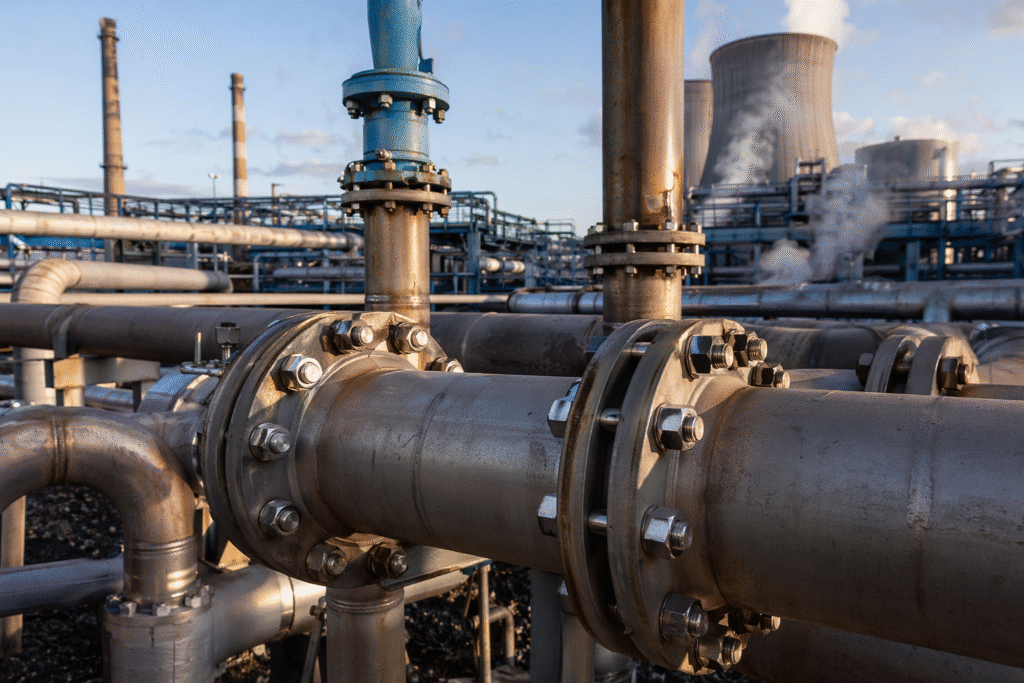
بيانات سوق شفة أنابيب الفولاذ المقاوم للصدأ: المزايا الخفية, أنواع, الاستخدامات, وكيفية اختيار الخيارات الأكثر شيوعًا
وفقا لأبحاث جراند فيو (2024), تم تقييم سوق الفلنجات الصناعية العالمية بـ $5.8 مليار في 2023 ومن المتوقع أن يصل $7.2 مليار بواسطة 2030. That growth explains why the stainless steel pipe flange remains a priority component for engineers and buyers who need corrosion resistance, سلامة الضغط, وعمر الخدمة الطويل.
لفرق المشتريات, the most intriguing question is not whether to use stainless steel, but which grade, نوع شفة, and standard deliver the best lifecycle value. علاوة على ذلك, the hidden advantages of stainless steel pipe flange solutions often appear in reduced maintenance, better cleanliness, and stronger performance under aggressive service conditions.
Industrial Demand for Stainless Steel Pipe Flange Solutions Is Rising Worldwide
بحسب موقع IBISWorld (2024), حسابات آسيا والمحيط الهادئ لأكثر من 45% من إنتاج شفة العالمية, مع كون الصين أكبر منتج. لذلك, sourcing strategy now depends not only on price, but also on supplier qualification, السيطرة المعدنية, والامتثال للتصدير.
بحسب موقع ستاتيستا (2024), تمثل صناعة النفط والغاز ما يقرب من 35% من استهلاك شفة العالمية. في الممارسة العملية, that means stainless steel pipe flange demand stays closely tied to upstream, منتصف الطريق, تكرير, الغاز الطبيعي المسال, and process plant investment cycles.
بالإضافة إلى ذلك, corrosion-related losses continue to shape material selection. NACE has estimated that global corrosion costs exceed $2.5 trillion annually, which equals roughly 3% ل 4% of global GDP (NACE, 2023). نتيجة ل, many end users move from carbon steel to 304, 316, دوبلكس, or nickel alloy flanges in critical lines.
Stainless steel flanges support leak-tight bolted joints in piping systems that carry fluids, الغازات, بخار, والمواد الكيميائية. They also simplify inspection, صيانة, and line modification compared with fully welded systems. That serviceability remains one of the most common reasons buyers choose a flange instead of a permanent connection.
في القطاعات المنظمة, documentation matters as much as metallurgy. Buyers often require mill test certificates, تتبع الحرارة, مؤشر مديري المشتريات, hydrostatic or dimensional verification, و EN 10204 3.1 inspection documents before approving shipment. لذلك, supplier quality systems directly affect project risk.
مثل SASA FLANGE يعمل مع ISO 9001:2015, بيد 2014/68/الاتحاد الأوروبي, و م 2000 أوراق اعتماد, the company aligns with procurement expectations for traceable industrial components. تصنيع الشفاه في 304, 316, 316ل, 904ل, 2205, 2507, أ105, أ182, إنكونيل, مونيل, هاستيلوي, والتيتانيوم, it serves demanding applications across oil and gas, البتروكيماويات, قوة, البحرية, وقطاعات معالجة المياه.
Another market shift involves total cost of ownership rather than unit price alone. Stainless steel usually costs more upfront than carbon steel, but it often lowers replacement frequency and downtime in chloride, رطب, or chemically aggressive environments. بالإضافة إلى, stainless grades help support hygiene and contamination control in food, فارما, and ultrapure water lines.
استخبارات موردور (2024) reports continued growth in global water and wastewater infrastructure investment, which supports rising demand for corrosion-resistant piping components. على نفس المنوال, shipbuilding and offshore projects increasingly specify 316L, دوبلكس, and super duplex materials where seawater exposure accelerates attack on lower-grade metals.
For buyers evaluating suppliers, manufacturing breadth is increasingly important. A qualified source should offer weld neck, سهل الارتداء, أعمى, لحام المقبس, مترابطة, مفصل اللفة, and reducing flange configurations, plus related elbows, المحملات, مخفضات, والقبعات. That integrated supply model reduces lead-time friction and documentation gaps.
مدعومة بتصنيع CNC المتقدم واختبار الجودة الشامل, SASA FLANGE يقدم أحجام مخصصة من 1/2 بوصة ل 60 بوصة بأسعار تنافسية من المصنع مباشرة. التقديم 50+ بلدان, the company supports both standardized and project-specific requirements under ANSI B16.5, أنسي B16.47, ASME B16.9, DIN, JIS, غوست, و إن 1092 frameworks.
أنواع شفة أنابيب الفولاذ المقاوم للصدأ, المزايا الخفية, وعوامل الاختيار الفنية
The most common stainless steel flange types each solve a different piping problem. لكن, selection errors still occur when teams focus only on flange price instead of bore alignment, التحميل الدوري, بدل التآكل, وطريقة التثبيت.
كما د. James Patel, مهندس مواد أول, الدول: “A flange joint succeeds when metallurgy, فئة الضغط, تواجه النهاية, توافق الحشية, and bolting are selected as one system rather than as separate items.” That principle is especially important for stainless steel pipe flange assemblies in high-temperature and chloride-rich service.
ASME B16.5 يغطي حواف الأنابيب والتجهيزات ذات الحواف في NPS 1/2 خلال 24, بينما ASME B16.47 addresses larger diameters up to NPS 60 (ASME, 2023). لذلك, engineers must confirm both dimensional standard and pressure-temperature rating before issuing a purchase order.
حسب ASTM, A182 is the core forged material specification for alloy and stainless steel pipe flanges, التجهيزات, الصمامات, وأجزاء لخدمة درجة الحرارة العالية (ASTM, 2023). فضلاً عن ذلك, ASTM A240 commonly governs plate products used to manufacture some stainless components, especially where plate flange production is specified.
The most common stainless steel grades for industrial flange use include:
- 304 and 304L for general corrosion resistance and good weldability.
- 316 and 316L for enhanced pitting resistance due to molybdenum content.
- 321 و 347 for stabilized performance in elevated temperature service.
- 904L for stronger resistance in certain sulfuric and chloride environments.
- 2205 ثنائي و 2507 super duplex for high strength and chloride stress corrosion resistance.
Each material offers hidden advantages beyond simple corrosion resistance. على سبيل المثال, duplex grades provide higher strength, which can reduce wall thickness in some applications. في أثناء, 316L remains one of the most common choices for marine, كيميائية, and offshore systems because it balances cost, التوفر, وأداء التآكل.
Flange type selection should match the process duty. A weld neck flange performs well in severe service because its tapered hub distributes stress more smoothly into the pipe wall. على النقيض من ذلك, a slip-on flange can reduce fabrication cost in lower-pressure lines, although its fatigue resistance is generally lower than weld neck designs.
الشفاه العمياء تعزل أطراف الخط, فوهات السفن, ونقاط التوسع المستقبلية. Threaded flanges simplify installation where welding is restricted, while socket weld flanges often suit small-bore high-pressure piping. Lap joint flanges support frequent dismantling and alignment flexibility, especially when paired with stub ends.
Typical selection criteria include:
- فئة الضغط مثل الطبقة 150, 300, 600, 900, 1500, أو 2500.
- Pipe schedule and bore alignment, including Schedule 10S, 40س, and 80S.
- تواجه نوع مثل الترددات اللاسلكية, FF, آر تي جيه, اللسان والأخدود, أو ذكر وأنثى.
- درجة حرارة التشغيل, ضغط التصميم, and thermal cycling severity.
- كيمياء السوائل, مستوى الكلوريد, الرقم الهيدروجيني, erosion risk, and contamination sensitivity.
- Inspection requirements including PMI, حزب العمال, يوتا, اختبار الفريت, و EN 10204 3.1 وثائق.
وفقا لأبحاث السوق في المستقبل (2024), process industry automation and plant modernization continue to increase replacement demand for high-integrity components. نتيجة ل, buyers increasingly ask for precision-machined flange faces and tighter dimensional consistency to reduce site fit-up problems.
كما لورا تشين, Industrial Piping Analyst, الدول: “The most overlooked advantage of stainless steel flanges is lifecycle stability, because fewer corrosion failures directly improve uptime and maintenance planning.” That view aligns with the hidden advantages procurement teams seek when comparing stainless and carbon steel options.
On the manufacturing side, dimensional accuracy matters as much as raw material grade. Poor flatness, off-center bores, or incorrect drilling can create gasket stress imbalance and leak risk. لذلك, reliable suppliers use calibrated gauges, التحقق من مؤشر مديري المشتريات (PMI)., الشيكات صلابة, and final visual inspection before dispatch.
SASA FLANGE supports custom machining, multiple facing types, and a broad portfolio of stainless steel flanges and fittings for project packages. Offering weld neck, سهل الارتداء, أعمى, مترابطة, لحام المقبس, مفصل اللفة, and reducing flange designs, the company helps buyers consolidate sourcing while maintaining technical compliance.
For many buyers, the most intriguing buying decision is whether premium metallurgy is justified. In most corrosive or maintenance-sensitive plants, the answer is yes. The hidden advantages include fewer shutdowns, lower replacement frequency, and better reliability under variable process conditions.
المعايير, امتثال, and Quality Assurance for Stainless Steel Flanges
Standards compliance determines interchangeability, أمان, and acceptance in EPC and end-user projects. بالتالي, every stainless steel pipe flange specification should identify the required dimensional standard, معيار المواد, مستوى التفتيش, وحزمة الشهادات.
Key standards and frameworks include:
- ASME B16.5 for flanges and flanged fittings up to NPS 24.
- ASME B16.47 للفلنجات الفولاذية ذات القطر الكبير من NPS 26 ل 60.
- ASTM A182 للسبائك المزورة أو المدرفلة والشفاه المصنوعة من الفولاذ المقاوم للصدأ.
- ASME B16.9 لتركيبات اللحام المطاوع المصنوعة في المصنع.
- EN 1092 for European flange dimensions and pressure classes.
- DIN and JIS standards for region-specific industrial installations.
- NACE MR0175 for sulfide stress cracking resistance in sour service.
Pressure-temperature ratings should never be assumed across standards. ASME Class ratings differ from PN designations in EN and DIN systems, and drilling patterns are not always interchangeable. لذلك, procurement documents must specify the exact governing standard to avoid site mismatch.
The PED 2014/68/EU framework adds another compliance layer for equipment supplied into the European market. علاوة على ذلك, quality systems such as ISO 9001:2015 support process discipline across material receiving, بالقطع, إمكانية التتبع, nonconformance handling, and final release.
كمرجع, buyers often compare requirements in this simplified format:
- ASME projects usually specify Class ratings, RF or RTJ faces, and ASTM material grades.
- EN projects usually specify PN ratings, EN material numbers, و EN 10204 certification language.
- Oil and gas projects may add NACE MR0175, low-temperature testing, and stricter traceability controls.
- Marine projects may require DNV or owner-specific corrosion and certification criteria.
وفقا للايزو (2023), certified quality management systems improve consistency in controlled manufacturing environments by standardizing inspection, الوثائق, and corrective action. In flange production, that means better repeatability in drilling, bore machining, bevel geometry, and marking accuracy.
Material traceability is especially important for stainless steel grades that appear similar visually but differ in corrosion performance. على سبيل المثال, 304 و 316 may look alike, yet 316 contains molybdenum and generally performs better in chloride service. نتيجة ل, PMI and heat number tracking reduce costly substitution risks.
Surface finish and flange face quality also affect sealing reliability. ASME and gasket manufacturers specify serration ranges for raised face joints because surface roughness directly influences gasket seating. لذلك, face finishing should be verified rather than assumed.
In severe service, supplementary tests often strengthen confidence:
- Positive Material Identification for grade verification.
- Liquid Penetrant Testing for surface discontinuities.
- Ultrasonic Testing for internal integrity in critical forgings.
- Hardness testing where service or client specifications require it.
- Ferrite measurement for duplex and certain weld-related applications.
مع ISO 9001:2015 وشهادات PED 2014/68/EU, SASA FLANGE aligns with the expectations of global EPC contractors and industrial distributors. The company also supports EN 10204 3.1 الوثائق, فحص الأبعاد, and project-specific testing protocols for buyers who need dependable compliance records.
Authoritative standards should always be checked at source before final engineering release. Buyers can review current requirements directly through ASME and ASTM publications. That step reduces revision errors and supports stronger specification control during tendering.
How to Choose the Most Common Stainless Steel Pipe Flange for Real Applications
Application-based selection helps engineers choose the most common and cost-effective flange without sacrificing reliability. لكن, each industry imposes different corrosion, ضغط, درجة حرارة, and inspection demands.
في النفط والغاز, stainless steel pipe flange selection often depends on chlorides, خدمة تعكر, فئة الضغط, وإمكانية الوصول إلى الصيانة. For offshore topside and produced water systems, 316ل, 2205, و 2507 are frequently evaluated because corrosion failures can trigger major downtime. بحسب موقع ستاتيستا (2024), يمثل النفط والغاز حوالي 35% من استهلاك شفة العالمية, so this sector heavily influences preferred flange designs.
في معالجة البتروكيماويات والكيماويات, media compatibility drives material choice. 304L may work well in moderate service, while 316L or 904L often performs better in chloride-bearing or acidic lines. Where temperature remains high for long periods, stabilized or heat-resistant grades such as 321, 347, or specific nickel alloys may be more suitable.
Power generation systems often combine elevated temperature with cyclic load. لذلك, weld neck flange designs are usually preferred on critical steam or high-energy lines because they provide better stress distribution. ASTM A182 grades and precise bore matching are essential to protect weld integrity and flow continuity.
Marine and shipbuilding applications demand stronger resistance to salt spray, مناطق الرش, and seawater handling systems. في هذه البيئات, 316L remains common, but duplex and super duplex grades often deliver longer life where pitting and crevice corrosion risks are high. DNV or owner specifications may also apply.
Water treatment plants increasingly specify stainless steel flanges and fittings where corrosion, نظافة, and low maintenance matter. بحسب معلومات موردور (2024), wastewater infrastructure spending continues to expand globally, which supports growing demand for durable, traceable flange systems.
When evaluating flange types, buyers should compare these practical uses:
- شفة عنق اللحام للضغط العالي, ارتفاع درجة الحرارة, والخدمة الدورية.
- Slip-on flange for moderate duty and economical fabrication.
- شفة عمياء لإنهاء الخط, عزل, and test points.
- Threaded flange for non-welded small-bore service.
- Socket weld flange for compact high-pressure small-diameter lines.
- شفة مفصلية للأنظمة التي تتطلب تفكيكًا متكررًا.
- Reducing flange where line size transition is needed within the flange connection.
Procurement managers should also evaluate commercial factors early in the sourcing cycle:
- Available sizes such as 2 بوصة, 4 بوصة, and larger custom dimensions.
- Pressure class availability and matching bolting requirements.
- Lead time for standard versus custom forged items.
- Documentation package including MTC, 3.1, بيد, and PMI reports.
- Export packing, وضع العلامات, and traceability controls.
مثل مارك إليسون, Piping Consultant, الدول: “The strongest flange is not simply the thickest one, but the one correctly matched to load case, علم المعادن, تواجه, طوقا, and bolt set.” That advice is especially useful when buyers compare weld neck, أعمى, and RTJ designs for demanding process lines.
Custom manufacturing becomes valuable when project drawings include nonstandard bores, مواجهة خاصة, or dual standard compliance. تقديم أحجام مخصصة من 1/2 بوصة ل 60 بوصة, SASA FLANGE supports these project-driven requirements with advanced CNC machining and broad material capability. That flexibility helps EPC buyers reduce supplier fragmentation.
For teams comparing suppliers, a structured RFQ should include standard, مقاس, جدول, فصل, نوع الوجه, مادة, اختبار, ومتطلبات الوثيقة. فضلاً عن ذلك, buyers should request any special heat treatment, NACE, or coating instructions at inquiry stage. Early clarity improves quotation accuracy and delivery performance.
The most common buying mistake is selecting stainless only by grade number. بدلاً من, engineers should choose the complete flange system around process chemistry, فئة الضغط, نمط طوقا, وتكلفة دورة الحياة. That disciplined approach reveals the hidden advantages of high-quality stainless steel flanges in long-term plant performance.
النظرة المستقبلية, توصيات الشراء الاستراتيجية, and Supplier Evaluation
The industrial flange market is expanding steadily, but buyer expectations are becoming more technical. وفقا لأبحاث جراند فيو (2024), ومن المتوقع أن ينمو السوق من $5.8 مليار في 2023 ل $7.2 مليار بواسطة 2030. لذلك, suppliers that combine traceable quality with flexible manufacturing will gain the strongest position.
Procurement teams should expect three major trends. أولاً, corrosion-resistant materials will continue gaining share in aggressive environments. ثانية, project owners will demand stronger documentation and compliance visibility. ثالث, shorter lead times and integrated supply of flanges plus fittings will become more valuable.
استراتيجيا, buyers should follow a few clear practices:
- Standardize approved materials by service condition rather than by habit.
- حدد ASME, ASTM, DIN, or EN requirements clearly in every RFQ.
- Verify testing scope before order placement, not after production.
- Assess lifecycle cost, ليس فقط سعر شراء الوحدة.
- Consolidate sourcing where flange and fitting compatibility matters.
بالإضافة إلى, supplier evaluation should include production capability, تجربة التصدير, certification status, and responsiveness to technical clarification. A capable partner can often prevent costly mismatches before they reach site. That value becomes significant in shutdown work and EPC schedules where delays are expensive.
For buyers seeking stainless steel pipe flange solutions across the most common and specialized applications, the right source should combine engineering support, الامتثال للمعايير, and flexible manufacturing. مع ISO 9001:2015 وشهادات PED 2014/68/EU, تغطية واسعة النطاق, and experience serving 50+ بلدان, SASA FLANGE remains a practical option for industrial projects that require reliable flanges and fittings. For technical support or RFQ review, يمكن للمشترين الاتصال من خلال SASA FLANGE and align specification, مادة, and lead-time requirements early in the sourcing process.
الأسئلة المتداولة
ما هي الشفاه الفولاذ المقاوم للصدأ المستخدمة ل?
●تستخدم الشفاه المصنوعة من الفولاذ المقاوم للصدأ لتوصيل الأنابيب, الصمامات, مضخات, and vessels in systems that require corrosion resistance, القوة الميكانيكية, وسهولة الوصول إلى الصيانة.
●بحسب موقع ستاتيستا (2024), يمثل النفط والغاز حوالي 35% من استهلاك شفة العالمية, which shows how critical flange joints are in high-value industrial piping networks.
●وهي الأكثر شيوعا في النفط والغاز, البتروكيماويات, البحرية, معالجة المياه, تجهيز الأغذية, and power generation because they simplify inspection and replacement compared with permanent welded-only assemblies.
●Engineers typically choose flange assemblies when they need bolted joints with defined pressure classes, controlled gasket sealing, and compatibility with standards such as ASME B16.5 أو إن 1092.
●For projects requiring traceable stainless steel flanges and fittings, العمل مع الشركات المصنعة القائمة مثل SASA FLANGE helps ensure proper material documentation and dimensional compliance.
ما هي الشفاه المصنوعة من الفولاذ المقاوم للصدأ?
●Many flange designs are made of stainless steel, بما في ذلك الرقبة اللحام, سهل الارتداء, أعمى, مترابطة, لحام المقبس, مفصل اللفة, and reducing flange configurations.
●ASTM A182 is the primary forged material standard for stainless steel flanges in industrial service, بينما ASME B16.5 and B16.47 define dimensions and pressure classes for many common products.
●وتشمل الدرجات المشتركة 304, 304ل, 316, 316ل, 321, 347, 904ل, 2205, و 2507, with grade selection depending on chlorides, درجة حرارة, ضغط, and required mechanical strength.
●Blind and weld neck designs are often preferred in severe service, while slip-on and threaded options may suit less demanding or easier-installation environments.
●For buyers comparing stainless steel flange types across multiple standards, a qualified supplier should offer both standard and custom-machined options with EN 10204 3.1 الوثائق.
هل يصنعون تجهيزات أنابيب الفولاذ المقاوم للصدأ?
●نعم, يقوم المصنعون بإنتاج تجهيزات أنابيب الفولاذ المقاوم للصدأ مثل الأكواع, المحملات, مخفضات, and caps to match flange materials and maintain corrosion resistance through the full piping system.
●ASME B16.9 covers many factory-made wrought buttwelding fittings, and coordinated sourcing of flanges plus fittings often improves compatibility and project documentation control.
●وفقا لأبحاث جراند فيو (2024), industrial flange demand is rising toward $7.2 مليار بواسطة 2030, and that same infrastructure growth supports continued demand for matched stainless steel piping components.
●Using mixed materials can create corrosion and maintenance risks, so engineers often prefer matching or metallurgically compatible flange and fitting grades in aggressive service.
●For projects needing stainless steel flanges and fittings from one source, الموردين مثل SASA FLANGE can simplify procurement and reduce lead-time coordination issues.
ما هو أقوى نوع من شفة الأنابيب?
●The weld neck flange is widely considered the strongest standard piping flange for high-pressure and high-temperature service because its tapered hub distributes stress effectively into the pipe.
●ASME B16.5 class ratings range from 150 ل 2500, but actual strength depends on flange type, الصف المادي, سمك الجدار, انشقاق, تصميم طوقا, ودرجة حرارة التشغيل.
●Blind flanges can also handle severe service at line ends, while ring type joint configurations often improve sealing reliability in critical oil and gas applications.
●As piping consultants often note, the strongest flange is the one correctly matched to the load case and service environment rather than the thickest or most expensive option.
●For demanding systems, engineers should review bore match, تواجه, فئة الضغط, و ASTM A182 material requirements before final selection.
ما هي الأنواع المختلفة من الفلنجات المصنوعة من الفولاذ المقاوم للصدأ?
●أنواع شفة الفولاذ المقاوم للصدأ الرئيسية هي رقبة ملحومة, سهل الارتداء, أعمى, مترابطة, لحام المقبس, مفصل اللفة, والحد من الشفاه.
●Each type serves a different use case, with weld neck favored for severe cyclic duty and slip-on often chosen for economical fabrication in moderate-pressure systems.
●بحسب ASME (2023), dimensional requirements for many of these designs are standardized under B16.5 and B16.47, which supports interchangeability when specifications are written correctly.
●Face types such as raised face, وجه مسطح, and RTJ also affect sealing performance, so buyers should evaluate the complete connection rather than flange geometry alone.
●For the most common project work, engineers should confirm standard, فصل, تواجه, and material grade before comparing supplier pricing.
How do I choose the most common stainless steel pipe flange size and grade?
●You should choose stainless steel pipe flange size and grade by matching NPS size, جدول الأنابيب, فئة الضغط, كيمياء العملية, and temperature to the project specification.
●Common buyer searches include 2 بوصة و 4 inch stainless steel pipe flange sizes, but correct selection also requires bore accuracy, bolt pattern confirmation, وتوافق الحشية.
●بحسب موقع IBISWorld (2024), تمثل منطقة آسيا والمحيط الهادئ أكثر من ذلك 45% من إنتاج شفة العالمية, so buyers have broad sourcing options but must still verify compliance and traceability carefully.
●Grades such as 304L and 316L cover many standard services, بينما 2205, 2507, 904ل, and nickel alloys may be better for chlorides, خدمة تعكر, أو الوسائط شديدة التآكل.
●For projects with custom dimensions or strict documentation requirements, working with an experienced manufacturer helps avoid installation mismatch and rework.
الوظائف ذات الصلة
شفة الوجه النهاية: شرح متحدة المركز مقابل التسنينات الحلزونية
تعتبر كل من المسننات المركزة واللولبية عبارة عن تشطيبات وجه شفة مُشكَّلة آليًا…
دوبلكس 2205 مقابل الشفاه 316L: ما هي المواد التي يجب عليك اختيارها؟?
إجابة سريعة: دوبلكس 2205 الشفاه عادة ما تكون المرشح الأقوى…

تعريف شفة الفوهة, التفاصيل ونظرة عامة على الشفاه ASME B16.36: بيانات السوق, دليل الاختيار ورؤى الامتثال
تم تقييم سوق الفلنجات الصناعية العالمية بـ $5.8 مليار…

دليل سوق شفة التخلص الأسود: مواد, 3.5″ التوافق, وبيانات مصادر B2B لحواف حوض المطبخ
يتزايد الطلب على شفة التخلص السوداء مع المشترين لتركيبات المطبخ…