
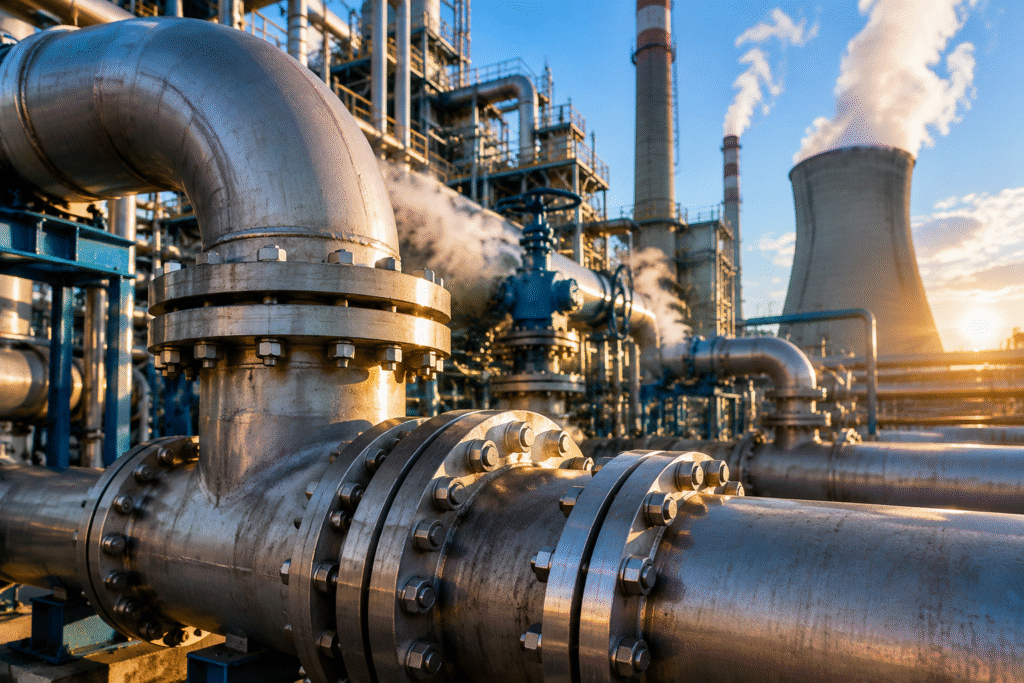
سوق شفة أنابيب الفولاذ المقاوم للصدأ بسعر 5.8 مليار دولار: المزايا الخفية, أنواع, الاستخدامات, وكيفية اختيار حواف الأنابيب الأكثر شيوعًا
وفقا لأبحاث جراند فيو (2024), تم تقييم سوق الفلنجات الصناعية العالمية بـ $5.8 مليار في 2023 ومن المتوقع أن يصل $7.2 مليار بواسطة 2030. That growth is one reason stainless steel pipe flange demand remains strong across oil and gas, البتروكيماويات, توليد الطاقة, البحرية, ومشاريع معالجة المياه.
للمهندسين وفرق المشتريات, the most intriguing value is not just corrosion resistance. The hidden advantages of stainless steel pipe flange selection include lower lifecycle cost, stronger traceability, easier compliance with ASME and EN standards, and better reliability in aggressive service.
لماذا يستمر سوق شفة أنابيب الفولاذ المقاوم للصدأ في التوسع
Industrial buyers now expect more than a product list. They want clear guidance on flange types, فئات الضغط, درجات المواد, الوثائق, and lead times. That shift favors suppliers that combine manufacturing depth with technical support.
بحسب موقع IBISWorld (2024), حسابات آسيا والمحيط الهادئ لأكثر من 45% من إنتاج شفة العالمية, مع كون الصين أكبر منتج. نتيجة ل, buyers increasingly source from qualified Chinese producers that can meet international standards and documentation requirements.
بحسب موقع ستاتيستا (2024), تمثل صناعة النفط والغاز ما يقرب من 35% من استهلاك شفة العالمية. علاوة على ذلك, المصافي, LNG projects, المنصات البحرية, and pipeline systems continue to specify stainless and alloy materials where corrosion, التعرض للكلوريد, or elevated temperature create risk.
That market demand also explains why stainless steel pipe flange products remain among the most common pipe connection components in industrial systems. Unlike commodity parts, flanges affect sealing integrity, فترات الصيانة, and inspection performance across the entire piping loop.
بحسب معلومات موردور (2024), capital spending in process industries continues to support demand for pressure-retaining piping components in both greenfield and brownfield projects. لذلك, buyers are comparing not only flange price, but also machining accuracy, اختبار مؤشر مديري المشتريات (PMI)., EN 10204 3.1 شهادة, وموثوقية التسليم.
مثل جون كارتر, مهندس الأنابيب الأول, الدول: “الشفة هي نسبة صغيرة من تكلفة المشروع, but a major percentage of joint reliability.” His point reflects a common field reality, because gasket seating, bolt load distribution, and facing tolerances directly affect leak prevention.
لهذا السبب, stainless steel pipe flange selection should be tied to process conditions, متطلبات الكود, and long-term maintenance strategy. 304, 316, 316ل, 904ل, 2205, و 2507 each offer different performance profiles under chloride, حامض, درجة حرارة, and pressure exposure.
SASA FLANGE serves global buyers with stainless steel flanges, الشفاه من الصلب الكربوني, الشفاه سبيكة, and pipe fittings in materials such as 304, 316, 316ل, 904ل, 2205, 2507, أ105, أ182, إنكونيل, مونيل, هاستيلوي, والتيتانيوم. مع ISO 9001:2015 وشهادات PED 2014/68/EU, the company supports projects that require traceable quality and consistent compliance.
In contrast to purely catalog-style pages, procurement teams benefit from selection guidance built around real operating conditions. That includes flange facing type, فئة الضغط, nominal pipe size, بدل التآكل, طريقة اللحام, and the interaction between flange and mating pipe or fitting material.
وفقا لأبحاث السوق في المستقبل (2024), infrastructure modernization and water treatment investment are increasing demand for corrosion-resistant piping components worldwide. بالتالي, stainless steel pipe flange demand is expanding beyond traditional oil and gas into desalination, pharmaceutical processing, and food-grade utility systems.
أنواع شفة أنابيب الفولاذ المقاوم للصدأ, مواد, and Hidden Advantages in Real Service
The most common pipe flange designs are weld neck, سهل الارتداء, أعمى, مترابطة, لحام المقبس, ومفاصل اللفة. لكن, the correct choice depends on stress concentration, احتياجات التفتيش, fluid hazard level, اهتزاز, and expected maintenance cycles.
وفق ASME B16.5, dimensional consistency and pressure-temperature rating control are essential for flanges from NPS 1/2 خلال 24. لأقطار أكبر, ASME B16.47 typically applies, especially in transmission, تخزين, and large process piping systems (ASME, 2023).
كما د. هيلين موريس, عالم المواد, الدول: “The hidden advantages of stainless steel are most visible when chloride resistance, قابلية اللحام, and lifecycle maintenance are evaluated together.” That is why 316L and duplex grades often outperform lower-cost options in seawater-adjacent or chemically aggressive service.
Material selection starts with environment. 304 works well for many general industrial applications, بينما 316 and 316L provide improved molybdenum-enhanced corrosion resistance. For stronger pitting and crevice corrosion resistance, 904ل, 2205, و 2507 become more compelling.
According to NACE guidance for sour and corrosive service, material failure often begins at crevices, weld zones, or improperly matched components rather than in bulk metal alone (NACE, 2023). لذلك, flange selection should be coordinated with pipe schedule, إجراء اللحام, نوع الحشية, and bolting specification.
- 304 شفة الفولاذ المقاوم للصدأ: Good general corrosion resistance and cost efficiency for water, هواء, وخدمة كيميائية خفيفة.
- 316/316شفة من الفولاذ المقاوم للصدأ على شكل حرف L: Better chloride and chemical resistance for offshore, الصيدلانية, and petrochemical use.
- 904شفة L: Strong resistance in sulfuric and reducing acid environments.
- 2205 شفة مزدوجة: Higher strength than austenitic grades and strong resistance to chloride stress corrosion cracking.
- 2507 شفة مزدوجة فائقة: Preferred for severe offshore, تحت سطح البحر, وظروف ارتفاع الكلوريد.
Buyers often ask which flange types deliver the best total cost. Weld neck flanges usually cost more upfront, but they reduce stress concentration and perform well in high-pressure and cyclic service. Slip-on flanges lower fabrication cost, yet they may not suit severe fatigue or critical service as effectively.
That tradeoff matters because rework is expensive. According to ASTM and field fabrication studies cited by industry analysts, alignment errors, facing defects, and poor weld preparation are among the most common causes of flange joint leakage during commissioning (ASTM, 2023).
The most common pipe flange comparison can be summarized clearly.
- شفة الرقبة الملحومة: الأفضل للضغط المرتفع, ركوب الدراجات في درجة الحرارة, and severe service.
- شفة الانزلاق: Economical for low to moderate pressure systems with simpler fabrication.
- شفة عمياء: Used to terminate or isolate a line, محطة صمام, or nozzle opening.
- شفة مترابطة: Useful where welding is not preferred, often on small-bore or temporary systems.
- شفة لحام المقبس: Common for small diameter, أنابيب الضغط العالي.
- شفة اللفة المشتركة: Selected where frequent dismantling or alignment flexibility is needed.
Flange facing also affects performance. Raised face remains the most common for ASME process systems, while ring type joint is often specified for higher pressure classes in oil and gas. Flat face may be required for cast iron equipment or selected low-pressure installations.
وفقًا لتوجيهات DNV الخارجية, flange integrity risks increase significantly when material selection, توافق الحشية, and bolt preload are treated separately rather than as one joint system (دنف, 2023). نتيجة ل, experienced manufacturers emphasize dimensional control, تواجه النهاية, وتتبع المواد بالكامل.
SASA FLANGE manufactures flanges in ANSI B16.5, أنسي B16.47, DIN, JIS, غوست, و إن 1092 التكوينات. مدعومة بتصنيع CNC المتقدم واختبار الجودة الشامل, the company offers custom sizes from 1/2 بوصة ل 60 بوصة بأسعار تنافسية من المصنع مباشرة.
في المشتريات العملية, the hidden advantages of a well-made stainless steel pipe flange include lower downtime, fewer replacement cycles, and smoother audit compliance. Those factors matter even more when a project requires MTCs, مؤشر مديري المشتريات, وثائق دعم الاختبار المائي, or PED-related records for export to Europe.
ASME, ASTM, DIN, and EN Standards That Define Flange Compliance
Standards are not optional in industrial piping. يحددون الأبعاد, حدود درجة الحرارة والضغط, مواد, التسامح, inspection practices, and marking rules. لذلك, every stainless steel pipe flange purchase should reference the correct standard set from the start.
The most commonly referenced dimensional standards include ASME B16.5, ASME B16.47, DIN, و إن 1092-1. Material specifications often include ASTM A182 for forged or rolled alloy and stainless flanges, while related plate products may reference ASTM A240 for stainless steel plate, ملزمة, والتجريد.
فضلاً عن ذلك, ASME B16.9 governs many butt weld fittings used with flanged piping systems. That is important because elbows, المحملات, مخفضات, and caps must match the metallurgy and service conditions of the flange joint.
- ASME B16.5: الشفاه الأنابيب والتجهيزات ذات الحواف, مصادر القدرة النووية 1/2 ل 24.
- ASME B16.47: الشفاه الفولاذية ذات القطر الكبير, مصادر القدرة النووية 26 ل 60.
- ASTM A182: Forged or rolled alloy and stainless steel pipe flanges, التجهيزات, الصمامات, وأجزاء.
- ASTM A240: Chromium and chromium-nickel stainless steel plate and sheet for pressure vessels and general applications.
- EN 1092-1: European flange standard covering dimensions, تقييمات الضغط, and facing forms.
- NACE MR0175/ISO 15156: المتطلبات المادية للبيئات المحتوية على كبريتيد الهيدروجين في إنتاج النفط والغاز.
وفقًا لتوجيهات معدات الضغط, traceability and conformity assessment are critical for pressure-retaining components entering the EU market (بيد 2014/68/الاتحاد الأوروبي). بالتالي, procurement teams should verify certificates, أرقام الحرارة, سجلات التفتيش الأبعاد, and marking before shipment.
للعديد من مقاولي EPC, documentation is as important as metallurgy. A compliant flange package may include EN 10204 3.1 شهادات المواد, تقارير مؤشر مديري المشتريات (PMI)., سجلات التفتيش الأبعاد, الشيكات صلابة, and surface finish verification. In sour service or offshore duty, additional NACE or project-specific testing may also apply.
مثل مارك إليسون, محلل السوق الصناعي, الدول: “Procurement risk falls sharply when standard compliance, إمكانية التتبع, and inspection records are confirmed before fabrication starts.” That is why serious buyers review not only product availability, but also the manufacturer’s quality system and export experience.
The difference between a quotation and a compliant supply package can be substantial. على سبيل المثال, a low-cost offer may exclude third-party inspection, اختبار التأثير, أو وثائق PED. لكن, those items can become mandatory depending on end user specifications and destination market.
SASA FLANGE supports buyers requiring ISO 9001:2015, بيد 2014/68/الاتحاد الأوروبي, و م 2000 aligned manufacturing documentation. التقديم 50+ الدول عبر النفط & الغاز, البتروكيماويات, قوة, والصناعات البحرية, the company helps project teams match flange supply to both code compliance and schedule pressure.
For buyers comparing EN and ASME systems, dimensional interchangeability should never be assumed. دائرة الترباس, سماكة, تواجه الهندسة, and pressure designation can differ. لذلك, project drawings and flange mating details must be checked before procurement approval.
Authoritative technical references are available from ASME و ASTM. Those sources remain essential for confirming dimensions, التقييمات, and material requirements on critical piping orders.
How to Choose Stainless Steel Pipe Flange Solutions for Oil, الغاز, كيميائي, قوة, والخدمة البحرية
The right flange is chosen by service condition, ليس بالعادة. Engineers should begin with fluid composition, ضغط التصميم, درجة حرارة التشغيل, خطر التآكل, والوصول إلى الصيانة. After that, they can narrow the correct material grade, تواجه, فئة الضغط, ونوع شفة.
في أنظمة النفط والغاز, the most common pipe flange choices are weld neck and blind flanges in 316L, دوبلكس, or alloy materials depending on process severity. Offshore and sour environments often require stronger chloride resistance, الامتثال NACE, and higher confidence in fatigue performance.
In petrochemical service, corrosive media and thermal cycling matter more than initial price. لذلك, 316ل, 904ل, or nickel alloys may be selected where acids, كلوريدات, or elevated temperature create accelerated attack on standard grades.
Power generation applications often prioritize pressure class, thermal stress resistance, وسلامة اللحام. نتيجة ل, flange selection may focus on Class 300, 600, أو تقييمات أعلى, especially on steam, المكثفات, or high-energy process lines.
تضيف الأنظمة البحرية وأنظمة بناء السفن التعرض للملح, اهتزاز, وقيود المساحة. Duplex stainless flanges often provide a strong balance of corrosion resistance and strength in these environments, while 316L remains common for many utility and deck systems.
- يختار 304 for general service with limited chloride exposure and moderate temperature.
- اختر 316/316L for better pitting resistance in marine, كيميائية, والأنظمة الصيدلانية.
- يختار 2205 when strength and chloride resistance must improve without moving immediately to super duplex.
- يختار 2507 for severe offshore, تحلية المياه, and high-salinity duty.
- Choose weld neck flanges for high pressure, ارتفاع درجة الحرارة, or dynamic loading.
- Choose slip-on flanges for cost-sensitive utility lines with lower service severity.
Size and pressure rating also drive cost and availability. Common searches such as stainless steel pipe flange sizes, 4 شفة أنابيب الفولاذ المقاوم للصدأ بوصة, شفة الفولاذ المقاوم للصدأ 2, and stainless steel threaded pipe flange reflect practical buying needs rather than abstract product interest. لذلك, suppliers should provide dimensional options, تفاصيل المواجهة, and lead-time transparency.
Custom manufacturing is especially important when standard stock does not fit project conditions. Large OD machining, الحفر غير القياسية, واجهات خاصة, and mixed-standard requirements appear frequently in retrofit work, تصنيع الانزلاق, and international EPC projects.
SASA FLANGE supports custom flange manufacturing and matching pipe fittings including elbows, المحملات, مخفضات, والقبعات. تصنيع الشفاه في 304, 316, 904ل, 2205, 2507 وغيرها من الدرجات الممتازة, the company helps buyers reduce supplier fragmentation on complex piping packages.
When comparing offers, buyers should ask for the following data before placing an order.
- Applicable standard and edition.
- Material grade and forging route.
- فئة الضغط أو تصنيف PN.
- تواجه نوع والانتهاء من السطح.
- Heat treatment and test reports.
- EN 10204 3.1 certificates and PMI availability.
- نطاق الحجم, تسامح, and marking details.
- مهلة, packaging method, and export destination support.
That process improves purchasing accuracy and reduces mismatch risk. علاوة على ذلك, it helps engineers confirm that the selected stainless steel pipe flange will perform as expected in the actual operating environment, not only on paper.
Future Outlook for Stainless Steel Pipe Flange Procurement and Strategic Buying Decisions
The flange market will likely remain resilient because industrial maintenance, expansion projects, and energy transition infrastructure all require reliable piping connections. وفقا لأبحاث جراند فيو (2024), ومن المتوقع أن يصل السوق $7.2 مليار بواسطة 2030, which confirms continued global demand.
فضلاً عن ذلك, corrosion-resistant materials are gaining attention as operators look to reduce downtime and total cost of ownership. According to industry estimates from Market Research Future (2024), lifecycle-driven procurement is becoming more common in water treatment, البحرية, and process manufacturing.
That trend favors stainless and duplex grades where maintenance access is difficult or shutdown cost is high. It also favors manufacturers that can combine factory pricing with documentation, دقة التصنيع, and international compliance support.
لفرق المشتريات, the best strategy is straightforward. Standardize approved grades for each service category. محاذاة شفة, مناسب, طوقا, and bolting specifications early. Then qualify suppliers on quality systems, export records, and inspection capability rather than on unit price alone.
للمهندسين, the key recommendation is to evaluate hidden advantages together with headline cost. A lower purchase price may look attractive, yet lifecycle cost can rise quickly if flange alignment, الانتهاء من السطح, or corrosion resistance is inadequate.
As sourcing becomes more global, responsiveness and technical clarity will matter even more. Buyers who need stainless steel pipe flange support for ongoing projects, replacement demand, or custom specifications often benefit from working directly with manufacturers that understand ASME, ASTM, DIN, EN, and PED requirements from quotation stage onward.
الأسئلة المتداولة
ما هي الشفاه الفولاذ المقاوم للصدأ المستخدمة ل?
●تستخدم الشفاه المصنوعة من الفولاذ المقاوم للصدأ لتوصيل الأنابيب, الصمامات, مضخات, and pressure equipment in systems that need strength, مقاومة التآكل, وسهولة الوصول إلى الصيانة.
●بحسب موقع ستاتيستا (2024), يمثل النفط والغاز حوالي 35% من استهلاك شفة العالمية, which shows how essential flanged joints are in critical process systems.
●وهي تستخدم على نطاق واسع في النفط والغاز, البتروكيماويات, توليد الطاقة, البحرية, معالجة المياه, تجهيز الأغذية, and pharmaceutical facilities because they allow secure bolted connections and simpler line disassembly.
●Engineers usually select a stainless steel pipe flange when the service involves moisture, كلوريدات, المواد الكيميائية, درجات حرارة مرتفعة, or strict hygiene requirements that can challenge carbon steel alternatives.
●For projects requiring corrosion-resistant flanges with traceable quality documents, العمل مع الشركات المصنعة القائمة مثل SASA FLANGE helps ensure compliance with ASME, ASTM, ومعايير EN.
هل يصنعون تجهيزات أنابيب الفولاذ المقاوم للصدأ?
●نعم, يقوم المصنعون بإنتاج تجهيزات أنابيب الفولاذ المقاوم للصدأ مثل الأكواع, المحملات, مخفضات, and caps to match flanged piping systems in both standard and custom configurations.
●وفق ASME B16.9, butt weld fittings must meet dimensional requirements that support proper integration with pipe and flange assemblies in pressure service.
●وتشمل الدرجات المشتركة 304, 316, 316ل, 904ل, 2205, و 2507, and the correct choice depends on corrosion risk, process fluid, ضغط, درجة حرارة, وطريقة التصنيع.
●It is best practice to match fitting material and flange material wherever possible so weld zones, سلوك التآكل, and inspection records remain consistent across the piping package.
●For buyers seeking stainless steel flanges and fittings from one source, manufacturers with machining and documentation capability can reduce delays, simplify inspections, and improve package control.
ما هي الأنواع المختلفة من الفلنجات المصنوعة من الفولاذ المقاوم للصدأ?
●تشمل الأنواع المختلفة من الفلنجات المصنوعة من الفولاذ المقاوم للصدأ رقبة ملحومة, سهل الارتداء, أعمى, مترابطة, لحام المقبس, and lap joint designs for varying pressure, درجة حرارة, and maintenance conditions.
●وفق ASME B16.5 (2023), these flange types are standardized to maintain dimensional compatibility, pressure-temperature integrity, and installation consistency across piping systems.
●تُفضل حواف عنق اللحام للخدمة الشديدة, slip-on flanges are common in cost-sensitive utility lines, الشفاه العمياء تعزل الأنظمة, and threaded flanges are useful when welding is not practical.
●Facing options such as raised face, وجه مسطح, and ring type joint also influence gasket seating, تحميل الترباس, وتسرب الأداء, so flange type should always be reviewed together with facing geometry.
●للأوامر الحرجة, buyers should request standard references, شهادات المواد, and facing details before approving a stainless steel pipe flange purchase.
ما هي الأنواع الثلاثة من الشفاه?
●الأنواع الثلاثة من الفلنجات الأكثر شيوعًا في المناقشات الصناعية العامة هي الرقبة الملحومة, سهل الارتداء, and blind flanges because they cover the majority of process piping connection needs.
●According to field procurement data and standard usage patterns, these three designs appear most often in refineries, النباتات الكيميائية, أنظمة المرافق, and pipeline isolation points.
●Weld neck flanges provide stronger stress distribution, slip-on flanges offer lower fabrication cost, and blind flanges terminate or isolate nozzles and line ends during operation or maintenance.
●Although only three are often highlighted, مترابطة, لحام المقبس, and lap joint flanges are also important in specific sizes and services, especially where welding limits or dismantling frequency influence selection.
●Engineers should confirm flange type against design pressure, حجم الخط, متطلبات الكود, and inspection access before issuing a purchase order.
كيف يختار المشترين بين 304 و 316 مواد شفة أنابيب الفولاذ المقاوم للصدأ?
●Buyers usually choose 304 للخدمات العامة و 316 or 316L for better corrosion resistance in chloride-bearing, البحرية, or chemical environments.
●كما د. هيلين موريس, عالم المواد, الدول: “The hidden advantages of stainless steel are most visible when chloride resistance, قابلية اللحام, and lifecycle maintenance are evaluated together.”
●316 يحتوي على الموليبدينوم, which improves resistance to pitting and crevice corrosion, so it is often preferred for offshore systems, خطوط المعالجة الكيميائية, and pharmaceutical installations.
●304 remains one of the most common pipe material choices because it balances availability, fabrication ease, والتكلفة, but it may not perform well in aggressive salt or acidic service.
●For long-life projects with uncertain exposure conditions, many procurement teams prefer 316L because the incremental purchase cost can be outweighed by reduced maintenance and replacement risk.
ما يؤثر على سعر شفة أنابيب الفولاذ المقاوم للصدأ?
●Stainless steel pipe flange price is affected by alloy grade, مقاس, فئة الضغط, طريق تزوير, تعقيد الآلات, نطاق الاختبار, ومتطلبات الشهادة.
●وفقا لأبحاث جراند فيو (2024), تم تقييم سوق الفلنجات الصناعية العالمية بـ $5.8 مليار في 2023, and that scale means raw material volatility and industrial demand can influence pricing across regions.
●Higher nickel and molybdenum content generally increases cost, which is why 316L, 904ل, دوبلكس, and nickel alloy flanges are priced above standard 304 grades in comparable sizes.
●Price also rises when buyers require PED documentation, EN 10204 3.1 شهادات, مؤشر مديري المشتريات, تفتيش طرف ثالث, واجهات خاصة, or non-standard drilling patterns for retrofit applications.
●To compare offers accurately, procurement teams should evaluate total delivered value including compliance, اختبار, التعبئة والتغليف, and lead time rather than reviewing unit price alone.
الوظائف ذات الصلة
شفة الوجه النهاية: شرح متحدة المركز مقابل التسنينات الحلزونية
تعتبر كل من المسننات المركزة واللولبية عبارة عن تشطيبات وجه شفة مُشكَّلة آليًا…
دوبلكس 2205 مقابل الشفاه 316L: ما هي المواد التي يجب عليك اختيارها؟?
إجابة سريعة: دوبلكس 2205 الشفاه عادة ما تكون المرشح الأقوى…

تعريف شفة الفوهة, التفاصيل ونظرة عامة على الشفاه ASME B16.36: بيانات السوق, دليل الاختيار ورؤى الامتثال
تم تقييم سوق الفلنجات الصناعية العالمية بـ $5.8 مليار…

دليل سوق شفة التخلص الأسود: مواد, 3.5″ التوافق, وبيانات مصادر B2B لحواف حوض المطبخ
يتزايد الطلب على شفة التخلص السوداء مع المشترين لتركيبات المطبخ…