
اختيار الشفاه المصنوعة من الفولاذ المقاوم للصدأ للضغط ومدة الخدمة
ال شفة أنابيب الفولاذ المقاوم للصدأ market is expanding as global process industries invest in corrosion-resistant piping systems. وفقا لأبحاث جراند فيو (2024), تم تقييم سوق الفلنجات الصناعية العالمية بـ $5.8 مليار في 2023 ومن المتوقع أن يصل $7.2 مليار بواسطة 2030.
لفرق المشتريات ومهندسي الأنابيب, that growth reflects a clear priority: عمر خدمة أطول, safer joints, and stronger compliance in demanding systems. لذلك, buyers now expect more than stock availability from a flange supplier.
Why the Stainless Steel Pipe Flange Market Keeps Growing
Industrial demand for Stainless, فُولاَذ, Flanges continues to rise across refinery upgrades, desalination projects, المنصات البحرية, ومصانع الأدوية. بحسب موقع ستاتيستا (2024), تمثل صناعة النفط والغاز ما يقرب من 35% من استهلاك شفة العالمية.
That figure matters because oil and gas applications require reliable sealing under pressure cycling, temperature fluctuation, والوسائط المسببة للتآكل. نتيجة ل, stainless steel pipe flange products remain a preferred choice for critical service lines.
Regional manufacturing concentration also shapes sourcing strategy. بحسب موقع IBISWorld (2024), حسابات آسيا والمحيط الهادئ لأكثر من 45% من إنتاج شفة العالمية, مع كون الصين أكبر منتج.
This concentration gives buyers access to scale, wider alloy selection, and shorter lead times when they source from established manufacturers. لكن, supplier qualification remains essential because dimensional accuracy, إمكانية التتبع, and metallurgical consistency directly affect field performance.
Many competitor pages focus on SKU volume, basic sizes, and cart-based ordering. في المقابل, serious B2B buyers also need application guidance on 304 عكس 316, نوع الوجه شفة, فئة الضغط, ووثائق التفتيش.
As piping engineer Mark Jensen, مستشار كبير لأنابيب العمليات, الدول: “A flange is never just a commodity part; it is a pressure boundary component that must match process chemistry, درجة حرارة, تحميل الترباس, and assembly practice.” That insight explains why technical content now influences purchasing decisions as much as price.
من الناحية العملية, buyers compare several variables before placing a PO. These include alloy chemistry, ASTM/ASME conformity, التسامح بالقطع, hydrostatic or PMI test support, and document packages such as EN 10204 3.1 شهادات.
SASA FLANGE supports this expectation with ISO 9001:2015 وشهادات PED 2014/68/EU, while supplying stainless steel flanges and fittings for Oil & الغاز, البتروكيماويات, قوة, البحرية, وقطاعات معالجة المياه. Buyers looking for project support can review capabilities at https://sasaflange.com/about-us/.
The market also favors suppliers that can cover both standard and engineered requirements. لذلك, الشركات المصنعة مع التصنيع باستخدام الحاسب الآلي, broad raw material sourcing, and custom production flexibility hold a measurable advantage in complex bids.
بحسب معلومات موردور (2024), global investment in process industry infrastructure continues to support mid-single-digit annual demand growth for industrial piping components. علاوة على ذلك, corrosion-related maintenance still represents one of the largest avoidable lifecycle costs in processing plants.
That is why a well-selected stainless steel pipe flange often reduces total installed cost even when the unit price is higher than carbon steel. Longer maintenance intervals and lower replacement frequency usually outweigh the initial premium.
كيفية اختيار شفة أنابيب الفولاذ المقاوم للصدأ للضغط, تآكل, وخدمة الحياة
يبدأ اختيار الحافة بشروط الخدمة, ليس مع فرز الكتالوج. يقوم المهندسون أولاً بتعريف كيمياء السوائل, ضغط التصميم, درجة حرارة التصميم, حجم الخط, بدل التآكل, والتكوين المشترك المفضل.
على سبيل المثال, قد تتناسب الحافة الملولبة مع خطوط أو أنظمة المرافق ذات الضغط المنخفض حيث يكون اللحام غير عملي. لكن, للخدمة الدورية الشديدة أو خطوط المعالجة عالية التكامل, عادةً ما توفر تصميمات عنق اللحام توزيعًا أفضل للضغط.
وفق ASME B16.5, تختلف تقييمات درجة حرارة الضغط حسب مجموعة المواد والفئة, لذلك أ 600# لا يمكن تقييم الحافة بواسطة فئة الضغط وحدها. درجة المادة, نوع الحشية, انشقاق, ودرجة حرارة التشغيل الفعلية كلها تؤثر على الأداء (ASME, 2023).
هذا هو المكان الذي تحدث فيه العديد من أخطاء الشراء. يجوز للمشتري أن يتحمل كل شيء 600# أداء المنتجات غير القابل للصدأ على قدم المساواة, بالرغم من ASTM A182 F304, F316, دوبلكس 2205, والسوبر دوبلكس 2507 لديها مقاومة مختلفة للتآكل وملامح ميكانيكية.
كما د. ايلينا موريس, عالم مواد في هندسة التآكل, الدول: “The best flange alloy is the one that resists the actual process environment over time, not the one with the lowest upfront cost.” Her point is especially relevant in chloride-bearing media and marine exposure.
For most commercial applications, 304 Stainless Steel Flanges offer good general corrosion resistance and cost efficiency. لكن, 316 and 316L grades provide improved resistance to chlorides and many chemical environments due to added molybdenum.
Engineers should also assess whether low-carbon grades are needed after welding. لذلك, 316L often becomes the preferred option for process lines that require better weldability and lower risk of sensitization.
- 304 / 304ل: Suitable for general industrial service, تجهيز الأغذية, and non-aggressive water systems.
- 316 / 316ل: Preferred for chemical, البحرية, والبيئات التي تحتوي على الكلوريد.
- 904ل: Used for highly corrosive media, including certain acids and aggressive process streams.
- 2205 دوبلكس: Offers high strength and strong resistance to pitting and stress corrosion cracking.
- 2507 سوبر دوبلكس: Chosen for offshore, تحلية المياه, and severe chloride service.
Dimensionally, flange choice must align with the mating Pipe specification and schedule. سهل الارتداء, لحام الرقبة, أعمى, لحام المقبس, مفصل اللفة, and Threaded options each impose different fit-up, تتحمل, and welding considerations.
Buyers often ask whether blind or weld neck designs cost more over a full project. وفقا لأبحاث السوق في المستقبل (2024), end users increasingly prioritize lifecycle reliability over initial component cost in engineered piping procurement, especially in energy and chemical processing.
Face type also matters because sealing performance depends on the full joint system. وجه مرفوع, وجه مسطح, and RTJ configurations each require correct gasket selection and bolt load control.
Typical specification checks should include the following points before procurement approval. These checks reduce mismatch risk and help avoid costly site rework.
- ASME B16.5 أو ASME B16.47 الامتثال الأبعاد.
- ASTM A182 material grade confirmation.
- فئة الضغط مثل 150, 300, أو 600#.
- تواجه النوع: الترددات اللاسلكية, FF, أو آر تي جيه.
- NPS size and wall schedule compatibility.
- Heat number traceability and PMI availability.
- EN 10204 3.1 certification when required.
- PED or project-specific documentation needs.
SASA FLANGE manufactures stainless steel pipe flange products in 304, 316, 316ل, 904ل, 2205, و 2507, while also offering elbows, المحملات, مخفضات, and caps for integrated package sourcing. علاوة على ذلك, its factory supports custom sizes from 1/2 بوصة ل 60 بوصة بأسعار تنافسية من المصنع مباشرة, which helps EPC buyers consolidate vendors.
That integrated supply model matters because many projects need more than one Flange type. A single supplier that can machine Blind, سهل الارتداء, لحام الرقبة, and Stainless Steel Threaded Pipe Flange items while controlling quality can simplify both inspection and logistics.
Procurement managers should also ask for evidence of manufacturing discipline. This includes raw material traceability, calibrated inspection tools, تحديد المواد الإيجابية, and documented final dimensional checks.
وفقًا لتوجيهات إدارة الجودة ISO, process consistency directly improves defect prevention in repetitive industrial manufacturing (ISO, 2023). لذلك, certified systems can reduce the risk of receiving mixed heats, incorrect drilling, or surface finish deviations.
If you need engineering support on flange type, سبيكة, أو الأبعاد المخصصة, you can contact SASA FLANGE for project-specific guidance. بالإضافة إلى ذلك, buyers can review the broader product scope at https://sasaflange.com/products/.
ASME, ASTM, DIN, and EN Requirements for Stainless Steel Flanges
تحدد المعايير قابلية التبادل, سلامة الضغط, وتوقعات التفتيش. لذلك, a stainless steel pipe flange should always be purchased against a clearly defined dimensional and material standard.
In North American and many international projects, ASME B16.5 يحكم الأبعاد, التسامح, تقييمات الضغط ودرجة الحرارة, وضع العلامات, واختبار الشفاه حتى NPS 24. Larger sizes typically reference ASME B16.47, while buttweld fittings commonly follow ASME B16.9.
Material specification usually points to ASTM A182 للسبائك المزورة أو المدرفلة وفلنجات الأنابيب المصنوعة من الفولاذ المقاوم للصدأ. فضلاً عن ذلك, some projects require supplementary testing, السيطرة على الفريت, حدود الصلابة, or impact test requirements depending on service conditions.
قد تحدد المشاريع الأوروبية EN 1092 dimensions and PED compliance. German and Japanese end users may also request DIN or JIS equivalents, especially for replacement work or mixed-origin systems.
للخدمة الحامضة أو البيئات الهيدروكربونية المسببة للتآكل, material selection must also consider NACE requirements where applicable. بالإضافة إلى, offshore and marine projects may impose DNV, النرويج, or owner-specific approval requirements.
- ASME B16.5: Dimensions and ratings for pipe flanges and flanged fittings.
- ASME B16.47: الشفاه الفولاذية ذات القطر الكبير.
- ASTM A182: Forged or rolled alloy and stainless steel flanges and fittings.
- ASME B16.9: تجهيزات اللحام المطاوع المصنوعة في المصنع.
- EN 1092: أبعاد الفلنجة الأوروبية وتسميات الضغط.
- بيد 2014/68/الاتحاد الأوروبي: الإطار التنظيمي لمعدات الضغط في الاتحاد الأوروبي.
Buyers should confirm the exact edition and project notes because standards evolve. فضلاً عن ذلك, bolt hole alignment, تواجه النهاية, and bore machining details must match the mating component standard.
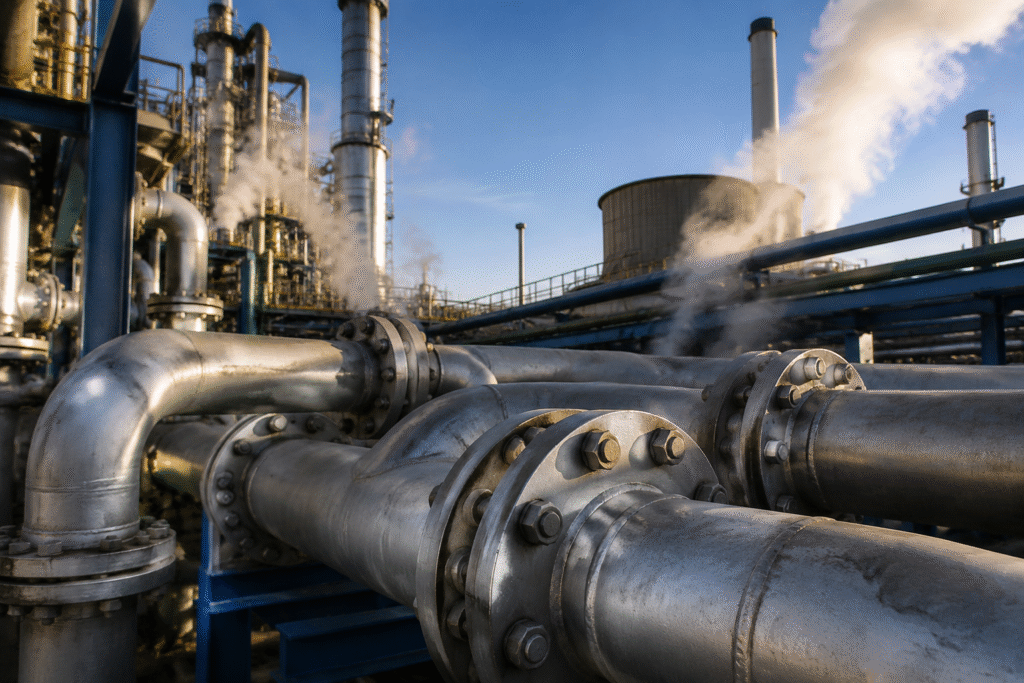
Image alt text: stainless steel pipe flange dimensions and ASME compliance inspection in industrial factory.
A practical comparison helps when evaluating cross-market procurement. فئة ASME 150, 300, و 600# ratings are not directly interchangeable with every PN designation under EN systems, even if nominal sizes appear similar.
As flange specialist Robert Hale, بي.إي., ملحوظات: “Dimensional similarity is not proof of compatibility; حفر, تواجه, and rating systems must be verified before installation.” This is especially important in retrofit projects where legacy DIN, أنسي, and EN items may coexist.
For documentation, serious B2B buyers commonly request:
- Mill test certificates to EN 10204 3.1.
- Heat treatment records where applicable.
- PMI reports for alloy confirmation.
- تقارير فحص الأبعاد.
- Hydrotest or NDE support if project specifications require it.
- Packing lists and traceable marking records.
SASA FLANGE aligns with these expectations through ISO 9001:2015, بيد 2014/68/الاتحاد الأوروبي, و م 2000 supported manufacturing practices. مدعومة بتصنيع CNC المتقدم واختبار الجودة الشامل, the company supplies flange and fitting packages for customers in more than 50 بلدان.
For engineers who need direct standard references, consult the official ASME site at https://www.asme.org/. Using primary standards during specification review reduces ambiguity and helps prevent field nonconformance.
Application Guide for Oil and Gas, كيميائي, قوة, and Marine Piping Systems
Application context should drive every stainless steel pipe flange decision. The same nominal size and pressure class can behave very differently in offshore seawater, بخار ذو درجة حرارة عالية, or acid service.
في النفط والغاز, flange reliability directly affects shutdown risk and safety. بحسب موقع ستاتيستا (2024), this sector accounts for roughly 35% من استهلاك شفة العالمية, which reflects the sheer number of pressure-containing joints across upstream, منتصف الطريق, and downstream assets.
For hydrocarbon service, common choices include weld neck flanges in ASTM A182 F316/F316L, دوبلكس 2205, or higher alloys where chlorides and sour conditions demand stronger corrosion resistance. في المقابل, utility systems may use Threaded or slip-on options when code and service conditions allow.
Chemical processing often requires closer review of media composition, تركيز, ودرجة الحرارة. لذلك, 316ل, 904ل, مونيل, هاستيلوي, or titanium-based solutions may become necessary in highly aggressive environments.
Power generation places heavy emphasis on pressure class, temperature resistance, واستقرار الأبعاد. نتيجة ل, alloy selection and flange design often follow stricter mechanical and thermal performance criteria than those used in general utility systems.
Marine and shipbuilding applications prioritize chloride resistance, coating compatibility, and long-term exposure performance. Duplex and super duplex grades therefore remain attractive when owners need lower maintenance and higher structural strength.
- زيت & الغاز: Prefer weld neck or RTJ designs for critical pressure service and vibration resistance.
- كيميائي: Match alloy to media chemistry and verify gasket compatibility.
- قوة: Confirm pressure-temperature ratings and thermal cycling tolerance.
- البحرية: Evaluate chloride resistance, crevice corrosion risk, and traceable metallurgy.
- معالجة المياه: Use 316L or duplex grades where chloride content is elevated.
Buyers also need to think about supply chain efficiency. A supplier that can deliver flanges and matching fittings reduces package fragmentation, inspection delays, and the risk of dimensional mismatch.
SASA FLANGE يدعم التصنيع المخصص للمتطلبات القياسية وغير القياسية, بما في ذلك المرفقين, المحملات, مخفضات, and caps that align with project piping systems. That capability is useful for EPC contractors managing mixed-material packages or urgent shutdown maintenance.
Selection should also consider practical field details. على سبيل المثال, 4 inch stainless steel pipe flange requirements may differ between a Class 150 water line and a Class 600 process line due to bore, تواجه, انشقاق, and corrosion demands.
على نفس المنوال, buyers searching for stainless steel flange 2 inch products should confirm whether they need NPT Threaded, سهل الارتداء, or weld neck construction. Small-bore assemblies frequently create confusion because end connection type is often omitted in fast RFQ requests.
To reduce delays, RFQs should include:
- Nominal Pipe Size and schedule.
- فئة الضغط مثل 150, 300, أو 600#.
- Material grade such as F304, F316L, أو 2205.
- Facing type and gasket preference.
- المعيار المطبق مثل ASME B16.5 أو إن 1092.
- Documentation requirements including EN 10204 3.1.
- كمية, وجهة, and delivery window.
For projects requiring custom drilling, مواجهة خاصة, أو أبعاد غير قياسية, direct coordination with SASA FLANGE can streamline engineering review. علاوة على ذلك, factory-level support often improves quotation accuracy and lead-time planning.
Image alt text: stainless steel pipe flange installation in refinery piping system with fittings and valves.
التوقعات المستقبلية للفلنجات المصنوعة من الفولاذ المقاوم للصدأ وتوصيات الشراء الإستراتيجية
The outlook for Stainless Steel Flanges remains positive as infrastructure spending, مشاريع التحول في مجال الطاقة, and water treatment expansion continue. وفقا لأبحاث جراند فيو (2024), ومن المتوقع أن ينمو السوق من $5.8 مليار في 2023 ل $7.2 مليار بواسطة 2030.
That growth will likely favor suppliers with alloy breadth, وثائق الجودة, and flexible production. فضلاً عن ذلك, procurement teams increasingly value suppliers that can support both standard catalog needs and engineered project requirements.
According to industry tracking from IBISWorld (2024), Asia-Pacific remains the dominant global production base, مع أكثر 45% of flange output. لذلك, buyers who source from China should focus on qualification, communication speed, and documentation discipline rather than unit price alone.
Digital procurement will also reshape this market. لكن, unlike simple commodity listings, technical buyers still need engineering context on flange types, material differences, امتثال, وقيمة دورة الحياة.
That creates an opportunity for manufacturers that combine production scale with technical responsiveness. Suppliers able to explain 304 عكس 316, Threaded versus weld neck, و 150 عكس 600# Flange selection will outperform sellers that only publish SKU grids.
Practical recommendations for B2B buyers include:
- Standardize approved material grades and flange types by application.
- Require full RFQ data to avoid quotation ambiguity.
- Verify standard compliance before price comparison.
- طلب MTCs, مؤشر مديري المشتريات, and traceability for critical service.
- Evaluate lifecycle cost, ليس فقط سعر الشراء.
- Consolidate flanges and fittings with one qualified source when possible.
For buyers seeking dependable stainless steel pipe flange supply, أحجام مخصصة, and certified manufacturing support, working with an experienced producer can reduce both technical and commercial risk. مع ISO 9001:2015 وشهادات PED 2014/68/EU, SASA FLANGE remains a practical partner for engineers and procurement managers sourcing Stainless, فُولاَذ, Flanges for global industrial projects.
الأسئلة المتداولة
ما هي الشفاه الفولاذ المقاوم للصدأ المستخدمة ل?
●تستخدم الشفاه المصنوعة من الفولاذ المقاوم للصدأ لربط أقسام الأنابيب, الصمامات, مضخات, والمعدات في الأنظمة التي تتطلب القوة, مقاومة التآكل, وختم موثوق.
●بحسب موقع ستاتيستا (2024), the oil and gas industry alone accounts for about 35% من استهلاك شفة العالمية, which shows how critical these components are in pressure-containing service.
●They are commonly installed in Oil & الغاز, البتروكيماويات, توليد الطاقة, البحرية, تجهيز الأغذية, and water treatment lines where 304, 316, or duplex grades help resist moisture, المواد الكيميائية, and temperature variation.
●Common uses include maintenance-friendly joints, equipment isolation points, blind terminations, and transitions between piping and rotating equipment.
●For projects requiring traceable materials, ASME B16.5 أبعاد, و EN 10204 3.1 شهادة, العمل مع الشركات المصنعة القائمة مثل SASA FLANGE helps ensure fit, امتثال, والموثوقية على المدى الطويل.
ما هي الأنواع الثلاثة من الشفاه?
●The three most widely referenced flange types in general industrial use are weld neck, سهل الارتداء, والشفاه العمياء.
●Weld neck flanges are preferred for higher integrity service because their tapered hub improves stress distribution under pressure and thermal cycling, while slip-on flanges are often selected for easier alignment and lower fabrication cost.
●الشفاه العمياء تغلق نهاية نظام الأنابيب, مما يجعلها مفيدة للعزلة, اختبار, and future expansion points in refinery, كيميائية, وأنظمة المرافق.
●وفق ASME B16.5 (2023), each type has defined dimensions, أنماط الحفر, and pressure-temperature rating criteria that must match the mating component and service conditions.
●عندما يتضمن المشروع وسائل الإعلام العدوانية, ارتفاع درجة الحرارة, أو 600# واجب, يجب على المشترين طلب التوجيه الهندسي قبل الطلب, والموردين ذوي الخبرة مثل SASA FLANGE يمكن أن تساعد في تأكيد أفضل التكوين.
ما هي الأنواع المختلفة من الفلنجات المصنوعة من الفولاذ المقاوم للصدأ?
●تشمل الأنواع الرئيسية من الفلنجات المصنوعة من الفولاذ المقاوم للصدأ رقبة ملحومة, سهل الارتداء, أعمى, لحام المقبس, مفصل اللفة, والتصاميم الخيوط, مع RTJ ومتغيرات التخفيض المستخدمة أيضًا في الأنظمة المتخصصة.
●كل نوع يخدم غرضا مختلفا, لأن قوة المفاصل, سهولة التركيب, الوصول إلى الصيانة, والتحكم في التسرب كلها تختلف حسب الشكل الهندسي وحالة الخدمة.
●على سبيل المثال, تعتبر منتجات شفة الأنابيب المصنوعة من الفولاذ المقاوم للصدأ مفيدة عندما يكون اللحام مقيدًا, بينما تُفضل الشفاه ذات الرقبة الملحومة لدورات الضغط الشديد وخطوط العمليات الحرجة.
●وفقا لأبحاث جراند فيو (2024), تم الوصول إلى سوق الفلنجة الأوسع $5.8 مليار في 2023, وهو ما يعكس الطلب العالمي المستمر على أنواع الفلنجات المتعددة عبر الطاقة, كيميائية, وقطاعات البنية التحتية.
●لتجنب أخطاء الطلب, يجب على المشترين تحديد NPS, فئة الضغط, تواجه, ASTM A182 درجة, والمعايير مثل ASME B16.5 قبل تقديم طلب عرض الأسعار (RFQ) مع مورد مؤهل.
ما هي أفضل مادة للفلنجات?
●The best flange material depends on the actual service environment, because pressure, درجة حرارة, كلوريدات, حموضة, and maintenance expectations all influence material performance.
●304 stainless is cost-effective for many general services, بينما 316 and 316L perform better in chloride-containing or marine environments, والازدواج 2205 أو 2507 often suits more aggressive process conditions.
●كما قال عالم المواد د. تقول إيلينا موريس, the right alloy is the one that survives the real chemistry over time rather than the one with the lowest initial price.
●بحسب موقع IBISWorld (2024), منطقة آسيا والمحيط الهادئ تنتج أكثر من ذلك 45% من الشفاه العالمية, so buyers have broad access to stainless, سبيكة, and duplex options but still need to verify metallurgical and dimensional quality carefully.
●للأنظمة الحرجة, تحديد ASTM A182 درجة, طلب مؤشر مديري المشتريات و 3.1 شهادة, and consult an experienced manufacturer when comparing carbon steel, 304, 316ل, and duplex alternatives.
ما هي الأحجام المتوفرة لمنتجات شفة الأنابيب الفولاذية المقاومة للصدأ?
●Standard stainless steel pipe flange sizes commonly start at 1/2 inch and extend to 24 بوصة تحت ASME B16.5, with larger diameters covered under ASME B16.47 and custom production available for many projects.
●Small sizes such as 2 inch and common mid-range sizes such as 4 inch stainless steel pipe flange products are widely used in process lines, التزلج, رؤوس المرافق, and equipment nozzles.
●لكن, size alone is not enough because buyers must also match schedule, تتحمل, نوع المواجهة, and pressure class such as 150, 300, أو 600#.
●According to ASME standards guidance (2023), dimensional compliance and bolt-hole accuracy are essential for interchangeability and leak-free assembly, especially when components come from multiple sources.
●For custom dimensions, الحفر غير القياسية, or matching flanges and fittings in one package, الاتصال SASA FLANGE can simplify technical review and procurement planning.
كيف أختار بين 304 و 316 stainless steel flange types?
●يختار 304 stainless steel flange types for general corrosion resistance and cost-sensitive industrial service, and choose 316 or 316L when chlorides, التعرض البحري, or more aggressive chemicals are present.
●The added molybdenum in 316 improves resistance to pitting and crevice corrosion, which is why it is often preferred for coastal, كيميائية, وأنظمة معالجة المياه.
●In welded systems, 316L may provide an additional advantage because its lower carbon content helps reduce sensitization risk after fabrication.
●وفقا لأبحاث السوق في المستقبل (2024), industrial buyers increasingly prioritize lifecycle cost over initial purchase price, which supports the use of higher-performance alloys where maintenance and failure risk are significant.
●As a practical rule, confirm process chemistry, درجة حرارة التشغيل, cleaning regime, and certification requirements before deciding, and request technical support if the system operates in chloride-rich or regulated service.
الوظائف ذات الصلة
شفة الوجه النهاية: شرح متحدة المركز مقابل التسنينات الحلزونية
تعتبر كل من المسننات المركزة واللولبية عبارة عن تشطيبات وجه شفة مُشكَّلة آليًا…
دوبلكس 2205 مقابل الشفاه 316L: ما هي المواد التي يجب عليك اختيارها؟?
إجابة سريعة: دوبلكس 2205 الشفاه عادة ما تكون المرشح الأقوى…

تعريف شفة الفوهة, التفاصيل ونظرة عامة على الشفاه ASME B16.36: بيانات السوق, دليل الاختيار ورؤى الامتثال
تم تقييم سوق الفلنجات الصناعية العالمية بـ $5.8 مليار…

دليل سوق شفة التخلص الأسود: مواد, 3.5″ التوافق, وبيانات مصادر B2B لحواف حوض المطبخ
يتزايد الطلب على شفة التخلص السوداء مع المشترين لتركيبات المطبخ…