
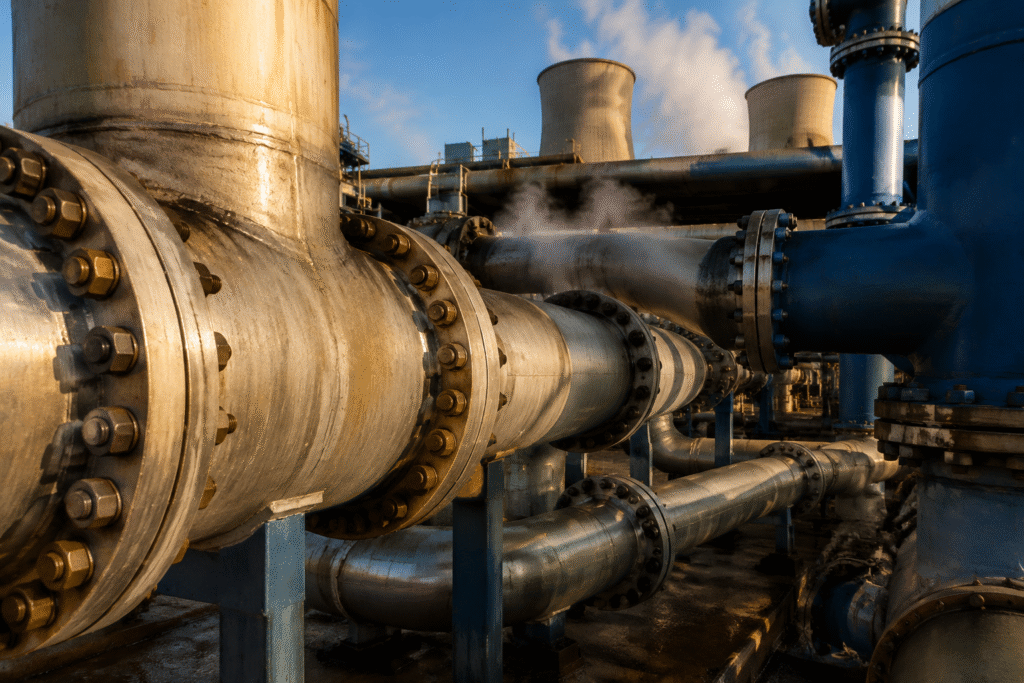
دليل سوق شفة أنابيب الفولاذ المقاوم للصدأ: 7 رؤى مدعومة بالبيانات حول الأنواع, الاستخدامات, ASME B16.5 & ب16.47 الاختيار
ال شفة أنابيب الفولاذ المقاوم للصدأ remains a critical component in industrial piping because reliability, مقاومة التآكل, and standards compliance directly affect uptime. وفقا لأبحاث جراند فيو (2024), تم تقييم سوق الفلنجات الصناعية العالمية بـ $5.8 مليار في 2023 ومن المتوقع أن يصل $7.2 مليار بواسطة 2030, which shows why buyers are looking more closely at the hidden advantages, أنواع, and uses of the right flange.
لفرق المشتريات ومهندسي الأنابيب, intriguing stainless steel flange selection is no longer only about base material. It also depends on pressure class, نوع المواجهة, ASME B16.5 or B16.47 dimensional compliance, مقاومة الحرارة, welding performance, ونوعية التوثيق.
اتجاهات الطلب الصناعي التي تشكل مشتريات شفة أنابيب الفولاذ المقاوم للصدأ
Global demand for industrial piping connections is rising across energy, تحلية المياه, قوة, والمعالجة الكيميائية. بحسب موقع IBISWorld (2024), حسابات آسيا والمحيط الهادئ لأكثر من 45% من إنتاج شفة العالمية, مع كون الصين أكبر منتج.
That production concentration matters for global sourcing strategy. أنه يؤثر على فترات زمنية, pricing competitiveness, توافر سبائك, and quality assurance workflows for buyers managing EPC and MRO projects.
End-use demand also remains concentrated in severe-service sectors. بحسب موقع ستاتيستا (2024), تمثل صناعة النفط والغاز ما يقرب من 35% من استهلاك شفة العالمية, which keeps stainless steel, دوبلكس, and alloy flange demand structurally strong.
علاوة على ذلك, refinery upgrades and offshore corrosion-control requirements continue to favor stainless and high-performance alloys. نتيجة ل, flange buyers increasingly compare not only 304 و 316 الدرجات, but also 904L, 2205, 2507, مونيل, هاستيلوي, and Inconel options.
بحسب معلومات موردور (2024), industrial infrastructure investment in water treatment and process industries is supporting steady growth in corrosion-resistant piping systems. لذلك, engineers now prioritize lifecycle cost over lowest initial purchase price.
That shift explains why stainless steel pipe flange procurement often includes requests for EN 10204 3.1 شهادة, مؤشر مديري المشتريات, hydro testing, وإمكانية التتبع. في المقابل, lower-spec sourcing may create hidden costs through premature leakage, إعادة صياغة, ومخاطر الاغلاق.
ASME and ASTM standards remain the technical backbone of specification discipline. ASME B16.5 covers pipe flanges and flanged fittings typically from NPS 1/2 خلال 24, بينما ASME B16.47 addresses larger diameter steel flanges, عموما مصادر القدرة النووية 26 خلال 60 (ASME, 2023).
For buyers evaluating supply partners, manufacturing capability also matters as much as nominal compliance. مع ISO 9001:2015 وشهادات PED 2014/68/EU, SASA FLANGE supports projects that require documented quality systems, الاستعداد للتصدير, وتتبع المواد.
بالإضافة إلى ذلك, procurement teams increasingly want one source for flanges and fittings. تصنيع الشفاه في 304, 316, 904ل, 2205, 2507 وغيرها من الدرجات الممتازة, alongside elbows, المحملات, مخفضات, والقبعات, helps shorten sourcing cycles on complete piping packages.
وفقا لأبحاث السوق في المستقبل (2024), industrial flow-control and connection components are benefiting from modernization spending in petrochemical and power sectors. بالإضافة إلى, buyers are asking for factory-direct pricing with dependable machining tolerances and surface finish consistency.
These market drivers make stainless flange selection more technical than many competitor pages suggest. Instead of broad claims about corrosion resistance, serious B2B buyers need dimensional standards, material comparison data, and application-specific selection guidance.
How to Choose a Stainless Steel Pipe Flange: أنواع, مواد, التقييمات, والمزايا الخفية
The best way to choose a شفة أنابيب الفولاذ المقاوم للصدأ is to match material grade, نوع شفة, فئة الضغط, and corrosion mechanism to the service condition. لكن, many failures occur because teams focus on price first and overlook chloride levels, التحميل الدوري, التمدد الحراري, وقابلية اللحام.
مثل جون برين, مهندس الأنابيب الأول, الدول: “A flange is rarely the most expensive line item in a piping system, but it can become the most expensive mistake if the material or facing is wrong.” That observation reflects what most plant reliability teams already know from shutdown analysis.
Common stainless grades each solve a different problem. 304 and 304L suit general industrial service, بينما 316 and 316L offer better pitting resistance in chloride-containing environments.
Higher-performance grades extend service limits. على سبيل المثال, 904L improves resistance in aggressive chemical processing, بينما دوبلكس 2205 والسوبر دوبلكس 2507 provide higher strength and stronger chloride stress corrosion cracking resistance.
According to ASTM and industry material practice, low-carbon “ل” grades typically improve weldability and reduce sensitization risk after welding in many fabricated systems (ASTM, 2023). لذلك, 304L and 316L are often preferred for welded process piping, الدبابات, and offshore skids.
Flange type selection is equally important because geometry affects assembly, توزيع الإجهاد, والصيانة. A wrong type can increase leak risk even when the base alloy is correct.
- شفة الرقبة اللحام: الأفضل للضغط المرتفع, ركوب الدراجات الحرارية, and critical process service.
- الانزلاق على شفة: Cost-effective and easy to align for moderate pressure applications.
- شفة عمياء: تستخدم لإنهاء, عزل, or test piping systems.
- شفة لحام المقبس: مناسبة للحمل الأصغر, خطوط الضغط العالي.
- شفة مترابطة: يستخدم عندما يكون اللحام غير عملي أو مقيد.
- شفة اللفة المشتركة: مفيد عند الحاجة إلى التفكيك المتكرر.
Facing type also changes sealing performance. يظل الوجه المرتفع هو الأكثر شيوعًا في الخدمة الصناعية, while Ring Type Joint is preferred in high-pressure and high-integrity applications, particularly in upstream oil and gas systems.
بحسب ASME (2023), dimensional and pressure-temperature requirements under ASME B16.5 and B16.47 are essential for interchangeability and safe bolting performance. في الممارسة العملية, that means engineers must verify class ratings such as Class 150, 300, 600, 900, 1500, أو 2500 against actual design conditions.
كما د. ايلينا ماركوفيتش, عالم المواد, الدول: “The hidden advantages of duplex and high-alloy flanges appear over time, because reduced corrosion rates and higher strength lower total ownership cost.” That is especially relevant in seawater, خدمة تعكر, and chemically aggressive media.
Below is a simplified material comparison for common industrial uses.
- 304/304ل: مقاومة التآكل للأغراض العامة. Good formability. Economical for non-chloride service.
- 316/316ل: Better resistance to chlorides and process chemicals. Common in marine-adjacent and pharmaceutical systems.
- 904ل: Strong resistance in acidic and highly corrosive environments. Often selected for chemical processing.
- 2205 دوبلكس: Higher strength than austenitic grades. Excellent balance of corrosion resistance and mechanical performance.
- 2507 سوبر دوبلكس: Superior chloride resistance and high strength for offshore and desalination service.
Buyers should also review manufacturing route and inspection scope. Forged flanges made to ASTM A182 generally provide the mechanical integrity expected for demanding process lines, while testing may include PMI, يوتا, صلابة, الشيكات الأبعاد, and pressure-related verification depending on project requirements.
وفقا للايزو (2015) quality management principles, documented process control improves repeatability and traceability in industrial manufacturing. مدعومة بتصنيع CNC المتقدم واختبار الجودة الشامل, SASA FLANGE supports flange and fitting supply for EPC, تصنيع المعدات الأصلية, and distributor requirements.
Typical buyer checkpoints should include the following before placing an order.
- المعيار المطبق: ASME B16.5, ASME B16.47, DIN, JIS, غوست, أو إن 1092.
- درجة المادة: 304, 316ل, 904ل, أ105, A182 F316L, 2205, 2507, أو سبيكة خاصة.
- Pressure class and schedule compatibility.
- تواجه النوع: الترددات اللاسلكية, FF, آر تي جيه, or custom.
- المستندات المطلوبة: إم تي سي EN 10204 3.1, مؤشر مديري المشتريات, بيد, hydro test, NACE compliance where applicable.
- طلاء, وضع العلامات, التعبئة والتغليف, and export requirements.
These details separate a basic quotation from a project-ready offer. علاوة على ذلك, they help engineers choose a flange that performs reliably over years, not just during initial commissioning.
ASME B16.5, ب16.47, ASTM, DIN, and EN Standards That Define Flange Compliance
Standards are the language that connects design, شراء, تلفيق, والتفتيش. لذلك, any serious stainless steel pipe flange purchase order should clearly specify the governing dimensions, مواصفات المواد, اختبار, ومتطلبات الشهادة.
ASME B16.5 is the most recognized standard for steel pipe flanges in common industrial sizes. ويغطي الأبعاد, التسامح, تقييمات الضغط ودرجة الحرارة, مراجع المواد, وضع العلامات, and testing expectations for NPS 1/2 ل 24.
ASME B16.47 extends standardization to larger diameters. It covers NPS 26 ل 60 and is particularly relevant for large-bore pipeline, water transmission, and process installations (ASME, 2023).
Material selection often references ASTM standards. ASTM A182 is commonly used for forged or rolled alloy and stainless steel pipe flanges, تجهيزات مزورة, وصمامات لخدمة درجة الحرارة العالية, بينما ASTM A240 typically applies to plate, ملزمة, and strip products used in related fabricated components (ASTM, 2023).
European projects frequently require EN standards and PED alignment. EN 1092 defines circular flanges for pipes, الصمامات, التجهيزات, and accessories, while PED 2014/68/EU governs pressure equipment placed on the EU market.
For corrosive or sour service, NACE requirements may also apply. In oil and gas environments containing H2S, material restrictions and hardness controls can be essential to prevent sulfide stress cracking.
- ASME B16.5: Standard flange dimensions and ratings for NPS 1/2 ل 24.
- ASME B16.47: Large-diameter flange dimensions and ratings for NPS 26 ل 60.
- ASTM A182: Forged stainless and alloy materials for flanges and forged fittings.
- ASME B16.9: Factory-made wrought buttwelding fittings such as elbows and reducers.
- EN 1092: معيار الأبعاد الأوروبي للشفة.
- NACE MR0175/ISO 15156: التوجيه المادي لبيئات الخدمة الحامضة.
For authoritative dimensional reference, engineers should always verify the latest edition directly from ASME. This step prevents revision mismatches during fabrication and inspection.
في الممارسة العملية, standards compliance should also include documentation review. Buyers should confirm heat number traceability, شهادات اختبار المواد, wall-thickness compatibility, bolt hole orientation, تواجه النهاية, and marking format before shipment.
The comparison below helps clarify when each standard usually applies.
- Process plant piping: Often ASME B16.5 مع ASTM A182 material callout.
- Large diameter utility or transmission lines: Often ASME B16.47.
- EU-regulated pressure systems: EN 1092 plus PED documentation.
- General industrial exports: Mixed requests including DIN, JIS, غوست, and EN based on destination.
مع ISO 9001:2015, بيد 2014/68/الاتحاد الأوروبي, and AD 2000-related quality expectations in mind, suppliers should provide not just compliant products but auditable process control. That is why many international buyers prefer manufacturers with established export documentation routines and material verification systems.
SASA FLANGE supports this requirement through documented manufacturing and inspection workflows across stainless steel, الصلب الكربوني, الشفاه سبيكة, وتجهيزات الأنابيب. تقديم أحجام مخصصة من 1/2" إلى 60" بأسعار تنافسية مباشرة من المصنع, the company serves customers across Oil & الغاز, البتروكيماويات, قوة, والصناعات البحرية.
نتيجة ل, engineers can align sourcing with both design code and commercial practicality. That combination is often the difference between an easy FAT review and a delayed project release.
دليل التطبيق: Best Uses for Stainless Steel Pipe Flange in Oil, الغاز, كيميائي, قوة, والمشاريع البحرية
A stainless steel pipe flange is not selected in isolation. بدلاً من, it must be evaluated within the full piping system, including fluid chemistry, ضغط التصميم, درجة حرارة التشغيل, insulation strategy, والوصول إلى الصيانة.
Oil and gas projects usually prioritize pressure integrity, sour service suitability, and resistance to offshore corrosion. لذلك, 316ل, دوبلكس 2205, والسوبر دوبلكس 2507 frequently appear in topside, produced-water, and seawater service depending on exact chloride and H2S conditions.
According to DNV guidance and offshore materials practice, chloride-rich and marine environments demand careful alloy and fabrication control to avoid localized corrosion and stress-related failures (دنف, 2023). That requirement often makes higher-grade stainless or duplex a strategic choice rather than a premium upgrade.
Chemical processing plants focus more heavily on media compatibility. الأحماض, المذيبات, درجات حرارة مرتفعة, and cyclic cleaning procedures can quickly expose weaknesses in generic material selection.
In these services, 316L may be sufficient for moderate conditions, بينما 904L, هاستيلوي, or Monel can be required in aggressive streams. Engineers should also account for gasket compatibility, crevice corrosion risk at the flange face, and bolting material selection.
Power generation applications often involve steam, المكثفات, مياه التبريد, and flue-gas-related systems. هنا, weld neck flange designs are widely preferred in high-temperature or higher-pressure lines because they distribute stress more smoothly than lower-integrity connection forms.
Shipbuilding and marine systems place strong emphasis on corrosion resistance, compact maintenance, وفترات الخدمة الطويلة. نتيجة ل, 316L and duplex grades are commonly evaluated for ballast, مياه البحر, مياه النار, وخطوط المرافق.
The following selection criteria help buyers choose the right flange for each application.
- تأكيد عملية كيمياء السوائل, بما في ذلك الكلوريدات, مركبات الكبريت, وعوامل التنظيف.
- Match pressure class and temperature rating to actual design conditions.
- Choose flange type based on stress, اهتزاز, وتردد الصيانة.
- Specify the correct facing type for gasket seating and leak integrity.
- Verify material certification, مؤشر مديري المشتريات, and traceability before shipment.
- Check compatibility with pipe schedule, أبعاد المناسب, and bolt materials.
Water treatment and desalination plants deserve special attention because chloride exposure accelerates pitting and crevice attack. وفقا لأبحاث السوق في المستقبل (2024), infrastructure spending in water systems continues to support strong demand for corrosion-resistant piping components.
That demand is increasing interest in duplex grades. في كثير من الحالات, the higher upfront cost is offset by longer service life and reduced maintenance intervention.
Custom manufacturing also matters in project execution. Many EPC buyers need mixed orders that combine standard ASME flange sizes with custom drilling, واجهات خاصة, or project-specific markings.
التقديم 50+ الدول عبر النفط & الغاز, البتروكيماويات, قوة, والصناعات البحرية, SASA FLANGE supports custom manufacturing for flanges and fittings in 304, 316, 316ل, 904ل, 2205, 2507, أ105, أ182, إنكونيل, مونيل, هاستيلوي, والتيتانيوم. This breadth helps buyers consolidate sourcing while maintaining technical alignment with project specifications.
على سبيل المثال, a marine skid package may require 316L slip on flanges for utility lines, duplex weld neck flanges for seawater duty, و ASME B16.9 stainless elbows and reducers in matching schedules. A supplier that can produce and document the entire package reduces interface risk across procurement, مراقبة الجودة, and site installation.
علاوة على ذلك, lead time can influence design choices during project execution. When buyers engage early with SASA FLANGE, they can often align material availability, نطاق التصنيع, and inspection planning before fabrication bottlenecks appear.
التوقعات المستقبلية للفلنجات المصنوعة من الفولاذ المقاوم للصدأ وتوصيات الشراء الإستراتيجية
The market outlook for stainless steel pipe flange demand remains positive because process industries continue to invest in reliability, emissions control, والبنية التحتية للمياه. وفقا لأبحاث جراند فيو (2024), ومن المتوقع أن يصل سوق الفلنجات الصناعية $7.2 مليار بواسطة 2030.
That growth will not benefit all suppliers equally. Buyers increasingly prefer manufacturers that combine standards compliance, إمكانية التتبع, multi-alloy capability, and consistent machining quality.
As Rachel Tan, Industrial Components Analyst, الدول: “Procurement teams are moving toward total-cost evaluation, where documentation quality, delivery confidence, and corrosion performance outweigh marginal unit-price differences.” This trend is particularly visible in export projects and regulated industries.
بالإضافة إلى ذلك, carbon reduction and asset-life extension are influencing material decisions. لذلك, stainless and duplex flanges may gain share in applications where operators want fewer replacements and lower lifecycle leakage risk.
استراتيجيا, buyers should take several steps when sourcing. أولاً, define the governing standard and material grade precisely. ثانية, request documentation scope upfront. ثالث, compare suppliers on delivery reliability, testing capability, and engineering responsiveness rather than price alone.
It is also wise to standardize approved flange types and materials across similar plants. This approach simplifies spare parts planning, reduces specification drift, and shortens future purchasing cycles.
For distributor, تصنيع المعدات الأصلية, and EPC buyers, the most efficient sourcing model often combines factory-direct production with technical review before order release. When those projects require custom sizes, سبائك متميزة, or PED-related documentation, working with an established manufacturer can reduce commercial and technical risk.
For teams reviewing their next flange package, a practical step is to discuss dimensions, فئة الضغط, اختيار سبائك, and certification scope early in the RFQ stage through SASA FLANGE. That early alignment often improves both lead time predictability and specification accuracy.
الأسئلة المتداولة
ما هي الأنواع المختلفة من الفلنجات المصنوعة من الفولاذ المقاوم للصدأ?
●أنواع شفة الفولاذ المقاوم للصدأ الرئيسية هي رقبة ملحومة, الانزلاق على, أعمى, لحام المقبس, مترابطة, ومفاصل اللفة, و ASME B16.5 commonly governs these designs up to NPS 24.
●كل نوع يخدم غرضا مختلفا, with weld neck flanges favored for high-pressure service and slip on flanges often chosen for easier installation in moderate-duty pipe systems.
●For projects requiring accurate type selection, pressure-class review, والمواد المعتمدة مثل 304, 316ل, 2205, أو 2507, العمل مع الشركات المصنعة القائمة مثل SASA FLANGE helps reduce installation and leakage risk.
أيهما أفضل 304 أو 420 الفولاذ المقاوم للصدأ?
●لمعظم تطبيقات شفة, 304 stainless steel is usually better than 420 because it offers stronger corrosion resistance and is more widely used for industrial piping components.
●درجة 420 هو الفولاذ المقاوم للصدأ المارتنسيتي مع إمكانية صلابة أعلى, but it is generally less suitable for corrosive process piping and standard stainless steel pipe flange service.
●When the application involves chemical exposure, رُطُوبَة, or welded pipe systems, يجب على المشترين عادةً تحديد الأولويات 304, 304ل, 316, or 316L and confirm the exact ASTM material specification before purchase.
ما هي الأنواع الثلاثة من الشفاه?
●The three flange types most commonly referenced in basic industrial discussions are weld neck, الانزلاق على, والشفاه العمياء, although several other important types are also used.
●Weld neck flanges handle higher stress and temperature cycling well, slip on flanges support easier alignment and lower fabrication cost, and blind flanges close or isolate a piping line.
●للخدمة الحرجة, engineers should not stop at three categories and should instead verify type, تواجه, فئة الضغط, والمعايير مثل ASME B16.5 or B16.47 before finalizing a flange order.
ما هو رمز ASME للفلنجات المصنوعة من الفولاذ المقاوم للصدأ?
●ASME B16.5 is the primary dimensional standard for most stainless steel flanges from NPS 1/2 ل 24, بينما ASME B16.47 يغطي أقطار أكبر من NPS 26 ل 60.
●Material specification is usually referenced separately through ASTM standards such as ASTM A182 for forged stainless steel flanges used in pressure piping systems.
●Buyers should always specify both the ASME dimensional standard and the ASTM material grade on the purchase order to avoid dimensional mismatch or certification issues.
ما يؤثر على سعر شفة أنابيب الفولاذ المقاوم للصدأ?
●يعتمد سعر شفة الأنابيب الفولاذية المقاومة للصدأ بشكل أساسي على درجة السبائك, مقاس, فئة الضغط, نوع شفة, تعقيد الآلات, and required inspection documents such as EN 10204 3.1.
●وفقا لأبحاث جراند فيو (2024), تم الوصول إلى سوق الفلنجات الصناعية $5.8 مليار في 2023, and that scale keeps pricing sensitive to raw material volatility, energy cost, and project demand cycles.
●To obtain an accurate quotation, buyers should provide the material grade, معيار, أبعاد, تواجه, كمية, and documentation scope so the supplier can quote the true project requirement rather than a generic unit price.
How do I choose a stainless steel pipe flange manufacturer or vendor?
●A reliable flange manufacturer or vendor should demonstrate compliance with standards such as ASME B16.5, ASME B16.47, ASTM A182, و إن 1092, along with quality certifications like ISO 9001:2015.
●بحسب موقع IBISWorld (2024), حسابات آسيا والمحيط الهادئ لأكثر من 45% من إنتاج شفة العالمية, so global buyers should compare suppliers on traceability, testing capability, وثائق التصدير, and delivery performance rather than location alone.
●For projects needing custom sizes, سبائك متميزة, and factory-direct technical support, buyers should shortlist suppliers that can provide material traceability, PED-related documentation, and responsive engineering review before order release.
الوظائف ذات الصلة
شفة الوجه النهاية: شرح متحدة المركز مقابل التسنينات الحلزونية
تعتبر كل من المسننات المركزة واللولبية عبارة عن تشطيبات وجه شفة مُشكَّلة آليًا…
دوبلكس 2205 مقابل الشفاه 316L: ما هي المواد التي يجب عليك اختيارها؟?
إجابة سريعة: دوبلكس 2205 الشفاه عادة ما تكون المرشح الأقوى…

تعريف شفة الفوهة, التفاصيل ونظرة عامة على الشفاه ASME B16.36: بيانات السوق, دليل الاختيار ورؤى الامتثال
تم تقييم سوق الفلنجات الصناعية العالمية بـ $5.8 مليار…

دليل سوق شفة التخلص الأسود: مواد, 3.5″ التوافق, وبيانات مصادر B2B لحواف حوض المطبخ
يتزايد الطلب على شفة التخلص السوداء مع المشترين لتركيبات المطبخ…