
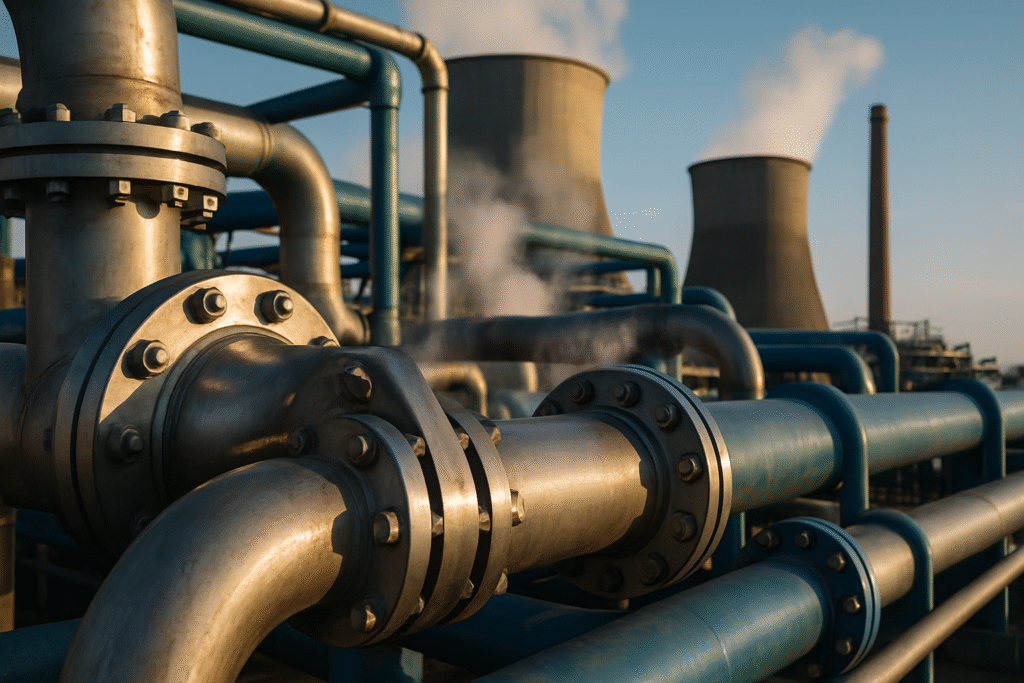
سوق شفة أنابيب الفولاذ المقاوم للصدأ بسعر 5.8 مليار دولار: المزايا الخفية, أنواع, الاستخدامات, وكيفية اختيار الشفة الأكثر شيوعًا
ال شفة أنابيب الفولاذ المقاوم للصدأ remains one of the most specified connection components in modern process piping. وفقا لأبحاث جراند فيو (2024), تم تقييم سوق الفلنجات الصناعية العالمية بـ $5.8 مليار في 2023 ومن المتوقع أن يصل $7.2 مليار بواسطة 2030, which highlights why engineers and buyers are paying closer attention to material grade, فئة الضغط, والامتثال.
لمقاولي EPC, مصنعي المعدات الأصلية, and plant procurement teams, the intriguing value of stainless steel is not just corrosion resistance. The hidden advantages include lower lifecycle cost, stronger hygiene performance, better weld integrity, and reliable service across oil and gas, البتروكيماويات, قوة, البحرية, وأنظمة معالجة المياه.
Why the stainless steel pipe flange market keeps expanding
Demand for the stainless steel pipe flange continues to rise because critical industries need leak-tight joints that also resist corrosion, اهتزاز, والدراجات الحرارية. بحسب موقع ستاتيستا (2024), تمثل صناعة النفط والغاز ما يقرب من 35% من استهلاك شفة العالمية, which makes hydrocarbon processing a major driver of product specification.
Regional manufacturing strength also matters. بحسب موقع IBISWorld (2024), حسابات آسيا والمحيط الهادئ لأكثر من 45% من إنتاج شفة العالمية, مع كون الصين أكبر منتج, therefore buyers increasingly source from qualified Chinese factories that can combine scale with documentation.
That sourcing shift has changed buyer expectations. اليوم, procurement managers want more than price. يريدون EN 10204 3.1 شهادة, إمكانية تتبع رقم الحرارة, دعم مؤشر مديري المشتريات, فحص الأبعاد, and conformance to ASME B16.5, ASME B16.47, DIN, JIS, غوست, و إن 1092 متطلبات.
بحسب معلومات موردور (2024), broader industrial pipeline investments in energy, تحلية المياه, and chemical processing continue to support demand for stainless and alloy flanges worldwide. بالتوازي, stricter environmental and safety requirements are pushing end users toward higher-integrity materials such as 316L, دوبلكس 2205, والسوبر دوبلكس 2507.
As James Porter, مهندس الأنابيب الأول, الدول: “A flange is rarely a commodity when the service is critical, because material chemistry, تواجه النهاية, تحميل الترباس, and standard compliance directly affect plant reliability.” That observation explains why technically informed buyers evaluate far more than nominal size.
SASA FLANGE operates in this environment as a factory-focused supplier serving Oil & الغاز, البتروكيماويات, توليد الطاقة, بناء السفن & البحرية, معالجة المياه, وقطاعات البناء. مع ISO 9001:2015 وشهادات PED 2014/68/EU, the company supports projects that require stainless steel flanges, الشفاه من الصلب الكربوني, الشفاه سبيكة, وتجهيزات الأنابيب في 304, 316, 316ل, 904ل, 2205, 2507, أ105, أ182, إنكونيل, مونيل, هاستيلوي, ودرجات التيتانيوم.
Buyers comparing supply partners should also review manufacturing capability and communication speed. مدعومة بتصنيع CNC المتقدم واختبار الجودة الشامل, SASA FLANGE يدعم الأحجام المخصصة من 1/2" إلى 60" ويخدم العملاء في أكثر من 50 بلدان.
In contrast with generic trading models, factory-backed production typically improves control over machining tolerances, bevel quality, drilling accuracy, وتخطيط التسليم. نتيجة ل, the total procurement risk can fall even when the unit price difference looks small at first glance.
أنواع شفة الأنابيب الفولاذية المقاومة للصدأ, المزايا الخفية, وعوامل الاختيار الفنية
Understanding flange types is essential before comparing grades like 304, 316ل, 904ل, أو دوبلكس 2205. The most common flange selection errors happen when teams focus only on corrosion resistance and overlook pressure class, طريقة الاتصال, توافق الحشية, ودرجة حرارة التشغيل.
وفق ASME B16.5, dimensional and pressure-temperature requirements for flanges up to NPS 24 must align with defined classes and facing details (ASME, 2020). لذلك, a technically correct specification always combines material standard, معيار شفة, تواجه, مقاس, جدول, والتصنيف.
كما د. ايلينا موريس, عالم المواد, الدول: “The hidden advantages of stainless steel often appear after installation, because resistance to chloride attack, انخفاض خطر التلوث, and better long-term surface stability reduce maintenance events.” That is especially relevant in marine, الصيدلانية, الغذاء الصف, and high-purity water systems.
The most common stainless grades each fit different service windows. درجة 304 remains widely used for general corrosion resistance and balanced cost, بينما 316 and 316L add molybdenum for improved pitting resistance in chloride-bearing environments.
For aggressive media or elevated reliability demands, engineers often move to 904L, دوبلكس 2205, أو سوبر دوبلكس 2507. وفقا لأبحاث السوق في المستقبل (2024), يتزايد الطلب على المنتجات المزدوجة غير القابل للصدأ في المشاريع البحرية وتحلية المياه لأن المستخدمين النهائيين يبحثون عن أداء أعلى من حيث القوة إلى الوزن وتحسين المقاومة للتآكل الناتج عن الإجهاد..
- شفة الرقبة اللحام: يُفضل للضغط العالي والخدمة الدورية لأن المحور المستدق يعمل على تحسين توزيع الضغط.
- الانزلاق على شفة: اقتصادية وسهلة المحاذاة, ومع ذلك، يتم اختياره عمومًا لخطورة الخدمة الأقل إلى المتوسطة.
- شفة لحام المقبس: تستخدم للحمل الصغير, أنظمة الضغط العالي حيث يكون التصميم المدمج مهمًا.
- شفة مترابطة: مفيد عندما يكون اللحام غير عملي, خاصة في بعض مواقع الصيانة أو المواقع الخطرة.
- شفة عمياء: يتم تطبيقه على نهايات الخط القريب, فوهات أوعية الضغط, أو نقاط التوسع المستقبلية.
- شفة اللفة المشتركة: تم اختياره حيثما يكون التفكيك المتكرر مطلوبًا ويؤدي دوران نهاية كعب إلى تحسين محاذاة الترباس.
الجزء المثير للاهتمام في اختيار الفلنجات المقاومة للصدأ هو أن الأداء غالبًا ما يعتمد على التجميع الكامل, ليس فقط جسم الشفة. نوع الحشية, مادة الترباس, الانتهاء من السطح, وشفة تواجه مثل الترددات اللاسلكية, FF, أو RTJ كلها تؤثر على موثوقية الختم.
وفق ASTM A182, يجب أن تستوفي حواف الأنابيب المصنوعة من السبائك المطروقة أو المدرفلة والفولاذ المقاوم للصدأ متطلبات الكيمياء والخصائص الميكانيكية المحددة للخدمة في درجات الحرارة العالية (ASTM, 2023). من الناحية العملية, وهذا يعني أن جودة الحدادة التي يمكن تتبعها لا تقل أهمية عن اختيار عائلة السبائك الصحيحة.
يجب على المهندسين أيضًا مقارنة سلوك المواد بالبيئة. على سبيل المثال, 304 يعمل بشكل جيد في العديد من أنظمة المياه والصناعات العامة, لكن أداء 316L عادةً ما يكون أفضل في المناطق الساحلية, كيميائية, أو الوسائط الحاملة للكلوريد. دوبلكس 2205 يوفر قوة أعلى وغالبًا ما يسمح بتحسين سمك الجدار في تصميمات مختارة.
- 304/304ل: خدمة صناعية عامة, تجهيز الأغذية, المياه النظيفة, وواجب التآكل المعتدل.
- 316/316ل: الخطوط الكيميائية, البيئات البحرية, مناطق دفقة مياه البحر, والتعرض للكلوريد.
- 904ل: خدمة حمضية شديدة وتيارات عملية التآكل العالي.
- 2205 دوبلكس: المنصات البحرية, تحلية المياه, وخدمة تآكل عالية القوة.
- 2507 سوبر دوبلكس: Extremely aggressive chloride and subsea conditions.
According to NACE guidance for corrosion control, chloride stress corrosion cracking and pitting risk increase as process severity rises, therefore alloy choice should be verified against actual media composition and temperature (NACE, 2023). This is why high-quality technical support matters during quotation review.
SASA FLANGE تصنع الشفاه في 304, 316, 904ل, 2205, 2507 وغيرها من الدرجات الممتازة, and it also supplies elbows, المحملات, مخفضات, and caps for complete piping packages. For project teams needing support on sizes, فئات الضغط, and custom machining, it is practical to start via https://sasaflange.com/contact-us/.
Beyond standard products, buyers often need drilled non-standard patterns, واجهات خاصة, or project-specific marking. That is where a factory with CNC machining, PMI inspection support, and coordinated documentation can shorten approval cycles.
وفقا لمبادئ إدارة الجودة ISO, standardized process control reduces variability and improves traceability in industrial manufacturing (ISO, 2015). بالتالي, suppliers with disciplined QC systems tend to perform better on repeatability, الوثائق, and corrective action speed.
ASME, ASTM, DIN, EN, and PED compliance for industrial flange procurement
Compliance is the backbone of industrial flange procurement because dimensional mismatch or incorrect certification can delay an entire project. لذلك, engineers usually begin with standard selection before they compare lead time or price.
لأمريكا الشمالية والعديد من المشاريع العالمية, ASME B16.5 و ASME B16.47 define key dimensional frameworks for flanges. Pipe fittings commonly align with ASME B16.9, while material requirements often reference ASTM A182 for forged stainless and alloy grades.
European and export projects frequently require EN 1092 and PED 2014/68/EU compliance. فضلاً عن ذلك, DIN-based dimensions may still appear in brownfield facilities, especially where legacy equipment or regional design conventions remain in service.
- ASME B16.5: Flanges and flanged fittings up to NPS 24.
- ASME B16.47: الشفاه الفولاذية ذات القطر الكبير من NPS 26 من خلال مصادر القدرة النووية 60.
- ASME B16.9: تجهيزات اللحام المطاوع المصنوعة في المصنع.
- ASTM A182: سبائك مطروقة أو ملفوفة وفلنجات غير قابلة للصدأ وتركيبات مطروقة.
- EN 1092: معيار شفة الأوروبي يغطي الأبعاد وتقييمات الضغط.
- بيد 2014/68/الاتحاد الأوروبي: الإطار التنظيمي لمعدات الضغط المطروحة في سوق الاتحاد الأوروبي.
للمشترين الفنيين, يجب أن تتطابق الوثائق مع فئة المشروع. تشمل المتطلبات النموذجية MTC EN 10204 3.1, تحديد المواد الإيجابية, اختبار الصلابة, مراجع الاختبار الهيدروستاتيكي أو الهوائي عند الاقتضاء, التحكم في الفريت لبعض إجراءات اللحام, ووضع العلامات الكاملة للتتبع.
وفقًا لإطار PED الخاص بالمفوضية الأوروبية, يجب على مصنعي معدات الضغط وموردي المكونات إثبات المطابقة من خلال الوثائق الفنية وأنظمة الجودة المناسبة (بيد, 2014). وهذا هو أحد الأسباب التي تجعل الموردين المعتمدين يتمتعون بميزة هيكلية في المشاريع الموجهة للتصدير.
فيما يلي مقارنة عملية يستخدمها المهندسون غالبًا أثناء مراجعة طلب عرض الأسعار.
- مشاريع ASME: التركيز على فئة شفة, تواجه, تتحمل الجدول الزمني, درجة مادة ASTM, وتوافق الأبعاد MSS أو ASME.
- مشاريع EN/PED: التركيز على أبعاد EN, وثائق PED, CE-related conformity route, وتتبع المواد.
- Marine/offshore projects: Add DNV or NORSOK-related expectations depending on owner specification.
- Sour service projects: يفحص NACE MR0175 compatibility where H2S exposure exists.
SASA FLANGE aligns with these procurement needs through ISO 9001:2015, بيد 2014/68/الاتحاد الأوروبي, و م 2000 أوراق اعتماد. علاوة على ذلك, the company supports material and dimensional compliance across ANSI, ASME, DIN, JIS, غوست, و إن 1092 frameworks, which helps multinational EPC teams consolidate sourcing.
Buyers should also verify actual testing scope before placing a PO. Some projects require ultrasonic testing, اختبار اختراق الصبغة, or third-party witness inspections, while others only require standard dimensional and material certification.
As Robert Klein, محلل السوق الصناعي, الدول: “The most common cause of flange procurement delays is not machining capacity but document mismatch between purchase order, مواصفات المشروع, and inspection plan.” That comment reflects a daily reality in cross-border industrial sourcing.
For current standard ranges and manufacturing support, buyers can also review SASA FLANGE قدرات المنتج. That early review often prevents mistakes in class selection, bore schedule matching, and requested documentation level.
How to choose the most common flange for oil, غاز, كيميائية, قوة, والخدمة البحرية
Choosing the most common flange for a project starts with service conditions, لا تفضيل الكتالوج. Engineers should define media, مستوى الكلوريد, ضغط التصميم, درجة حرارة التشغيل, التحميل الدوري, بدل التآكل, and maintenance frequency before selecting grade and flange type.
في أنظمة النفط والغاز, لحام الشفاه الرقبة في ASTM A182 F316/F316L, دوبلكس 2205, or alloy materials often dominate critical lines because they handle stress concentration more effectively. بحسب موقع ستاتيستا (2024), oil and gas still represents about 35% من استهلاك شفة العالمية, therefore this sector strongly influences global specification habits.
في مصانع البتروكيماويات, 316L remains a common flange material where process fluids present moderate chloride or corrosive exposure. لكن, more severe acid, حامِض, or chloride-rich service may require 904L, دوبلكس, مونيل, هاستيلوي, or other nickel-based alloys after corrosion review.
Power generation applications often prioritize pressure-temperature integrity and long-term reliability. لذلك, engineers frequently compare stainless and alloy selections against steam conditions, condensate chemistry, and outage maintenance strategy.
Marine and shipbuilding environments impose constant corrosion pressure from salt-laden atmospheres. For these uses, 316L offers a practical baseline in many applications, while duplex grades provide higher strength and stronger resistance where conditions become more aggressive.
- For water treatment: Evaluate chloride concentration, كيمياء التطهير, and risk of crevice corrosion.
- للبحر: Verify pitting resistance, sour service compatibility, and required owner approvals.
- للخدمة الكيميائية: Match the alloy to exact acid, قلوي, and temperature conditions.
- For high-purity systems: Prioritize surface cleanliness, low contamination risk, and weld quality.
- For maintenance-intensive plants: Consider lap joint or threaded designs only where technically justified.
Practical flange selection should also include connection style and pipe schedule. أ 4 inch stainless steel pipe flange for Schedule 40S service may require different bore details than the same NPS size for Schedule 80S or XS service, so dimensional review is essential.
According to ASME engineering practice, misalignment between flange bore and connected pipe can increase turbulence and local stress. نتيجة ل, even a correctly rated flange may perform poorly if boring or facing details are not controlled.
Cost evaluation should cover total installed cost rather than unit piece price alone. Stainless steel may cost more than carbon steel initially, yet it often reduces coating needs, replacement intervals, contamination risk, and unplanned downtime.
SASA FLANGE يدعم التصنيع المخصص, including non-standard dimensions, مواد خاصة, and coordinated supply of matching fittings. For engineers needing project review on a stainless steel pipe flange package, direct communication through SASA FLANGE can simplify material and standard confirmation.
Buyers should ask suppliers six practical questions before final approval.
- Is the flange standard ASME B16.5, ASME B16.47, DIN, JIS, أو إن 1092?
- What is the exact material grade and corresponding ASTM or EN material specification?
- What pressure class or PN rating applies at operating temperature?
- What facing type is required, مثل الترددات اللاسلكية, FF, آر تي جيه, or tongue-and-groove?
- What documentation is included, مثل EN 10204 3.1, مؤشر مديري المشتريات, والتفتيش من طرف ثالث?
- What is the realistic lead time for standard and custom sizes from 1/2" إلى 60"?
These questions appear simple, however they eliminate many avoidable supply issues. علاوة على ذلك, they help procurement teams compare quotations on a technically equivalent basis.
Future outlook, pricing pressure, and strategic sourcing recommendations
The stainless steel pipe flange market is likely to remain resilient because process industries continue to expand capacity and upgrade aging infrastructure. وفقا لأبحاث جراند فيو (2024), the global industrial flange market is projected to grow from $5.8 مليار في 2023 ل $7.2 مليار بواسطة 2030, which signals sustained medium-term demand.
في نفس الوقت, competition will intensify around documentation, فترات زمنية أقصر, and higher-alloy capability. Buyers increasingly expect suppliers to support not only standard 304 and 316L flanges, but also 904L, دوبلكس, سوبر دوبلكس, سبائك النيكل, and complete fitting packages.
Digital procurement is also changing sourcing behavior. Engineers now compare suppliers based on downloadable technical data, certification readiness, fast quotation turnaround, and visible manufacturing competence rather than relying only on local distribution.
بحسب موقع IBISWorld (2024), Asia-Pacific remains the dominant production base for flanges, and China leads manufacturing volume. لذلك, strategic sourcing from certified Chinese producers can improve cost efficiency if quality control, communication, and documentation standards are consistently verified.
للمشترين B2B, تبرز العديد من التوصيات.
- Standardize approved flange classes, واجهات, and documentation requirements before tender release.
- Qualify suppliers by certification scope, testing capability, and export project experience.
- Request material traceability and dimensional checks early, especially for custom or mixed-standard packages.
- قارن قيمة دورة الحياة, not just ex-works price, when evaluating stainless versus lower-grade alternatives.
- Use a supplier capable of flanges and fittings together to reduce coordination risk.
في العديد من المشاريع, the most intriguing advantage is not hidden in the alloy alone but in the supply chain. A responsive manufacturer with ISO 9001:2015 and PED support can reduce technical clarification time, improve compliance confidence, and protect delivery schedules.
That is why many global buyers prefer working with manufacturers that combine broad material coverage, التصنيع باستخدام الحاسب الآلي المتقدمة, and export documentation discipline. When your next RFQ involves stainless steel flanges, التجهيزات, أو الأبعاد المخصصة, مناقشة فنية مع SASA FLANGE can help align specification, امتثال, and commercial targets from the start.
الأسئلة المتداولة
أيهما أفضل 304 أو 420 الفولاذ المقاوم للصدأ?
●درجة 304 is better for most stainless steel pipe flange applications because it offers stronger corrosion resistance and is widely used under ASTM A182 و ASTM A240 تحديد.
●درجة 420 provides higher hardness after heat treatment, but it is less suitable for corrosive piping duty and is uncommon for standard ASME B16.5 flange service.
●لأنابيب العملية, البحرية, معالجة المياه, والأنظمة الكيميائية, buyers should usually choose 304 or upgrade to 316L, and projects requiring verified compliance can be reviewed with established manufacturers like SASA FLANGE.
ما هي 4 أنواع الفولاذ المقاوم للصدأ?
●The four main types of stainless steel are austenitic, الحديدي, مارتنسيتي, والازدواج, and austenitic grades such as 304 و 316 are the most common in industrial flange production.
●وفقا لأبحاث السوق في المستقبل (2024), duplex stainless demand is rising in offshore and desalination applications because it combines higher strength with improved corrosion resistance.
●لاختيار شفة, engineers should match the stainless family to pressure, وسائط, محتوى الكلوريد, and fabrication method before finalizing the purchase specification.
ما هي الشفاه الفولاذ المقاوم للصدأ المستخدمة ل?
●تستخدم الشفاه المصنوعة من الفولاذ المقاوم للصدأ لتوصيل الأنابيب, الصمامات, مضخات, and equipment in systems that require leak-tight joints, مقاومة التآكل, وسهولة الوصول إلى الصيانة.
●بحسب موقع ستاتيستا (2024), حسابات النفط والغاز حوالي 35% من استهلاك شفة العالمية, which shows how important flanged joints are in critical process industries.
●للمشاريع التي تنطوي على الكلوريدات, متطلبات النظافة, or demanding operating conditions, selecting the correct grade such as 304, 316ل, or duplex and sourcing from qualified suppliers is essential.
ما هي الأنواع الثلاثة من الشفاه?
●أنواع الفلنجات الثلاثة الأكثر شيوعًا هي الرقبة الملحومة, سهل الارتداء, وأعمى, على الرغم من الخيوط, لحام المقبس, وتستخدم الشفاه المشتركة اللفة أيضًا على نطاق واسع.
●ASME B16.5 defines key dimensions and pressure classes for many of these flange types, which helps engineers maintain interchangeability and sealing performance.
●In high-pressure or cyclic service, weld neck designs are generally preferred, while procurement teams should confirm facing type, الصف المادي, والمعيار قبل الطلب.
كيف أختار حجم شفة أنابيب الفولاذ المقاوم للصدأ المناسب وتصنيف الضغط?
●The correct stainless steel pipe flange size depends on nominal pipe size, جدول, مباراة تتحمل, تواجه, and pressure class such as Class 150, 300, 600, or higher under ASME B16.5.
●According to ASME standards practice, dimensional compatibility between flange bore and connected pipe is essential to reduce stress concentration and flow disruption.
●ل 2 بوصة, 4 بوصة, and large-diameter applications alike, buyers should confirm size, فصل, جدول, and material together before placing a purchase order with suppliers such as SASA FLANGE.
ما يؤثر على سعر شفة أنابيب الفولاذ المقاوم للصدأ?
●Stainless steel pipe flange price is influenced by alloy grade, مقاس, فئة الضغط, طريق تزوير, تعقيد الآلات, نطاق الاختبار, ومتطلبات الشهادات مثل EN 10204 3.1.
●وفقا لأبحاث جراند فيو (2024), steady market growth and continued industrial demand support long-term purchasing activity, while higher-alloy grades like 904L and 2507 typically command significant premiums over 304.
●للحصول على تسعير دقيق, يجب على المشترين تقديم بيانات فنية كاملة بما في ذلك المعيار, مادة, مقاس, فصل, تواجه, كمية, ومتطلبات التفتيش حتى يتمكن الموردون من تقديم عروض أسعار على أساس مكافئ.
الوظائف ذات الصلة
شفة الوجه النهاية: شرح متحدة المركز مقابل التسنينات الحلزونية
تعتبر كل من المسننات المركزة واللولبية عبارة عن تشطيبات وجه شفة مُشكَّلة آليًا…
دوبلكس 2205 مقابل الشفاه 316L: ما هي المواد التي يجب عليك اختيارها؟?
إجابة سريعة: دوبلكس 2205 الشفاه عادة ما تكون المرشح الأقوى…

تعريف شفة الفوهة, التفاصيل ونظرة عامة على الشفاه ASME B16.36: بيانات السوق, دليل الاختيار ورؤى الامتثال
تم تقييم سوق الفلنجات الصناعية العالمية بـ $5.8 مليار…

دليل سوق شفة التخلص الأسود: مواد, 3.5″ التوافق, وبيانات مصادر B2B لحواف حوض المطبخ
يتزايد الطلب على شفة التخلص السوداء مع المشترين لتركيبات المطبخ…