
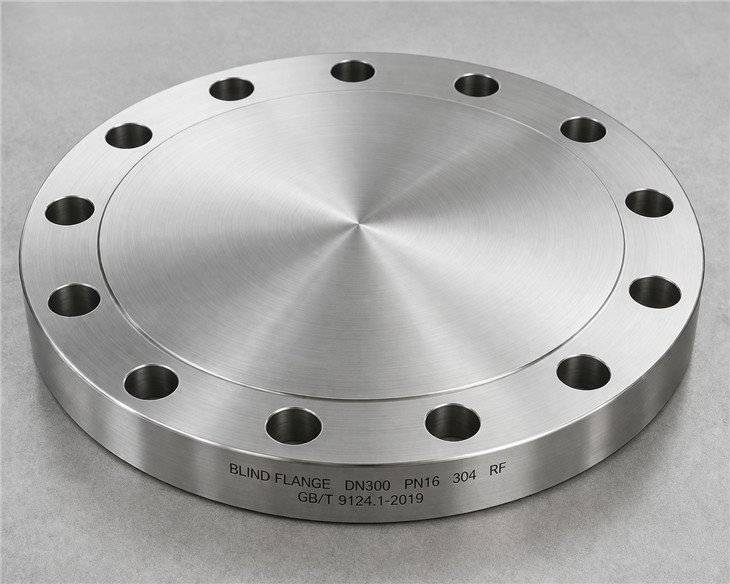
ASME B16.5 vs ASME B16.47 Flanges
Direct answer
ASME B16.5 covers pipe flanges and flanged fittings from NPS 1/2 through NPS 24. ASME B16.47 covers large-diameter steel flanges from NPS 26 through NPS 60 and includes Series A and Series B dimensional systems. Select by nominal pipe size first, then state the standard, class and, for B16.47, the series. A B16.47 Series A flange does not automatically mate with Series B.
Key takeaways
- B16.5 and B16.47 are primarily separated by nominal pipe size.
- B16.47 orders must identify Series A or Series B.
- Standard, class, facing, bore and material are all required for compatibility.
Scope and class comparison
| Feature | ASME B16.5 | ASME B16.47 |
|---|---|---|
| Nominal size range | NPS 1/2 through NPS 24 | NPS 26 through NPS 60 |
| Flange class coverage | 150, 300, 400, 600, 900, 1500; Class 2500 in its stated size range | 75, 150, 300, 400, 600 and 900 |
| Dimensional series | One standard dimensional system by size, class and type | Series A and Series B |
| Core scope | Flanges and flanged fittings | Large-diameter steel flanges |
The current ASME product pages identify B16.5-2025 and B16.47-2025. A project may contractually require another edition, so the purchase order and design documents remain controlling.
What Series A and Series B mean
Series A and Series B provide different dimensional patterns for large-diameter flanges. Differences can include flange outside diameter, thickness, bolt circle, bolt quantity and bolt size. A flange can have the same NPS and class yet fail to mate because the series is different.
Series A is generally associated with a more robust, heavier pattern, while Series B can be more compact. That broad description should never replace the dimension table. Confirm the mating equipment nozzle, valve or existing flange by drawing, standard edition and measured bolt pattern before ordering a replacement.
Material and ratings are separate decisions
The dimensional standard does not turn “alloy steel” into a complete material specification. State ASTM A182 plus the exact grade for forged alloy or stainless flanges, or the other approved material specification. Pressure-temperature ratings depend on the standard’s material grouping and adopted edition.
Facing also remains a separate requirement. RF and RTJ joints use different gasket concepts and machining. Bore, weld end and hub details must suit the connecting pipe. For large custom connections, dimensional verification and an approved drawing are particularly valuable.
Purchase-order wording that prevents mismatch
- ASME B16.5 or ASME B16.47 and the required edition
- NPS, class and flange type
- B16.47 Series A or Series B where applicable
- RF, RTJ or other specified facing and finish
- Material specification, grade and heat-treatment condition
- Bore, pipe schedule and weld-end detail
- Bolting, gasket and mating-flange reference when compatibility is critical
- Dimensional report, NDE, MTC and marking requirements
For brownfield replacements, include a site measurement sheet or approved equipment drawing. Standard shorthand alone may not capture legacy or proprietary connections.
Frequently asked questions
Does ASME B16.47 start at NPS 24?
No. ASME B16.5 covers through NPS 24, while ASME B16.47 covers NPS 26 through NPS 60.
Can B16.47 Series A mate with Series B?
Do not assume so. Their dimensional patterns differ; verify the exact standard, series, class and mating dimensions.
Does B16.47 cover Class 1500 flanges?
The standard product scope lists Classes 75, 150, 300, 400, 600 and 900.
Primary standards referenced
- ASME B16.5-2025 – Pipe Flanges and Flanged Fittings, NPS 1/2 Through NPS 24
- ASME B16.47-2025 – Large Diameter Steel Flanges, NPS 26 Through NPS 60
- ASTM A182/A182M – Forged or Rolled Alloy and Stainless Steel Piping Components
Standards were checked against publisher pages on 3 August 2026. Always purchase and apply the edition specified by the project.
Request an alloy steel flange quotation
Send the material grade, standard, NPS, pressure class, flange type, facing, pipe schedule, quantity and inspection requirements. Our team will review the technical description before quotation.
Related Posts
ASTM A182 F51 vs F60 Flanges: S31803 vs S32205 Explained
Compare ASTM A182 F51 and F60 duplex flanges, including S31803/S32205…
UNS S32750 vs S32760 Flanges: ASTM A182 F53 or F55?
Compare S32750 and S32760 super duplex flanges, including ASTM A182…

Can a PN16 Flange Mate With an ASME Class 150 Valve?
Can a PN16 flange bolt to an ASME Class 150…
Can EN 1092-1 Type B1/B2 Mate With ASME Raised Face Flanges?
Can EN 1092-1 Type B1 or B2 mate with an…