
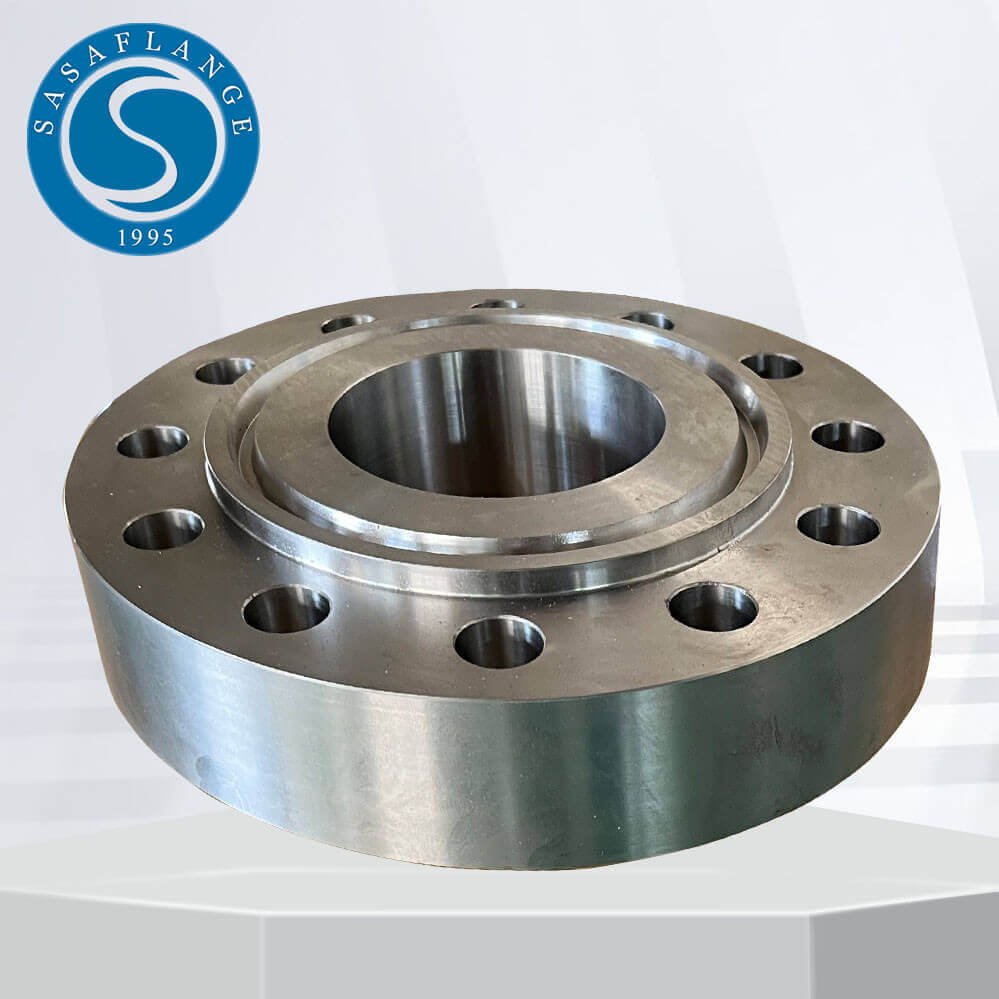
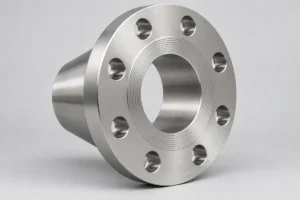
高温発電所プロジェクト向けに製造された F91 RTJ フランジ
ASTM A182 F91 ring type joint flanges were manufactured for a high-temperature power plant piping package. The order combined controlled material condition with RTJ groove inspection, PMI, ultrasonic examination, hardness testing and documented dimensional release.
プロジェクトのスナップショット
| プロジェクトのステータス | Manufacturing and final inspection completed |
|---|---|
| 材料 | ASTM A182 F91 forged alloy steel |
| フランジタイプ | Weld neck RTJ |
| 標準 | ASME B16.5 |
| 圧力クラス | クラス 900 |
| サイズ範囲 | NPS 4–12; project-specific bores and weld ends |
| 検査 | PMI, ユタ州, 硬度, RTJ groove and dimensional inspection |
| 応用 | High-temperature power generation piping |
配信のハイライト
Why F91 required additional production control
F91 is a modified 9Cr-1Mo material whose high-temperature properties depend on the correct normalized-and-tempered condition. Chemistry alone cannot confirm that condition. The production route therefore preserved traceability to heat-treatment and mechanical-property records while preventing uncontrolled thermal exposure during later operations.
The flange hubs and weld ends were machined for the adjoining Grade 91 piping arrangement. Project welding and post-weld heat-treatment requirements remain part of the installed joint design and must be coordinated with the released flange condition.
RTJ groove and NDE verification
The ring groove was checked for profile, depth, pitch diameter, finish and freedom from damage. Ring number compatibility was verified from the approved project description. Ultrasonic testing addressed internal discontinuities in the forging, while visual and dimensional inspection covered accessible surfaces and geometry.
PMI, UT and hardness are complementary controls: PMI addresses alloy identity, UT addresses internal soundness and hardness supports verification of the delivered material condition.
比較可能な RFQ に必要な情報
同等の調査により、正確な材料仕様とグレードが特定されるはずです, 管理規格とエディション, NPS, 圧力クラス, フランジタイプ, 直面している, ボアまたは一致するパイプスケジュール, 数量と送り先. このプロジェクトのニュース範囲について, 重要な参照点は次のとおりです ASTM A182 F91 forged alloy steel, Weld neck RTJ, クラス 900 そして NPS 4–12; project-specific bores and weld ends.
必要事項を記載してください EN 10204 証明書の種類, 熱価トレーサビリティ, PMIの程度, 硬度限界, 寸法レポート, 臨死体験の方法と判定基準, 第三者の証人ポイント, 見積段階での梱包方法と納期希望. 早期の定義により製造が可能になる, 検査と書類のスケジュールを一緒にレビューする.
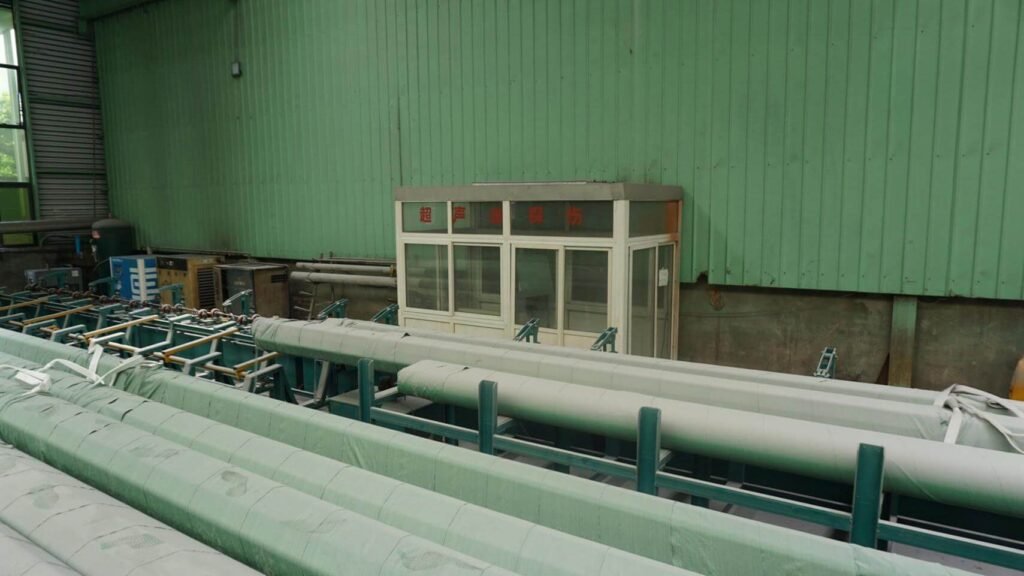
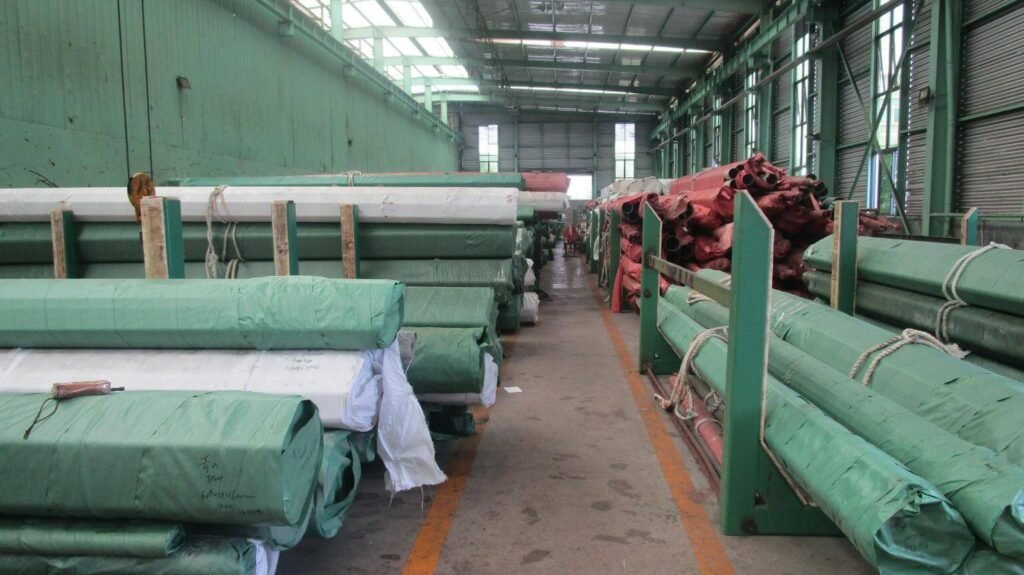
生産, 検査と梱包の写真
画像は関連するものを示しています SASA FLANGE 生産, このプロジェクトで使用された品質管理と出荷段階 - ニュースレポート.
関連する技術ガイド
よくある質問
Can PMI prove that an F91 flange received the correct heat treatment?
いいえ. PMI checks alloy chemistry. 熱処理記録, mechanical properties and hardness provide evidence about material condition.
Why use an RTJ facing in high-pressure power piping?
RTJ joints use a metallic ring and machined groove for demanding pressure and temperature service when specified by the piping design.
Was the F91 flange selected independently of the pipe?
いいえ. 学年, ボア, 溶接端, filler metal and field heat-treatment planning must be reviewed as one piping system.
合金鋼フランジの見積もりを依頼する
ASTM グレードを送信する, スタンダードとエディション, NPS, 圧力クラス, フランジタイプ, 直面している, ボアまたはパイプのスケジュール, 量, 配送先と必要なPMI, 臨死体験, 硬度, 第三者による検査と文書化.
関連投稿
ASTM A182 F51 対 F60 フランジ: S31803 と S32205 の説明
ASTM A182 F51 および F60 二重フランジの比較, S31803/S32205を含む…
UNS S32750 対 S32760 フランジ: ASTM A182 F53 または F55?
S32750 と S32760 スーパーデュプレックス フランジの比較, ASTM A182を含む…
