
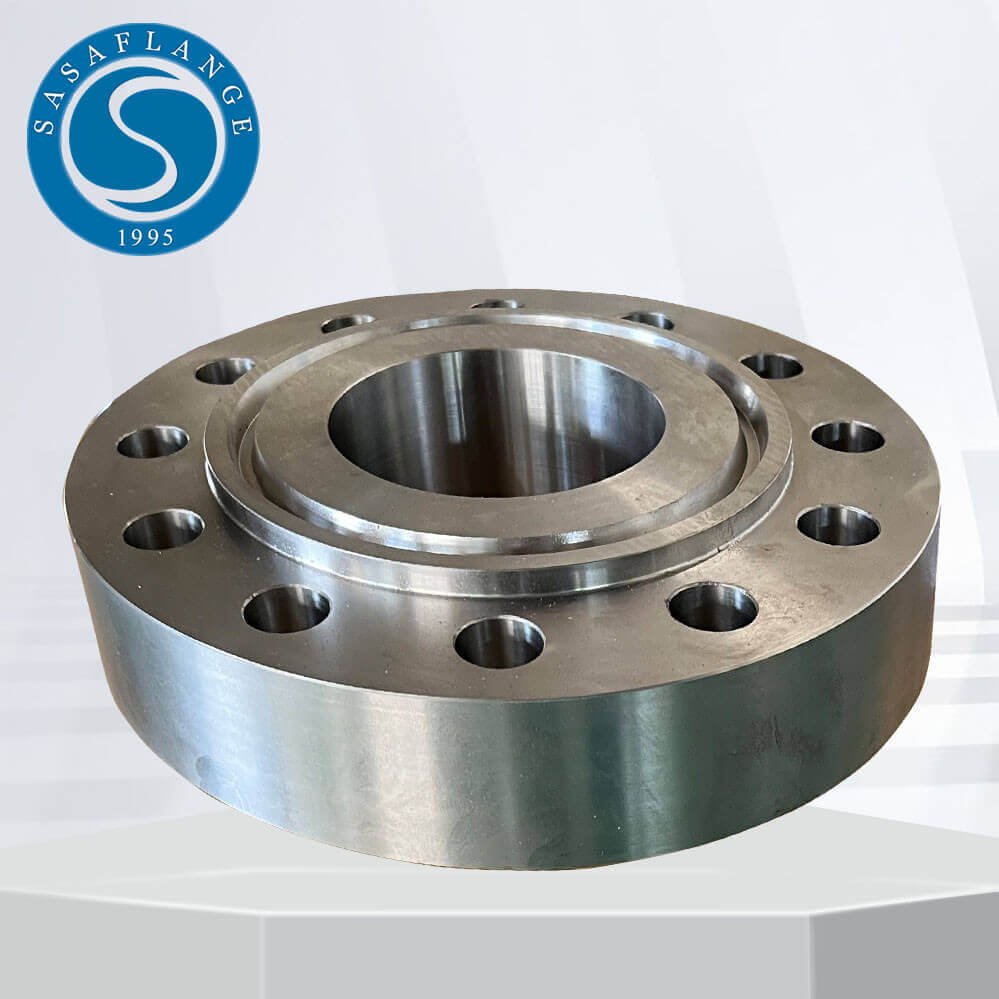
Bridas F91 RTJ fabricadas para un proyecto de central eléctrica de alta temperatura
ASTM A182 F91 ring type joint flanges were manufactured for a high-temperature power plant piping package. The order combined controlled material condition with RTJ groove inspection, PMI, ultrasonic examination, hardness testing and documented dimensional release.
Project snapshot
| Project status | Manufacturing and final inspection completed |
|---|---|
| Material | ASTM A182 F91 forged alloy steel |
| Flange type | Weld neck RTJ |
| Standard | ASME B16.5 |
| Clase de presión | Clase 900 |
| Rango de tallas | NPS 4–12; project-specific bores and weld ends |
| Inspección | PMI, Utah, dureza, RTJ groove and dimensional inspection |
| Application | High-temperature power generation piping |
Delivery highlights
Why F91 required additional production control
F91 is a modified 9Cr-1Mo material whose high-temperature properties depend on the correct normalized-and-tempered condition. Chemistry alone cannot confirm that condition. The production route therefore preserved traceability to heat-treatment and mechanical-property records while preventing uncontrolled thermal exposure during later operations.
The flange hubs and weld ends were machined for the adjoining Grade 91 piping arrangement. Project welding and post-weld heat-treatment requirements remain part of the installed joint design and must be coordinated with the released flange condition.
RTJ groove and NDE verification
The ring groove was checked for profile, depth, pitch diameter, finish and freedom from damage. Ring number compatibility was verified from the approved project description. Ultrasonic testing addressed internal discontinuities in the forging, while visual and dimensional inspection covered accessible surfaces and geometry.
PMI, UT and hardness are complementary controls: PMI addresses alloy identity, UT addresses internal soundness and hardness supports verification of the delivered material condition.
Information needed for a comparable RFQ
A comparable inquiry should identify the exact material specification and grade, governing standard and edition, NPS, clase de presión, tipo de brida, frente a, diámetro interior o tabla de tubería correspondiente, quantity and destination. For this project-news scope, the key reference points were ASTM A182 F91 forged alloy steel, Weld neck RTJ, Clase 900 y NPS 4–12; project-specific bores and weld ends.
State the required EN 10204 certificate type, heat-number traceability, PMI extent, límites de dureza, dimensional report, NDE method and acceptance standard, third-party witness points, packing method and required delivery date at quotation stage. Early definition allows manufacturing, inspection and document schedules to be reviewed together.
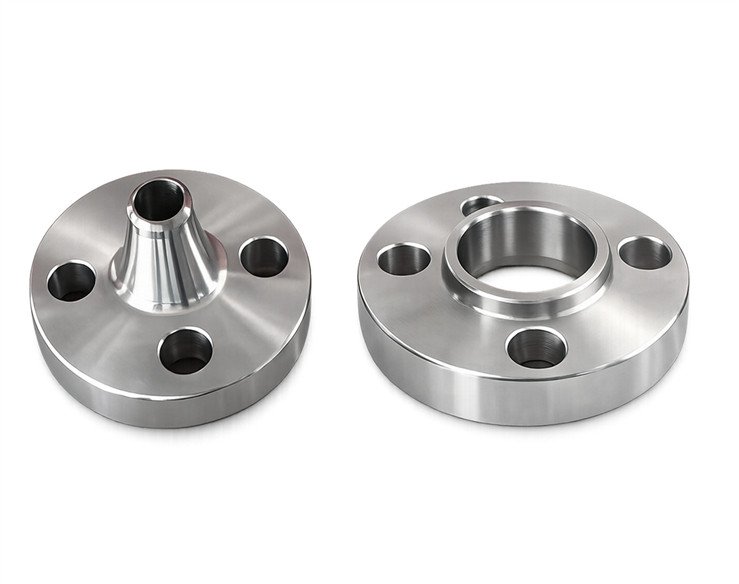
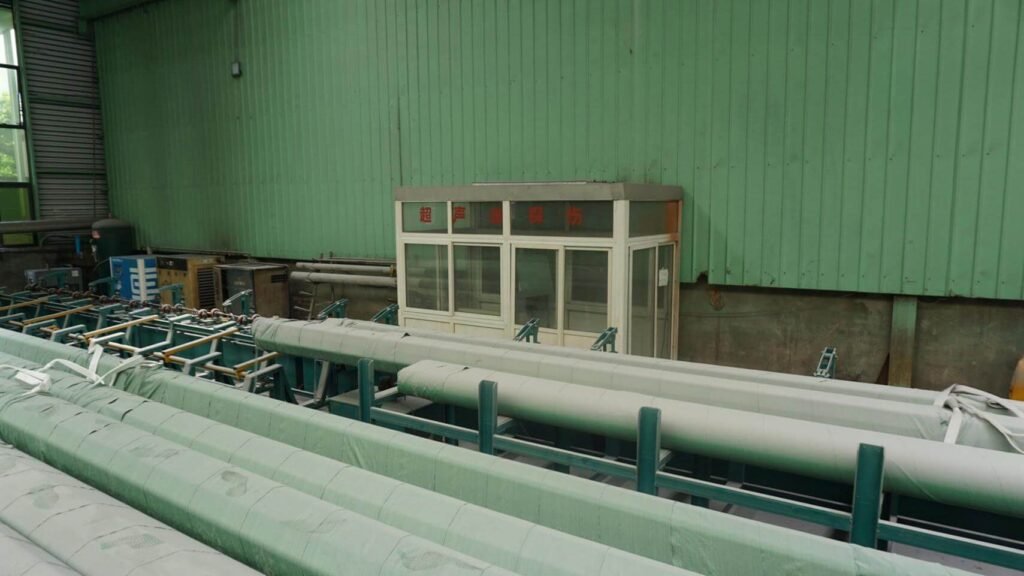
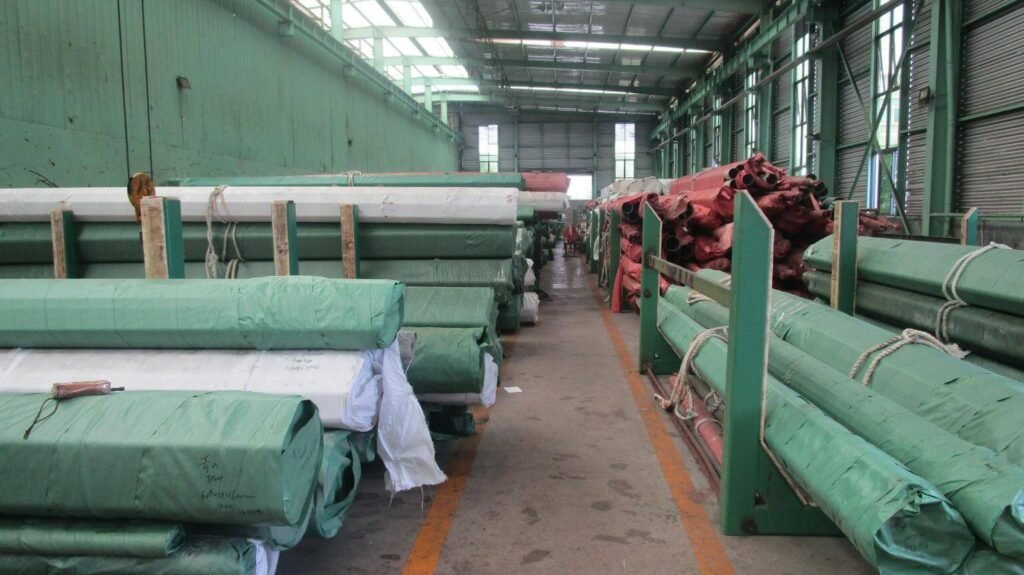
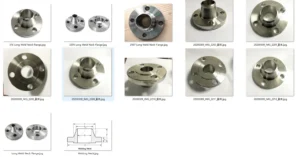
Production, inspection and packing photos
Images show the relevant SASA FLANGE production, quality-control and shipment stages used for this project-news report.
Related technical guides
Preguntas frecuentes
Can PMI prove that an F91 flange received the correct heat treatment?
No. PMI comprueba la química de las aleaciones. Registros de tratamientos térmicos, mechanical properties and hardness provide evidence about material condition.
Why use an RTJ facing in high-pressure power piping?
RTJ joints use a metallic ring and machined groove for demanding pressure and temperature service when specified by the piping design.
Was the F91 flange selected independently of the pipe?
No. Calificación, aburrir, weld end, filler metal and field heat-treatment planning must be reviewed as one piping system.
Request a quotation for alloy steel flanges
Send the ASTM grade, standard and edition, NPS, clase de presión, tipo de brida, frente a, bore or pipe schedule, cantidad, delivery destination and required PMI, ECM, dureza, third-party inspection and documentation.
Posts Relacionados
Bridas ASTM A182 F51 frente a F60: S31803 frente a S32205 explicados
Compare bridas dúplex ASTM A182 F51 y F60, incluido S31803/S32205…
Bridas UNS S32750 frente a S32760: ASTM A182 F53 o F55?
Compare las bridas súper dúplex S32750 y S32760, incluyendo ASTM A182…

¿Puede una brida PN16 acoplarse con una clase ASME? 150 Válvula?
¿Se puede atornillar una brida PN16 a un ASME Clase 150?…
Can EN 1092-1 Tipo B1/B2 acoplado con bridas de cara elevada ASME?
Can EN 1092-1 Tipo B1 o B2 acoplado con un…