
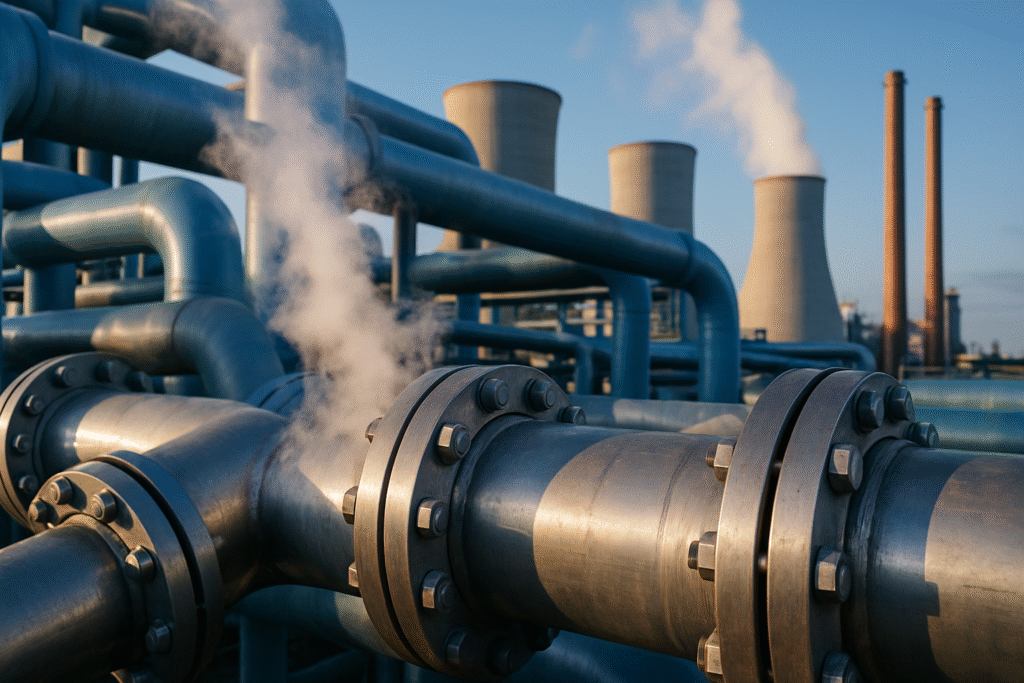
ステンレス鋼管フランジ市場データ: 隠れた利点, 種類, 用途, および最も一般的なフランジの選択方法
グランドビューリサーチによると (2024), 世界の工業用フランジ市場は次のように評価されました。 $5.8 億で 2023 に達すると予測されています $7.2 10億まで 2030. That growth highlights why the stainless steel pipe flange remains a strategic component for engineers and buyers who need corrosion resistance, 圧力の完全性, そして長寿命.
調達チーム向け, the most intriguing question is no longer whether to use Stainless Steel Flanges, but which hidden advantages, 種類, and uses deliver the best lifecycle value. したがって, understanding the most common flange materials, 標準, and selection criteria can reduce maintenance risk and improve total installed cost.
世界の需要動向に合わせたステンレス鋼管フランジの調達
The flange market is expanding because industrial infrastructure spending continues across energy, 水, およびプロセス部門. IBISWorldによると (2024), アジア太平洋地域が占める割合は超過 45% 世界のフランジ生産量の, 中国が最大の製造国である.
That production concentration affects lead times, 原材料の調達, and price stability for buyers worldwide. さらに, it explains why manufacturers with strong export systems and traceable quality procedures have gained preference in international sourcing.
End-use demand also remains highly concentrated in critical-service industries. 統計局によると (2024), 石油・ガス産業が約 35% 世界のフランジ消費量の.
This figure matters because Oil & Gas projects often specify higher-grade stainless and alloy materials, 厳格なテスト, 完全な材料トレーサビリティ. 結果として, buyers increasingly compare suppliers on standards compliance rather than price alone.
並行して, corrosion-driven replacement cycles are supporting stainless steel demand in coastal, 化学薬品, および水処理施設. モルドール・インテリジェンス (2024) notes that industrial stainless applications continue to grow as operators seek lower maintenance and longer operating life.
That trend favors 304, 316, 316l, デュプレックス, and super duplex grades in aggressive environments. 対照的に, carbon steel often remains attractive for dry, non-corrosive, and cost-sensitive systems.
The most common flange choices still include weld neck, スリップオン, 盲目, ソケット溶接, ねじ切りされた, およびラップジョイントの設計. しかし, selection now depends more heavily on media chemistry, 循環ロード, and inspection requirements than on simple initial cost.
例えば, ある 4 inch stainless steel pipe flange used in offshore chlorides will require a different alloy logic than a similar size in building services. したがって, technical evaluation must cover pressure class, 対面タイプ, 温度制限, and corrosion allowances.
によると ASME B16.5, dimensional standardization remains essential for interchangeability in NPS 1/2 を通して 24 フランジ (ASME, 2023). より大きな直径の場合, ASME B16.47 governs many dimensions and drilling patterns.
Buyers also need to align material specifications with forged or plate-based production routes. ASTM A182 commonly applies to forged stainless steel flanges, その間 ASTM A240 covers stainless plate products used in related fabrication (ASTM, 2024).
Manufacturers that combine machining precision with broad material availability can support faster project execution. 高度な CNC 加工と包括的な品質テストに裏付けられています, SASA FLANGE supplies stainless steel flanges and fittings in 304, 316, 316l, 904l, 2205, 2507, その他のプレミアムグレード.
と ISO 9001:2015 および PED 2014/68/EU 認証, SASA FLANGE supports projects requiring EN 10204 3.1 書類, 寸法検査, PMI, and hydrostatic or NDT verification where applicable. さらに, the company serves buyers across Oil & ガス, 石油化学, 力, 海兵隊, 水処理, and Construction sectors in 50+ 国.
隠れた利点, 一般的なタイプ, and Technical Selection of Stainless Steel Pipe Flange
The hidden advantages of stainless steel pipe flange systems extend beyond basic corrosion resistance. They also include cleaner internal surfaces, 汚染リスクの低減, reliable weldability in common grades, and stronger long-term value in harsh service.
マーケットリサーチの将来によると (2024), industrial buyers increasingly prioritize lifecycle cost over purchase price when specifying piping components. したがって, a higher-grade stainless flange can often lower shutdown frequency and replacement expense over time.
博士として. マイケル・トレント, 材料エンジニアおよび腐食コンサルタント, 州: “In chloride-bearing or cyclic-temperature service, the wrong flange alloy can fail long before the pipe does, so material matching is not optional.” That insight is especially relevant when comparing 304/304L with 316/316L or duplex grades.
The most common Stainless Steel Flanges for industrial use are well understood, yet each design has distinct mechanical and installation implications. さらに, each flange type affects welding procedure, アライメント公差, 検査アクセス, and pressure performance.
- ウェルドネックフランジ: 高圧に最適, 熱サイクル, テーパーハブが応力集中を軽減するため、重要なサービスが可能.
- スリップオンフランジ: Easier to align and often lower in fabrication cost, but less preferred for severe fatigue duty.
- ブラインドフランジ: 線の端を閉じるために使用されます, システムを分離する, or allow future expansion and maintenance access.
- ソケットウェルドフランジ: Common in smaller bore high-pressure piping where bore alignment is controlled.
- ねじ付きフランジ: 溶接が制限されている場所で役立ちます, though service conditions must suit threaded joints.
- 重ね継手フランジ: Favored when frequent dismantling is required or when using expensive corrosion-resistant stub ends selectively.
Material grade selection is equally important because not all stainless steels perform the same way. The most common flange materials include 304, 304l, 316, 316l, 321, 347, 904l, 2205, そして 2507.
学年 304 offers balanced strength, 成形性, and cost for general industrial service. しかし, 学年 316 or 316L is usually chosen when chlorides, 海洋暴露, or more aggressive chemical media are present because molybdenum improves pitting resistance.
For higher temperature service, stabilized or heat-resistant grades may be preferable. ASTM and ASME material rules should always be checked against actual service conditions, especially when sensitization, 応力腐食割れ, or sulfide exposure are possible.
NACE ガイダンスによると, chloride stress corrosion cracking risk rises materially with temperature and tensile stress in austenitic stainless steels (ネイス, 2023). したがって, duplex or super duplex options can be more suitable in offshore and produced-water systems.
ローラ・ジェンセン役, 上級配管エンジニア, 州: “The best way to Choose a flange is to treat it as a system component, not a commodity, because facing finish, ボルト荷重, ガスケットの選択, and metallurgy work together.” This is why experienced buyers assess the full joint assembly rather than only the flange drawing.
Pressure class and facing type must also align with the gasket and bolting package. Raised face remains the most common flange facing in refinery and process piping, while ring type joint facings serve higher-pressure, higher-integrity services.
- Common pressure classes: クラス 150, 300, 600, 900, 1500, 2500.
- 一般的なフェーシング: 盛り上がった顔 (RF), 平面 (FF), リング型ジョイント (RTJ).
- Common inspections: PMI, dimensional check, hardness test, ユタ州, PT, MT, hydro test review.
- Common documents: MTC EN 10204 3.1, 包装内容明細書, 熱処理記録, NDTレポート.
実際の調達では, stainless steel pipe flange sizes must be checked against nominal pipe size, スケジュール, bore finish, and drilling compatibility. Even a standard 2 インチまたは 4 inch stainless steel pipe flange can create site delays if wall thickness, 直面している, or bolt circle is mismatched.
ISOによると (2023), dimensional and quality consistency reduces assembly deviation and leakage risk in regulated systems. その結果, buyers should confirm not only standard numbers, but also tolerances, マーキング, and traceability requirements before purchase.
Manufacturing capability strongly influences final product consistency. 1/2からのカスタムサイズを提供します″ 60まで″ 競争力のある工場直販価格, SASA FLANGE supports forged and machined flange supply for standard and project-specific applications.
That capability matters for buyers sourcing Stainless, 鋼鉄, 合金, and duplex flanges together with elbows, ティー, 減速機, そしてキャップ. It simplifies vendor qualification and improves package consistency across complete piping systems.
ASME, ASTM, DIN, and EN Compliance for Stainless Steel Pipe Flange Quality
Standards compliance is the clearest dividing line between commodity supply and reliable industrial performance. したがって, procurement teams should evaluate every stainless steel pipe flange against dimensional, 材料, テスト, および文書要件.
The primary dimensional standard for most industrial flanges is ASME NPS用B16.5 1/2 に 24. より大きな直径の場合, ASME B16.47 Series A or B commonly applies, particularly in process plants and transmission systems.
Material compliance usually references ASTM or ASME material specifications. ASTM A182 covers forged or rolled alloy and stainless flanges, 継手, バルブ, および高温サービス用部品, その間 ASTM A240 クロムおよびクロムニッケルステンレス板に適用, シート, そして剥ぎます.
European and international projects often require DIN, EN 1092, or PED-linked conformity. そういった場合には, マーキング, 圧力指定, 材料のトレーサビリティ, and declaration procedures must align with the purchasing code and end-user specification.
欧州委員会の PED 2014/68/EU フレームワークによると, pressure equipment placed on the EU market must meet essential safety requirements and applicable conformity assessment routes. That is why PED documentation can be a decisive factor in export-oriented flange procurement.
規格を比較するエンジニア向け, the following framework is practical and widely used. さらに, it reduces errors during supplier evaluation and technical bid clarification.
- ASME B16.5: 管フランジおよびフランジ付き継手, NPS 1/2 に 24.
- ASME B16.47: 大径スチールフランジ, 通常は NPS 26 に 60.
- ASME B16.9: Factory-made wrought buttwelding fittings such as elbows and tees.
- ASTM A182: Forged stainless and alloy materials for flanges and fittings.
- EN 1092: ヨーロッパのフランジの寸法と圧力クラス.
- NACE MR0175 / ISO 15156: Material guidance for sour service in oil and gas.
Technical buyers should also verify whether additional project clauses apply. 例えば, offshore and marine specifications may reference DNV or NORSOK requirements, while refinery work may add hardness control, ferrite limits, or specific corrosion testing.
Documentation quality affects inspection efficiency and downstream compliance. したがって, reliable suppliers provide heat number traceability, 化学的および機械的試験の結果, 寸法レポート, and packing methods that protect raised face serrations.
によると ISO 9001 auditing data, controlled process documentation significantly improves manufacturing consistency across repeat production lots (ISO, 2023). That matters in framework contracts where interchangeability and repeatability are essential.
と ISO 9001:2015, PED 2014/68/EU, とAD 2000 資格, SASA FLANGE supports projects requiring controlled quality systems and international documentation packages. さらに, the company can coordinate supply of Stainless Steel Flanges and ASME B16.9 fittings from a single source via its product range.
Buyers often ask whether lower-cost alternatives can substitute for fully certified material. In most critical services, the answer is no, because leakage, 計画外のシャットダウン, and compliance failures cost far more than the initial savings.
As Robert Hale, 産業市場アナリスト, 州: “Certification and traceability are no longer premium extras in energy and process projects; they are baseline procurement requirements.” That shift has pushed manufacturers to invest more heavily in testing, ドキュメント, および輸出コンプライアンス.
How to Choose the Most Common Flange for Oil, ガス, 化学薬品, 力, および海洋サービス
プロジェクトに最も一般的なフランジの選択は使用条件から始まります, not catalog availability. したがって, engineers should define pressure, 温度, 中組成物, 腐食の危険性, 清掃体制, and inspection access before selecting design and alloy.
オイル用 & ガスライン, ネックフランジを溶接します ASTM A182 F316/L, デュプレックス 2205, またはスーパーデュプレックス 2507 are often preferred for high integrity service. This is especially true in offshore, 生産された水, and sour service systems where mechanical loading and corrosion interact.
石油化学および化学処理用, the key issue is compatibility with acids, 溶剤, 塩化物, および洗浄用の化学薬品. 結果として, 316l, 904l, モネル, ハステロイ, or titanium may be specified depending on the fluid and temperature envelope.
Power generation applications frequently prioritize pressure class, 熱サイクル耐性, 寸法安定性. したがって, flange selection must consider startup and shutdown cycles, steam chemistry, and gasket seating stress.
Marine and shipbuilding systems add salinity, splash-zone corrosion, and vibration concerns. このような環境では, 316l, デュプレックス 2205, そして 2507 often provide stronger lifecycle performance than general-purpose austenitic grades.
- 304/304Lを選択してください 適度な腐食曝露と優れた溶接性を備えた一般産業用サービス用.
- 316/316Lを選択してください for chlorides, 海洋大気, and more aggressive water chemistry.
- Choose 904L for stronger acid resistance where standard austenitic grades may be insufficient.
- 選ぶ 2205 デュプレックス for a balance of strength and chloride resistance.
- 選ぶ 2507 スーパーデュプレックス for highly aggressive offshore or desalination conditions.
Dimensional selection is equally practical. ステンレス鋼管フランジのサイズ, 含む 2 インチ, 4 インチ, and large-diameter variants, should be checked against line class, ボアスケジュール, ボルト荷重, and available installation space.
Raised face flanges remain the most common flange option for industrial process piping because they balance sealing performance and broad gasket compatibility. しかし, flat face flanges may be required on cast equipment nozzles to avoid damage from bolt-induced bending.
Buyers should also evaluate delivery risk and package consolidation. Procuring flanges together with elbows, ティー, 減速機, キャップ, and buttweld fittings reduces coordination issues and can simplify inspection and shipping.
This is particularly important for EPC contractors and overseas distributors who need mixed-material orders under one documentation set. カスタムドリルが必要なプロジェクト向け, 規格外の厚さ, または混合規格, SASA FLANGE can support custom manufacturing and technical review.
グランドビューリサーチによると (2024), infrastructure and industrial reinvestment will continue supporting flange demand across water treatment, 力, and petrochemical segments. その結果, procurement teams that standardize approved vendors now will be better positioned for future schedule pressure.
Future Outlook for Stainless Steel Pipe Flange Supply and Strategic Buying Decisions
The outlook for stainless steel pipe flange demand remains positive because asset owners continue upgrading aging pipelines, process plants, およびユーティリティシステム. グランドビューリサーチによると (2024), 市場は到達すると予想されます $7.2 10億まで 2030, indicating sustained purchasing activity across industrial sectors.
同時に, buyers face greater scrutiny on documentation, 持続可能性, 供給の回復力. したがって, the best sourcing strategy combines technical qualification, regional logistics planning, and material optimization rather than chasing the lowest unit price.
One important trend is the move toward higher-performance alloys in corrosive service. In contrast to earlier buying patterns, more operators now specify duplex or premium austenitic grades where downtime costs justify the upgrade.
Another trend is tighter integration between fittings and flange procurement. 結果として, vendors that can supply Stainless Steel Flanges, 突合せ溶接継手, and custom machined items under the same QA system offer a clear commercial advantage.
Procurement managers should take four actions now. 初め, standardize approved flange types and material grades by service class. 2番, prequalify suppliers for ASME, ASTM, EN, および PED ドキュメント. 三番目, compare lifecycle cost, not only quoted price. 4番目, confirm traceability, 検査範囲, and packing before order release.
For distributors and EPC buyers, supplier responsiveness also matters because schedule certainty can outweigh small price differences. 高度なCNC加工による裏付け, 幅広い材料能力, および輸出サポート, SASA FLANGE remains a practical manufacturing partner for projects requiring standard and custom stainless steel pipe flange solutions.
Whether the requirement involves the Most Common Flange in 304/316 or project-grade 2205, 2507, インコネル, モネル, ハステロイ, またはチタン, the priority is technical fit and verified quality. Buyers who want deeper specification support, 図面, or quotations can review details through SASA FLANGE as part of a structured sourcing process.
よくある質問
ステンレス鋼フランジは何に使用されますか?
●Stainless steel pipe flange components are used to connect pipe, バルブ, パンプス, 組み立て可能な圧力装置, 検査, and future maintenance in industrial piping systems.
●統計局によると (2024), 石油・ガス部門が約 35% 世界のフランジ消費量の, which shows how critical flanges are in high-integrity process networks.
●They are commonly selected for water treatment, 石油化学, 発電, 海洋, and food-grade applications because stainless alloys offer corrosion resistance, good mechanical stability, and cleanable surfaces.
●The exact Uses depend on media chemistry, 温度, 圧力クラス, とメンテナンス戦略, それでネックを溶接します, スリップオン, 盲目, ねじ切りされた, and lap joint designs are chosen for different operating conditions.
●For projects requiring traceable ASTM A182 材料, ASME B16.5 寸法, そして EN 10204 3.1 認証, のような確立されたメーカーと協力する SASA FLANGE helps ensure consistent quality and specification control.
ステンレス鋼フランジの ASME コードとは何ですか?
●ステンレス鋼管フランジ製品の主な ASME 寸法コードは次のとおりです。 ASME B16.5 NPSサイズ用 1/2 を通して 24, その間 ASME B16.47 is commonly used for larger diameters.
●ASME standards define dimensions, 掘削, 公差, 圧力温度定格, そして詳細に直面する, but the material itself is often specified under ASTM A182 鍛造ステンレスフランジ用.
●ASMEによると (2023), standardization improves interchangeability and helps reduce installation errors in multi-vendor piping systems.
●Buyers should also check whether related codes such as ASME B31.3, EN 1092, PED 2014/68/EU, or project specifications apply, especially for export, 製油所, or high-pressure service.
●調達精度のために, confirm the flange type, 圧力クラス, 直面している, ボア, and material grade before ordering, and consider qualified suppliers like SASA FLANGE when certified documentation is required.
What are stainless steel flange types?
●The most common Stainless Steel Flange types are weld neck, スリップオン, 盲目, ソケット溶接, ねじ切りされた, そしてラップジョイント, and each type serves a different installation and loading condition.
●Weld neck flanges are preferred for higher pressure and cyclic service, while slip on flanges are easier to align and blind flanges are used to close line ends or isolate sections.
●According to industrial piping practice under ASME B16.5 およびB16.47, flange type selection affects stress distribution, 溶接方法, ガスケットシート, and long-term leak resistance.
●Raised face is the Most Common facing for process service, whereas RTJ is widely used in higher-pressure applications that demand stronger sealing integrity.
●If you need help to Choose between common and custom flange Types, including duplex, 904l, or large-diameter options, a technical review with a manufacturer such as SASA FLANGE can shorten the selection cycle.
どちらかを選択するにはどうすればよいですか 304 そして 316 ステンレス鋼管フランジ材質?
●学年 304 is usually the most economical choice for general industrial service, その間 316 offers stronger resistance to chlorides and corrosive media because it contains molybdenum.
●According to corrosion guidance referenced by NACE (2023), chloride-bearing environments can significantly increase pitting and stress corrosion risk for standard austenitic stainless grades at elevated temperatures.
●That means 304 often suits indoor utility, きれいな水, and non-aggressive service, その間 316 or 316L is a stronger option for marine, 沿岸, 化学薬品, and higher-purity systems.
●You should compare process fluid, 動作温度, 洗浄剤, expected service life, and replacement cost instead of comparing alloy price alone.
●要求の厳しいアプリケーション向け, request material certificates, PMI, and expert support before buying, especially when evaluating whether a standard Stainless or higher-performance alloy is the better long-term fit.
What are common stainless steel pipe flange sizes and dimensions?
●Common stainless steel pipe flange sizes start at 1/2 インチまで拡張可能 60 インチ, although ASME B16.5 通常は NPS をカバーします 1/2 を通して 24 そして ASME B16.47 covers many larger sizes.
●Dimensions vary by nominal pipe size, 圧力クラス, 対面タイプ, そしてボアスケジュール, それで 4 クラスのインチステンレス鋼管フランジ 150 will differ significantly from a 4 インチクラス 600 フランジ.
●According to ASME dimensional rules, 外径, ボルトサークル, bolt hole count, 厚さ, and raised face height must all match the selected standard and class.
●Buyers should verify schedule compatibility because bore mismatch can create turbulence, welding issues, and fit-up delays during fabrication or site installation.
●For practical procurement, send the NPS, スケジュール, 標準, 圧力クラス, 材料, and facing details together so the supplier can quote accurately and avoid dimensional mismatch.
ステンレス鋼管フランジの価格とリードタイムに影響を与えるもの?
●ステンレス鋼管フランジの価格は主に合金グレードによって異なります, サイズ, 圧力クラス, 鍛造ルート, 加工の複雑さ, 検査範囲, および認定要件.
●IBISWorldによると (2024), アジア太平洋地域が占める割合は超過 45% 世界のフランジ生産量の, so regional manufacturing concentration can influence raw material access, export logistics, and delivery timing.
●Lead time also changes with quantity, カスタム穴あけ, 標準外の寸法, NDT requirements, and whether documentation such as EN 10204 3.1 or PED compliance is required.
●多くのプロジェクトで, the hidden cost is not unit price but delay, 手直し, or failed inspection, so buyers should compare total procurement risk rather than only the initial quotation.
●To improve value, request a complete technical and commercial offer covering material certificate, 検査, 梱包, and shipment schedule before final supplier selection.
関連投稿

オリフィスフランジの定義, 詳細と ASME B16.36 フランジの概要: 市場データ, 選択ガイドとコンプライアンスに関する洞察
世界の工業用フランジ市場は次のように評価されました。 $5.8 十億…

ブラックディスポフランジ市場ガイド: 材料, 3.5″ 互換性, キッチン シンク フランジの B2B 調達データ
キッチン設備の購入者として黒色の使い捨てフランジの需要が高まっています…