
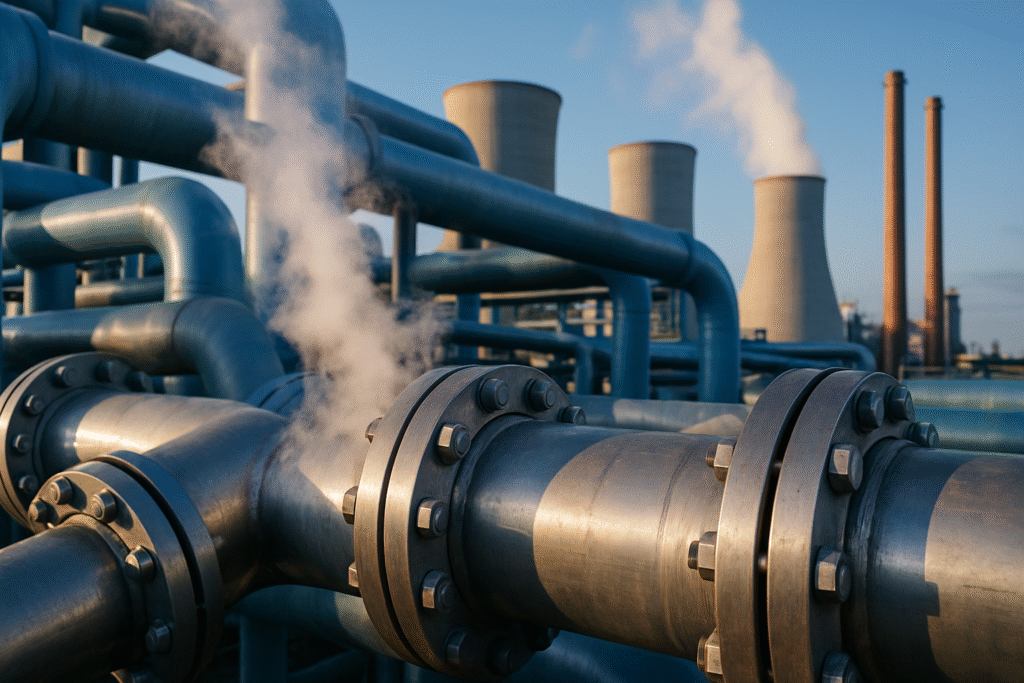
Данные о рынке фланцев для труб из нержавеющей стали: Скрытые преимущества, Типы, Использование, и как выбрать наиболее распространенный фланец
По данным исследования Grand View (2024), мировой рынок промышленных фланцев оценивался в $5.8 миллиард в 2023 и, по прогнозам, достигнет $7.2 миллиард на 2030. That growth highlights why the stainless steel pipe flange remains a strategic component for engineers and buyers who need corrosion resistance, целостность давления, и длительный срок службы.
Для отделов закупок, the most intriguing question is no longer whether to use Stainless Steel Flanges, but which hidden advantages, типы, and uses deliver the best lifecycle value. Поэтому, understanding the most common flange materials, стандарты, and selection criteria can reduce maintenance risk and improve total installed cost.
Тенденции глобального спроса определяют закупки фланцев для труб из нержавеющей стали
The flange market is expanding because industrial infrastructure spending continues across energy, вода, и перерабатывающие отрасли. По данным IBISWorld (2024), На долю Азиатско-Тихоокеанского региона приходится более 45% мирового производства фланцев, при этом Китай является крупнейшим производителем.
That production concentration affects lead times, поиск сырья, and price stability for buyers worldwide. Более того, it explains why manufacturers with strong export systems and traceable quality procedures have gained preference in international sourcing.
End-use demand also remains highly concentrated in critical-service industries. По данным Статистики (2024), на долю нефтегазовой отрасли приходится около 35% мирового потребления фланцев.
This figure matters because Oil & Gas projects often specify higher-grade stainless and alloy materials, строгое тестирование, и полная отслеживаемость материалов. Как результат, buyers increasingly compare suppliers on standards compliance rather than price alone.
Параллельно, corrosion-driven replacement cycles are supporting stainless steel demand in coastal, химический, и водоочистные сооружения. Мордорская разведка (2024) notes that industrial stainless applications continue to grow as operators seek lower maintenance and longer operating life.
That trend favors 304, 316, 316л, дуплекс, and super duplex grades in aggressive environments. В отличие, carbon steel often remains attractive for dry, non-corrosive, and cost-sensitive systems.
The most common flange choices still include weld neck, надеть, слепой, раструбная сварка, резьбовой, и конструкции коленчатых соединений. Однако, selection now depends more heavily on media chemistry, циклическая загрузка, and inspection requirements than on simple initial cost.
Например, а 4 inch stainless steel pipe flange used in offshore chlorides will require a different alloy logic than a similar size in building services. Поэтому, technical evaluation must cover pressure class, тип облицовки, пределы температуры, and corrosion allowances.
В соответствии с ASME B16.5, dimensional standardization remains essential for interchangeability in NPS 1/2 через 24 фланцы (ASME, 2023). Для больших диаметров, ASME B16.47 governs many dimensions and drilling patterns.
Buyers also need to align material specifications with forged or plate-based production routes. ASTM A182 commonly applies to forged stainless steel flanges, пока ASTM A240 covers stainless plate products used in related fabrication (ASTM, 2024).
Manufacturers that combine machining precision with broad material availability can support faster project execution. Благодаря передовой обработке с ЧПУ и всестороннему тестированию качества., SASA FLANGE supplies stainless steel flanges and fittings in 304, 316, 316л, 904л, 2205, 2507, и другие премиум-классы.
С ISO 9001:2015 и сертификаты PED 2014/68/ЕС., SASA FLANGE supports projects requiring EN 10204 3.1 документы, проверка размеров, PMI, and hydrostatic or NDT verification where applicable. Кроме того, the company serves buyers across Oil & Газ, нефтехимическая, Власть, Морской, Очистка воды, and Construction sectors in 50+ страны.
Скрытые преимущества, Распространенные типы, and Technical Selection of Stainless Steel Pipe Flange
The hidden advantages of stainless steel pipe flange systems extend beyond basic corrosion resistance. They also include cleaner internal surfaces, меньший риск загрязнения, reliable weldability in common grades, and stronger long-term value in harsh service.
По данным Market Research Future (2024), industrial buyers increasingly prioritize lifecycle cost over purchase price when specifying piping components. Поэтому, a higher-grade stainless flange can often lower shutdown frequency and replacement expense over time.
Как доктор. Майкл Трент, Инженер по материалам и консультант по коррозии, государства: «In chloride-bearing or cyclic-temperature service, the wrong flange alloy can fail long before the pipe does, so material matching is not optional.» That insight is especially relevant when comparing 304/304L with 316/316L or duplex grades.
The most common Stainless Steel Flanges for industrial use are well understood, yet each design has distinct mechanical and installation implications. Более того, each flange type affects welding procedure, допуск выравнивания, доступ для осмотра, and pressure performance.
- Приварной фланец с шейкой: Лучше всего для высокого давления, термоциклирование, и критически важное обслуживание, поскольку коническая ступица снижает концентрацию напряжений.
- Наденьте фланец: Easier to align and often lower in fabrication cost, but less preferred for severe fatigue duty.
- Глухой фланец: Используется для закрытия концов строки, изолировать системы, or allow future expansion and maintenance access.
- Фланец под приварку враструб: Common in smaller bore high-pressure piping where bore alignment is controlled.
- Резьбовой фланец: Полезно там, где сварка ограничена., though service conditions must suit threaded joints.
- Фланец внахлестку: Favored when frequent dismantling is required or when using expensive corrosion-resistant stub ends selectively.
Material grade selection is equally important because not all stainless steels perform the same way. The most common flange materials include 304, 304л, 316, 316л, 321, 347, 904л, 2205, и 2507.
Оценка 304 offers balanced strength, формуемость, and cost for general industrial service. Однако, оценка 316 or 316L is usually chosen when chlorides, морское воздействие, or more aggressive chemical media are present because molybdenum improves pitting resistance.
For higher temperature service, stabilized or heat-resistant grades may be preferable. ASTM and ASME material rules should always be checked against actual service conditions, especially when sensitization, коррозионное растрескивание под напряжением, or sulfide exposure are possible.
Согласно руководству NACE, chloride stress corrosion cracking risk rises materially with temperature and tensile stress in austenitic stainless steels (КДЕС, 2023). Поэтому, duplex or super duplex options can be more suitable in offshore and produced-water systems.
В роли Лоры Дженсен, Старший инженер по трубопроводам, государства: «The best way to Choose a flange is to treat it as a system component, not a commodity, because facing finish, болтовая нагрузка, выбор прокладки, and metallurgy work together.» This is why experienced buyers assess the full joint assembly rather than only the flange drawing.
Pressure class and facing type must also align with the gasket and bolting package. Raised face remains the most common flange facing in refinery and process piping, while ring type joint facings serve higher-pressure, higher-integrity services.
- Common pressure classes: Сорт 150, 300, 600, 900, 1500, 2500.
- Common facings: Поднятое лицо (РФ), Плоское Лицо (ФФ), Кольцевое соединение типа (РТЖ).
- Common inspections: PMI, dimensional check, hardness test, ЮТ, ПТ, МТ, hydro test review.
- Общие документы: МТС EN 10204 3.1, товарная накладная, записи о термообработке, отчеты неразрушающего контроля.
В практических закупках, stainless steel pipe flange sizes must be checked against nominal pipe size, расписание, bore finish, and drilling compatibility. Even a standard 2 дюйм или 4 inch stainless steel pipe flange can create site delays if wall thickness, лицом к лицу, or bolt circle is mismatched.
По данным ИСО (2023), dimensional and quality consistency reduces assembly deviation and leakage risk in regulated systems. Следовательно, buyers should confirm not only standard numbers, but also tolerances, маркировка, and traceability requirements before purchase.
Manufacturing capability strongly influences final product consistency. Предлагаю нестандартные размеры от 1/2.″ до 60″ с конкурентоспособными ценами напрямую с завода, SASA FLANGE supports forged and machined flange supply for standard and project-specific applications.
That capability matters for buyers sourcing Stainless, Сталь, сплав, and duplex flanges together with elbows, тройники, редукторы, и шапки. It simplifies vendor qualification and improves package consistency across complete piping systems.
ASME, ASTM, DIN, and EN Compliance for Stainless Steel Pipe Flange Quality
Standards compliance is the clearest dividing line between commodity supply and reliable industrial performance. Поэтому, procurement teams should evaluate every stainless steel pipe flange against dimensional, материал, тестирование, и требования к документации.
The primary dimensional standard for most industrial flanges is ASME B16.5 for NPS 1/2 к 24. Для больших диаметров, ASME B16.47 Series A or B commonly applies, particularly in process plants and transmission systems.
Material compliance usually references ASTM or ASME material specifications. ASTM A182 covers forged or rolled alloy and stainless flanges, арматура, клапаны, и детали для работы при высоких температурах, пока ASTM A240 applies to chromium and chromium-nickel stainless plate, лист, и раздеться.
European and international projects often require DIN, EN 1092, or PED-linked conformity. В этих случаях, маркировка, обозначение давления, отслеживаемость материалов, and declaration procedures must align with the purchasing code and end-user specification.
В соответствии с требованиями Европейской комиссии PED 2014/68/EU., pressure equipment placed on the EU market must meet essential safety requirements and applicable conformity assessment routes. That is why PED documentation can be a decisive factor in export-oriented flange procurement.
For engineers comparing standards, the following framework is practical and widely used. Более того, it reduces errors during supplier evaluation and technical bid clarification.
- ASME B16.5: Фланцы труб и фланцевые фитинги, НПС 1/2 к 24.
- ASME B16.47: Стальные фланцы большого диаметра, обычно NPS 26 к 60.
- ASME B16.9: Factory-made wrought buttwelding fittings such as elbows and tees.
- ASTM A182: Forged stainless and alloy materials for flanges and fittings.
- EN 1092: European flange dimensions and pressure classes.
- NACE MR0175 / ISO 15156: Material guidance for sour service in oil and gas.
Technical buyers should also verify whether additional project clauses apply. Например, offshore and marine specifications may reference DNV or NORSOK requirements, while refinery work may add hardness control, пределы феррита, or specific corrosion testing.
Documentation quality affects inspection efficiency and downstream compliance. Поэтому, reliable suppliers provide heat number traceability, результаты химических и механических испытаний, отчеты о размерах, and packing methods that protect raised face serrations.
В соответствии с ISO 9001 auditing data, controlled process documentation significantly improves manufacturing consistency across repeat production lots (ISO, 2023). That matters in framework contracts where interchangeability and repeatability are essential.
С ISO 9001:2015, ПЭД 2014/68/ЕС, и АД 2000 реквизиты для входа, SASA FLANGE supports projects requiring controlled quality systems and international documentation packages. Более того, the company can coordinate supply of Stainless Steel Flanges and ASME B16.9 fittings from a single source via its product range.
Buyers often ask whether lower-cost alternatives can substitute for fully certified material. In most critical services, the answer is no, because leakage, незапланированное отключение, and compliance failures cost far more than the initial savings.
As Robert Hale, Industrial market analyst, государства: «Certification and traceability are no longer premium extras in energy and process projects; they are baseline procurement requirements.» That shift has pushed manufacturers to invest more heavily in testing, документация, и соблюдение экспортных требований.
How to Choose the Most Common Flange for Oil, Газ, Химическая, Власть, и морская служба
Choosing the most common flange for a project starts with service conditions, not catalog availability. Поэтому, engineers should define pressure, температура, средний состав, риск коррозии, режим очистки, and inspection access before selecting design and alloy.
Для нефти & Gas lines, weld neck flanges in ASTM A182 Ф316/Л, дуплекс 2205, или супердуплекс 2507 are often preferred for high integrity service. This is especially true in offshore, пластовая вода, and sour service systems where mechanical loading and corrosion interact.
For petrochemical and chemical processing, the key issue is compatibility with acids, растворители, хлориды, и чистящие химикаты. Как результат, 316л, 904л, Монель, Хастеллой, or titanium may be specified depending on the fluid and temperature envelope.
Power generation applications frequently prioritize pressure class, устойчивость к термоциклированию, и стабильность размеров. Поэтому, flange selection must consider startup and shutdown cycles, steam chemistry, и напряжение посадки прокладки.
Marine and shipbuilding systems add salinity, splash-zone corrosion, and vibration concerns. В этих средах, 316л, дуплекс 2205, и 2507 often provide stronger lifecycle performance than general-purpose austenitic grades.
- Выберите 304/304L для общепромышленного применения с умеренным воздействием коррозии и хорошей свариваемостью.
- Выберите 316/316L for chlorides, морская атмосфера, and more aggressive water chemistry.
- Выберите 904L for stronger acid resistance where standard austenitic grades may be insufficient.
- Выбирать 2205 дуплекс for a balance of strength and chloride resistance.
- Выбирать 2507 супер дуплекс for highly aggressive offshore or desalination conditions.
Dimensional selection is equally practical. Размеры фланцев труб из нержавеющей стали, включая 2 дюйм, 4 дюйм, and large-diameter variants, should be checked against line class, график бурения, болтовая нагрузка, and available installation space.
Raised face flanges remain the most common flange option for industrial process piping because they balance sealing performance and broad gasket compatibility. Однако, flat face flanges may be required on cast equipment nozzles to avoid damage from bolt-induced bending.
Buyers should also evaluate delivery risk and package consolidation. Procuring flanges together with elbows, тройники, редукторы, кепки, and buttweld fittings reduces coordination issues and can simplify inspection and shipping.
This is particularly important for EPC contractors and overseas distributors who need mixed-material orders under one documentation set. Для проектов, требующих индивидуального сверления, нестандартная толщина, или смешанные стандарты, SASA FLANGE can support custom manufacturing and technical review.
По данным исследования Grand View (2024), infrastructure and industrial reinvestment will continue supporting flange demand across water treatment, власть, and petrochemical segments. Следовательно, procurement teams that standardize approved vendors now will be better positioned for future schedule pressure.
Перспективы поставок фланцев для труб из нержавеющей стали и стратегические решения о закупках
The outlook for stainless steel pipe flange demand remains positive because asset owners continue upgrading aging pipelines, process plants, и инженерные системы. По данным исследования Grand View (2024), ожидается, что рынок достигнет $7.2 миллиард на 2030, indicating sustained purchasing activity across industrial sectors.
В то же время, buyers face greater scrutiny on documentation, устойчивость, и устойчивость поставок. Поэтому, the best sourcing strategy combines technical qualification, regional logistics planning, and material optimization rather than chasing the lowest unit price.
One important trend is the move toward higher-performance alloys in corrosive service. In contrast to earlier buying patterns, more operators now specify duplex or premium austenitic grades where downtime costs justify the upgrade.
Another trend is tighter integration between fittings and flange procurement. Как результат, vendors that can supply Stainless Steel Flanges, фитинги для стыковой сварки, and custom machined items under the same QA system offer a clear commercial advantage.
Procurement managers should take four actions now. Первый, standardize approved flange types and material grades by service class. Второй, prequalify suppliers for ASME, ASTM, EN, and PED documentation. Третий, compare lifecycle cost, not only quoted price. Четвертый, confirm traceability, объем проверки, and packing before order release.
For distributors and EPC buyers, supplier responsiveness also matters because schedule certainty can outweigh small price differences. Благодаря передовой обработке с ЧПУ, широкие материальные возможности, and export support, SASA FLANGE remains a practical manufacturing partner for projects requiring standard and custom stainless steel pipe flange solutions.
Whether the requirement involves the Most Common Flange in 304/316 or project-grade 2205, 2507, Инконель, Монель, Хастеллой, или титан, the priority is technical fit and verified quality. Buyers who want deeper specification support, рисунки, or quotations can review details through SASA FLANGE as part of a structured sourcing process.
Часто задаваемые вопросы
Для чего используются фланцы из нержавеющей стали?
●Stainless steel pipe flange components are used to connect pipe, клапаны, насосы, and pressure equipment while allowing assembly, инспекция, and future maintenance in industrial piping systems.
●По данным Статистики (2024), на долю нефтегазового сектора приходится около 35% мирового потребления фланцев, which shows how critical flanges are in high-integrity process networks.
●They are commonly selected for water treatment, нефтехимический, производство электроэнергии, морской, and food-grade applications because stainless alloys offer corrosion resistance, good mechanical stability, and cleanable surfaces.
●The exact Uses depend on media chemistry, температура, класс давления, и стратегия обслуживания, так что приварите шею, надеть, слепой, резьбовой, and lap joint designs are chosen for different operating conditions.
●Для проектов, требующих отслеживаемого ASTM A182 материал, ASME B16.5 размеры, и EN 10204 3.1 сертификация, работа с известными производителями, такими как SASA FLANGE helps ensure consistent quality and specification control.
Что такое код ASME для фланцев из нержавеющей стали??
●Основной размерный код ASME для фланцев труб из нержавеющей стали: ASME B16.5 for sizes NPS 1/2 через 24, пока ASME B16.47 is commonly used for larger diameters.
●ASME standards define dimensions, бурение, допуски, номинальные значения давления и температуры, и детали облицовки, but the material itself is often specified under ASTM A182 для кованых фланцев из нержавеющей стали.
●Согласно ASME (2023), standardization improves interchangeability and helps reduce installation errors in multi-vendor piping systems.
●Buyers should also check whether related codes such as ASME B31.3, EN 1092, ПЭД 2014/68/ЕС, or project specifications apply, especially for export, нефтеперерабатывающий завод, or high-pressure service.
●Для точности закупок, confirm the flange type, класс давления, лицом к лицу, бурить, and material grade before ordering, and consider qualified suppliers like SASA FLANGE when certified documentation is required.
What are stainless steel flange types?
●The most common Stainless Steel Flange types are weld neck, надеть, слепой, раструбная сварка, резьбовой, и коленный сустав, and each type serves a different installation and loading condition.
●Weld neck flanges are preferred for higher pressure and cyclic service, while slip on flanges are easier to align and blind flanges are used to close line ends or isolate sections.
●According to industrial piping practice under ASME B16.5 и В16,47, flange type selection affects stress distribution, метод сварки, прокладка сиденья, and long-term leak resistance.
●Raised face is the Most Common facing for process service, whereas RTJ is widely used in higher-pressure applications that demand stronger sealing integrity.
●If you need help to Choose between common and custom flange Types, including duplex, 904л, or large-diameter options, a technical review with a manufacturer such as SASA FLANGE can shorten the selection cycle.
Как мне выбрать между 304 и 316 Материалы фланцев труб из нержавеющей стали?
●Оценка 304 is usually the most economical choice for general industrial service, пока 316 offers stronger resistance to chlorides and corrosive media because it contains molybdenum.
●According to corrosion guidance referenced by NACE (2023), chloride-bearing environments can significantly increase pitting and stress corrosion risk for standard austenitic stainless grades at elevated temperatures.
●Это означает 304 often suits indoor utility, clean water, and non-aggressive service, пока 316 or 316L is a stronger option for marine, прибрежный, химический, and higher-purity systems.
●You should compare process fluid, рабочая температура, чистящие химикаты, expected service life, and replacement cost instead of comparing alloy price alone.
●Для требовательных приложений, request material certificates, PMI, and expert support before buying, especially when evaluating whether a standard Stainless or higher-performance alloy is the better long-term fit.
What are common stainless steel pipe flange sizes and dimensions?
●Common stainless steel pipe flange sizes start at 1/2 inch and can extend to 60 дюймы, although ASME B16.5 обычно охватывает NPS 1/2 через 24 и ASME B16.47 covers many larger sizes.
●Dimensions vary by nominal pipe size, класс давления, тип облицовки, и скучный график, так что 4 дюймовый фланец трубы из нержавеющей стали класса 150 will differ significantly from a 4 дюймовый класс 600 фланец.
●According to ASME dimensional rules, внешний диаметр, болт круг, bolt hole count, толщина, and raised face height must all match the selected standard and class.
●Buyers should verify schedule compatibility because bore mismatch can create turbulence, welding issues, and fit-up delays during fabrication or site installation.
●Для практических закупок, send the NPS, расписание, стандартный, класс давления, материал, and facing details together so the supplier can quote accurately and avoid dimensional mismatch.
Что влияет на цену фланца трубы из нержавеющей стали и время выполнения заказа?
●Цена фланца трубы из нержавеющей стали зависит в основном от марки сплава., размер, класс давления, маршрут ковки, сложность обработки, объем проверки, и требования к сертификации.
●По данным IBISWorld (2024), На долю Азиатско-Тихоокеанского региона приходится более 45% мирового производства фланцев, so regional manufacturing concentration can influence raw material access, export logistics, and delivery timing.
●Lead time also changes with quantity, индивидуальное бурение, нестандартные размеры, NDT requirements, and whether documentation such as EN 10204 3.1 or PED compliance is required.
●Во многих проектах, the hidden cost is not unit price but delay, переделка, or failed inspection, so buyers should compare total procurement risk rather than only the initial quotation.
●To improve value, request a complete technical and commercial offer covering material certificate, инспекция, упаковка, and shipment schedule before final supplier selection.
Связанные Посты
Отделка торцевой поверхности фланца: Объяснение концентрических и спиральных зубцов
Концентрические и спиральные зубцы представляют собой обработанную поверхность фланца.…
Дуплекс 2205 по сравнению с фланцами 316L: Какой материал выбрать?
Быстрый ответ: Дуплекс 2205 flanges are usually the stronger candidate…

Определение фланца с диафрагмой, Подробности и обзор фланцев ASME B16.36: Рыночные данные, Руководство по выбору и анализ соответствия требованиям
Мировой рынок промышленных фланцев оценивался в $5.8 миллиард…

Руководство по рынку черных сливных фланцев: Материалы, 3.5″ Совместимость, и данные о поставщиках B2B для фланцев для кухонной мойки
Спрос на черные фланцы для утилизации растет благодаря покупателям кухонной техники…