
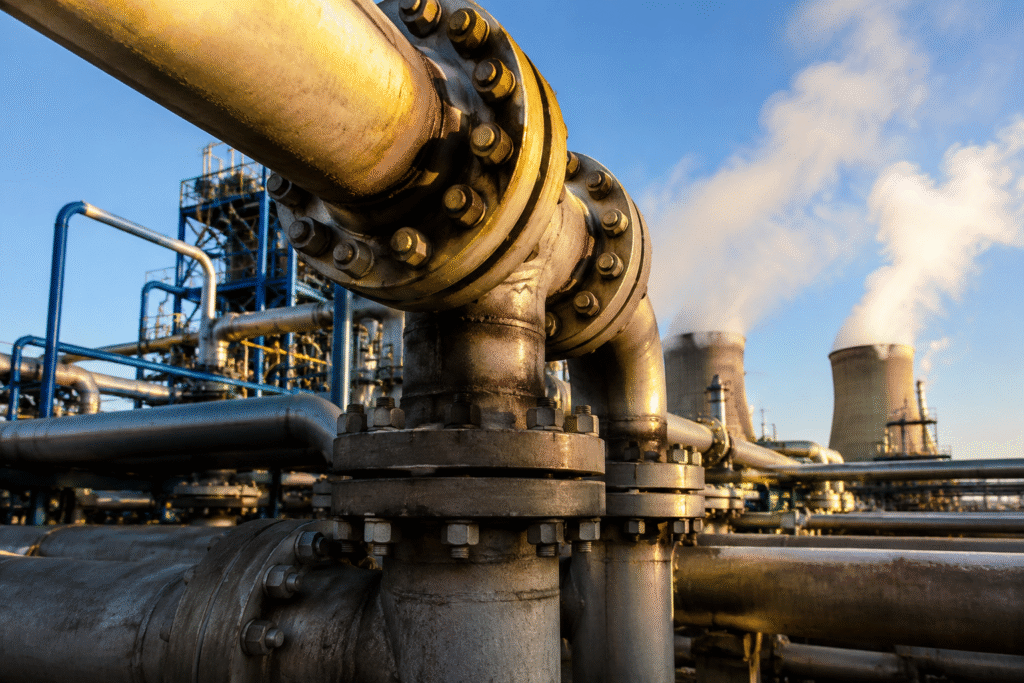
ステンレス鋼管フランジ: 種類, 規格と選択ガイド
産業用システムではより強力な耐食性が求められるため、ステンレス鋼管フランジの需要は増加し続けています, よりクリーンなプロセスパフォーマンス, そしてより長い耐用年数. グランドビューリサーチによると (2024), 世界の工業用フランジ市場は次のように評価されました。 $5.8 億で 2023 に達すると予測されています $7.2 10億まで 2030, which makes flange selection a strategic purchasing decision rather than a simple commodity buy.
エンジニアおよび調達マネージャー向け, 最も一般的な課題はフランジを見つけられないことです. It is choosing the right grade, 圧力クラス, 直面している, and standard for each pipe system. This guide explains the intriguing and often hidden advantages, 種類, and uses of stainless steel flanges, while showing how to choose products that meet technical and commercial goals.
Why Stainless Steel Pipe Flange Demand Keeps Growing in Global Industry
Industrial buyers increasingly specify stainless steel because downtime now costs more than initial material savings. 統計局によると (2024), 石油・ガス産業が約 35% 世界のフランジ消費量の, which highlights how critical reliable piping connections remain in severe service.
製造レベルで, supply concentration also matters. IBISWorldによると (2024), アジア太平洋地域が占める割合は超過 45% 世界のフランジ生産量の, 中国が最大の製造国である, so buyers often evaluate both production scale and export quality systems before issuing purchase orders.
This market shift favors suppliers that combine metallurgy knowledge with process control. したがって, ISO 9001:2015 ドキュメント, PED 2014/68/EU compliance, EN 10204 3.1 検査記録, and traceable heat numbers have become practical procurement requirements rather than optional extras.
Many end users now move from carbon steel to stainless grades in water treatment, 石油化学, および海洋システム. 加えて, life-cycle cost analysis often shows that corrosion-related failures, gasket leaks, and unplanned shutdowns outweigh the higher upfront price of stainless steel components.
結果として, a stainless steel pipe flange is now specified not only for corrosion resistance, but also for hygiene, 熱安定性, fabrication flexibility, メンテナンスの削減と. This is especially true where chlorides, 洗浄剤, or fluctuating temperatures shorten the life of lower-grade materials.
マーケットリサーチの将来によると (2024), industrial process equipment demand in emerging economies continues to expand at a moderate single-digit CAGR, supporting steady consumption of flanges, 鍛造継手, and pipe accessories. さらに, water infrastructure upgrades and power generation retrofits are adding new demand outside traditional oil and gas sectors.
B2Bバイヤー向け, this means product selection should align with operating conditions, not generic catalog descriptions. あ 304 slip on flange may be cost-effective in mild service, whereas 316L, 2205 デュプレックス, or 904L may be necessary in chloride-bearing or aggressive chemical environments.
Manufacturers with broad grade coverage can reduce sourcing complexity. と ISO 9001:2015 および PED 2014/68/EU 認証, SASA FLANGE ステンレス鋼フランジを供給します, 炭素鋼フランジ, 合金フランジ, とパイプ継手 304, 316, 316l, 904l, 2205, 2507, A182, インコネル, モネル, ハステロイ, and Titanium grades for international industrial projects.
That breadth matters because many projects mix standards and materials in one package. 例えば, a refinery expansion may require ASME B16.5 溶接ネックフランジ, ASME B16.9 肘, EN 1092 プレートフランジ, and corrosion-resistant reducers with matching mill test reports.
ジョン・レイノルズ役, コンサルティング材料エンジニア, 州: “The hidden advantage of stainless steel flanges is not only corrosion resistance. It is process reliability under combined thermal, 機械的, and chemical stress.” That principle explains why experienced EPC contractors assess total system compatibility before confirming a flange vendor.
ステンレス鋼管フランジの種類, 材料, and Hidden Advantages for Industrial Use
The most common stainless steel pipe flange materials are ASTM A182 F304, F304L, F316, F316L, F321, F347, 両面印刷 F51, and super duplex F53. しかし, the correct choice depends on temperature, 中組成物, 溶接方法, 圧力クラス, およびメンテナンスアクセス.
ASTM and ASME standards remain central to selection. ASTM A182 鍛造または圧延合金およびステンレス鋼の管フランジをカバーします。, 鍛造継手, および高温用バルブ, その間 ASME B16.5 寸法を定義します, 公差, 圧力温度定格, and marking requirements for flanges from NPS 1/2 を通して 24 (ASME).
Stainless grade selection starts with corrosion behavior. 304 and 304L offer good general corrosion resistance and competitive cost, その間 316 and 316L include molybdenum for better pitting resistance in chloride-containing environments. したがって, 316L is often preferred in offshore, 化学薬品, および水処理用途.
Higher alloy stainless grades solve more severe problems. 321 そして 347 provide stabilization for elevated temperature service, while 904L improves resistance in sulfuric and phosphoric acid conditions. 対照的に, デュプレックス 2205 そしてスーパーデュプレックス 2507 より高い強度と改善された耐塩化物応力腐食割れ性を実現します。.
モルドール情報局によると (2024), demand for corrosion-resistant alloys in industrial fluid handling is rising as operators extend asset life and reduce maintenance costs. さらに, NACE guidance continues to influence material choices in sour service and corrosive hydrocarbon environments (ネイス, 2024).
Buyers should also understand flange type because geometry affects installation cost, 溶接品質, and service integrity. The most common flange designs include:
- 高圧用ウェルドネックフランジ, 高温, および循環ロード.
- Slip on flange for moderate pressure systems and easier alignment.
- ライン終端用のブラインド フランジ, テスト, そして今後の拡張ポイント.
- 小穴用ソケットウェルドフランジ, 高圧配管.
- Threaded flange where welding is impractical or restricted.
- 頻繁に分解が必要なシステム用の重ね継手フランジ.
Each type has distinct engineering value. 例えば, weld neck flanges transfer stress more effectively through the tapered hub, while slip on flanges reduce fabrication complexity and can lower installed labor cost in utility service.
Facing selection is equally important. Raised face is the most common in process plants, ring type joint is preferred in higher pressure hydrocarbon service, and flat face is often used where mating equipment or cast iron components require uniform compression.
博士として. ヘレン・カーター, 材料科学者, 州: “Procurement errors usually happen when buyers compare stainless grades by price alone, rather than by chloride level, 温度, and welding demands.” That observation is especially relevant in desalination, 海洋排気, 積極的な化学サービス.
The hidden advantages of a well-selected stainless steel pipe flange include more than simple leak containment. They also include lower cleaning frequency, improved appearance in hygienic systems, easier passivation, better compatibility with stainless pipe fittings, and longer service intervals under thermal cycling.
Engineers should match material and flange style to the service envelope. A useful short checklist includes:
- プロセス媒体: 水, スチーム, 炭化水素, 酸, 塩化物, slurry.
- 使用温度と設計圧力.
- パイプサイズ, スケジュール, and flange class such as 150, 300, 600, 以上.
- Welding requirement and available site fabrication controls.
- 適用される規格など ASME B16.5, ASME B16.47, DIN, JIS, ゴスト, またはEN 1092.
- 検査書類など EN 10204 3.1, PMI, 水圧試験, and NDT reports.
According to ISO guidance and common project specifications, traceability and repeatability are now essential for critical piping components (ISO, 2024). その結果, quality assurance should include dimensional checks, 材質検証, 表面検査, マーキング, and packing suitable for export logistics.
高度な CNC 加工と包括的な品質テストに裏付けられています, SASA FLANGE からのカスタムサイズを提供します 1/2 インチから 60 inch across stainless, デュプレックス, ニッケル合金, and carbon steel ranges. This helps EPC contractors consolidate sourcing for flanges, 肘, ティー, 減速機, and caps under one supplier review process.
購入チーム向け, this broader capability can reduce lead-time risk. It also simplifies technical alignment between flange and fitting materials, especially where complete line packages require the same heat treatment, 検査レベル, and document set.
ASME, ASTM, DIN, and EN Requirements That Govern Stainless Steel Pipe Flange Quality
Standards determine whether a flange fits, シール, and performs under design conditions. したがって, buyers should confirm both dimensional standard and material standard before requesting quotations or approving drawings.
ASME システム内, B16.5 covers NPS 1/2 に 24, while B16.47 addresses larger diameter flanges. ASTM A182 governs forged stainless flange materials, そして ASTM A240 often supports plate material references used in related stainless components. ヨーロッパのプロジェクトでは, EN 1092 is a key flange standard, while DIN legacy references may still appear in plant documentation.
調達効率化のため, the following comparison is useful:
- ASME B16.5: 圧力温度定格, 寸法, 公差, 直面している, marking for common process flanges.
- ASME B16.47: large-diameter flange dimensions for major pipeline and plant applications.
- ASTM A182: 鍛造ステンレスおよび合金フランジの材質要件.
- ASME B16.9: factory-made wrought butt welding fittings used with flange-connected systems.
- EN 1092: European flange dimensions and PN pressure classes.
- NACE MR0175: materials guidance for sour service environments.
Compliance is not only a paperwork issue. It directly affects interchangeability, bolt alignment, ガスケットの圧縮, and safe operation over time. 結果として, even a small mismatch in drilling pattern, 直面している, or pressure class can cause expensive field delays.
According to DNV project guidance and PED requirements, pressure equipment for regulated markets must demonstrate conformity, ドキュメント, and traceable production control (PED 2014/68/EU; DNV, 2024). That is why serious buyers ask for MTCs, 寸法検査記録, and third-party witness options before shipment.
Certification also influences supplier selection. と ISO 9001:2015, PED 2014/68/EU, とAD 2000 資格, SASA FLANGE supports export-oriented industrial buyers who require structured quality systems for Oil & ガス, 石油化学, 発電, 造船, 水処理, および建設部門.
In stainless steel pipe flange procurement, quality details should be verified in writing. Recommended checkpoints include:
- Material grade and ASTM designation.
- フランジタイプ, 直面している, 圧力クラス, and size range.
- 適用規格など ASME B16.5 またはEN 1092.
- Testing scope including PMI, 硬度, hydrostatic test, and NDT if required.
- Document package including EN 10204 3.1 certificate and heat traceability.
- マーキング, 梱包, and export preservation requirements.
さらに, buyers should confirm whether the flange is forged, plate-cut, or special machined. Forged stainless flanges usually offer superior grain flow and mechanical consistency for critical service, whereas plate flanges can be economical in selected low-pressure applications when project specifications allow them.
マーク・エリソン役, シニア配管エンジニア, 州: “Standards compliance is the first filter, but real quality comes from repeatable manufacturing and verification at every stage.” That is why capable flange manufacturers invest in CNC equipment, calibrated gauges, material traceability systems, and documented inspection workflows.
For teams comparing flange manufacturers or a flange vendor for long-term supply, the most useful question is simple. Can the supplier consistently deliver the same dimensions, 冶金, 表面仕上げ, and documents across repeat orders and multiple project locations?
Buyers can review more capabilities through SASA FLANGE 製品リソース と会社の背景 メーカープロフィール. That extra visibility helps qualify suppliers before RFQ release, especially for approved vendor list processes.
How to Choose the Most Common Flanges for Oil, ガス, 化学薬品, 力, および海洋システム
選定は使用条件から始まります, not catalog popularity. The most common flanges are weld neck, スリップオン, 盲目, ソケット溶接, ねじ切りされた, そしてラップジョイント, but each one suits different pressure, メンテナンス, and fabrication needs.
石油とガスにおいて, weld neck flanges often lead because they handle vibration, pressure fluctuation, and thermal cycling well. 統計局によると (2024), 石油とガスは周囲を表します 35% 世界のフランジ消費量の, which explains why API-related project requirements influence buying patterns across the market.
石油化学・化学プラントにおいて, stainless grade choice becomes more critical than flange shape alone. 例えば, 316l, 904l, 2205, または 2507 塩化物が含まれる場合に選択できます。, 酸, or mixed chemical streams challenge standard 304 材料.
Power generation applications often combine elevated temperature and pressure. したがって, engineers frequently evaluate 321, 347, 合金鋼, または ASTM A182 material options depending on steam service, thermal fatigue exposure, コード要件.
海洋および造船システムは塩害にさらされます, 湿度, スペースの制約. このような場合には, duplex stainless can offer an excellent balance of strength and chloride resistance, while compact dimensional control remains important for prefabricated piping modules.
The practical selection criteria below help reduce material mismatch and field rework:
- Match flange material to pipe and fitting metallurgy where galvanic and corrosion issues matter.
- 設計圧力および温度に対する圧力クラスを確認する, not ambient operating assumptions.
- Choose facing type based on gasket design and leak-tightness requirement.
- Review flange type against weld access, inspection feasibility, and expected maintenance frequency.
- リクエスト EN 10204 3.1 certificates for traceability in critical service.
- Specify dimensions and standards clearly for global projects using ASME, DIN, JIS, ゴスト, or EN systems.
Size also influences purchasing behavior. ステンレス鋼製管フランジのサイズを探す, 4 インチステンレス鋼管フランジ, ステンレス製フランジ 2, and Stainless Steel Threaded Pipe Flange typically reflect users moving from information gathering to product comparison and quoting.
しかし, unit price alone should not drive selection. Stainless steel pipe flange price varies by grade, 鍛造ルート, 圧力クラス, 直面している, 量, テスト範囲, and market nickel costs. 結果として, the lowest quote may not deliver the lowest installed cost.
カスタムパッケージの場合, buyers often need elbows, ティー, 減速機, and caps together with matching flanges. Offering custom manufacturing capabilities and a broad material portfolio, SASA FLANGE can support coordinated supply for standard and non-standard projects across 50+ 国.
That matters when projects require mixed sizes from 1/2 インチから 60 インチ, 短いリードタイム, or special grades like Inconel, モネル, ハステロイ, またはチタン. It also supports OEMs and EPC contractors who prefer fewer vendors, clearer accountability, and more stable quality records.
When evaluating a flange manufacturer, procurement teams should also ask about MOQ, production capacity, CNC加工能力, coating or pickling treatment, and document lead time. These details affect schedule performance as much as nominal manufacturing lead time.
したがって, a robust sourcing process combines engineering review, supplier qualification, 検査計画, 物流調整. That approach is especially important when buying stainless steel flanges and fittings for shutdown windows, スキッド加工, or export projects with strict document submission milestones.
ステンレス鋼フランジの将来の見通しと戦略的調達の推奨事項
The flange market will likely remain resilient because replacement demand, infrastructure upgrades, and corrosion-control spending continue to support industrial investment. グランドビューリサーチによると (2024), 市場は~から成長すると予想される $5.8 億で 2023 に $7.2 10億まで 2030, which signals stable long-term demand for qualified suppliers.
同時に, buyers are becoming more data-driven. They increasingly compare total cost of ownership, リードタイムの信頼性, コンプライアンス記録, and failure risk rather than focusing only on spot pricing for the most common flanges.
Several trends are shaping future procurement. These include broader use of duplex and super duplex materials, stronger demand for PED-compliant documentation, and greater emphasis on traceability, PMI, and digital inspection records. さらに, projects now expect faster technical responses during the RFQ stage.
For sourcing managers, 3 つの推奨事項が際立っています:
- Standardize approved grades and flange types by service category to reduce specification drift.
- Prequalify flange manufacturers with proven CNC machining, 検査能力, および輸出書類.
- Compare quotes on total delivered value, including certification, テスト, 梱包, and schedule confidence.
エンジニア向け, material selection should remain tied to corrosion mechanism, 温度, and operating pressure. 調達チーム向け, supplier evaluation should include communication speed, technical clarity, and repeat-order consistency.
Companies planning upcoming refinery, 水処理, 海洋, or power projects can benefit from early technical discussion before finalizing the bill of materials. 多くの場合, this avoids costly overspecification in mild service and prevents dangerous underspecification in chloride-rich or high-temperature duty.
With manufacturing expertise in stainless steel pipe flange products, 鍛造継手, and custom dimensions, SASA FLANGE remains a practical partner for industrial buyers seeking traceable quality and factory-direct supply. Teams that need project support, technical clarification, or current production schedules can start the conversation through direct contact with SASA FLANGE.
よくある質問
ステンレス鋼フランジは何に使用されますか?
●パイプの接続にはステンレス製のフランジが使用されます, バルブ, パンプス, 強度を必要とするシステムの設備や機器, 耐食性, and reliable sealing under pressure.
●統計局によると (2024), 石油とガスは約 35% 世界のフランジ消費量の, which shows how essential flanged connections remain in critical industrial service.
●水処理に広く使用されています, 石油化学, 海洋, 食品加工, and power plants because grades such as 304, 316l, 2205, そして 2507 can handle different chemical and temperature conditions.
●Common uses include line connection points, メンテナンスアクセス, 装置のノズル, inspection spools, and blind ends for testing or future expansion.
●追跡可能な材料が必要なプロジェクト向け, correct pressure class, and standards like ASME B16.5 またはEN 1092, のような確立されたメーカーと協力する SASA FLANGE helps ensure dependable performance.
ステンレス鋼の管継手を製造していますか?
●はい, メーカーはエルボなどのステンレス鋼管継手を製造しています, ティー, 減速機, and caps to match stainless flanges in the same piping system.
●ASME B16.9 is the key standard for factory-made wrought butt welding fittings, and many industrial projects specify these fittings together with ASTM A182 stainless flanges for material consistency.
●Using matching stainless fittings and flanges improves corrosion compatibility, 溶接の完全性, および検査トレーサビリティ, 特に化学分野では, オフショア, and hygienic process lines.
●一般的な材料としては、 304, 316, 316l, 904l, 2205, そして 2507, while the right choice depends on chloride level, 動作温度, および設計圧力.
●For buyers who need flanges and fittings in one coordinated package, SASA FLANGE can simplify sourcing and documentation control.
ステンレス鋼製のフランジは何ですか?
●Most major industrial flange types can be made from stainless steel, ウェルドネックを含む, スリップオン, 盲目, ソケット溶接, ねじ切りされた, およびラップジョイントの設計.
●ASTM A182 commonly covers forged stainless steel flange materials such as F304, F304L, F316, F316L, F321, F347, and duplex grades for more demanding service.
●The most common stainless choices are 304 と316L, but higher alloy materials like 904L, 2205, そして 2507 are often selected where chloride resistance or higher strength is required.
●Buyers should also confirm facing type, 圧力クラス, and standard because a stainless flange must fit the full piping specification rather than just the material grade.
●For technical support on stainless steel flange types, 寸法, and mill certification requirements, it is advisable to work with an experienced flange vendor.
3種類のフランジとは何ですか?
●The three most commonly referenced flange types in basic industrial discussions are weld neck, スリップオン, ブラインドフランジ.
●Weld neck flanges are preferred for high-pressure or high-temperature service, slip on flanges are popular for moderate-duty systems with easier installation, and blind flanges close the end of a piping line or vessel nozzle.
●実際に, engineers also use socket weld, ねじ切りされた, 重ね継手フランジ, so the final selection should reflect process conditions, 検査の必要性, とメンテナンス戦略.
●によると ASME B16.5, these flange types must meet strict dimensional and rating requirements to ensure interchangeability and sealing reliability.
●重要なシステム向け, it is best to review flange type selection with the manufacturer before ordering, especially when project standards, schedule numbers, and facing details are tightly controlled.
ステンレス鋼フランジの ASME コードとは何ですか?
●The main ASME standard for most stainless steel pipe flange dimensions and ratings is ASME B16.5, その間 ASME B16.47 applies to many larger diameter flanges.
●Material specification is usually handled by ASTM A182 鍛造ステンレスフランジ用, so buyers should verify both the ASME dimensional standard and the ASTM material standard together.
●ASME B16.5 一般的に NPS をカバーします 1/2 を通して 24 and includes pressure-temperature ratings, 公差, 直面している, マーキング, and bolt dimensions needed for proper fit-up.
●European or mixed-standard projects may also reference EN 1092 or DIN systems, so technical review is important before manufacturing begins.
●If your project requires PED documentation, EN 10204 3.1 認証, or custom machining beyond standard catalog items, a qualified supplier such as SASA FLANGE can help align the specification package.
どちらかを選択するにはどうすればよいですか 304 そして 316 ステンレス鋼管フランジ材質?
●選ぶ 304 for general industrial service with moderate corrosion exposure, そして選択してください 316 塩化物の場合は 316L, 化学薬品, or marine conditions increase the risk of pitting and crevice corrosion.
●316 モリブデンが含まれています, which improves resistance in more aggressive environments, and that is why it is often preferred for coastal facilities, 化学処理, および水処理システム.
●The price difference can be justified when reduced maintenance, 漏れが少なくなる, and longer equipment life lower total ownership cost over time.
●According to industry practice and materials guidance, 316L is especially valuable when welding is required because its lower carbon content helps reduce sensitization risk.
●For uncertain service conditions, buyers should submit process media, 温度, プレッシャー, and chloride data to the supplier before final material approval.
関連投稿

オリフィスフランジの定義, 詳細と ASME B16.36 フランジの概要: 市場データ, 選択ガイドとコンプライアンスに関する洞察
世界の工業用フランジ市場は次のように評価されました。 $5.8 十億…

ブラックディスポフランジ市場ガイド: 材料, 3.5″ 互換性, キッチン シンク フランジの B2B 調達データ
キッチン設備の購入者として黒色の使い捨てフランジの需要が高まっています…