
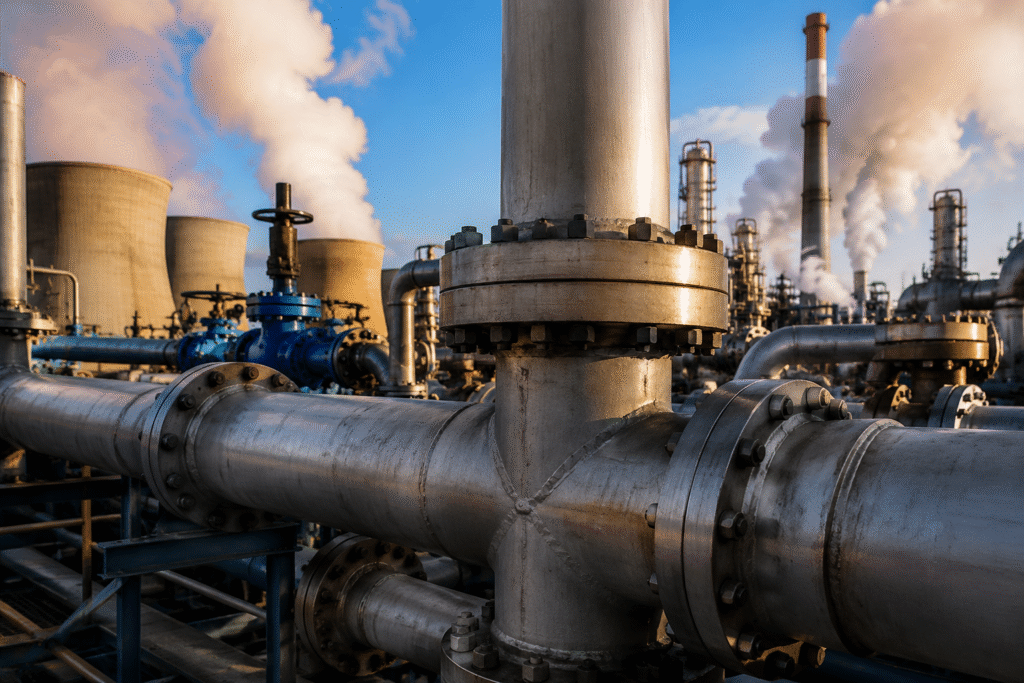
ステンレス鋼管フランジ市場洞察: 7 隠れた利点, 種類, 用途と ASME B16.5 選択ガイド
の ステンレス鋼管フランジ 現代のプロセス配管において依然として重要なコンポーネントである, 特に信頼性として, 耐食性, 追跡可能なコンプライアンスが調達の優先事項になる. グランドビューリサーチによると (2024), 世界の工業用フランジ市場は次のように評価されました。 $5.8 億で 2023 に達すると予測されています $7.2 10億まで 2030, which shows why buyers are focusing on material performance and lifecycle cost.
EPC請負業者向け, プラントエンジニア, および産業用バイヤー, the most intriguing question is not simply price. It is the hidden advantages, 多用途性, 耐久性, and compliance value that stainless steel flanges deliver across oil and gas, 石油化学, 海洋, 水処理, および発電システム.
世界の需要動向に合わせたステンレス鋼管フランジの調達
Demand for stainless steel flanges continues to rise because industrial operators are replacing short-life carbon steel connections in corrosive and cyclic service. IBISWorldによると (2024), アジア太平洋地域が占める割合は超過 45% 世界のフランジ生産量の, 中国が最大の製造国である.
地域集中が調達戦略にとって重要であること. Buyers increasingly compare factory capability, standard coverage, ドキュメントの品質, and lead time stability before approving a flange vendor.
統計局によると (2024), 石油・ガス産業が約 35% 世界のフランジ消費量の. 結果として, ASME-compliant stainless steel pipe flange products remain highly relevant for upstream gathering lines, 製油所, LNG基地, and offshore modules.
加えて, stricter plant maintenance targets are raising interest in premium grades such as 316L, 904l, 2205, そして 2507. These materials support better resistance to chlorides, 穴あき, 隙間腐食, and stress corrosion cracking in aggressive service.
モルドール情報局によると (2024), industrial piping component demand is being supported by expansion in water infrastructure, エネルギー転換プロジェクト, およびプロセスプラントの近代化. したがって, procurement teams are no longer treating flanges as low-value accessories.
They are evaluating them as engineered pressure-retaining parts that affect uptime, 安全性, および総設置コスト. This is especially true for larger diameters, 高圧クラス, and critical fluid systems.
ASME B16.5 そして ASME B16.47 remain essential references for dimensional interchangeability in steel flanges. その間, ASTM material specifications such as ASTM A182 for forged alloy and stainless flanges guide chemistry, 機械的特性, 熱処理, およびテスト要件.
According to ISO market reporting cited by industry analysts, quality traceability now influences bid selection in a growing share of international projects. Buyers often request EN 10204 3.1 証明書, PMI, 水圧試験の記録, and dimensional inspection reports as standard documentation packages.
This shift creates an advantage for manufacturers with strong systems and broad material coverage. SASA FLANGE, 例えば, supports stainless steel, 炭素鋼, 合金, デュプレックス, ニッケル合金, and titanium flange supply for projects that require both standard and custom execution.
と ISO 9001:2015 および PED 2014/68/EU 認証, SASA FLANGE aligns well with international project documentation needs. さらに, その会社は石油を供給しています & ガス, 石油化学, 発電, 造船 & 海兵隊, 水処理, and Construction markets from its Shanghai manufacturing base.
The hidden advantages of a properly specified stainless steel pipe flange often appear after commissioning. Lower maintenance frequency, stronger sealing reliability, and reduced unplanned shutdown exposure can offset a higher initial purchase price.
ジェームズ・ポーター役, 上級配管エンジニア, 州: “In corrosive service, the cheapest flange on day one is rarely the lowest-cost flange over a ten-year operating cycle.” That observation reflects how experienced buyers evaluate durability and lifecycle economics rather than unit price alone.
Technical Advantages, ステンレス製フランジの種類, および材料選択ロジック
The versatility of stainless steel flanges begins with material grade selection. その間 304 and 304L remain common for general industrial service, 316 and 316L provide improved resistance in chloride-bearing environments because of molybdenum addition.
For more severe media, engineers frequently move to 904L, デュプレックス 2205, スーパーデュプレックス 2507, またはインコネルなどのニッケル合金, モネル, そしてハステロイ. したがって, the right choice depends on pressure, 温度, 塩化物濃度, プロセス化学, および製造方法.
According to ASTM and ASME design practices, forged flanges are preferred for pressure boundary integrity in many critical applications (ASTM, 2024; ASME, 2024). これが理由です ASTM A182 forged stainless grades remain standard for many ASME B16.5 and B16.47 flange classes.
博士として. Elena Ruiz, 材料科学者, 州: “The best stainless selection is service-specific; 304 works broadly, but chloride exposure, 温度サイクル, and weld condition can quickly justify 316L or duplex.” Her point is especially relevant for marine, 脱塩, および化学システム.
The main stainless steel flange types used in industrial piping include the following:
- 高圧用ウェルドネックフランジ, 高温, そして循環サービス.
- Slip on flanges for lower-pressure lines and easier field fit-up.
- Socket weld flanges for small-bore, 高圧システム.
- Threaded flanges for lines where welding is restricted.
- ライン絶縁用のブラインド フランジ, 点検ポイント, and pressure closure.
- 頻繁に分解が必要なシステム用の重ね継手フランジ.
Each design has different stress distribution behavior, インストール速度, and alignment tolerance. その結果, the three most referenced flange forms in many buyer searches are weld neck, スリップオン, ブラインドフランジ.
When engineers compare 304 対 420 stainless in flange contexts, the answer is usually straightforward. オーステナイト系 304 offers better corrosion resistance and weldability, while martensitic 420 offers higher hardness but is far less common for pressure flange service.
For industrial process lines, 304, 304l, 316, and 316L are much more relevant than 420. In aggressive chloride, 酸っぱい, または沖合の状況, duplex and super duplex often become stronger candidates.
マーケットリサーチの将来によると (2024), demand for corrosion-resistant process components is rising at over 4% annually in sectors linked to water treatment and chemical processing. This trend supports the growing use of higher-alloy stainless steel pipe flange options beyond commodity grades.
Material selection should also consider flange facing, 圧力クラス, and mating component compatibility. 盛り上がった顔, 平らな面, and ring type joint configurations each suit different gasket systems and operating conditions.
Buyers should evaluate these specification points before ordering:
- 標準: ASME B16.5, ASME B16.47, DIN, JIS, ゴスト, EN 1092.
- 材料: 304, 316, 316l, 904l, 2205, 2507, A182 F304/F316, or specialty alloys.
- 圧力定格: クラス 150, 300, 600, 900, 1500, 2500, or PN series.
- サイズ範囲: から 1/2 インチから 60 inch depending on standard and type.
- 対面: RF, FF, RTJ, 舌と溝, or custom machined face.
- テスト: PMI, 寸法検査, 硬度, 水圧試験, 臨死体験, そして EN 10204 3.1.
According to NACE guidance for sour environments, materials must resist sulfide stress cracking and localized attack in applicable service conditions (ネイス, 2024). したがって, a stainless steel pipe flange for offshore or sour gas duty should never be selected by grade name alone.
It should be selected by full process data. 塩化物濃度, pH, 温度, 流速, 固形分含有量, and shutdown cleaning chemistry all influence long-term durability.
SASA FLANGE でフランジを製造します 304, 316, 904l, 2205, 2507 その他のプレミアムグレード, 高度な CNC 加工と包括的な品質テストによってサポートされています。. The company also supplies matching pipe fittings such as elbows, ティー, 減速機, 完全な配管パッケージ用のキャップ.
That integrated supply capability helps procurement managers reduce vendor fragmentation. It also supports dimensional consistency and documentation alignment across flanges and fittings in the same package.
According to DNV recommendations for offshore assets, component reliability and traceability are central to lifecycle integrity programs (DNV, 2024). 実際に, that means flange selection must balance immediate availability with long-term service assurance.
ASME, ASTM, ステンレス鋼フランジの DIN および EN 準拠
Compliance is one of the strongest differentiators in industrial flange sourcing. ステンレス鋼管フランジは寸法を満たさなければなりません, 材料, マーキング, テスト, and documentation requirements before it can be accepted for regulated or critical service.
ASME B16.5 NPS のパイプ フランジとフランジ付き継手をカバーします 1/2 を通して 24 からのプレッシャークラスで 150 に 2500. ASME B16.47 より大きな直径までカバー範囲を拡大, 一般的にNPS 26 を通して 60, making it essential for major transmission, 水, and process projects.
ASTM A182 is the most cited material standard for forged or rolled alloy and stainless steel pipe flanges, 鍛造継手, および高温用バルブ. 対照的に, ASTM A240 is associated more closely with plate products, so buyers should verify whether a flange is truly forged, plate-cut, or fabricated.
European buyers also reference EN 1092 for dimensional and pressure framework requirements. In many export projects, DIN and EN markings remain important alongside ASME dimensions.
主要な規格とコンプライアンスの参考資料には次のものがあります。:
- ASME B16.5 for standard steel flanges to NPS 24.
- ASME B16.47 for large diameter flanges to NPS 60.
- ASME B16.9 for butt weld fittings used with flange-connected systems.
- ASTM A182 鍛造ステンレスおよび合金フランジ材料用.
- EN 1092 ヨーロッパのフランジ寸法と圧力指定に対応.
- PED 2014/68/EU for pressure equipment compliance in EU markets.
- ISO 9001:2015 品質マネジメントシステム向け.
- NACE MR0175 where sour service material resistance is required.
According to the Pressure Equipment Directive framework, traceability and conformity assessment are mandatory for covered pressure components in applicable EU projects (PED, 2014/68/欧州連合). したがって, documentation quality can be as important as the flange itself.
Engineers should also distinguish between compliance by design and compliance by evidence. A drawing may match ASME dimensions, yet project approval still depends on MTCs, 熱数トレーサビリティ, PMI結果, そして検査記録.
For buyers comparing standards, this simplified view is helpful:
- ASME B16.5: best for globally recognized process piping, 製油所, and plant applications.
- ASME B16.47: best for large diameter pipeline and utility flange systems.
- DIN と EN 1092: best for European equipment integration and metric project requirements.
- ASTM A182: best for verifying forged stainless material compliance.
Authoritative standard details can be reviewed directly at ASME. This external reference is valuable when buyers need dimensional verification for design review, QA planning, or supplier qualification.
と ISO 9001:2015, PED 2014/68/EU, とAD 2000 資格, SASA FLANGE supports projects that require auditable quality systems and export-ready documentation. 加えて, the company can provide EN 10204 3.1 certification and project-specific testing based on technical agreements.
That matters in sectors where shutdown costs are significant. According to industry maintenance benchmarks cited by analysts, even short unplanned outages can cost large process plants tens of thousands of dollars per hour, which elevates the importance of dependable flange quality.
The most intriguing hidden advantage of a compliant stainless steel pipe flange is risk reduction. Fewer dimensional mismatches, better gasket seating, and stronger material traceability can simplify site installation and reduce costly NCRs.
油用ステンレス鋼管フランジの種類の選び方, ガス, 化学薬品, Power and Marine Service
Application-based selection is the fastest route to correct specification. Although many buyers start with size and price, experienced engineers begin with process conditions and failure mode analysis.
石油とガスにおいて, weld neck flanges are common for high pressure and cyclic temperature service. 統計局によると (2024), oil and gas uses approximately 35% グローバルフランジ出力の, which explains why pressure class, 靭性, and traceability dominate project specifications.
石油化学・化学プラント向け, corrosion resistance usually leads the decision tree. 316L often works for moderate chloride exposure, 一方904L, 2205, または 2507 are evaluated when pitting resistance and chloride stress corrosion become concerns.
Power generation systems may prioritize temperature resistance, pressure retention, and fatigue performance. In these conditions, フランジタイプ, ガスケットの設計, bolting system, and thermal expansion behavior must be reviewed together.
Marine and shipbuilding applications bring additional salt exposure and maintenance constraints. したがって, duplex stainless and carefully verified surface finish can become more attractive than lower-cost alternatives.
Use this practical selection framework:
- 厳しい圧力に耐えるにはウェルドネックフランジを選択してください, 振動, および熱サイクル.
- Choose slip on flanges for easier alignment in lower-pressure utility and water lines.
- Choose blind flanges for inspection points, test ends, そして今後の提携も.
- Choose threaded flanges where hot work restrictions apply.
- Choose duplex or super duplex for offshore, 海水, and chloride-rich service.
- Choose 316L over 304L when better chloride resistance is needed.
Buyers also ask about common sizes such as 2 inch and 4 インチステンレス鋼管フランジ製品. Those sizes are standard across many process lines, but final compatibility still depends on schedule, ボア, 直面している, 圧力クラス.
Price should be assessed against total value. A stainless steel pipe flange price varies with grade, 鍛造ルート, 加工の複雑さ, 認定レベル, そして注文量.
ロバート・チェン役, 産業調達アナリスト, 州: “The most expensive flange is the one that delays startup because documents, 寸法, or metallurgy fail at inspection.” That quote highlights why approved vendor performance matters in B2B purchasing.
エンジニアリングされたプロジェクトの場合, buyers should request these commercial and technical details:
- Material grade and equivalent standard designation.
- フランジタイプ, 直面している, サイズ, 圧力クラス.
- 適用規格など ASME B16.5 またはB16.47.
- Quantity split by heat number or production batch.
- 必要な証明書, テスト, およびマーキング形式.
- リードタイム, packing method, and export destination.
高度な CNC 加工と包括的な品質テストに裏付けられています, SASA FLANGE からのカスタムサイズを提供します 1/2 インチから 60 競争力のある工場直販価格のインチ. The company also supports OEM and project-based manufacturing for standard and non-standard flange requirements.
That flexibility is relevant for buyers needing metric DIN flanges, ASME クラス, special facing tolerances, or corrosion-resistant alloys in one package. It also supports contractors managing mixed-standard projects across regions.
今後の展望, Procurement Strategy and Long-Term Value
The future outlook for stainless steel flanges remains positive because industries are investing in reliability, 水インフラ, cleaner fuels, and corrosion-resistant process systems. グランドビューリサーチによると (2024), 市場は~から成長すると予想される $5.8 億で 2023 に $7.2 10億まで 2030.
並行して, buyers are demanding more digital traceability, tighter QA records, and faster response from flange manufacturers. したがって, supplier evaluation is moving beyond catalog breadth toward process capability and documentation discipline.
IBISWorldによると (2024), 中国は依然として地域内で最大の製造拠点であり、 45% 世界生産量の. This gives buyers access to scale, but it also makes supplier qualification essential for consistent quality.
A strong sourcing strategy should include approved standards, target grades, documentation rules, and inspection checkpoints before RFQ release. That approach shortens review cycles and reduces back-and-forth during order execution.
Practical recommendations for procurement teams include:
- Standardize approved materials by service environment, not by habit alone.
- 特定 ASME B16.5, B16.47, ASTM A182, またはEN 1092 clearly on every RFQ.
- リクエスト EN 10204 3.1, PMI, and dimensional reports for critical lines.
- Compare lifecycle durability, ステンレス鋼管フランジの初期価格だけでなく.
- Consolidate flanges and fittings with one qualified supplier where possible.
The hidden advantages of the right stainless steel pipe flange include longer service life, fewer maintenance interventions, and smoother audits. さらに, proper material and standard selection strengthens plant safety and reduces operating risk.
認定製造が必要なプロジェクト向け, カスタムディメンション, または混合材料パッケージ, buyers can streamline technical review by discussing requirements early with SASA FLANGE. 給仕 50+ 石油を巡る国々 & ガス, 石油化学, 力, 海洋産業, the company supports practical, data-driven sourcing decisions.
よくある質問
ステンレス鋼フランジにはどのような種類がありますか?
●最も一般的なステンレス鋼フランジのタイプは溶接ネックです。, スリップオン, 盲目, ソケット溶接, ねじ切りされた, そしてラップジョイント, そして ASME B16.5 covers many of these designs up to NPS 24.
●ASMEによると (2024), correct flange type selection affects alignment, 応力分布, and sealing integrity in pressure piping systems.
●Weld neck flanges suit high-pressure and high-temperature service because their tapered hub improves load transfer into the pipe wall.
●Slip on flanges are easier to align and often cost less to install, which makes them popular for lower-pressure utility and process lines.
●For projects requiring mixed flange types, documented material traceability, and sizes from 1/2 インチから 60 インチ, のような確立されたメーカーと協力する SASA FLANGE helps ensure specification accuracy.
どちらが良いですか 304 または 420 ステンレス鋼?
●ほとんどの工業用フランジ用途に対応, 304 stainless steel is better than 420 because it offers stronger corrosion resistance and much better weldability.
●博士として. Elena Ruiz, 材料科学者, 州: “Austenitic stainless grades such as 304 outperform 420 in most welded process piping environments where corrosion is the real failure driver.”
●学年 420 マルテンサイト系ステンレス鋼で硬度が高い, but it is not the usual choice for ASME B16.5 forged process flanges because it is less suitable for corrosive service.
●実務的には, buyers usually compare 304 対 316 or 316L rather than 304 対 420 when specifying stainless steel pipe flange products for water, 化学薬品, 食べ物, or utility systems.
●塩化物暴露の場合, オフショアサービス, or stronger documentation requirements, it is wise to review 316L, 2205, または 2507 options with SASA FLANGE before final purchase.
3種類のフランジとは何ですか?
●The three flange types most commonly referenced in industrial buying are weld neck, スリップオン, ブラインドフランジ.
●According to procurement trends across oil and gas and process industries, these three designs cover a large share of standard maintenance and capital project demand.
●Weld neck flanges are selected for severe service, slip on flanges are chosen for easier installation in moderate duty, and blind flanges are used to close line ends or create inspection points.
●Although these are the three most familiar types, engineers also use socket weld, ねじ切りされた, and lap joint flanges where small-bore pressure, hot-work restrictions, or dismantling frequency dictate another design.
●確実な選択のために, 購入者はフランジのタイプと圧力クラスを一致させる必要があります, 温度, メディア, そして次のような標準 ASME B16.5 または ASME B16.47 before ordering.
ステンレス鋼の産業用途は何ですか?
●Stainless steel is widely used in oil and gas, 石油化学, 海洋, 発電, 水処理, 製薬, and food processing applications because it combines corrosion resistance with mechanical strength.
●統計局によると (2024), oil and gas alone accounts for approximately 35% 世界のフランジ消費量の, which shows how important stainless and alloy components are in critical piping systems.
●In piping projects, stainless steel supports flanges, 肘, ティー, 減速機, キャップ, タンク, 熱交換器, pump components, and structural hardware exposed to moisture, 化学薬品, or elevated temperature.
●などのグレード 304 そして 316 fit general industrial service, 一方904L, デュプレックス 2205, そしてスーパーデュプレックス 2507 are considered for more aggressive media and chloride-rich environments.
●When applications require verified certificates, pressure-component compliance, そしてカスタム加工, sourcing from qualified industrial suppliers like SASA FLANGE reduces technical and commercial risk.
ステンレス鋼スリップオンフランジの選択について購入者が知っておくべきこと?
●A stainless steel slip on flange is typically chosen for lower-pressure service where easy fit-up and faster installation are more important than the highest fatigue strength.
●によると ASME B16.5, slip on flanges are standardized by size, 圧力クラス, そして直面している, but proper bore match and weld procedure remain essential for performance.
●隅肉溶接前にパイプがフランジに滑り込むため, installation can be simpler than with weld neck designs, especially in utility, 水, and non-severe process lines.
●しかし, engineers generally prefer weld neck flanges for cyclic, vibration-prone, or high-pressure systems because stress distribution is superior.
●For projects involving 2 インチ, 4 インチ, or custom stainless steel slip on flange requirements in 304, 316, またはデュプレックスグレード, buyers should confirm dimensions, スケジュール, and documentation before issuing a PO.
How do I evaluate flange manufacturers and choose the right flange vendor?
●The best flange manufacturers combine standard compliance, 材料のトレーサビリティ, 加工品質, 検査能力, and export documentation rather than competing on price alone.
●グランドビューリサーチによると (2024), 世界の工業用フランジ市場に到達 $5.8 億で 2023, which means buyers have many sourcing options and must use clear qualification criteria.
●A strong flange vendor should demonstrate experience with ASME B16.5, ASME B16.47, ASTM A182, EN 1092, and project documentation such as EN 10204 3.1 PMIレポートと.
●Buyers should also verify actual manufacturing capability, サイズ範囲, 圧力クラス, supported materials, lead time control, and responsiveness during technical clarification.
●For API-related projects, large-diameter orders, or corrosion-resistant stainless steel pipe flange packages, selecting a supplier with ISO 9001:2015 and PED-certified systems can improve inspection acceptance and delivery confidence.
関連投稿

オリフィスフランジの定義, 詳細と ASME B16.36 フランジの概要: 市場データ, 選択ガイドとコンプライアンスに関する洞察
世界の工業用フランジ市場は次のように評価されました。 $5.8 十億…

ブラックディスポフランジ市場ガイド: 材料, 3.5″ 互換性, キッチン シンク フランジの B2B 調達データ
キッチン設備の購入者として黒色の使い捨てフランジの需要が高まっています…