
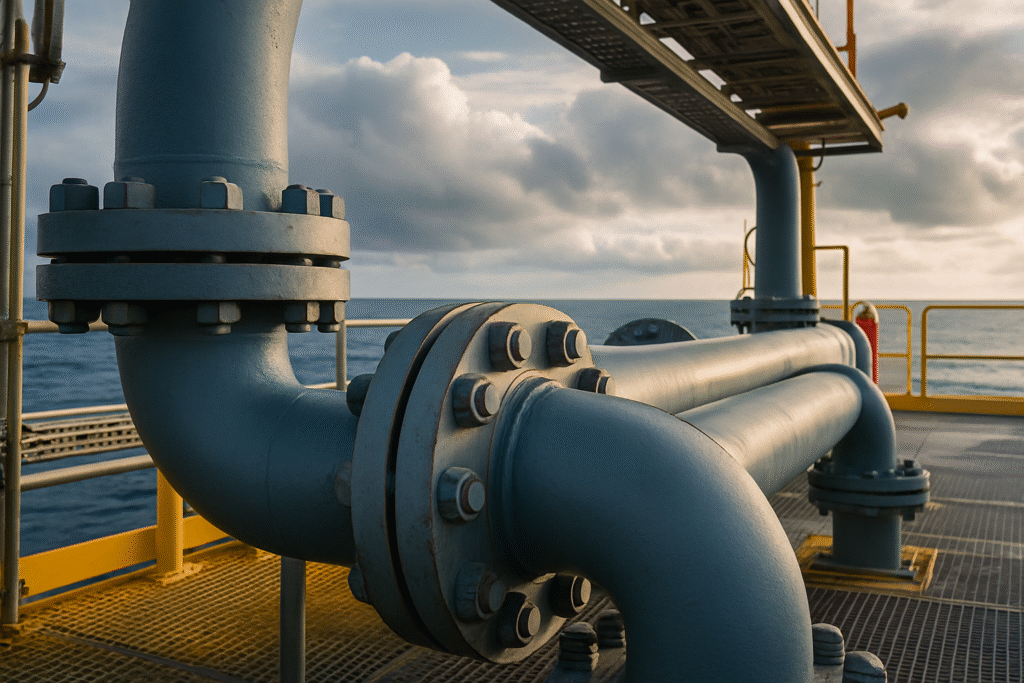
벽 플랜지 시장 가이드: 2024 데이터, 표준, 크기, 산업바이어 선정기준 및 선정기준
그랜드뷰 리서치에 따르면 (2024), 전 세계 산업용 플랜지 시장의 가치는 다음과 같습니다. $5.8 10억 2023 도달할 것으로 예상됩니다. $7.2 10억 단위로 2030. That growth matters for every buyer evaluating a wall flange because specification accuracy, 내식성, and compliance now drive both lifecycle cost and project reliability.
In B2B projects, a wall flange is more than a decorative cover. It is a functional interface component used around pipe penetrations, Stainless Steel tubing runs, 위생 라인, 유틸리티 연결, and architectural service points where appearance, protection, and fit must align.
조달팀용, the challenge is not finding a generic Flange. The challenge is selecting a Wall Flange (WF) that matches pipe OD, 재료 등급, finish requirement, 설치 환경, and applicable standards without creating rework later.
Industrial Demand Trends Shaping Wall Flange Procurement
IBISWorld에 따르면 (2024), 아시아 태평양 계정은 이상입니다. 45% 글로벌 플랜지 생산량의, 중국이 가장 큰 제조사이기 때문에. 그러므로, sourcing strategy increasingly depends on finding qualified suppliers with stable metallurgy, machining control, 및 수출 문서.
스태티스타에 따르면 (2024), 석유 및 가스 산업은 대략적으로 35% 글로벌 플랜지 소비량. Although a wall flange is often a lighter-duty component than a pressure-retaining neck or blind flange, buyers in energy and petrochemical facilities still expect similar discipline in material traceability and dimensional consistency.
That expectation has expanded into sanitary and architectural process environments. In food plants, pharmaceutical utilities, 수처리 시스템, and marine accommodation areas, wall flange covers help protect penetrations, improve cleanability, and create a finished transition between piping and Wall or Floor surfaces.
Many buyers start with simple descriptors such as Stainless, 강철, 평평한, Satin, 단단한, or Optional split construction. 하지만, actual purchasing decisions should also consider tube OD tolerance, fit-up around Tubing, resistance to washdown chemistry, and compatibility with adjacent clamps, sleeves, or escutcheon details.
As Mordor Intelligence (2024) 메모, industrial component purchasing is shifting toward total cost evaluation rather than unit price alone. 결과적으로, a lower-cost wall flange with poor Flat seating or inconsistent bore sizing can increase installation labor by 10% 에게 20% in multi-line retrofit projects.
실용적인 측면에서, that means buyers should verify more than catalog dimensions. They should also review material certificates, surface finish expectations, weld proximity allowances, and whether the product is intended for purely cosmetic coverage or for a more Solid protective interface.
SASA FLANGE serves this need by supplying industrial flanges and pipe components in stainless steel, 탄소강, 합금강, and specialty grades for buyers across Oil & 가스, 석유화학, 힘, 선박, 및 수처리 분야. 와 함께 ISO 9001:2015 및 PED 2014/68/EU 인증, the company supports projects that demand documented quality and international supply capability.
For buyers comparing imported options, consistency matters more than marketing language such as Lavi, Kreo, or Carr style references sometimes seen in commercial search behavior. A wall flange for industrial use should be selected by OD, 두께, 마치다, 환경, and standard relevance, not by vague retail naming alone.
고급 CNC 가공 및 포괄적인 품질 테스트를 통해 뒷받침됨, SASA FLANGE also supports custom sizes from 1/2 인치에서 60 inches across broader flange programs. That capability is useful when project teams need matching accessories or non-standard dimensions that align with piping packages.
Wall Flange Design, 재료, 및 기술 선택 요소
A wall flange is typically a ring-shaped cover plate designed to fit around a pipe, 튜브, or sleeve at a Wall or Floor penetration. In many installations, it improves appearance, reduces exposure at the penetration edge, and helps protect surrounding finishes from dirt accumulation or minor splash.
박사로서. Michael Trent, 재료 엔지니어, 주: “Even a non-pressure component like a wall flange should be selected with the same rigor as adjacent piping hardware because corrosion, finish degradation, and dimensional mismatch often begin at interfaces.” That guidance is especially relevant in sanitary, 연안, and chemical settings.
Most industrial buyers evaluate wall flange products in Stainless Steel because of corrosion resistance and cleaning performance. 일반적인 등급은 다음과 같습니다 304 for general service and 316 or 316L for chloride-prone or more aggressive washdown environments.
시장 조사 미래에 따르면 (2024), stainless steel components continue to gain share in process industries due to durability, hygiene performance, and lower long-term maintenance demand. 추가적으로, maintenance studies cited by plant operators show corrosion-related replacement costs can rise by more than 15% when low-grade trim components are specified in wet service.
For specification purposes, engineers usually review the following technical variables:
- Material grade such as 304, 316, 316엘, 904엘, 2205, 또는 2507.
- Tube or pipe OD compatibility, including common Wall Flange sizes from 1 인치에서 4 inches and beyond.
- 두께, often listed in gauge or millimeters for Flat plate construction.
- Surface finish such as mill, polished, brushed, or Satin.
- Construction style, including Solid one-piece or split Optional designs for retrofit installation.
- Application zone, including hygienic wall covers, marine cabin penetrations, or utility chases.
In commercial search behavior, buyers may also look for terms such as Wall Flange for pipe, wall flange installation, 또는 1 inch Flange PVC. 하지만, industrial procurement should distinguish between plastic plumbing trim and metal sanitary or process-grade wall flanges intended for Stainless Tubing systems.
Dimensional fit is critical. A wall flange that is too tight may scratch the pipe during installation, while one that is too loose may expose the opening and reduce visual quality.
Typical dimensional review points include:
- Inside diameter versus actual pipe or tube outside diameter.
- Outside diameter of the cover plate for visual coverage.
- Plate thickness and rigidity for Flat seating against the surface.
- Edge radius and finish quality for cleanability.
- Split-line tolerance if an Optional two-piece design is required.
존 라미레즈로서, 수석 배관 엔지니어, 주: “Installers notice wall flange quality immediately because poor tolerances lead to rocking, gaps, or visible eccentricity around the pipe.” 그러므로, dimensional discipline is not cosmetic alone; it directly affects labor efficiency.
에 따르면 2024 industrial fabrication benchmark cited by IBISWorld, CNC-controlled finishing can reduce dimensional variation in repetitive metal components by up to 12% compared with lower-control manual finishing environments. That is one reason buyers increasingly favor manufacturers with stable machining and inspection workflows.
SASA FLANGE 플랜지 및 피팅을 제조합니다. 304, 316, 904엘, 2205, 2507, A105, A182, 인코넬, 모넬, 하스텔로이, and Titanium for demanding service conditions. While wall flange requirements are often simpler than pressure flange programs, access to broader metallurgical capability helps multinational buyers standardize suppliers across multiple item classes.
In project specifications, buyers should also clarify whether the wall flange is meant for sanitary trim, equipment penetration cover, architectural finishing, or light-duty shielding. A generic term like WF may appear simple, but the right choice depends on process exposure, 청소 방법, 및 예상 서비스 수명.
If the wall penetration is near high-moisture zones or chemical cleaning areas, 316L is often preferred over 304. If the installation is mostly dry and cost-sensitive, 304 Stainless Steel may provide the best balance of appearance and value.
For engineered projects, it is also wise to confirm whether the item will be used on a Wall, ceiling, cabinet, skid panel, or Floor transition. Floor applications may require thicker, more Solid construction because impact and washdown loads are usually higher.
Wall Flange Standards, 인증, and Compliance Considerations
Unlike pressure-retaining weld neck or blind flanges, a wall flange usually does not fall directly under a pressure class such as ASME B16.5. 하지만, the broader piping system around it often does, so buyers should align accessory selection with the project’s overall quality and documentation framework.
Relevant references include ASME B16.5 for pipe flange dimensions, ANSI B16.47 for large diameter flanges, ASME B16.9 맞대기 용접 피팅의 경우, ASTM 재료 표준, DIN dimensions, 그리고 EN 1092 for European flange systems. These standards provide context for consistency even when the wall flange itself functions mainly as a cover or trim component.
Material compliance is particularly important when a wall flange is supplied with sanitary or corrosion-resistant piping packages. Common reference points include ASTM A240 for stainless plate, ASTM A182 for forged stainless components, and EN material documentation practices such as EN 10204 3.1 인증서.
In corrosive services, NACE MR0175 and ISO corrosion guidance may also influence grade selection. This is especially true in Oil & 가스, 난바다 쪽으로 부는, and sour service environments where adjacent components must resist chloride attack, sulfide stress, or aggressive cleaning chemistry.
Procurement teams should ask suppliers the following compliance questions before placing an order:
- What base material standard applies to the plate or forged stock?
- Can the supplier provide EN 10204 3.1 테스트 인증서?
- Is the finish mechanically polished, Satin, or electropolished?
- Are dimensions verified by calibrated inspection equipment?
- Does the supplier operate under ISO 9001:2015 품질 관리?
- Are PED 2014/68/EU or AD 2000 documents available where relevant to the package?
According to ISO quality management data cited in industrial procurement reviews (ISO, 2024), controlled documentation systems reduce non-conformance recurrence by improving traceability and corrective action discipline. 그러므로, even simple accessories benefit from structured supplier quality systems.
A practical comparison for wall flange buyers is shown below:
- 304 스테인레스 스틸: 좋은 일반 내식성, lower cost, widely used indoors.
- 316/316L 스테인레스 스틸: better chloride resistance, preferred for marine and washdown areas.
- 듀플렉스 2205 또는 2507: higher strength and improved corrosion performance for harsh industrial environments.
- 탄소강: cost-effective for coated or dry applications, but less suitable for visible wet areas.
와 함께 ISO 9001:2015 및 PED 2014/68/EU 인증, SASA FLANGE supports buyers who need more than commodity supply. The company also provides flanges and fittings to 50+ 국가, which is important for EPC firms seeking consistent export packing, paperwork, and technical communication.
추가적으로, standards alignment improves installation outcomes. If wall flange dimensions are coordinated with pipe OD, clamp assemblies, and nearby flange ratings, field teams avoid mismatched trim, offset cover plates, and unnecessary site modifications.
다국적 프로젝트의 경우, DIN and EN references may be specified alongside ASME conventions. 그러므로, buyers should confirm whether dimensions are based on inch-series Tubing, metric tube, or nominal pipe size conventions before approving drawings.
석유 응용 가이드 & 가스, Sanitary, 힘, and Marine Installations
Application context should drive wall flange selection. A decorative cover in a dry mechanical room does not need the same metallurgy or finish as a hygienic penetration cover in a wet processing area.
기름에 & Gas facilities, wall flanges are often used around instrument lines, sample tubing, utility penetrations, and architectural pipe pass-throughs. Because the oil and gas industry accounts for approximately 35% 글로벌 플랜지 소비량 (정치가, 2024), accessory standardization is increasingly common across large asset portfolios.
In sanitary and food processing facilities, a Stainless Steel wall flange helps create a cleaner transition around Tubing or pipe penetrations. Smooth surfaces and Satin or polished finishes are generally preferred because they are easier to wipe down and present better visual control in hygienic spaces.
발전소에서, wall flanges frequently serve around service piping, drain lines, and enclosure penetrations. Although these parts are not usually pressure-critical, they improve maintenance access and produce a more finished installation in high-visibility equipment zones.
Marine and shipbuilding applications impose different demands. Salt-laden air, frequent cleaning, and confined service areas make 316L or higher grades more attractive than 304 in many exposed locations.
실용적인 선택을 위해, engineers should review these criteria:
- 환경: indoor dry, wet washdown, 난바다 쪽으로 부는, 화학적인, or exterior exposure.
- 재료: 304, 316엘, 듀플렉스, or other grade based on corrosion risk.
- 마치다: polished, Satin, or mill finish depending on cleanability and appearance.
- 건설: Solid one-piece for new build, Optional split design for retrofit work.
- 치수: pipe OD, wall opening size, and required outside coverage diameter.
- 선적 서류 비치: 선교사 훈련원, EN 10204 3.1, 검사 보고서, and packing requirements.
Wall flange installation also deserves planning. If the pipe is already fixed in place, a split flange design often reduces labor because installers do not need to disconnect the line.
하지만, split designs should be evaluated carefully. Poorly made split units may show visible gaps, 정렬 불량, or weak closure fit, especially in premium architectural or sanitary settings.
As Lisa Chen, Industrial Procurement Analyst, 주: “Buyers save money when they define finish, 공차, and documentation before ordering, because accessories are often where hidden installation costs emerge.” That point is especially true on retrofit jobs.
SASA FLANGE supports custom manufacturing for industrial flanges and pipe fittings, 팔꿈치를 포함하여, 티셔츠, 감속기, 그리고 모자, which helps procurement teams consolidate sourcing. For buyers needing coordinated documentation and custom dimensions, SASA FLANGE can support inquiry-based manufacturing aligned with broader project requirements.
Serving Oil & 가스, 석유화학, 발전, 조선 & 선박, 수처리, 및 건설 부문, the company is positioned for mixed-package supply. That matters when a buyer wants one qualified source for both decorative accessories and critical piping components.
When reviewing quotes, ask whether pricing includes machining, 세련, 패시베이션, 인증서, and export packaging. A low quote can become expensive if the finish is inconsistent or if the wall flange arrives without the paperwork needed for site approval.
Future Outlook and Strategic Buying Recommendations for Wall Flange Projects
The wall flange category may seem niche, yet it sits inside a much larger industrial supply trend. 그랜드뷰 리서치에 따르면 (2024), the broader industrial flange market is expected to grow from $5.8 10억 2023 에게 $7.2 10억 단위로 2030, indicating sustained capital activity across process industries.
That growth will likely increase demand for better accessory standardization. Buyers want fewer vendor gaps, faster lead-time visibility, and product data that is clear enough for both engineers and maintenance teams.
One lesson from many competitor product pages is that incomplete information creates risk. If thickness, 마치다, 재료 등급, and actual application scope are unclear, teams may purchase a wall flange that covers the opening visually but fails to meet durability or documentation requirements.
그러므로, strategic buyers should build a simple qualification checklist:
- Confirm exact OD, ID, and outside diameter coverage.
- 지정하다 304, 316, or another grade instead of asking for generic Stainless.
- Define finish clearly, such as Satin, polished, or passivated.
- Clarify whether a Solid or Optional split design is needed.
- Request certificates, 검사 보고서, and dimensional drawings.
- Align the part with the site’s ASME, ASTM, DIN, or EN framework.
추가적으로, do not overlook application-specific vocabulary in procurement files. Search terms such as Wall, 플랜지, WF, 평평한, 바닥, Kreo, Lavi, or Carr may appear in buyer queries, but technical purchase orders should always translate those terms into verifiable dimensions and material requirements.
글로벌 바이어를 위한, supplier responsiveness is now part of quality. According to industrial sourcing surveys summarized by Mordor Intelligence (2024), delayed technical clarification remains one of the top causes of order conversion loss in engineered component procurement.
That is why many buyers prefer manufacturers that can answer both commercial and technical questions quickly. For projects requiring certified supply, 맞춤 측정기준, and factory-direct support, SASA FLANGE offers a practical route to discuss wall flange needs within a broader flange and fittings sourcing program.
Buyers can also review the company’s broader capabilities at https://sasaflange.com/products/ 그리고 회사 배경 https://sasaflange.com/about-us/. In a market where specification gaps often cause expensive field corrections, selecting a partner with technical depth is often the most cost-effective decision.
자주 묻는 질문
What is a wall flange used for?
●A wall flange is used to cover and finish the opening where a pipe or tube passes through a wall, cabinet, panel, or floor while improving appearance and protecting the penetration edge.
●그랜드뷰 리서치에 따르면 (2024), 산업용 플랜지 시장 진출 $5.8 10억 2023, which shows how even small piping accessories now benefit from tighter specification and procurement control.
●산업 환경에서, a wall flange does not usually hold pressure like an ASME B16.5 플랜지, but it still supports hygiene, visual quality, and maintenance access around Stainless Steel tubing and utility penetrations.
●It is commonly used in sanitary processing lines, mechanical rooms, marine accommodation spaces, and utility corridors where exposed wall openings would otherwise collect dirt or leave an unfinished look.
●For projects requiring documented material grades, 치수 정확도, and custom sizing, 다음과 같은 기존 제조업체와 협력 SASA FLANGE helps ensure the selected wall flange fits the actual service condition.
What is the purpose of a flange?
●The purpose of a flange is to create a connection interface, alignment surface, or transition point between pipes, 밸브, 장비, or structural penetrations depending on the design function.
●ASME B16.5 defines key dimensional practices for many pressure-retaining pipe flanges, while a wall flange serves a non-pressure role by covering, protecting, and visually finishing a pipe penetration.
●스태티스타에 따르면 (2024), 석유와 가스는 대략적으로 35% 글로벌 플랜지 소비량, which highlights how important flange-related hardware remains across industrial systems.
●실용적인 측면에서, the right flange improves assembly control, 서비스 가능성, and system consistency, whether the component is a weld neck flange, 블라인드 플랜지, or a simple Stainless Steel wall flange cover.
●For buyers managing multi-item piping packages, it is best to specify material, standard reference, 마치다, and exact dimensions before ordering from qualified suppliers such as SASA FLANGE.
How far does a toilet flange need to be away from a wall?
●A standard toilet flange is typically positioned so the centerline sits about 12 inches from the finished wall, although 10-inch and 14-inch rough-ins are also used in some building layouts.
●This dimension applies to plumbing fixture installation rather than industrial wall flange selection, so buyers should not confuse sanitary piping wall flanges with closet flanges used under toilets.
●Because many online searches mix residential plumbing and industrial hardware, specifiers should always confirm whether they need a floor-mounted closet flange, a decorative wall cover, or an ASME piping flange.
●In facility projects, accurate dimensional review prevents rework, and even a small offset can create fit-up problems around tile, wall panels, or exposed Stainless tubing penetrations.
●When industrial buyers need custom penetration covers for non-standard layouts, suppliers with custom machining capability such as SASA FLANGE can provide dimensions aligned with actual field conditions.
What does a flange look like?
●A flange usually looks like a round, 정사각형, or shaped component with a central opening and a surrounding face, rim, or plate that interfaces with another part or covers a penetration.
●A wall flange specifically is often a Flat ring or cover plate in Stainless Steel with a polished or Satin finish, and it may be made as a Solid one-piece or an Optional split design.
●IBISWorld에 따르면 (2024), 아시아 태평양 지역은 45% 글로벌 플랜지 출력의, which means buyers can find many visual styles, but appearance should always be checked against dimensions and finish quality.
●Pressure flanges often include bolt holes and raised faces, while wall flanges for pipe or tubing generally resemble trim plates or escutcheon-style covers without pressure-sealing features.
●For industrial projects, request drawings, actual OD and ID measurements, and finish confirmation rather than selecting by photo alone.
What material is best for a wall flange?
●The best material for a wall flange depends on the environment, ~와 함께 304 Stainless Steel suited to many dry or mildly wet areas and 316L preferred for chloride exposure, 해양 서비스, or frequent washdown.
●ASTM material references and EN 10204 3.1 documentation are useful when wall flanges are purchased as part of controlled piping packages that require traceability.
●시장 조사 미래에 따르면 (2024), stainless components continue gaining preference in process sectors because durability and lower maintenance often outweigh the higher initial price.
●Carbon steel can be used in dry, coated, or concealed areas, but it is usually less suitable than Stainless for visible penetrations where corrosion resistance and finish retention matter.
●중요한 프로젝트의 경우, ask the supplier to recommend the grade based on chemical exposure, 청소 방법, and installation location rather than choosing only by upfront cost.
How do you choose the right wall flange size?
●You choose the right wall flange size by matching the inside diameter to the actual pipe or tube outside diameter and then confirming the outside diameter provides enough coverage for the wall opening.
●Many common products are listed by tube OD such as 1 인치, 1.5 인치, 2 인치, 3 인치, 또는 4 인치, but actual fit also depends on tolerance, finish thickness, and whether the design is split or one-piece.
●As Senior Piping Engineer John Ramirez notes, poor tolerance control causes visible gaps and installation delays, which is why dimensional verification is just as important as material selection.
●Buyers should also review plate thickness, Flat seating against the surface, and whether the wall flange will be used on a vertical Wall, sloped panel, or Floor transition.
●For engineered orders, request dimensional drawings and sample approval before volume purchase to reduce field adjustment and installation risk.
관련 게시물

오리피스 플랜지 정의, 세부 정보 및 ASME B16.36 플랜지 개요: 시장 데이터, 선택 가이드 및 규정 준수 통찰력
전 세계 산업용 플랜지 시장의 가치는 다음과 같습니다. $5.8 10억…
