Description
Nickel-chromium-molybdenum-niobium alloy industrial valve
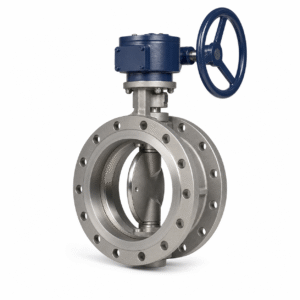
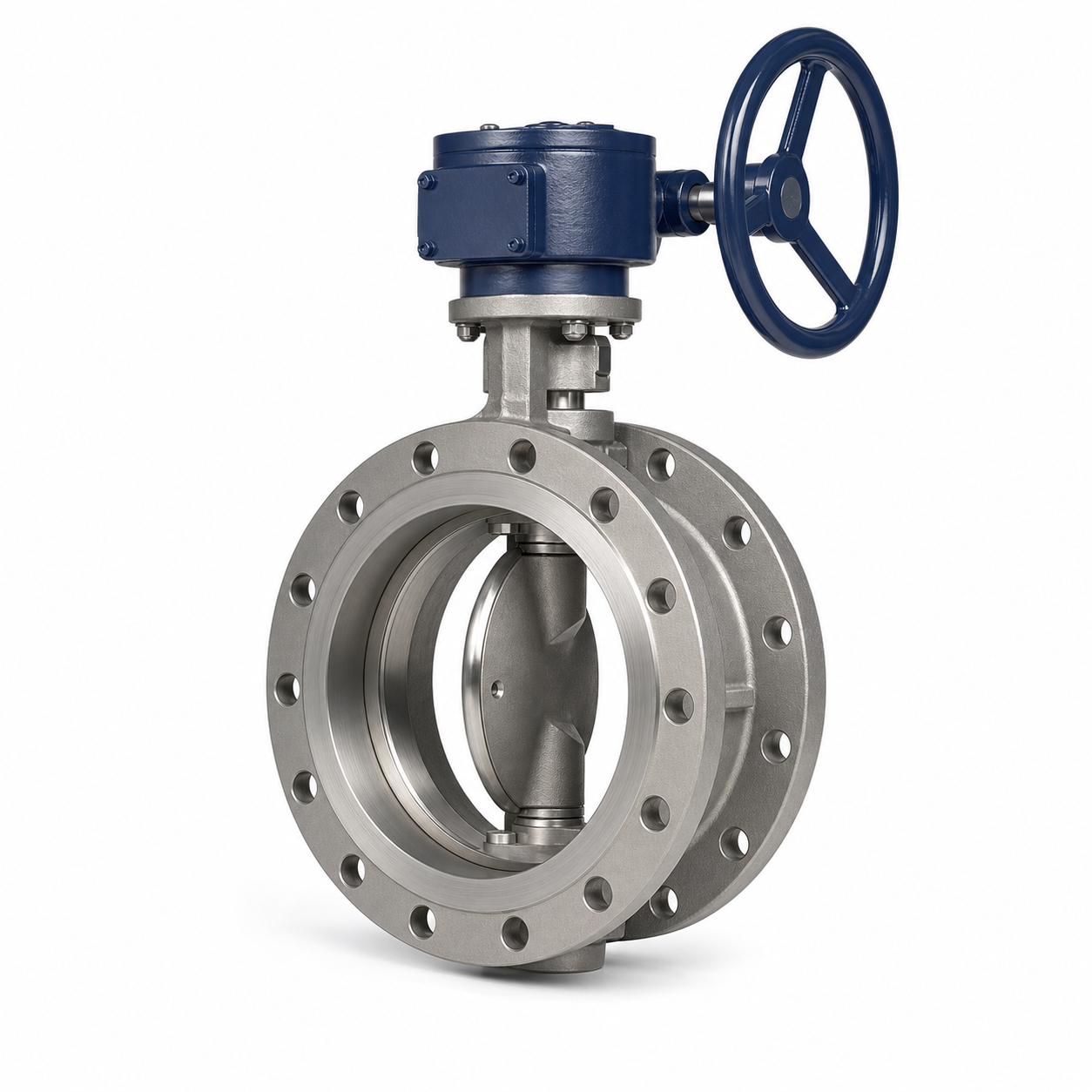
Inconel 625 Triple Offset Butterfly Valve
A high-performance nickel alloy valve material for offshore, seawater, chemical and elevated-temperature systems. The triple offset butterfly valve configuration is engineered for compact high-temperature or severe-service process isolation.
What is a Inconel 625 Triple Offset Butterfly Valve?
A Inconel 625 Triple Offset Butterfly Valve combines a nickel-chromium-molybdenum-niobium alloy combining high strength, fatigue resistance, weldability and broad corrosion resistance with a quarter-turn metal-seated design using three geometric offsets to reduce seat rubbing and support severe-service isolation.
Alloy 625 is often chosen where corrosion resistance and structural strength are both important, but design allowables and product condition must match the code. Seat-stack design, pressure direction, leakage class, shaft loading, thermal cycling and actuator torque are configuration-specific.
Inconel 625 Triple Offset Butterfly Valve specifications
| Product | Inconel 625 Triple Offset Butterfly Valve |
|---|---|
| Valve construction | Triple-eccentric metal-seated butterfly valve in wafer, lug, double-flanged or butt-weld body pattern |
| Nominal material | Inconel 625 |
| UNS / EN reference | UNS N06625; EN 2.4856 |
| Product forms | Wrought/forged ASTM B564 or B462 UNS N06625 as applicable; cast ASTM A494 CW-6MC where approved |
| Design standards | API 609 and ASME B16.34; EN 593 option for applicable European projects |
| Pressure testing | API 598, EN 12266-1 or project-specified shell and seat testing |
| Pressure rating | ASME Class or PN rating verified against exact material, size, construction and design temperature |
| End connections | Wafer, lug, double-flanged or butt-weld body patterns according to design |
| Operation | Gearbox, pneumatic, electric or hydraulic actuator |
| Documentation | EN 10204 3.1 material records, pressure test report, GA drawing and project inspection records as ordered |
This is an engineered inquiry product, not a universal stock specification. Final availability depends on valve size, pressure class, material form, trim, seat system, operator, quantity and required code edition.
Inconel 625 material selection
| Selection point | Engineering guidance |
|---|---|
| Material profile | a nickel-chromium-molybdenum-niobium alloy combining high strength, fatigue resistance, weldability and broad corrosion resistance |
| Why it is selected | Combines mechanical strength with corrosion and fatigue resistance across a broad temperature range. |
| Typical service | Subsea and offshore, seawater injection, chemical processing, marine systems and selected elevated-temperature duties. |
| Limitations to check | Long-term high-temperature exposure, galling, mixed-acid chemistry and galvanic coupling require review. It is not equivalent to C276. |
| Specification route | Wrought/forged ASTM B564 or B462 UNS N06625 as applicable; cast ASTM A494 CW-6MC where approved |
| Verification | PMI for nickel, chromium, molybdenum and niobium, MTC/heat traceability and review of wrought versus cast component grades. |
Triple Offset Butterfly Valve design and standards
API 609
Common design basis for butterfly valves; category, body pattern, seat design and edition must be identified.
ASME B16.34
Pressure-temperature and general valve design requirements where applicable.
API 598 / EN 12266-1
Shell and seat testing selected for the applicable project and market.
API 607 / ISO 10497
Fire-safe qualification applies only to the exact seat, seal and valve configuration.
Seal ring, seat stack, pressure direction, shaft/packing system, bearing loads and actuator safety factor must be reviewed as a complete package.
Fire-safe, fugitive-emission, sour-service, oxygen, cryogenic, chlorine and PED requirements apply only when explicitly defined and supported for the exact offered configuration.
Typical applications
| Industry | Material service context | Valve selection focus |
|---|---|---|
| Offshore and subsea | Seawater injection, subsea production and high-integrity utility systems | Pressure direction, leakage class, metal-seat design, temperature, torque and fire-safe/emissions qualification |
| Marine engineering | Seawater handling and corrosion-resistant equipment systems | Pressure direction, leakage class, metal-seat design, temperature, torque and fire-safe/emissions qualification |
| Chemical processing | Selected corrosive process and transfer services | Pressure direction, leakage class, metal-seat design, temperature, torque and fire-safe/emissions qualification |
| Power and energy | High-performance and elevated-temperature auxiliary systems | Pressure direction, leakage class, metal-seat design, temperature, torque and fire-safe/emissions qualification |
Application examples are not a corrosion or design approval. The end user must verify process chemistry, contaminants, pressure, temperature, velocity, cycling, emissions and regulatory requirements.
Quality, testing and traceability
Heat-number traceability and EN 10204 3.1 records matched to the ordered component specifications.
PMI for nickel, chromium, molybdenum and niobium, MTC/heat traceability and review of wrought versus cast component grades.
API 598, EN 12266-1 or project-specified shell and seat testing, with acceptance and leakage criteria stated on the order.
GA drawing, dimensions, marking, operation, pressure test and specified NDE/third-party records.
RFQ checklist
- Valve design standard and required edition
- Nominal size and ASME Class or PN rating
- Exact material specifications for pressure boundary, trim, seats, packing and bolting
- Body pattern, face-to-face, pressure direction, leakage class, seal-ring design and actuation
- End connection, facing and face-to-face requirement
- Fluid composition, concentration, contaminants and solids
- Design and operating pressure/temperature
- PMI, corrosion testing, NDE, witnessing and document requirements
Frequently asked questions
What gives Inconel 625 its high strength?
Molybdenum and niobium strengthen the nickel-chromium matrix without requiring a conventional age-hardening treatment for many supplied conditions.
Is Inconel 625 the same as Hastelloy C276?
No. Alloy 625 emphasizes a combination of strength, fatigue and corrosion resistance; C276 is especially known for broad resistance in aggressive chemical media.
Which cast grade is associated with Alloy 625 valve bodies?
ASTM A494 CW-6MC is a commonly specified cast nickel alloy associated with Alloy 625 service. The project must approve the exact casting grade and properties.
What are the three offsets?
They separate the shaft from the seat and body centerlines and add a conical sealing geometry, allowing rapid seat disengagement during opening.
Is every triple offset butterfly valve bidirectional?
No. Some designs have a preferred pressure direction or different leakage capability by direction. Confirm the tested performance of the exact configuration.
Can Inconel 625 be used for every component in this triple offset butterfly valve?
Not automatically. Pressure-boundary, trim, stem or shaft, seating, packing, gasket and bolting materials have different mechanical and corrosion duties. The complete bill of materials must be engineered for the service.
Related Inconel 625 valve products
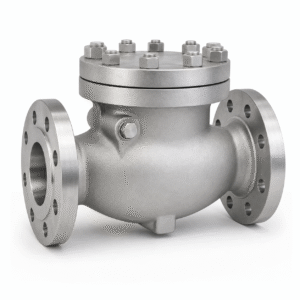
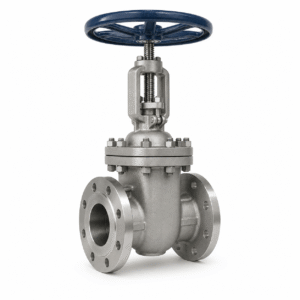
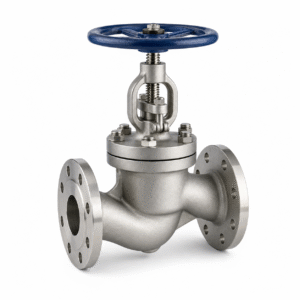
Need a broader comparison? View the general stainless steel and alloy butterfly valves guide or browse all Butterfly Valves.
Request a Inconel 625 Triple Offset Butterfly Valve quotation
Send the valve specification, exact material grades, size, pressure class, operating conditions, quantity and inspection requirements for technical review.