
Выбор фланцев для газораспределительных сетей
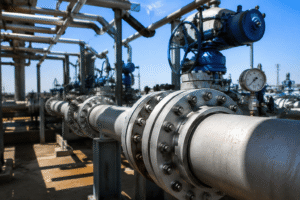
In modern gas distribution networks, фланцы play a crucial role in creating reliable, pressure-tight connections between pipelines, клапаны, pressure regulators, and metering equipment. The integrity of these connections is vital for maintaining system safety, minimizing leakage risk, and ensuring long-term performance under varying pressures and environmental conditions.
Choosing the right flange is not just a matter of matching dimensions—it requires careful consideration of pressure ratings, совместимость материалов, sealing performance, коррозионная стойкость, и соответствие отраслевым стандартам. В этой статье, Сасафланж breaks down the key selection criteria for flanges in gas distribution applications, helping engineers and procurement teams make informed decisions.
Why Flange Selection Matters in Gas Networks
Gas distribution systems operate under conditions that demand герметичный, устойчивый к коррозии, and pressure-tolerant connections. A failure in a flange connection can lead to:
-
Dangerous gas leaks
-
System shutdowns
-
Fire or explosion risks
-
Costly emergency repairs
-
Legal or regulatory violations
To prevent such outcomes, Сасафланж offers flanges that meet or exceed international gas safety and performance standards.
1. Pressure Class and System Operating Pressure
The most fundamental criterion in flange selection is pressure class compatibility. Flanges must be capable of withstanding the maximum operating pressure of the gas system plus a safety margin.
Общие классы давления включают:
-
Классы ANSI/ASME: 150, 300, 600, 900
-
PN Ratings (EN/DIN): PN10, PN16, Ру25, Ру40, PN64
For low-pressure residential distribution networks, Сорт 150 or PN10 may suffice. In industrial or transmission-grade systems, Сорт 600 or higher may be required.
Сасафланж manufactures a full range of forged steel and stainless-steel flanges across all pressure classes, with certified pressure-temperature ratings.
2. Material Selection Based on Gas Type and Environment
The type of gas и external environment determine the appropriate flange material. Some gases are dry and inert, while others are wet, коррозионный, or acidic.
Recommended Materials:
-
Углеродистая сталь (ASTM A105): For dry, non-corrosive gas
-
Нержавеющая сталь (304, 316): For humid, коррозионный, or coastal installations
-
Дуплекс из нержавеющей стали: For sour gas or aggressive chemicals
-
Low-Temperature Carbon Steel (LTCS A350 LF2): For cryogenic LNG pipelines
-
Никелевые сплавы (например, Инконель): In specialized high-corrosion environments
All materials used by Сасафланж are traceable with full EN 10204 3.1 или 3.2 certification and comply with gas utility requirements worldwide.
3. Flange Face Type and Gasket Compatibility
The flange face finish affects how well the gasket seals, especially under fluctuating temperatures and pressures. Common face types in gas applications include:
-
Поднятое лицо (РФ): Наиболее распространенный; compatible with spiral wound or compressed gaskets
-
Плоское Лицо (ФФ): Used when mating with cast iron components
-
Кольцевое соединение типа (РТЖ): For high-pressure and critical gas systems
-
Язык & Канавка (Т&Г): Offers superior alignment and sealing integrity
The surface roughness of the face (typically 125–250 AARH) also affects gasket performance. Сасафланж machines all flange faces to precise standards for effective sealing.
4. Corrosion Resistance and Surface Protection
Gas networks often span underground, прибрежный, and industrial zones, where corrosion is a significant risk. Protective measures include:
-
Hot-Dip Galvanizing: For carbon steel flanges used outdoors or underground
-
Epoxy or PTFE Coatings: For flanges in aggressive chemical or salt environments
-
Травление и пассивация: For stainless steel to remove contaminants and improve corrosion resistance
Сасафланж offers custom coating and finishing services for all flange types, including NORSOK-compliant anti-corrosion solutions.
5. Temperature Ratings
Gas may be transported at ambient, elevated, or cryogenic temperatures, depending on the system. Flange materials and gaskets must perform consistently within the temperature range.
Examples:
-
Natural Gas Distribution: -20°C to +80°C
-
LNG and Cryogenic Gases: -196°C and below
-
Biogas and Flue Gas: Up to 250°C or higher
Сасафланж provides material selection guidance based on ASME B31.3 and B16.5 pressure-temperature charts.
6. Flange Standards and Certifications
To ensure interoperability and legal compliance, flanges must conform to the relevant international standards for gas systems:
-
ASME B16.5 / Б16.47: Standard for forged flanges
-
EN 1092-1: European flange standards (PN rated)
-
ISO 7005: International metric flange system
-
API 6А / 6Д: Flanges used in gas transmission pipelines
-
ПЭД 2014/68/ЕС: For pressure equipment in EU markets
-
ISO 4437 / EN 1555: Gas-specific piping component guidelines
Сасафланж manufactures to all the above standards and maintains CE marking, PED certification, and third-party approvals (например, ТУВ, Lloyd’s).
7. Welding or Assembly Considerations
Flanges can be installed by welding, запирание, or threading. For gas pipelines, butt-weld and socket-weld flanges are most common due to their strength and integrity.
Welding considerations:
-
Welding Procedure Qualification (WPS/PQR) must be in place
-
Термическая обработка may be required after welding
-
Radiographic or ultrasonic testing (RT/UT) may be specified for critical welds
Сасафланж supplies flanges with full welding data and can offer pre-welded flange spool assemblies upon request.
8. Leak Prevention and Sealing Reliability
Gas systems require zero-leak performance, especially in populated or hazardous environments. Factors that enhance sealing integrity:
-
Proper bolt torque and tightening sequence
-
Use of anti-seize compounds on fasteners
-
High-quality gaskets matched to the gas type
-
Flange face flatness and parallelism checks
Сасафланж provides torque values, installation guides, and surface inspection reports to help achieve perfect seals in every installation.
9. Traceability and Quality Documentation
To meet compliance and maintenance standards, flange traceability is essential. Each flange should have:
-
Stamped or laser-marked serial number
-
Heat number and material grade
-
Certification package (ЭН10204 3.1 или 3.2)
-
Testing records: гидростатический, PMI, ЮТ, or MPI
Сасафланж ensures full traceability for every flange, supported by robust document control systems for audit-ready quality management.
10. Cost and Lifecycle Considerations
While initial flange cost is important, total lifecycle performance should be prioritized in gas networks. Factors such as:
-
Коррозионная стойкость
-
Sealing longevity
-
Ease of maintenance
-
Взаимозаменяемость
all contribute to lower total cost of ownership.
By choosing high-quality flanges from Сасафланж, gas companies reduce unplanned downtime, maintenance costs, and environmental risks.
Application Examples in Gas Networks
-
City natural gas distribution mains
-
Gas metering and regulating stations
-
Compressor and booster stations
-
Above-ground installations at junctions or valves
-
LNG regasification units
-
CNG and hydrogen fuel stations
Each application demands carefully matched flange specifications to meet pressure, температура, and environmental requirements.
Заключение
Flanges are not mere connecting parts in gas distribution networks—they are safety-critical components that ensure containment, надежность, и соответствие нормативным требованиям. Proper flange selection based on pressure class, материал, тип лица, коррозионная стойкость, стандарты, and testing is vital for system integrity.
Сасафланж offers a wide range of gas-certified flanges, backed by international standards, robust testing, and quality documentation. Whether for municipal networks, industrial complexes, or high-pressure gas pipelines, we deliver flanges engineered for performance and safety.
Связанные Посты
Дуплекс 2205 по сравнению с фланцами 316L: Какой материал выбрать?
Быстрый ответ: Дуплекс 2205 flanges are usually the stronger candidate…

Определение фланца с диафрагмой, Подробности и обзор фланцев ASME B16.36: Рыночные данные, Руководство по выбору и анализ соответствия требованиям
Мировой рынок промышленных фланцев оценивался в $5.8 миллиард…

Руководство по рынку черных сливных фланцев: Материалы, 3.5″ Совместимость, и данные о поставщиках B2B для фланцев для кухонной мойки
Спрос на черные фланцы для утилизации растет благодаря покупателям кухонной техники…
Руководство по типам фланцев: 2024 Данные, Стандарты, и лучшие практики выбора промышленных трубопроводов
Мировой рынок типов фланцев продолжает расширяться по мере…
НЕТ Комментарии