
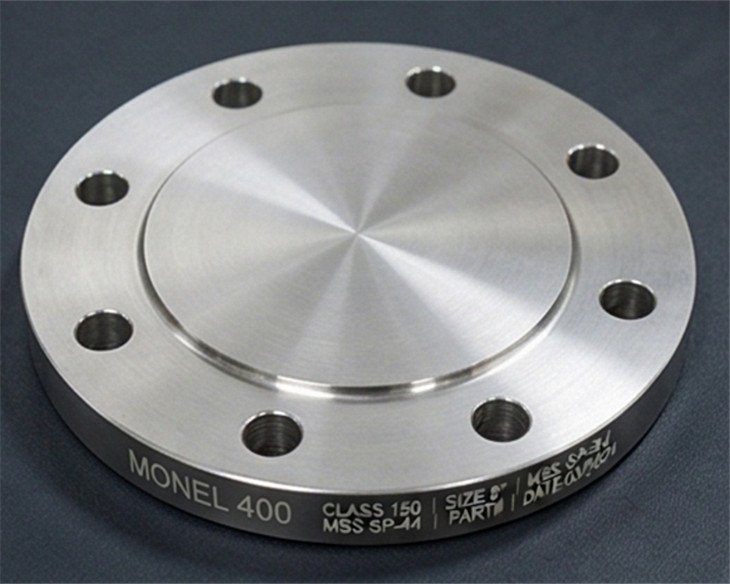
ASTM A182 F11 vs F22 vs F91 Flanşlar
Doğrudan cevap
F11, F22 and F91 are distinct chromium-molybdenum alloy systems, not interchangeable levels of a single material. F11 is commonly associated with moderate elevated-temperature duty, F22 provides a higher chromium and molybdenum alloy level, and F91 is a modified 9Cr-1Mo grade that demands much tighter heat-treatment, kaynak ve sertlik kontrolü. The correct grade is the one approved by the piping design and matched to the complete material system.
Temel çıkarımlar
- Start with the approved line class, design code and adjoining pipe grade.
- Do not select F91 as a stand-alone upgrade inside an F11 or F22 system.
- Specify heat treatment, sertlik, PMI, NDE and traceability in the purchase order.
F11, F22 and F91 at a glance
ASTM A182/A182M covers forged or rolled alloy and stainless steel components for pressure systems. Within that broad specification, F11, F22 and F91 identify different chemistry, heat-treatment and mechanical-property requirements. A purchase order that states only “A182 flange” is incomplete.
| Seviye | General alloy family | Typical engineering role | Primary control point |
|---|---|---|---|
| F11 | About 1.25Cr-0.5Mo family | Moderate high-temperature process and steam duties | Correct class, heat treatment and matching weld procedure |
| F22 | About 2.25Cr-1Mo family | More demanding elevated-temperature refinery, power and process systems | Documented condition, hardness and welding controls |
| F91 | Modified 9Cr-1Mo-V-Nb family | High-strength Grade 91 systems designed for elevated-temperature service | Normalized-and-tempered condition, qualified welding and PWHT |
These descriptions are selection context, not allowable temperature limits. The permitted pressure at temperature must be taken from the adopted code and standard edition for the exact material group, boyut, sınıf ve flanş tipi.
How service conditions change the selection
Design pressure and temperature are only the beginning. Engineers also review creep exposure, termal bisiklet, oxidation, hydrogen service, corrosion mechanisms, start-stop frequency and the consequences of leakage. F22 may be appropriate in a 2.25Cr-1Mo refinery circuit, while F91 belongs in a system whose pipe, bağlantı parçaları, vanalar, weld metal and fabrication plan are built around Grade 91 metalurji.
Higher alloy content does not automatically solve wet corrosion, chloride attack, sour-service limits or corrosion under insulation. Those damage mechanisms require a separate corrosion review. Likewise, pressure class cannot be selected from material grade alone; the ASME pressure-temperature rating and joint design still govern.
Fabrication and inspection differences
All three grades require positive material control and traceable heat treatment. F91 is especially sensitive to incorrect thermal history. An F91 flange can show the expected alloy chemistry during PMI yet still be unsuitable because its microstructure or hardness was altered by improper heat treatment, welding or post-weld heat treatment.
The fabrication package should align base metal, filler metal, ön ısıtma, geçiş sıcaklığı, PWHT and hardness acceptance. For critical service, the inspection plan may include visual and dimensional inspection, PMI, magnetic-particle examination, ultrasonik test, hardness mapping and third-party witness points. Each method answers a different question; none replaces the others.
RFQ checklist for ASTM A182 alaşım flanşlar
- ASTM A182 seviye, sınıf veya koşul, and required edition
- ASME B16.5 boyut, basınç sınıfı, flange type and facing
- Pipe specification, schedule and weld-end transition detail
- Required heat treatment and project hardness limits
- PMI, surface NDE, UT coverage and acceptance criteria
- EN 10204 sertifika türü, heat-number traceability and marking
- Applicable sour-service, hydrogen-service or owner requirements
Any proposed substitution should move through formal engineering review. Similar dimensions do not make different grades technically equivalent.
Sık sorulan sorular
Is F91 always better than F22?
HAYIR. F91 offers different elevated-temperature performance in a properly engineered Grade 91 sistem, but it also requires more demanding fabrication and heat-treatment control.
Can F11, F22 and F91 use the same flange dimensions?
They may share an ASME B16.5 dimensional envelope for the same size, sınıf ve tür, while material-group ratings and project requirements remain different.
Can PMI alone verify an F91 flange?
HAYIR. PMI verifies alloy identity, not the complete heat-treatment condition, mekanik özellikler, microstructure or internal soundness.
Referans verilen birincil standartlar
- ASTM A182/A182M – Dövme veya Haddelenmiş Alaşımlı ve Paslanmaz Çelik Boru Bileşenleri
- ASME B16.5-2025 – Boru Flanşları ve Flanşlı Bağlantı Parçaları, NPS'ler 1/2 NPS aracılığıyla 24
Standartlar yayıncı sayfalarına göre kontrol edildi 3 Ağustos 2026. Her zaman proje tarafından belirtilen sürümü satın alın ve uygulayın.
Alaşımlı çelik flanş teklifi isteyin
Malzeme notunu gönder, standart, NPS'ler, basınç sınıfı, flanş tipi, karşı karşıya, boru programı, miktar ve muayene gereksinimleri. Ekibimiz teklif vermeden önce teknik açıklamayı inceleyecektir.
İlgili Mesajlar
C-2000 ve C22 Flanşları: Malzeme Seçimi ve RFQ Kontrolleri
C-2000 ve C22 flanş malzemesi kimliklerini karşılaştırın, hizmet koşulları, dövme…
ASTM A182 F51 vs F60 Flanşlar: S31803 ve S32205'in Açıklaması
ASTM A182 F51 ve F60 dubleks flanşları karşılaştırın, S31803/S32205 dahil…
UNS S32750 ve S32760 Flanşları: ASTM A182 F53 veya F55?
S32750 ve S32760 süper dubleks flanşları karşılaştırın, ASTM A182 dahil…

ASME Sınıfıyla PN16 Flanş Montajı Yapılabilir mi? 150 Vana?
PN16 flanş cıvatası ASME Sınıfı 150'ye bağlanabilir mi?…