
Çeliğin Yeniden Doğuşu: Paslanmaz Çelik Ürünlerin Sanatı ve Endüstriyel Şiiri
Hızlı Yanıt
The “rebirth” of stainless steel is a controlled industrial cycle: alloy design, melting, casting, hot working, product forming, işleme, verification, service and eventual recycling. For pressure flanges, the poetic image of glowing steel must be translated into an ordered grade, malzeme özellikleri, boyut standardı, basınç sınıfı, karşı karşıya, inspection scope and traceable documentation.
Follow the stainless steel journey
The Stainless Steel Journey at a Glance
| Sahne | What changes | What a flange buyer should verify |
|---|---|---|
| Alloy design | Chromium and other alloying elements establish the intended grade family and properties. | Exact grade or UNS designation, governing material specification and ordered edition. |
| Melting and refining | Raw materials and recycled metal are melted, refined and adjusted to the required chemistry. | Heat identity and chemical results on the material certificate. |
| Casting and hot working | Molten metal becomes an intermediate form, then is worked into plate, çubuk, billet, ring or forging stock. | Product form and whether the selected material specification covers that form. |
| Dövme ve ısıl işlem | Pressure-component stock is shaped and heat treated as required for the ordered grade. | Heat-treatment condition and mechanical-property results required by the purchase specification. |
| Machining and finishing | delik, cıvata deseni, kalınlık, hub and sealing face are produced to the dimensional order. | Flanş standardı, NPS/DN, sınıf/PN, karşı karşıya, program veya delik, and dimensional report when required. |
| Verification and release | Kimlik, dimensions and ordered examinations are checked before shipment. | İşaretleme, MTC traceability and only the supplementary tests actually required by the order. |
Chapter 1: Alloy Design Gives Steel Its Identity
Stainless steel is a family of alloys rather than one universal material. World Stainless identifies a minimum chromium content of 10.5% as the foundation of stainless behaviour. Nikel, molybdenum and other elements may be added to obtain different combinations of corrosion resistance, kuvvet, formability and temperature performance.
This is where the industrial story begins, but chemistry alone does not select a flange. “304” or “316” should not be used as a complete purchase description. A buyer also needs the product specification, boyutlar, basınç tanımı, facing and any project-specific examination requirements.
Chapter 2: From Melt to a Workable Product Form
During melting and refining, producers control composition and remove unwanted elements before the metal is cast into an intermediate form. That form may later be rolled, forged or otherwise worked into stock suitable for the intended product. Each route creates a different procurement question: a plate component, a bar-machined item and a forged pressure flange are not interchangeable merely because their nominal alloy names match.
Chapter 3: The Forged-Flange Transformation
For many alloy and stainless-steel pressure flanges, ASTM A182/A182M is a central material specification. Its public scope covers forged or rolled alloy and stainless-steel piping components for pressure systems, flanşlar dahil, bağlantı parçaları, valves and similar parts. It also addresses chemistry, heat treatment and mechanical-property requirements for the ordered grade.
Forging is only one part of the finished component. After forming and required heat treatment, machining establishes the functional geometry: dış çap, delik, kalınlık, cıvata dairesi, cıvata delikleri, hub profile and sealing face. The drawing or dimensional standard—not a generic photograph—defines what must be supplied.
Chapter 4: Surface Finish Is Functional, Not Merely Decorative
Stainless steel can be polished, salamura, passivated or otherwise finished for different applications, but a pressure-flange sealing face has its own functional requirements. Yüzey durumu, facing type and serration requirements must match the ordered flange standard, gasket system and project specification. A mirror-like appearance is not automatically the correct sealing finish.
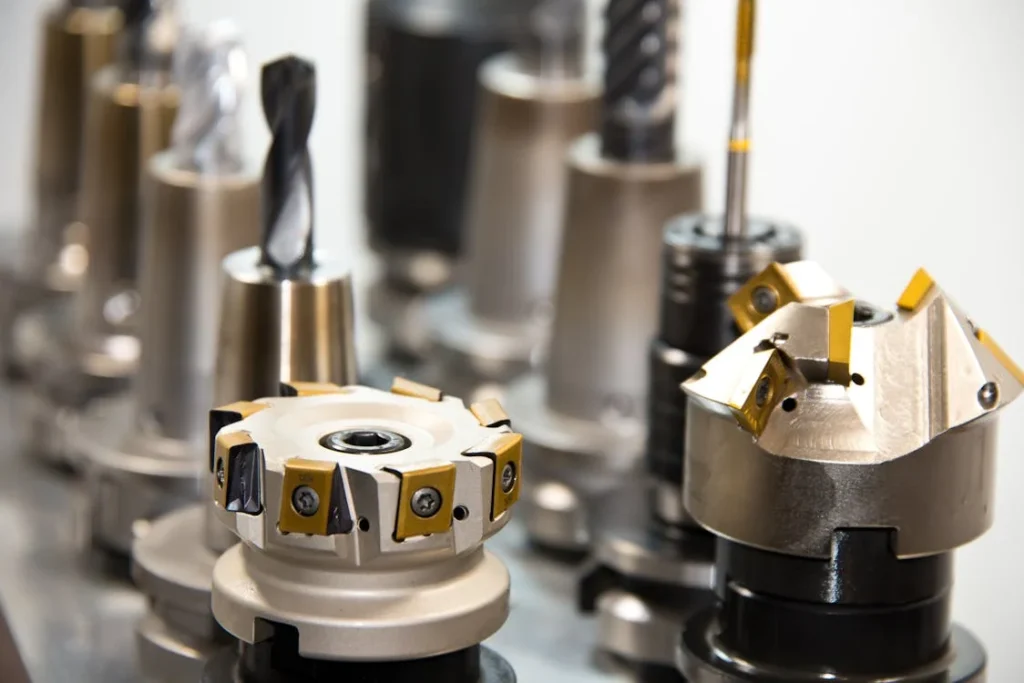
The existing featured image shows machining, an appropriate visual for this stage of the story. It is retained at 56,584 bytes so it does not add an oversized page asset.
Chapter 5: Quality Is a Chain of Evidence
A credible flange order does not rely on unnamed factory anecdotes or universal test claims. The evidence should connect the delivered part to the purchase order:
- legible grade, heat and manufacturer markings where required;
- an MTC that matches the heat and ordered specification;
- kimya, mechanical properties and heat-treatment information required for the grade;
- dimensions and facing verified to the ordered standard;
- PMI, NDE or other supplementary examination only when specified by the purchaser.
Nerede 304 Ve 316 Flanges Enter the Story
304 Ve 316 are common austenitic stainless-steel families, but their suitability depends on the actual environment and specification. Molibden taşıyan 316 grades are often considered where improved resistance to localized corrosion is needed, sırasında 304 grades remain widely used in less aggressive conditions. Neither label replaces an engineering review of fluid chemistry, sıcaklık, basınç, fabrication and standards.
Final Chapter: Return to the Material Cycle
Stainless steel’s story does not necessarily end after service. World Stainless reports that stainless steel can be recycled repeatedly and that most end-of-life stainless steel is collected for recycling. Its long service life also means that a large share remains in use for many years before it becomes available as scrap.
This circular potential is the practical meaning behind the article’s “rebirth” theme: recovered metal can return to production, but the next component must still be manufactured, specified and verified for its new duty.
Sıkça Sorulan Sorular
Is all stainless steel suitable for pressure flanges?
HAYIR. The alloy grade, ürün formu, malzeme özellikleri, boyutlar, pressure class and service conditions must all be compatible.
Does a bright surface prove a flange is high quality?
HAYIR. Appearance cannot replace material traceability, dimensional verification and the ordered inspection documents.
Should every flange receive every available test?
HAYIR. Base specification requirements apply, while supplementary examinations should be stated in the purchase order when the service or project requires them.
Birincil Referanslar
- ASTM A182/A182M-26 — public scope for forged or rolled alloy and stainless-steel piping components.
- World Stainless: Stainless steels and CO₂ — stainless definition and alloying context.
- World Stainless: Recycling — lifecycle and recycling context.
Turn the Material Story Into a Complete RFQ
Flanş tipini gönder, NPS/DN, sınıf/PN, malzeme kalitesi ve özellikleri, karşı karşıya, delik veya boru programı, miktar, required standard edition and any supplementary inspection or documentation requirements.
İlgili Mesajlar
Flanş Yüzü Kaplaması: Eşmerkezli ve Spiral Tırtıkların Açıklaması
Eşmerkezli ve spiral tırtılların her ikisi de işlenmiş flanş yüzeyidir…
Dubleks 2205 316L Flanşlara Karşı: Hangi Malzemeyi Seçmelisiniz?
Hızlı cevap: Dubleks 2205 flanşlar genellikle daha güçlü adaydır…

Orifis Flanşı Tanımı, Ayrıntılar ve ASME B16.36 Flanşlara Genel Bakış: Piyasa Verileri, Seçim Kılavuzu ve Uyumluluk Bilgileri
Küresel endüstriyel flanş pazarı şu şekilde değerlendi: $5.8 milyar…

Siyah Bertaraf Flanşı Pazar Rehberi: Malzemeler, 3.5″ Uyumluluk, Mutfak Lavabo Flanşları için B2B Kaynak Verileri
Mutfak armatürü alıcıları nedeniyle siyah atık flanş talebi artıyor…
Hayır Yorumlar