
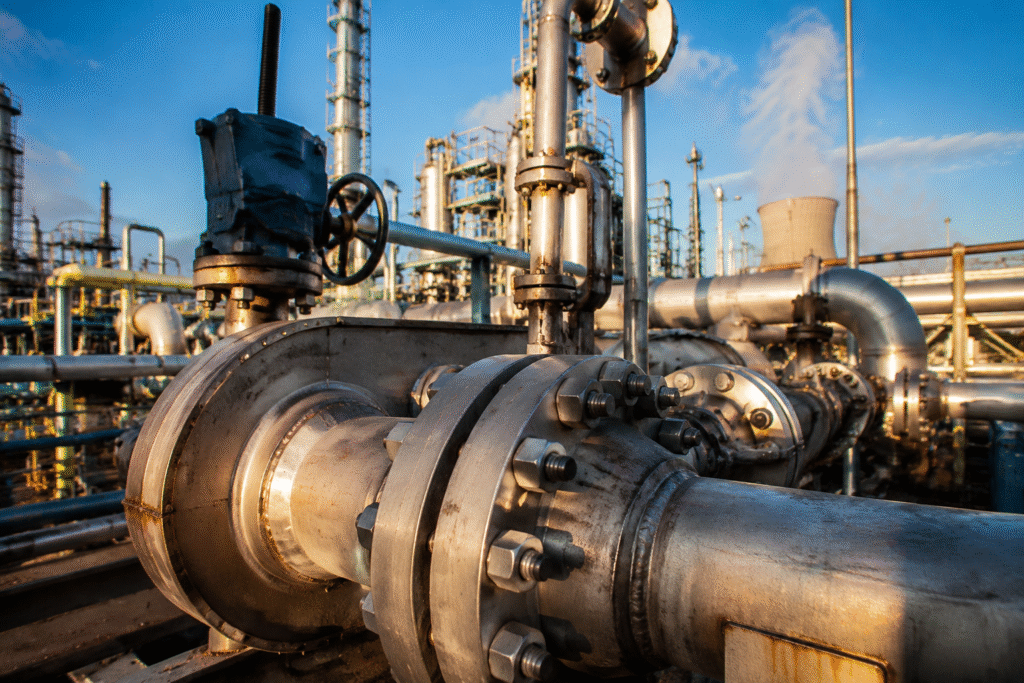
Hướng dẫn thị trường mặt bích ống thép không gỉ: 7 Ưu điểm dựa trên dữ liệu, Các loại, Công dụng, và thông tin chi tiết về lựa chọn
Theo nghiên cứu của Grand View (2024), thị trường mặt bích công nghiệp toàn cầu được định giá ở mức $5.8 tỷ trong 2023 và dự kiến sẽ đạt $7.2 tỷ bởi 2030. That growth highlights why the stainless steel pipe flange remains a critical component for engineers and buyers seeking durability, chống ăn mòn, and long-term lifecycle value.
Trong nhiều dự án, the hidden advantages of stainless steel pipe flange selection go beyond simple connection strength. Intriguing improvements in reliability, khả năng bảo trì, and compliance often appear when buyers match flange material, lớp áp lực, and face type to the service environment.
Nhu cầu mặt bích ống thép không gỉ, Tăng trưởng thị trường, và xu hướng mua sắm
The industrial piping market continues to expand because energy, Nước, and process plants need safer and more standardized joints. Theo IBISWorld (2024), Châu Á - Thái Bình Dương chiếm hơn 45% sản xuất mặt bích toàn cầu, với Trung Quốc là nhà sản xuất lớn nhất.
Sự tập trung theo khu vực đó rất quan trọng đối với các nhóm mua sắm. Nó ảnh hưởng đến thời gian thực hiện, raw material availability, and factory-direct pricing for stainless steel flanges and fittings.
Oil and gas remains the largest end-use segment for many flange manufacturers. Theo Statista (2024), ngành dầu khí chiếm khoảng 35% tiêu thụ mặt bích toàn cầu.
Tuy nhiên, hóa dầu, phát điện, hàng hải, and water treatment sectors also drive steady demand. These industries require stainless, thép cacbon, and alloy flange products built to ASME, ASTM, DIN, JIS, GOST, và tiêu chuẩn EN.
Material selection increasingly shapes total project cost. Các loại thép không gỉ như 304, 316, 316L, 904L, 2205, Và 2507 often reduce maintenance frequency in corrosive service.
Theo Mordor Intelligence (2024), industrial asset owners are placing greater emphasis on lifecycle cost rather than only upfront purchase price. Vì thế, procurement managers now compare not just stainless steel pipe flange price, but also corrosion allowance, inspection intervals, và chu kỳ thay thế.
Như Tiến sĩ. Helen Morris, Materials Engineering Analyst, tiểu bang: “In corrosive piping systems, a higher-grade stainless flange often costs less over the equipment life because downtime and replacement expenses decline significantly.” That view aligns with current owner-operator purchasing behavior in offshore, hóa chất, and desalination projects.
Standards compliance also influences sourcing decisions. Buyers increasingly ask for EN 10204 3.1 giấy chứng nhận kiểm tra vật liệu, PMI, kiểm tra chiều, hồ sơ thử thủy lực, and traceability documentation.
This is where established manufacturers gain an advantage. SASA FLANGE phục vụ 50+ các quốc gia trên khắp dầu mỏ & Khí đốt, hóa dầu, Quyền lực, và ngành hàng hải, while supporting custom sizes from 1/2" đến 60" với giá cả cạnh tranh trực tiếp tại nhà máy.
Với ISO 9001:2015 và chứng nhận PED 2014/68/EU, SASA FLANGE aligns with the documentation and quality expectations common in regulated international projects. Ngoài ra, buyers benefit from access to stainless steel flanges, mặt bích thép carbon, mặt bích hợp kim, and pipe fittings from one source.
The competitor content reviewed focuses heavily on grade listings, which are useful but incomplete for procurement. Ngược lại, a stronger buying framework considers flange type, service media, khả năng tương thích đệm, đánh giá áp lực, and inspection requirements together.
That integrated approach reveals the versatility of stainless steel pipe flange solutions. It also helps buyers choose the right flange for high-pressure steam, clorua, dịch vụ chua, or clean process systems.
Technical Advantages of Stainless Steel Pipe Flange Materials, Các loại, and Uses
The most important technical benefit of a stainless steel pipe flange is corrosion resistance combined with predictable mechanical performance. Yet the exact advantage depends on grade chemistry, lộ trình sản xuất, and the intended pipe schedule and design code.
Theo thực hành vật liệu của ASTM và ASME, mặt bích không gỉ rèn thường được sử dụng ASTM A182 các lớp như F304, F304L, F316, F316L, F51, và F53. These grades support a wide range of applications, from hygienic water lines to chloride-rich offshore systems.
As David Kerr, Kỹ sư đường ống cao cấp, tiểu bang: “The best flange is not the most expensive grade, but the grade that matches the medium, nhiệt độ, lớp áp lực, and inspection philosophy of the plant.” That principle is essential when buyers compare 304 so với 316 or duplex versus austenitic stainless options.
For many general industrial systems, 304 and 304L remain the most common stainless choices. They offer good weldability, reliable toughness, and broad availability for slip on, cổ hàn, mù, xâu chuỗi, and socket weld flange designs.
Where chlorides or aggressive chemicals are present, 316 and 316L usually outperform 304 because molybdenum improves pitting resistance. Theo hướng dẫn của NACE và thông lệ chung của ngành, 316L often becomes the preferred selection for coastal, hàng hải, và nhiệm vụ hóa học.
Các lớp song công như 2205 và siêu song công 2507 provide higher strength and improved resistance to stress corrosion cracking. Theo Nghiên cứu thị trường Tương lai (2024), demand for duplex stainless components is rising as offshore and desalination investments increase globally.
The hidden advantages of duplex stainless are especially intriguing for weight-sensitive projects. Higher strength can allow wall-thickness optimization in connected piping systems, which may reduce total installed weight.
- 304/304L: Cost-effective for general corrosion resistance, hệ thống nước, chế biến thực phẩm, và hóa chất nhẹ.
- 316/316L: Khả năng kháng clorua tốt hơn cho hàng hải, hóa chất, and pharmaceutical service.
- 904L: Excellent resistance in strong acids and high-corrosion environments.
- 2205: High strength and good chloride resistance for offshore and process plants.
- 2507: Superior pitting and crevice corrosion resistance for severe seawater exposure.
Flange type matters just as much as alloy grade. An incorrect type can create stress concentration, alignment difficulty, or sealing problems even when the material is correct.
- Mặt bích cổ hàn: Tốt nhất cho áp suất cao, đạp xe nhiệt, và dịch vụ quan trọng vì trục côn cải thiện sự phân bổ ứng suất.
- Trượt trên mặt bích: Easier alignment and lower cost, often used in lower-pressure utility lines.
- Mặt bích mù: Dùng để cô lập, chấm dứt, or future-proof a line for expansion.
- Mặt bích ren: Hữu ích khi hàn bị hạn chế, though pressure and vibration limits must be considered.
- Mặt bích hàn ổ cắm: Thích hợp cho đường ống áp suất cao có lỗ khoan nhỏ hơn.
Theo ASME B16.5 Và ASME B16.47, kích thước mặt bích, khoan, mặt đối mặt, and pressure-temperature ratings must meet standardized requirements for safe interchangeability. Buyers should verify class ratings such as 150, 300, 600, 900, 1500, Và 2500 against operating conditions and material limits.
Face finish and gasket compatibility also affect performance. Mặt ngước lên, mặt phẳng, RTJ, and tongue-and-groove options each support different sealing philosophies.
Ví dụ, an RTJ flange may be preferred in high-pressure hydrocarbon lines. Ngược lại, raised face configurations are common in general refinery and chemical plant service.
According to ISO-oriented maintenance studies summarized by industry analysts, leakage incidents in bolted joints often trace back to improper assembly, misapplied gasket selection, or inadequate bolt load rather than flange metallurgy alone. Vì thế, flange selection must connect design, cài đặt, và thực hành bảo trì.
Được hỗ trợ bởi gia công CNC tiên tiến và kiểm tra chất lượng toàn diện, SASA FLANGE sản xuất mặt bích ở 304, 316, 904L, 2205, 2507 và các hạng cao cấp khác. Công ty còn cung cấp khuỷu tay, áo thun, bộ giảm tốc, and caps for full piping package coordination.
For buyers comparing flange manufacturers or seeking a flange vendor for custom requirements, production flexibility matters. SASA FLANGE supports ANSI B16.5, ANSI B16.47, ASME B16.9, DIN, JIS, GOST, và VN 1092 dimensional systems, which helps multinational EPC and MRO teams simplify sourcing.
Tiêu chuẩn, Chứng chỉ, and Compliance for Stainless Steel Flanges
Industrial buyers rarely approve a stainless steel pipe flange based on appearance or material grade alone. They require standards compliance, truy xuất nguồn gốc, and testing records that prove the flange meets project and regulatory requirements.
The most commonly referenced dimensional standard for NPS 1/2 bởi vì 24 là ASME B16.5. Đối với đường kính lớn hơn, ASME B16.47 Series A and Series B often govern flange dimensions and drilling patterns.
Tiêu chuẩn vật liệu đều quan trọng như nhau. ASTM A182 thường bao gồm các mặt bích ống thép không gỉ và hợp kim rèn hoặc cán, phụ kiện giả mạo, và van cho dịch vụ nhiệt độ cao.
Các dự án châu Âu thường yêu cầu EN 1092 flange dimensions and PED compliance. Trong khi đó, marine and offshore applications may also request DNV, NA UY, or client-specific requirements depending on vessel class or regional regulation.
- ASME B16.5: Kích thước, dung sai, xếp hạng nhiệt độ áp suất, đánh dấu, và kiểm tra mặt bích lên đến NPS 24.
- ASME B16.47: Mặt bích thép đường kính lớn cho NPS 26 ĐẾN 60.
- ASTM A182: Forged stainless and alloy flange material specification.
- EN 1092: Tiêu chuẩn kích thước mặt bích châu Âu.
- NACE MR0175: Material considerations for sour service environments.
- EN 10204 3.1: Inspection certificate for traceable material and test data.
According to ASME and ASTM practice, markings must identify material, lớp áp lực, kích cỡ, số nhiệt, and manufacturer. This information enables downstream traceability during installation, audit, or failure analysis.
When corrosion cracking risks exist, buyers should also evaluate NACE MR0175 compatibility and service limitations. This is particularly relevant in upstream oil and gas lines carrying H2S-containing fluids.
A practical compliance checklist helps procurement teams avoid costly reorders and site delays. It also supports quality alignment between engineering, purchasing, and QA departments.
- Confirm dimensional standard: ASME B16.5, B16.47, DIN, JIS, hoặc VN 1092.
- Xác nhận loại vật liệu: ASTM A182 F304/F316/F51/F53 or approved equivalent.
- Confirm pressure class and flange facing: RF, FF, hoặc RTJ.
- Xác nhận tài liệu: EN 10204 3.1, PMI, độ cứng, và báo cáo chiều.
- Confirm regulatory compliance: PED 2014/68/EU, QUẢNG CÁO 2000, and client approvals if required.
ASME publishes the core flange dimensional and rating standards used by most international projects. Vì thế, referencing current editions during design review is essential for interchangeability and compliance.
Với ISO 9001:2015, PED 2014/68/EU, và AD 2000 chứng chỉ, SASA FLANGE supports projects that need documented manufacturing control. That capability is especially valuable when buyers need custom machining, hợp kim cao cấp, or multi-standard export supply.
Ngoài ra, the company’s quality workflow supports inspection needs common in engineering procurement. These include raw material verification, kiểm tra chiều, visual examination, and material certification review.
The result is lower documentation risk for international buyers. Hơn thế nữa, it improves confidence when a stainless steel flange 2 inch, 4 mặt bích ống thép không gỉ inch, or large-diameter custom flange must integrate with existing line classes.
Hướng dẫn đăng ký: Cách chọn giải pháp mặt bích ống thép không gỉ theo ngành
Every industry uses stainless steel pipe flange products differently because service conditions vary widely. Nhiệt độ, clorua, đạp xe áp lực, tần số tắt máy, and cleaning chemicals all influence the correct selection.
Trong dầu khí, welded joints must perform under vibration, dao động áp suất, và phương tiện ăn mòn. Vì thế, weld neck flange designs in 316L, 2205, hoặc 2507 often become preferred options for higher-integrity systems.
Theo Statista (2024), dầu khí đại diện cho khoảng 35% tiêu thụ mặt bích toàn cầu. That demand explains why many buyers ask for API flanges, sour-service compatibility, and project-specific traceability packages.
Trong các nhà máy hóa dầu, media compatibility drives material choice. 316L suits many process lines, while 904L or nickel alloys such as Inconel, Monel, and Hastelloy may be required for more aggressive service.
Power generation systems place strong emphasis on pressure-temperature rating. High-pressure steam lines typically favor forged weld neck flanges with strict dimensional and material control.
Shipbuilding and marine environments create persistent chloride exposure. In those applications, 316L, hai mặt 2205, và siêu song công 2507 often provide stronger long-term durability than standard 304.
Water treatment and desalination plants present a similar challenge. Pitting and crevice corrosion can accelerate quickly if the alloy is underspecified.
- Dầu & Khí đốt: Ưu tiên lớp áp lực, Yêu cầu NACE, vibration resistance, and RTJ or weld neck options.
- hóa dầu: Match alloy to acids, dung môi, and temperature profile.
- Phát điện: Verify thermal cycling resistance, xếp hạng lớp, and weld quality.
- Hàng hải: Focus on chloride resistance, crevice corrosion resistance, and coating compatibility.
- Xử lý nước: Evaluate pitting resistance equivalent number and long-term maintenance cost.
Buyers also ask practical questions about types and uses. Should they choose slip on or weld neck, threaded or socket weld, raised face or ring type joint.
The answer depends on the piping code, quyền truy cập bảo trì, and consequence of leakage. For lower-pressure utility service, a stainless steel slip on flange may be sufficient and economical.
For critical hydrocarbon duty, Tuy nhiên, engineers generally prefer weld neck or RTJ configurations. Kết quả là, the flange becomes part of a broader mechanical integrity strategy rather than a standalone commodity item.
Custom manufacturing often decides whether a supplier can support real project conditions. SASA FLANGE cung cấp kích thước tùy chỉnh từ 1/2" đến 60", multiple facing options, and material coverage from standard stainless to titanium and high-performance nickel alloys.
That range helps EPC contractors consolidate purchases across line classes. It also reduces coordination risk when flanges and fittings must align with elbows, áo thun, bộ giảm tốc, and caps in the same material family.
When buyers compare flange vendor options, they should assess more than unit price. Lead time stability, hỗ trợ kỹ thuật, chất lượng tài liệu, and export packing can affect total project performance more than small purchase price differences.
Như Mark Feldman, Industrial Supply Consultant, tiểu bang: “The strongest flange supplier is the one that prevents field problems before shipment through correct standard matching, tài liệu, and machining accuracy.” That advice is highly relevant for multinational projects with strict inspection gates.
Triển vọng tương lai về cung cấp mặt bích ống thép không gỉ và các khuyến nghị mua chiến lược
Triển vọng về nhu cầu mặt bích ống thép không gỉ vẫn tích cực vì cơ sở hạ tầng, process industry modernization, and energy transition projects continue to expand. Theo nghiên cứu của Grand View (2024), thị trường dự kiến sẽ tăng trưởng từ $5.8 tỷ trong 2023 ĐẾN $7.2 tỷ bởi 2030.
Đồng thời, buyers face greater complexity. They must manage alloy volatility, freight risk, and tighter project documentation expectations.
Theo IBISWorld (2024), Asia-Pacific controls over 45% sản xuất mặt bích toàn cầu. Vì thế, supplier selection should include manufacturing capability, hệ thống chất lượng, và khả năng đáp ứng giao tiếp, not just geographic origin.
Procurement teams can improve outcomes with several straightforward actions. Đầu tiên, standardize approved material and dimensional specifications before requesting quotations.
Thứ hai, compare lifecycle cost rather than only stainless steel pipe flange price. A lower-cost flange can become expensive if corrosion, Sự rò rỉ, or documentation gaps delay commissioning.
thứ ba, request complete technical quotation details. These should include material grade, tiêu chuẩn, lớp học, đối mặt, phạm vi kiểm tra, loại chứng chỉ, và lịch giao hàng.
thứ tư, qualify suppliers that can handle both standard and custom work. That flexibility matters when projects need unusual bores, đường kính lớn, or mixed-standard requirements.
For companies seeking a reliable flange manufacturers partner, SASA FLANGE combines broad material capability, phạm vi tiêu chuẩn, and export-oriented quality control. Kết quả là, engineers and buyers can source stainless steel pipe flange products with stronger confidence in compliance, hiệu suất, and delivery.
Câu hỏi thường gặp
Các loại mặt bích thép không gỉ khác nhau là gì?
●Các loại mặt bích inox chính là cổ hàn, trượt vào, mù, xâu chuỗi, ổ cắm hàn, và khớp nối, Và ASME B16.5 defines the most common dimensional requirements for many of these designs.
●Mặt bích cổ hàn phù hợp với dịch vụ áp suất cao và nhiệt độ cao, while slip on flanges are often chosen for easier fit-up and lower fabrication cost in utility piping.
●Theo nghiên cứu của Grand View (2024), thị trường mặt bích công nghiệp toàn cầu đạt $5.8 tỷ trong 2023, which shows how broad the demand is for multiple flange configurations across industries.
●Đối với dịch vụ quan trọng, engineers also compare face types such as raised face, mặt phẳng, and ring type joint because the sealing surface affects gasket performance and leak resistance.
●For projects requiring exact standard matching and material traceability, làm việc với các nhà sản xuất có uy tín như SASA FLANGE helps ensure the correct type, lớp học, and material are supplied.
Ba loại mặt bích là gì?
●Ba loại mặt bích được nhắc đến phổ biến nhất trong các cuộc thảo luận cơ bản về công nghiệp là mặt bích cổ hàn., trượt vào, and blind flanges because they cover many piping connection and isolation needs.
●Weld neck flanges provide the highest structural integrity for demanding service, slip on flanges offer easier alignment for general applications, and blind flanges close or isolate pipe ends for maintenance or future expansion.
●Theo thông lệ ASME, each type can be manufactured in pressure classes such as 150, 300, 600, và cao hơn, so the flange type alone does not determine pressure capability.
●In practical selection, engineers also check material grade, trợ cấp ăn mòn, đối mặt, tải bu lông, and gasket compatibility before final approval.
●For projects that require both common and custom flange types, hợp tác với SASA FLANGE có thể đơn giản hóa việc tìm nguồn cung ứng và kiểm soát tài liệu.
Kích thước mặt bích ống thép không gỉ: what sizes are available and how do buyers choose?
●Stainless steel pipe flange sizes commonly start at 1/2 inch and can extend to 60 inch, với ASME B16.5 usually covering smaller standard sizes and ASME B16.47 covering larger diameters.
●Buyers choose size by matching nominal pipe size, lịch trình đường ống, bore requirement, và tiêu chuẩn thành phần giao phối, because even a small mismatch can prevent proper assembly.
●Theo IBISWorld (2024), Châu Á - Thái Bình Dương chiếm hơn 45% sản xuất mặt bích toàn cầu, so buyers have broad sourcing options but must verify dimensional standard consistency carefully.
●MỘT 4 inch stainless steel pipe flange may look simple to specify, yet engineers still need to confirm pressure class, đối mặt, lớp vật liệu, and bore tolerance before purchase.
●For mixed-standard projects or custom machined bores, các nhà cung cấp được thành lập như SASA FLANGE can help align flange size details with the full piping package.
Giá mặt bích ống thép không gỉ: what affects cost?
●Giá mặt bích ống thép không gỉ phụ thuộc chủ yếu vào loại hợp kim, kích cỡ, lớp áp lực, forging weight, độ phức tạp gia công, yêu cầu kiểm tra, và số lượng đặt hàng.
●Ví dụ, a 316L or duplex 2205 flange generally costs more than a 304 flange because alloy content and corrosion performance are higher, while RTJ machining and EN 10204 3.1 documentation can add further cost.
●Theo Mordor Intelligence (2024), industrial buyers are increasingly prioritizing lifecycle cost over purchase price alone, which means corrosion resistance and service life often justify a higher initial price.
●Freight, đóng gói xuất khẩu, and lead time urgency can also materially affect the final landed cost, especially for large-diameter or project-specific flanges.
●For buyers who need transparent quotations with technical clarity, working with manufacturers such as SASA FLANGE helps compare price against compliance, chất lượng, and delivery value.
What is a stainless steel slip on flange used for?
●A stainless steel slip on flange is used for piping systems where easier alignment and lower fabrication cost are important, especially in moderate-pressure utility or process lines.
●The pipe slips into the flange bore and is fillet welded, which simplifies installation compared with a weld neck flange but generally provides lower fatigue resistance in severe service.
●Theo Statista (2024), dầu khí chiếm khoảng 35% tiêu thụ mặt bích toàn cầu, yet many utility and secondary systems within those plants still use slip on flanges where service conditions permit.
●Engineers should verify pressure class, chất lượng mối hàn, môi trường ăn mòn, and code acceptance before choosing this type, because it is not ideal for every application.
●For buyers evaluating whether slip on is the right flange type, a qualified supplier like SASA FLANGE can review specifications and recommend suitable material and standard combinations.
How do I choose among flange manufacturers or a flange vendor?
●The best way to choose among flange manufacturers is to compare standards coverage, quality certifications, material capability, phạm vi thử nghiệm, kinh nghiệm xuất khẩu, and technical responsiveness.
●A strong flange vendor should supply documentation such as EN 10204 3.1 giấy chứng nhận, báo cáo chiều, hồ sơ truy xuất nguồn gốc, and compliance with standards like ASME B16.5, ASTM A182, và VN 1092.
●Theo nghiên cứu của Grand View (2024), thị trường mặt bích công nghiệp dự kiến sẽ đạt $7.2 tỷ bởi 2030, so competitive supply options will grow, but technical inconsistency will remain a major buyer risk.
●Experts generally recommend reviewing lead times, Khả năng gia công CNC, custom size support, and previous industry experience in oil and gas, hóa dầu, quyền lực, hoặc dịch vụ hàng hải.
●For projects that require a dependable combination of material range, chứng chỉ, and custom manufacturing, buyers often shortlist established suppliers such as SASA FLANGE.
bài viết liên quan
Mặt bích hoàn thiện: Giải thích về răng cưa đồng tâm và xoắn ốc
Các răng cưa đồng tâm và xoắn ốc đều được gia công hoàn thiện mặt bích…
song công 2205 so với mặt bích 316L: Bạn nên chọn chất liệu nào?
Trả lời nhanh: song công 2205 mặt bích thường là ứng cử viên mạnh hơn…

Định nghĩa mặt bích lỗ, Chi tiết và tổng quan về mặt bích ASME B16.36: Dữ liệu thị trường, Hướng dẫn lựa chọn và thông tin chi tiết về tuân thủ
Thị trường mặt bích công nghiệp toàn cầu được định giá ở mức $5.8 tỷ…

Hướng dẫn thị trường mặt bích xử lý màu đen: Nguyên vật liệu, 3.5″ Khả năng tương thích, và dữ liệu tìm nguồn cung ứng B2B cho mặt bích bồn rửa nhà bếp
Nhu cầu mặt bích xử lý màu đen đang tăng lên khi người mua đồ đạc nhà bếp…