
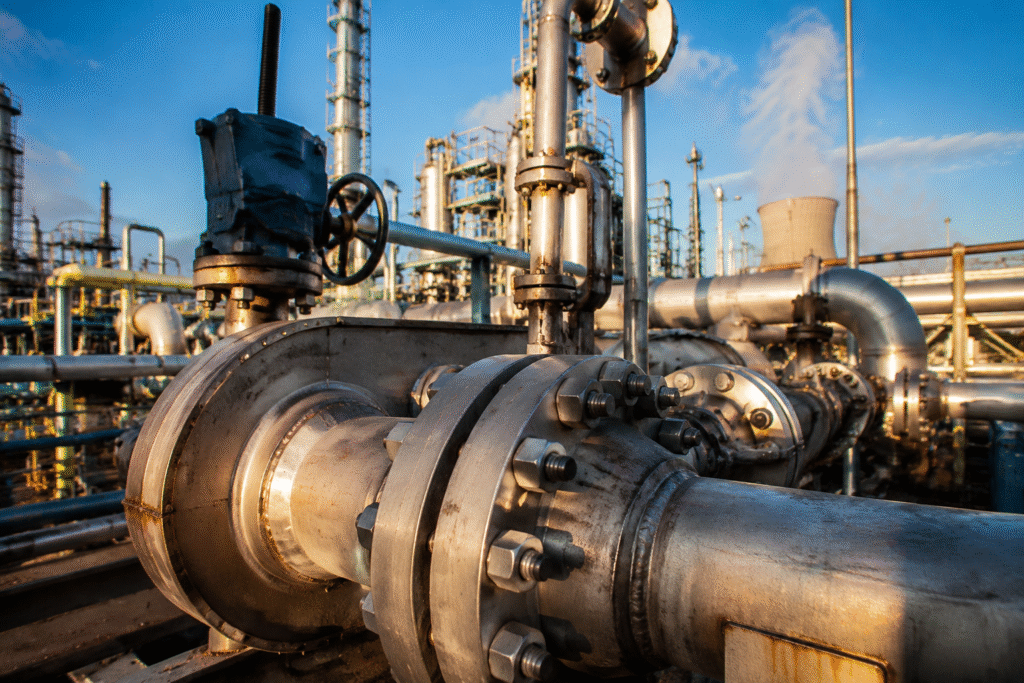
دليل سوق شفة أنابيب الفولاذ المقاوم للصدأ: 7 المزايا المدعومة بالبيانات, أنواع, الاستخدامات, ورؤى التحديد
وفقا لأبحاث جراند فيو (2024), تم تقييم سوق الفلنجات الصناعية العالمية بـ $5.8 مليار في 2023 ومن المتوقع أن يصل $7.2 مليار بواسطة 2030. That growth highlights why the stainless steel pipe flange remains a critical component for engineers and buyers seeking durability, مقاومة التآكل, and long-term lifecycle value.
في العديد من المشاريع, the hidden advantages of stainless steel pipe flange selection go beyond simple connection strength. Intriguing improvements in reliability, قابلية الصيانة, and compliance often appear when buyers match flange material, فئة الضغط, and face type to the service environment.
الطلب على شفة أنابيب الفولاذ المقاوم للصدأ, نمو السوق, and Procurement Trends
The industrial piping market continues to expand because energy, ماء, and process plants need safer and more standardized joints. بحسب موقع IBISWorld (2024), حسابات آسيا والمحيط الهادئ لأكثر من 45% من إنتاج شفة العالمية, مع كون الصين أكبر منتج.
وهذا التركيز الإقليمي مهم لفرق المشتريات. أنه يؤثر على فترات زمنية, توافر المواد الخام, and factory-direct pricing for stainless steel flanges and fittings.
Oil and gas remains the largest end-use segment for many flange manufacturers. بحسب موقع ستاتيستا (2024), تمثل صناعة النفط والغاز ما يقرب من 35% من استهلاك شفة العالمية.
لكن, البتروكيماويات, توليد الطاقة, البحرية, and water treatment sectors also drive steady demand. These industries require stainless, الصلب الكربوني, and alloy flange products built to ASME, ASTM, DIN, JIS, غوست, ومعايير EN.
Material selection increasingly shapes total project cost. درجات الفولاذ المقاوم للصدأ مثل 304, 316, 316ل, 904ل, 2205, و 2507 often reduce maintenance frequency in corrosive service.
بحسب معلومات موردور (2024), industrial asset owners are placing greater emphasis on lifecycle cost rather than only upfront purchase price. لذلك, procurement managers now compare not just stainless steel pipe flange price, but also corrosion allowance, inspection intervals, ودورات الاستبدال.
كما د. هيلين موريس, Materials Engineering Analyst, الدول: “In corrosive piping systems, a higher-grade stainless flange often costs less over the equipment life because downtime and replacement expenses decline significantly.” That view aligns with current owner-operator purchasing behavior in offshore, كيميائية, and desalination projects.
Standards compliance also influences sourcing decisions. Buyers increasingly ask for EN 10204 3.1 شهادات اختبار المواد, مؤشر مديري المشتريات, فحص الأبعاد, سجلات الهيدروتست, and traceability documentation.
This is where established manufacturers gain an advantage. SASA FLANGE يخدم 50+ الدول عبر النفط & الغاز, البتروكيماويات, قوة, والصناعات البحرية, while supporting custom sizes from 1/2" إلى 60" بأسعار تنافسية مباشرة من المصنع.
مع ISO 9001:2015 وشهادات PED 2014/68/EU, SASA FLANGE aligns with the documentation and quality expectations common in regulated international projects. بالإضافة إلى ذلك, buyers benefit from access to stainless steel flanges, الشفاه من الصلب الكربوني, الشفاه سبيكة, and pipe fittings from one source.
The competitor content reviewed focuses heavily on grade listings, which are useful but incomplete for procurement. في المقابل, a stronger buying framework considers flange type, service media, توافق الحشية, تصنيف الضغط, and inspection requirements together.
That integrated approach reveals the versatility of stainless steel pipe flange solutions. It also helps buyers choose the right flange for high-pressure steam, كلوريدات, خدمة تعكر, or clean process systems.
Technical Advantages of Stainless Steel Pipe Flange Materials, أنواع, and Uses
The most important technical benefit of a stainless steel pipe flange is corrosion resistance combined with predictable mechanical performance. Yet the exact advantage depends on grade chemistry, طريق التصنيع, and the intended pipe schedule and design code.
According to ASTM and ASME material practices, forged stainless flanges commonly use ASTM A182 درجات مثل F304, F304L, F316, F316L, F51, وF53. These grades support a wide range of applications, from hygienic water lines to chloride-rich offshore systems.
As David Kerr, مهندس الأنابيب الأول, الدول: “The best flange is not the most expensive grade, but the grade that matches the medium, درجة حرارة, فئة الضغط, and inspection philosophy of the plant.” That principle is essential when buyers compare 304 عكس 316 or duplex versus austenitic stainless options.
For many general industrial systems, 304 and 304L remain the most common stainless choices. They offer good weldability, reliable toughness, and broad availability for slip on, لحام الرقبة, أعمى, مترابطة, and socket weld flange designs.
Where chlorides or aggressive chemicals are present, 316 and 316L usually outperform 304 because molybdenum improves pitting resistance. According to NACE guidance and common process industry practice, 316L often becomes the preferred selection for coastal, البحرية, والواجب الكيميائي.
درجات دوبلكس مثل 2205 والسوبر دوبلكس 2507 provide higher strength and improved resistance to stress corrosion cracking. وفقا لأبحاث السوق في المستقبل (2024), demand for duplex stainless components is rising as offshore and desalination investments increase globally.
The hidden advantages of duplex stainless are especially intriguing for weight-sensitive projects. Higher strength can allow wall-thickness optimization in connected piping systems, which may reduce total installed weight.
- 304/304ل: Cost-effective for general corrosion resistance, أنظمة المياه, تجهيز الأغذية, والمواد الكيميائية الخفيفة.
- 316/316ل: مقاومة أفضل للكلوريد للبحرية, كيميائية, and pharmaceutical service.
- 904ل: Excellent resistance in strong acids and high-corrosion environments.
- 2205: High strength and good chloride resistance for offshore and process plants.
- 2507: Superior pitting and crevice corrosion resistance for severe seawater exposure.
Flange type matters just as much as alloy grade. An incorrect type can create stress concentration, alignment difficulty, or sealing problems even when the material is correct.
- شفة الرقبة الملحومة: الأفضل للضغط المرتفع, ركوب الدراجات الحرارية, والخدمة الحرجة لأن المحور المستدق يعمل على تحسين توزيع الضغط.
- الانزلاق على شفة: Easier alignment and lower cost, often used in lower-pressure utility lines.
- شفة عمياء: يستخدم للعزل, إنهاء, or future-proof a line for expansion.
- شفة مترابطة: مفيد عندما يكون اللحام مقيدًا, though pressure and vibration limits must be considered.
- شفة لحام المقبس: مناسبة لأنابيب الضغط العالي ذات التجويف الأصغر.
وفق ASME B16.5 و ASME B16.47, أبعاد شفة, حفر, واجهات, and pressure-temperature ratings must meet standardized requirements for safe interchangeability. Buyers should verify class ratings such as 150, 300, 600, 900, 1500, و 2500 against operating conditions and material limits.
Face finish and gasket compatibility also affect performance. وجه مرفوع, وجه مسطح, آر تي جيه, and tongue-and-groove options each support different sealing philosophies.
على سبيل المثال, an RTJ flange may be preferred in high-pressure hydrocarbon lines. في المقابل, raised face configurations are common in general refinery and chemical plant service.
According to ISO-oriented maintenance studies summarized by industry analysts, leakage incidents in bolted joints often trace back to improper assembly, misapplied gasket selection, or inadequate bolt load rather than flange metallurgy alone. لذلك, flange selection must connect design, تثبيت, وممارسات الصيانة.
مدعومة بتصنيع CNC المتقدم واختبار الجودة الشامل, SASA FLANGE تصنع الشفاه في 304, 316, 904ل, 2205, 2507 وغيرها من الدرجات الممتازة. كما تقوم الشركة بتوريد الأكواع, المحملات, مخفضات, and caps for full piping package coordination.
For buyers comparing flange manufacturers or seeking a flange vendor for custom requirements, production flexibility matters. SASA FLANGE supports ANSI B16.5, أنسي B16.47, ASME B16.9, DIN, JIS, غوست, و إن 1092 dimensional systems, which helps multinational EPC and MRO teams simplify sourcing.
المعايير, الشهادات, والامتثال للفلنجات المصنوعة من الفولاذ المقاوم للصدأ
Industrial buyers rarely approve a stainless steel pipe flange based on appearance or material grade alone. They require standards compliance, إمكانية التتبع, and testing records that prove the flange meets project and regulatory requirements.
The most commonly referenced dimensional standard for NPS 1/2 خلال 24 يكون ASME B16.5. لأقطار أكبر, ASME B16.47 Series A and Series B often govern flange dimensions and drilling patterns.
المعايير المادية لها نفس القدر من الأهمية. ASTM A182 تغطي عادةً حواف الأنابيب المصنوعة من السبائك المطروقة أو المدرفلة والفولاذ المقاوم للصدأ, تجهيزات مزورة, وصمامات لخدمة درجة الحرارة العالية.
غالبًا ما تتطلب المشاريع الأوروبية EN 1092 flange dimensions and PED compliance. في أثناء, marine and offshore applications may also request DNV, النرويج, or client-specific requirements depending on vessel class or regional regulation.
- ASME B16.5: أبعاد, التسامح, تقييمات الضغط ودرجة الحرارة, وضع العلامات, واختبار الشفاه حتى NPS 24.
- ASME B16.47: الشفاه الفولاذية ذات القطر الكبير لـ NPS 26 ل 60.
- ASTM A182: Forged stainless and alloy flange material specification.
- EN 1092: معيار الأبعاد الأوروبي للشفة.
- NACE MR0175: Material considerations for sour service environments.
- EN 10204 3.1: Inspection certificate for traceable material and test data.
According to ASME and ASTM practice, markings must identify material, فئة الضغط, مقاس, رقم الحرارة, and manufacturer. This information enables downstream traceability during installation, audit, or failure analysis.
When corrosion cracking risks exist, buyers should also evaluate NACE MR0175 compatibility and service limitations. This is particularly relevant in upstream oil and gas lines carrying H2S-containing fluids.
A practical compliance checklist helps procurement teams avoid costly reorders and site delays. It also supports quality alignment between engineering, purchasing, and QA departments.
- Confirm dimensional standard: ASME B16.5, ب16.47, DIN, JIS, أو إن 1092.
- Confirm material grade: ASTM A182 F304/F316/F51/F53 or approved equivalent.
- Confirm pressure class and flange facing: الترددات اللاسلكية, FF, أو آر تي جيه.
- Confirm documentation: EN 10204 3.1, مؤشر مديري المشتريات, صلابة, وتقارير الأبعاد.
- Confirm regulatory compliance: بيد 2014/68/الاتحاد الأوروبي, إعلان 2000, and client approvals if required.
ASME publishes the core flange dimensional and rating standards used by most international projects. لذلك, referencing current editions during design review is essential for interchangeability and compliance.
مع ISO 9001:2015, بيد 2014/68/الاتحاد الأوروبي, و م 2000 الشهادات, SASA FLANGE supports projects that need documented manufacturing control. That capability is especially valuable when buyers need custom machining, سبائك متميزة, or multi-standard export supply.
فضلاً عن ذلك, the company’s quality workflow supports inspection needs common in engineering procurement. These include raw material verification, الشيكات الأبعاد, visual examination, and material certification review.
The result is lower documentation risk for international buyers. علاوة على ذلك, it improves confidence when a stainless steel flange 2 بوصة, 4 شفة أنابيب الفولاذ المقاوم للصدأ بوصة, or large-diameter custom flange must integrate with existing line classes.
دليل التطبيق: كيفية اختيار حلول شفة الأنابيب الفولاذية المقاومة للصدأ حسب الصناعة
Every industry uses stainless steel pipe flange products differently because service conditions vary widely. درجة حرارة, كلوريدات, ركوب الدراجات الضغط, تردد الاغلاق, and cleaning chemicals all influence the correct selection.
في النفط والغاز, welded joints must perform under vibration, pressure fluctuation, والوسائط المسببة للتآكل. لذلك, weld neck flange designs in 316L, 2205, أو 2507 often become preferred options for higher-integrity systems.
بحسب موقع ستاتيستا (2024), يمثل النفط والغاز حوالي 35% من استهلاك شفة العالمية. That demand explains why many buyers ask for API flanges, sour-service compatibility, and project-specific traceability packages.
في مصانع البتروكيماويات, media compatibility drives material choice. 316L suits many process lines, while 904L or nickel alloys such as Inconel, مونيل, and Hastelloy may be required for more aggressive service.
Power generation systems place strong emphasis on pressure-temperature rating. High-pressure steam lines typically favor forged weld neck flanges with strict dimensional and material control.
Shipbuilding and marine environments create persistent chloride exposure. في تلك التطبيقات, 316ل, دوبلكس 2205, والسوبر دوبلكس 2507 often provide stronger long-term durability than standard 304.
Water treatment and desalination plants present a similar challenge. Pitting and crevice corrosion can accelerate quickly if the alloy is underspecified.
- زيت & الغاز: إعطاء الأولوية لفئة الضغط, متطلبات NACE, vibration resistance, and RTJ or weld neck options.
- البتروكيماويات: Match alloy to acids, المذيبات, and temperature profile.
- توليد الطاقة: Verify thermal cycling resistance, تصنيف الطبقة, and weld quality.
- البحرية: Focus on chloride resistance, crevice corrosion resistance, and coating compatibility.
- معالجة المياه: Evaluate pitting resistance equivalent number and long-term maintenance cost.
Buyers also ask practical questions about types and uses. Should they choose slip on or weld neck, threaded or socket weld, raised face or ring type joint.
The answer depends on the piping code, الوصول إلى الصيانة, and consequence of leakage. For lower-pressure utility service, a stainless steel slip on flange may be sufficient and economical.
For critical hydrocarbon duty, لكن, engineers generally prefer weld neck or RTJ configurations. نتيجة ل, the flange becomes part of a broader mechanical integrity strategy rather than a standalone commodity item.
Custom manufacturing often decides whether a supplier can support real project conditions. SASA FLANGE يقدم أحجام مخصصة من 1/2" إلى 60", multiple facing options, and material coverage from standard stainless to titanium and high-performance nickel alloys.
That range helps EPC contractors consolidate purchases across line classes. It also reduces coordination risk when flanges and fittings must align with elbows, المحملات, مخفضات, and caps in the same material family.
When buyers compare flange vendor options, they should assess more than unit price. Lead time stability, الدعم الفني, جودة التوثيق, and export packing can affect total project performance more than small purchase price differences.
مثل مارك فيلدمان, Industrial Supply Consultant, الدول: “The strongest flange supplier is the one that prevents field problems before shipment through correct standard matching, الوثائق, and machining accuracy.” That advice is highly relevant for multinational projects with strict inspection gates.
التوقعات المستقبلية لتوريد شفة أنابيب الفولاذ المقاوم للصدأ وتوصيات الشراء الإستراتيجية
The outlook for stainless steel pipe flange demand remains positive because infrastructure, process industry modernization, and energy transition projects continue to expand. وفقا لأبحاث جراند فيو (2024), ومن المتوقع أن ينمو السوق من $5.8 مليار في 2023 ل $7.2 مليار بواسطة 2030.
في نفس الوقت, buyers face greater complexity. They must manage alloy volatility, freight risk, and tighter project documentation expectations.
بحسب موقع IBISWorld (2024), Asia-Pacific controls over 45% من إنتاج شفة العالمية. لذلك, supplier selection should include manufacturing capability, أنظمة الجودة, واستجابة الاتصالات, not just geographic origin.
Procurement teams can improve outcomes with several straightforward actions. أولاً, standardize approved material and dimensional specifications before requesting quotations.
ثانية, compare lifecycle cost rather than only stainless steel pipe flange price. A lower-cost flange can become expensive if corrosion, تسرب, or documentation gaps delay commissioning.
ثالث, request complete technical quotation details. These should include material grade, معيار, فصل, تواجه, نطاق التفتيش, نوع الشهادة, وجدول التسليم.
الرابع, qualify suppliers that can handle both standard and custom work. That flexibility matters when projects need unusual bores, بأقطار كبيرة, or mixed-standard requirements.
For companies seeking a reliable flange manufacturers partner, SASA FLANGE combines broad material capability, تغطية المعايير, and export-oriented quality control. نتيجة ل, engineers and buyers can source stainless steel pipe flange products with stronger confidence in compliance, أداء, والتسليم.
الأسئلة المتداولة
ما هي الأنواع المختلفة من الفلنجات المصنوعة من الفولاذ المقاوم للصدأ?
●أنواع شفة الفولاذ المقاوم للصدأ الرئيسية هي رقبة ملحومة, الانزلاق على, أعمى, مترابطة, لحام المقبس, ومفاصل اللفة, و ASME B16.5 defines the most common dimensional requirements for many of these designs.
●Weld neck flanges suit high-pressure and high-temperature service, while slip on flanges are often chosen for easier fit-up and lower fabrication cost in utility piping.
●وفقا لأبحاث جراند فيو (2024), تم الوصول إلى سوق الفلنجات الصناعية العالمية $5.8 مليار في 2023, which shows how broad the demand is for multiple flange configurations across industries.
●للخدمة الحرجة, engineers also compare face types such as raised face, وجه مسطح, and ring type joint because the sealing surface affects gasket performance and leak resistance.
●For projects requiring exact standard matching and material traceability, العمل مع الشركات المصنعة القائمة مثل SASA FLANGE helps ensure the correct type, فصل, and material are supplied.
ما هي الأنواع الثلاثة من الشفاه?
●The three flange types most commonly referenced in basic industrial discussions are weld neck, الانزلاق على, and blind flanges because they cover many piping connection and isolation needs.
●Weld neck flanges provide the highest structural integrity for demanding service, slip on flanges offer easier alignment for general applications, and blind flanges close or isolate pipe ends for maintenance or future expansion.
●وفقا لممارسة ASME, each type can be manufactured in pressure classes such as 150, 300, 600, وأعلى, so the flange type alone does not determine pressure capability.
●In practical selection, engineers also check material grade, بدل التآكل, تواجه, تحميل الترباس, and gasket compatibility before final approval.
●For projects that require both common and custom flange types, الشراكة مع SASA FLANGE can simplify sourcing and documentation control.
أحجام شفة الأنابيب الفولاذية المقاومة للصدأ: what sizes are available and how do buyers choose?
●Stainless steel pipe flange sizes commonly start at 1/2 inch and can extend to 60 بوصة, مع ASME B16.5 usually covering smaller standard sizes and ASME B16.47 covering larger diameters.
●Buyers choose size by matching nominal pipe size, جدول الأنابيب, bore requirement, ومعيار عنصر التزاوج, because even a small mismatch can prevent proper assembly.
●بحسب موقع IBISWorld (2024), حسابات آسيا والمحيط الهادئ لأكثر من 45% من إنتاج شفة العالمية, so buyers have broad sourcing options but must verify dimensional standard consistency carefully.
●أ 4 inch stainless steel pipe flange may look simple to specify, yet engineers still need to confirm pressure class, تواجه, الصف المادي, and bore tolerance before purchase.
●For mixed-standard projects or custom machined bores, الموردين الراسخين مثل SASA FLANGE can help align flange size details with the full piping package.
سعر شفة الأنابيب الفولاذية المقاومة للصدأ: what affects cost?
●يعتمد سعر شفة الأنابيب الفولاذية المقاومة للصدأ بشكل أساسي على درجة السبائك, مقاس, فئة الضغط, forging weight, تعقيد الآلات, متطلبات الاختبار, وكمية الطلب.
●على سبيل المثال, a 316L or duplex 2205 flange generally costs more than a 304 flange because alloy content and corrosion performance are higher, while RTJ machining and EN 10204 3.1 documentation can add further cost.
●بحسب معلومات موردور (2024), industrial buyers are increasingly prioritizing lifecycle cost over purchase price alone, which means corrosion resistance and service life often justify a higher initial price.
●Freight, تعبئة الصادرات, and lead time urgency can also materially affect the final landed cost, especially for large-diameter or project-specific flanges.
●For buyers who need transparent quotations with technical clarity, working with manufacturers such as SASA FLANGE helps compare price against compliance, جودة, and delivery value.
What is a stainless steel slip on flange used for?
●A stainless steel slip on flange is used for piping systems where easier alignment and lower fabrication cost are important, especially in moderate-pressure utility or process lines.
●The pipe slips into the flange bore and is fillet welded, which simplifies installation compared with a weld neck flange but generally provides lower fatigue resistance in severe service.
●بحسب موقع ستاتيستا (2024), يمثل النفط والغاز حوالي 35% من استهلاك شفة العالمية, yet many utility and secondary systems within those plants still use slip on flanges where service conditions permit.
●Engineers should verify pressure class, جودة اللحام, بيئة التآكل, and code acceptance before choosing this type, because it is not ideal for every application.
●For buyers evaluating whether slip on is the right flange type, a qualified supplier like SASA FLANGE can review specifications and recommend suitable material and standard combinations.
How do I choose among flange manufacturers or a flange vendor?
●The best way to choose among flange manufacturers is to compare standards coverage, quality certifications, material capability, نطاق الاختبار, تجربة التصدير, والاستجابة الفنية.
●A strong flange vendor should supply documentation such as EN 10204 3.1 شهادات, تقارير الأبعاد, سجلات التتبع, and compliance with standards like ASME B16.5, ASTM A182, و إن 1092.
●وفقا لأبحاث جراند فيو (2024), ومن المتوقع أن يصل سوق الفلنجات الصناعية $7.2 مليار بواسطة 2030, so competitive supply options will grow, but technical inconsistency will remain a major buyer risk.
●Experts generally recommend reviewing lead times, CNC machining capability, custom size support, and previous industry experience in oil and gas, البتروكيماويات, قوة, or marine service.
●For projects that require a dependable combination of material range, الشهادات, and custom manufacturing, buyers often shortlist established suppliers such as SASA FLANGE.
الوظائف ذات الصلة
شفة الوجه النهاية: شرح متحدة المركز مقابل التسنينات الحلزونية
تعتبر كل من المسننات المركزة واللولبية عبارة عن تشطيبات وجه شفة مُشكَّلة آليًا…
دوبلكس 2205 مقابل الشفاه 316L: ما هي المواد التي يجب عليك اختيارها؟?
إجابة سريعة: دوبلكس 2205 الشفاه عادة ما تكون المرشح الأقوى…

تعريف شفة الفوهة, التفاصيل ونظرة عامة على الشفاه ASME B16.36: بيانات السوق, دليل الاختيار ورؤى الامتثال
تم تقييم سوق الفلنجات الصناعية العالمية بـ $5.8 مليار…

دليل سوق شفة التخلص الأسود: مواد, 3.5″ التوافق, وبيانات مصادر B2B لحواف حوض المطبخ
يتزايد الطلب على شفة التخلص السوداء مع المشترين لتركيبات المطبخ…