
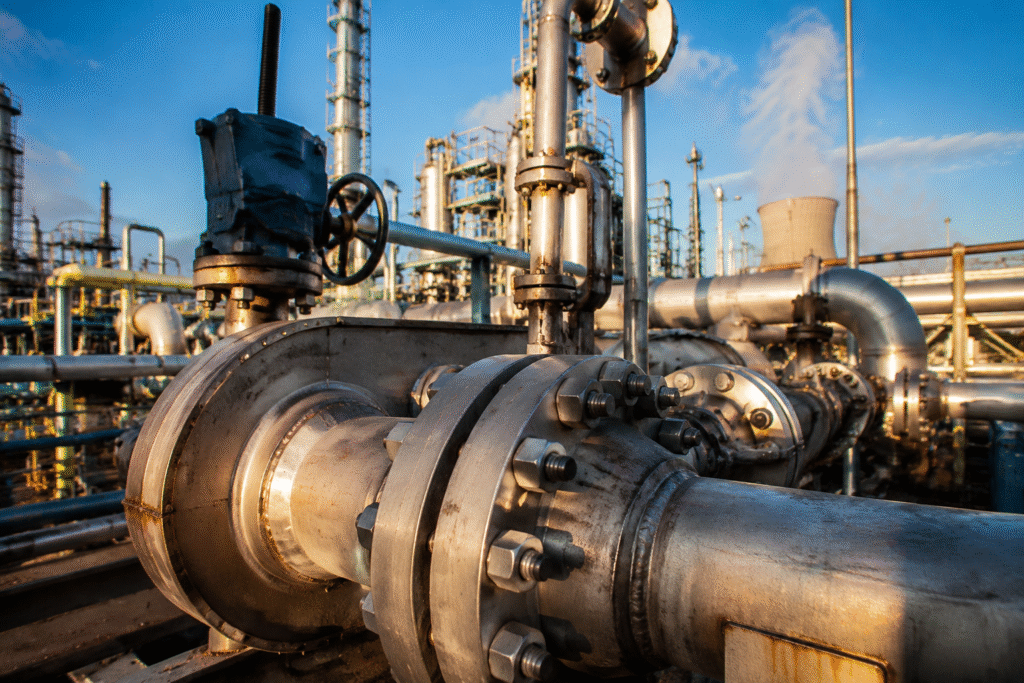
ステンレス鋼管フランジ市場ガイド: 7 データに裏付けられた利点, 種類, 用途, および選択に関する洞察
グランドビューリサーチによると (2024), 世界の工業用フランジ市場は次のように評価されました。 $5.8 億で 2023 に達すると予測されています $7.2 10億まで 2030. That growth highlights why the stainless steel pipe flange remains a critical component for engineers and buyers seeking durability, 耐食性, 長期的なライフサイクル価値.
多くのプロジェクトで, the hidden advantages of stainless steel pipe flange selection go beyond simple connection strength. Intriguing improvements in reliability, 保守性, and compliance often appear when buyers match flange material, 圧力クラス, and face type to the service environment.
ステンレス鋼管フランジの需要, 市場の成長, と調達動向
The industrial piping market continues to expand because energy, 水, and process plants need safer and more standardized joints. IBISWorldによると (2024), アジア太平洋地域が占める割合は超過 45% 世界のフランジ生産量の, 中国が最大の製造国である.
調達チームにとって地域集中が重要であること. リードタイムに影響する, raw material availability, and factory-direct pricing for stainless steel flanges and fittings.
Oil and gas remains the largest end-use segment for many flange manufacturers. 統計局によると (2024), 石油・ガス産業が約 35% 世界のフランジ消費量の.
しかし, 石油化学, 発電, 海洋, and water treatment sectors also drive steady demand. These industries require stainless, 炭素鋼, and alloy flange products built to ASME, ASTM, DIN, JIS, ゴスト, およびEN規格.
Material selection increasingly shapes total project cost. ステンレス鋼グレードなど 304, 316, 316l, 904l, 2205, そして 2507 often reduce maintenance frequency in corrosive service.
モルドール情報局によると (2024), industrial asset owners are placing greater emphasis on lifecycle cost rather than only upfront purchase price. したがって, procurement managers now compare not just stainless steel pipe flange price, but also corrosion allowance, inspection intervals, と交換サイクル.
博士として. ヘレン・モリス, Materials Engineering Analyst, 州: “In corrosive piping systems, a higher-grade stainless flange often costs less over the equipment life because downtime and replacement expenses decline significantly.” That view aligns with current owner-operator purchasing behavior in offshore, 化学薬品, and desalination projects.
Standards compliance also influences sourcing decisions. Buyers increasingly ask for EN 10204 3.1 材料試験証明書, PMI, 寸法検査, 水圧試験の記録, and traceability documentation.
This is where established manufacturers gain an advantage. SASA FLANGE 奉仕する 50+ 石油を巡る国々 & ガス, 石油化学, 力, 海洋産業, while supporting custom sizes from 1/2" 60まで" 競争力のある工場直販価格.
と ISO 9001:2015 および PED 2014/68/EU 認証, SASA FLANGE aligns with the documentation and quality expectations common in regulated international projects. さらに, buyers benefit from access to stainless steel flanges, 炭素鋼フランジ, 合金フランジ, and pipe fittings from one source.
The competitor content reviewed focuses heavily on grade listings, which are useful but incomplete for procurement. 対照的に, a stronger buying framework considers flange type, service media, ガスケットの互換性, 圧力定格, and inspection requirements together.
That integrated approach reveals the versatility of stainless steel pipe flange solutions. It also helps buyers choose the right flange for high-pressure steam, 塩化物, サワーサービス, or clean process systems.
Technical Advantages of Stainless Steel Pipe Flange Materials, 種類, and Uses
The most important technical benefit of a stainless steel pipe flange is corrosion resistance combined with predictable mechanical performance. Yet the exact advantage depends on grade chemistry, 製造ルート, and the intended pipe schedule and design code.
According to ASTM and ASME material practices, forged stainless flanges commonly use ASTM A182 F304などのグレード, F304L, F316, F316L, F51, とF53. These grades support a wide range of applications, from hygienic water lines to chloride-rich offshore systems.
デヴィッド・カー役, 上級配管エンジニア, 州: “The best flange is not the most expensive grade, but the grade that matches the medium, 温度, 圧力クラス, and inspection philosophy of the plant.” That principle is essential when buyers compare 304 対 316 or duplex versus austenitic stainless options.
For many general industrial systems, 304 and 304L remain the most common stainless choices. They offer good weldability, reliable toughness, and broad availability for slip on, ウェルドネック, 盲目, ねじ切りされた, and socket weld flange designs.
Where chlorides or aggressive chemicals are present, 316 and 316L usually outperform 304 because molybdenum improves pitting resistance. NACE ガイダンスおよびプロセス業界の一般的な慣行に基づく, 316L often becomes the preferred selection for coastal, 海洋, および化学的義務.
Duplex grades such as 2205 そしてスーパーデュプレックス 2507 provide higher strength and improved resistance to stress corrosion cracking. マーケットリサーチの将来によると (2024), demand for duplex stainless components is rising as offshore and desalination investments increase globally.
The hidden advantages of duplex stainless are especially intriguing for weight-sensitive projects. Higher strength can allow wall-thickness optimization in connected piping systems, which may reduce total installed weight.
- 304/304l: Cost-effective for general corrosion resistance, 給水システム, 食品加工, および穏やかな化学物質.
- 316/316l: 海洋向けの優れた耐塩化物性, 化学薬品, and pharmaceutical service.
- 904l: Excellent resistance in strong acids and high-corrosion environments.
- 2205: High strength and good chloride resistance for offshore and process plants.
- 2507: Superior pitting and crevice corrosion resistance for severe seawater exposure.
Flange type matters just as much as alloy grade. An incorrect type can create stress concentration, alignment difficulty, or sealing problems even when the material is correct.
- ウェルドネックフランジ: 高圧に最適, 熱サイクル, and critical service because the tapered hub improves stress distribution.
- スリップオンフランジ: Easier alignment and lower cost, often used in lower-pressure utility lines.
- ブラインドフランジ: 隔離するために使用されます, 終了する, or future-proof a line for expansion.
- ねじ付きフランジ: 溶接が制限されている場所で役立ちます, though pressure and vibration limits must be considered.
- ソケットウェルドフランジ: 小口径の高圧配管に最適.
によると ASME B16.5 そして ASME B16.47, フランジ寸法, 掘削, フェーシング, and pressure-temperature ratings must meet standardized requirements for safe interchangeability. Buyers should verify class ratings such as 150, 300, 600, 900, 1500, そして 2500 against operating conditions and material limits.
Face finish and gasket compatibility also affect performance. 盛り上がった顔, 平らな面, RTJ, and tongue-and-groove options each support different sealing philosophies.
例えば, an RTJ flange may be preferred in high-pressure hydrocarbon lines. 対照的に, raised face configurations are common in general refinery and chemical plant service.
According to ISO-oriented maintenance studies summarized by industry analysts, leakage incidents in bolted joints often trace back to improper assembly, misapplied gasket selection, or inadequate bolt load rather than flange metallurgy alone. したがって, flange selection must connect design, インストール, とメンテナンスの実践.
高度な CNC 加工と包括的な品質テストに裏付けられています, SASA FLANGE でフランジを製造します 304, 316, 904l, 2205, 2507 その他のプレミアムグレード. 同社はエルボも供給しています, ティー, 減速機, and caps for full piping package coordination.
For buyers comparing flange manufacturers or seeking a flange vendor for custom requirements, production flexibility matters. SASA FLANGE supports ANSI B16.5, ANSI B16.47, ASME B16.9, DIN, JIS, ゴスト, とEN 1092 dimensional systems, which helps multinational EPC and MRO teams simplify sourcing.
基準, 認証, ステンレス鋼フランジの適合性
Industrial buyers rarely approve a stainless steel pipe flange based on appearance or material grade alone. They require standards compliance, トレーサビリティ, and testing records that prove the flange meets project and regulatory requirements.
The most commonly referenced dimensional standard for NPS 1/2 を通して 24 は ASME B16.5. より大きな直径の場合, ASME B16.47 Series A and Series B often govern flange dimensions and drilling patterns.
材料規格も同様に重要です. ASTM A182 通常、鍛造または圧延合金およびステンレス鋼のパイプフランジをカバーします。, 鍛造継手, および高温用バルブ.
ヨーロッパのプロジェクトでは多くの場合、EN が必要です 1092 flange dimensions and PED compliance. その間, marine and offshore applications may also request DNV, ノルウェー, or client-specific requirements depending on vessel class or regional regulation.
- ASME B16.5: 寸法, 公差, 圧力温度定格, マーキング, NPSまでのフランジのテスト 24.
- ASME B16.47: NPS用大径鋼製フランジ 26 に 60.
- ASTM A182: Forged stainless and alloy flange material specification.
- EN 1092: 欧州フランジ寸法規格.
- NACE MR0175: Material considerations for sour service environments.
- EN 10204 3.1: Inspection certificate for traceable material and test data.
According to ASME and ASTM practice, markings must identify material, 圧力クラス, サイズ, 熱数, and manufacturer. This information enables downstream traceability during installation, audit, or failure analysis.
When corrosion cracking risks exist, buyers should also evaluate NACE MR0175 compatibility and service limitations. This is particularly relevant in upstream oil and gas lines carrying H2S-containing fluids.
A practical compliance checklist helps procurement teams avoid costly reorders and site delays. It also supports quality alignment between engineering, purchasing, and QA departments.
- Confirm dimensional standard: ASME B16.5, B16.47, DIN, JIS, またはEN 1092.
- 材質グレードの確認: ASTM A182 F304/F316/F51/F53 or approved equivalent.
- Confirm pressure class and flange facing: RF, FF, またはRTJ.
- 書類の確認: EN 10204 3.1, PMI, 硬度, および寸法レポート.
- Confirm regulatory compliance: PED 2014/68/EU, 広告 2000, and client approvals if required.
ASME publishes the core flange dimensional and rating standards used by most international projects. したがって, referencing current editions during design review is essential for interchangeability and compliance.
と ISO 9001:2015, PED 2014/68/EU, とAD 2000 認証, SASA FLANGE supports projects that need documented manufacturing control. That capability is especially valuable when buyers need custom machining, プレミアム合金, or multi-standard export supply.
加えて, the company’s quality workflow supports inspection needs common in engineering procurement. These include raw material verification, 寸法チェック, 視覚検査, and material certification review.
The result is lower documentation risk for international buyers. さらに, it improves confidence when a stainless steel flange 2 インチ, 4 インチステンレス鋼管フランジ, or large-diameter custom flange must integrate with existing line classes.
申請ガイド: 業界別のステンレス鋼管フランジ ソリューションの選び方
Every industry uses stainless steel pipe flange products differently because service conditions vary widely. 温度, 塩化物, 圧力サイクル, シャットダウン頻度, and cleaning chemicals all influence the correct selection.
石油とガスにおいて, welded joints must perform under vibration, pressure fluctuation, および腐食性媒体. したがって, weld neck flange designs in 316L, 2205, または 2507 often become preferred options for higher-integrity systems.
統計局によると (2024), 石油とガスは約 35% 世界のフランジ消費量の. That demand explains why many buyers ask for API flanges, sour-service compatibility, and project-specific traceability packages.
石油化学プラント内, メディアの互換性により素材の選択が促進される. 316L suits many process lines, while 904L or nickel alloys such as Inconel, モネル, and Hastelloy may be required for more aggressive service.
Power generation systems place strong emphasis on pressure-temperature rating. High-pressure steam lines typically favor forged weld neck flanges with strict dimensional and material control.
Shipbuilding and marine environments create persistent chloride exposure. In those applications, 316l, デュプレックス 2205, そしてスーパーデュプレックス 2507 often provide stronger long-term durability than standard 304.
Water treatment and desalination plants present a similar challenge. Pitting and crevice corrosion can accelerate quickly if the alloy is underspecified.
- 油 & ガス: 圧力クラスを優先する, NACE requirements, vibration resistance, and RTJ or weld neck options.
- 石油化学: Match alloy to acids, 溶剤, and temperature profile.
- 発電: Verify thermal cycling resistance, クラス評価, 溶接品質.
- 海兵隊: Focus on chloride resistance, crevice corrosion resistance, and coating compatibility.
- 水処理: Evaluate pitting resistance equivalent number and long-term maintenance cost.
Buyers also ask practical questions about types and uses. Should they choose slip on or weld neck, threaded or socket weld, 平面またはリングタイプのジョイント.
The answer depends on the piping code, メンテナンスアクセス, and consequence of leakage. For lower-pressure utility service, a stainless steel slip on flange may be sufficient and economical.
For critical hydrocarbon duty, しかし, engineers generally prefer weld neck or RTJ configurations. 結果として, the flange becomes part of a broader mechanical integrity strategy rather than a standalone commodity item.
Custom manufacturing often decides whether a supplier can support real project conditions. SASA FLANGE 1/2からのカスタムサイズを提供します" 60インチまで, multiple facing options, and material coverage from standard stainless to titanium and high-performance nickel alloys.
That range helps EPC contractors consolidate purchases across line classes. It also reduces coordination risk when flanges and fittings must align with elbows, ティー, 減速機, and caps in the same material family.
When buyers compare flange vendor options, they should assess more than unit price. Lead time stability, テクニカルサポート, ドキュメントの品質, and export packing can affect total project performance more than small purchase price differences.
As Mark Feldman, Industrial Supply Consultant, 州: “The strongest flange supplier is the one that prevents field problems before shipment through correct standard matching, ドキュメント, and machining accuracy.” That advice is highly relevant for multinational projects with strict inspection gates.
ステンレス鋼管フランジの供給見通しと戦略的購入の推奨
The outlook for stainless steel pipe flange demand remains positive because infrastructure, process industry modernization, and energy transition projects continue to expand. グランドビューリサーチによると (2024), 市場は~から成長すると予想される $5.8 億で 2023 に $7.2 10億まで 2030.
同時に, buyers face greater complexity. They must manage alloy volatility, freight risk, and tighter project documentation expectations.
IBISWorldによると (2024), アジア太平洋地域の統制 45% 世界のフランジ生産量の. したがって, supplier selection should include manufacturing capability, quality systems, とコミュニケーションの応答性, not just geographic origin.
Procurement teams can improve outcomes with several straightforward actions. 初め, standardize approved material and dimensional specifications before requesting quotations.
2番, compare lifecycle cost rather than only stainless steel pipe flange price. A lower-cost flange can become expensive if corrosion, 漏れ, or documentation gaps delay commissioning.
三番目, request complete technical quotation details. These should include material grade, 標準, クラス, 直面している, 検査範囲, 証明書の種類, そして配送スケジュール.
4番目, qualify suppliers that can handle both standard and custom work. That flexibility matters when projects need unusual bores, 大径, or mixed-standard requirements.
For companies seeking a reliable flange manufacturers partner, SASA FLANGE combines broad material capability, 標準の適用範囲, and export-oriented quality control. 結果として, engineers and buyers can source stainless steel pipe flange products with stronger confidence in compliance, パフォーマンス, そして配達.
よくある質問
ステンレス鋼フランジにはどのような種類がありますか?
●ステンレス鋼フランジの主なタイプはウェルドネックです。, スリップオン, 盲目, ねじ切りされた, ソケット溶接, そしてラップジョイント, そして ASME B16.5 defines the most common dimensional requirements for many of these designs.
●高圧高温用途に適したウェルドネックフランジ, while slip on flanges are often chosen for easier fit-up and lower fabrication cost in utility piping.
●グランドビューリサーチによると (2024), 世界の工業用フランジ市場に到達 $5.8 億で 2023, which shows how broad the demand is for multiple flange configurations across industries.
●重要なサービス用, engineers also compare face types such as raised face, 平らな面, and ring type joint because the sealing surface affects gasket performance and leak resistance.
●For projects requiring exact standard matching and material traceability, のような確立されたメーカーと協力する SASA FLANGE helps ensure the correct type, クラス, and material are supplied.
3種類のフランジとは何ですか?
●基本的な産業上の議論で最も一般的に参照される 3 つのフランジ タイプはウェルド ネックです。, スリップオン, and blind flanges because they cover many piping connection and isolation needs.
●Weld neck flanges provide the highest structural integrity for demanding service, slip on flanges offer easier alignment for general applications, and blind flanges close or isolate pipe ends for maintenance or future expansion.
●ASME の慣例によると, each type can be manufactured in pressure classes such as 150, 300, 600, より高い, so the flange type alone does not determine pressure capability.
●In practical selection, engineers also check material grade, 腐食代, 直面している, ボルト荷重, and gasket compatibility before final approval.
●For projects that require both common and custom flange types, と提携している SASA FLANGE can simplify sourcing and documentation control.
ステンレス鋼管フランジのサイズ: what sizes are available and how do buyers choose?
●Stainless steel pipe flange sizes commonly start at 1/2 インチまで拡張可能 60 インチ, と ASME B16.5 usually covering smaller standard sizes and ASME B16.47 covering larger diameters.
●Buyers choose size by matching nominal pipe size, パイプスケジュール, bore requirement, および相手部品の規格, because even a small mismatch can prevent proper assembly.
●IBISWorldによると (2024), アジア太平洋地域が占める割合は超過 45% 世界のフランジ生産量の, so buyers have broad sourcing options but must verify dimensional standard consistency carefully.
●あ 4 inch stainless steel pipe flange may look simple to specify, yet engineers still need to confirm pressure class, 直面している, 材質グレード, and bore tolerance before purchase.
●For mixed-standard projects or custom machined bores, のような確立されたサプライヤー SASA FLANGE can help align flange size details with the full piping package.
ステンレス鋼管フランジの価格: what affects cost?
●ステンレス鋼管フランジの価格は主に合金グレードによって異なります, サイズ, 圧力クラス, forging weight, 加工の複雑さ, テスト要件, そして注文数量.
●例えば, a 316L or duplex 2205 flange generally costs more than a 304 flange because alloy content and corrosion performance are higher, while RTJ machining and EN 10204 3.1 documentation can add further cost.
●モルドール情報局によると (2024), industrial buyers are increasingly prioritizing lifecycle cost over purchase price alone, which means corrosion resistance and service life often justify a higher initial price.
●Freight, 輸出梱包, and lead time urgency can also materially affect the final landed cost, especially for large-diameter or project-specific flanges.
●For buyers who need transparent quotations with technical clarity, working with manufacturers such as SASA FLANGE helps compare price against compliance, 品質, and delivery value.
What is a stainless steel slip on flange used for?
●A stainless steel slip on flange is used for piping systems where easier alignment and lower fabrication cost are important, especially in moderate-pressure utility or process lines.
●The pipe slips into the flange bore and is fillet welded, which simplifies installation compared with a weld neck flange but generally provides lower fatigue resistance in severe service.
●統計局によると (2024), 石油とガスが約 35% 世界のフランジ消費量の, yet many utility and secondary systems within those plants still use slip on flanges where service conditions permit.
●Engineers should verify pressure class, 溶接品質, 腐食環境, and code acceptance before choosing this type, because it is not ideal for every application.
●For buyers evaluating whether slip on is the right flange type, a qualified supplier like SASA FLANGE can review specifications and recommend suitable material and standard combinations.
How do I choose among flange manufacturers or a flange vendor?
●The best way to choose among flange manufacturers is to compare standards coverage, quality certifications, material capability, テスト範囲, 輸出経験, and technical responsiveness.
●A strong flange vendor should supply documentation such as EN 10204 3.1 証明書, 寸法レポート, traceability records, and compliance with standards like ASME B16.5, ASTM A182, とEN 1092.
●グランドビューリサーチによると (2024), 産業用フランジ市場は、 $7.2 10億まで 2030, so competitive supply options will grow, but technical inconsistency will remain a major buyer risk.
●Experts generally recommend reviewing lead times, CNC加工能力, custom size support, and previous industry experience in oil and gas, 石油化学, 力, または海上サービス.
●For projects that require a dependable combination of material range, 認証, and custom manufacturing, buyers often shortlist established suppliers such as SASA FLANGE.
関連投稿

オリフィスフランジの定義, 詳細と ASME B16.36 フランジの概要: 市場データ, 選択ガイドとコンプライアンスに関する洞察
世界の工業用フランジ市場は次のように評価されました。 $5.8 十億…

ブラックディスポフランジ市場ガイド: 材料, 3.5″ 互換性, キッチン シンク フランジの B2B 調達データ
キッチン設備の購入者として黒色の使い捨てフランジの需要が高まっています…