
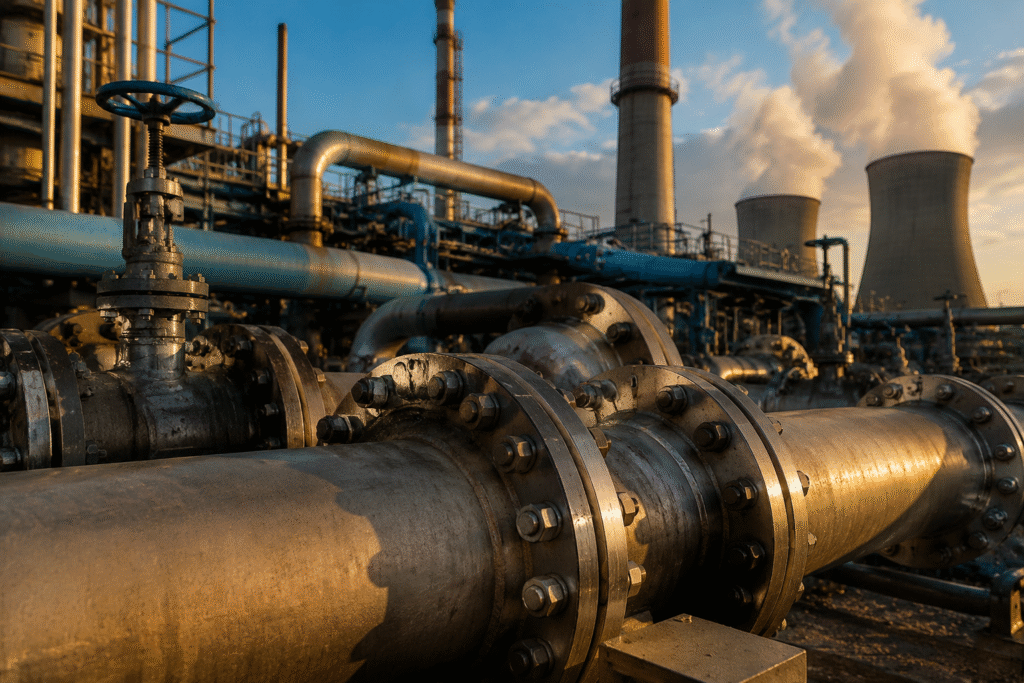
Các yếu tố lựa chọn mặt bích thép không gỉ và những lỗi thường gặp
Theo nghiên cứu của Grand View (2024), thị trường mặt bích công nghiệp toàn cầu được định giá ở mức $5.8 tỷ trong 2023 và dự kiến sẽ đạt $7.2 tỷ bởi 2030. That growth makes the stainless steel pipe flange a strategic component for engineers and buyers who need corrosion resistance, tính toàn vẹn áp lực, và tuổi thọ dài.
Đối với nhà thầu EPC, nhà phân phối, and plant operators, flange selection now affects more than connection design. It also influences maintenance intervals, inspection costs, và tuân thủ ASME, ASTM, DIN, và tiêu chuẩn EN.
Mô tả meta: Explore the stainless steel pipe flange guide with data, tiêu chuẩn, and selection tips. Compare types and contact SASA FLANGE Hôm nay.
Xu hướng nhu cầu công nghiệp Định hình mua sắm mặt bích ống thép không gỉ
The industrial piping market remains closely tied to energy, hóa chất, xử lý nước, and marine infrastructure. Theo Statista (2024), ngành dầu khí chiếm khoảng 35% tiêu thụ mặt bích toàn cầu.
That figure explains why buyers continue to prioritize pressure classes, hóa học hợp kim, and traceable certification. In high-risk systems, a flange is not a commodity. It is a pressure boundary component.
Động lực cung cấp khu vực cũng có vấn đề. Theo IBISWorld (2024), Châu Á - Thái Bình Dương chiếm hơn 45% sản xuất mặt bích toàn cầu, với Trung Quốc là nhà sản xuất lớn nhất.
Vì thế, global buyers increasingly source from qualified Chinese manufacturers that can combine scale with standards compliance. thời gian dẫn, độ chính xác gia công, and material traceability are often the deciding factors.
Song song, corrosion-resistant alloys continue gaining share in aggressive service. Tình báo Mordor (2024) notes that stainless and alloy material demand is rising in desalination, ngoài khơi, and chemical processing because lifecycle cost often outweighs initial purchase price.
Kết quả là, the hidden advantages of stainless steel pipe flange systems are receiving more attention. These advantages include lower replacement frequency, better hygiene performance, and improved resistance to pitting, crevice attack, và quá trình oxy hóa.
ASME B16.5 Và ASME B16.47 remain the dominant dimensional references for many industrial projects, trong khi TRONG 1092 and DIN standards stay important in European and mixed-specification projects. Buyers who manage cross-border sourcing must verify drilling, đối mặt, and pressure class compatibility before issuing a purchase order.
That need for precision creates opportunities for experienced manufacturers such as SASA FLANGE. Với ISO 9001:2015 và chứng nhận PED 2014/68/EU, the company supports industrial buyers that require reliable flange supply across Oil & Khí đốt, hóa dầu, Quyền lực, Hàng hải, Xử lý nước, và ngành xây dựng.
Theo Nghiên cứu thị trường Tương lai (2024), global process industry investment is shifting toward long-life assets and safer piping systems. Do đó, procurement teams now ask for EN 10204 3.1 tài liệu kiểm tra, Kiểm tra PMI, and stricter dimensional controls more often than before.
Trong môi trường này, the most common flange buying mistakes involve incomplete specification review. Ví dụ, buyers may confirm material grade but overlook raised face requirements, lịch khoan, hoặc NACE MR0175 compatibility for sour service.
That is why a strong stainless steel pipe flange guide should move beyond material lists. It should connect types, công dụng, lớp áp lực, chất lượng sản xuất, and application-specific risk.
Các loại mặt bích ống thép không gỉ, Ưu điểm tiềm ẩn, và các yếu tố lựa chọn kỹ thuật
The most common stainless steel flange materials include ASTM A182 F304, F304L, F316, F316L, F904L, F51, và F53. Each grade offers a different balance of strength, khả năng hàn, chloride resistance, và chi phí.
Theo tiêu chuẩn ASTM và dữ liệu ứng dụng công nghiệp, 304 Và 316 remain the most widely specified stainless grades for general process systems. Tuy nhiên, hai mặt 2205 và siêu song công 2507 are increasingly chosen where chloride stress, xói mòn-ăn mòn, and higher pressure demand better performance.
Như John Butterfield, Kỹ sư đường ống cao cấp, tiểu bang: “A flange should always be selected as part of the whole piping system, not as an isolated item, because temperature, trung bình, tải tuần hoàn, and corrosion allowance all interact.” That principle is especially important in offshore, nhà máy lọc dầu, và ứng dụng năng lượng.
Xét về mặt vật liệu, the hidden advantages of stainless designs often appear over time. Initial cost may be higher than carbon steel, yet lower maintenance and better corrosion resistance frequently reduce total ownership cost.
According to NACE-aligned corrosion studies cited in industry practice guides, chloride environments can sharply shorten the life of improperly selected materials. Vì thế, 316L, 2205, hoặc 2507 may deliver better value than 304 in seawater or chemical duty.
Buyers should compare flange types as carefully as they compare alloys. The choice among weld neck, trượt trên, mù, ổ cắm hàn, khớp nối, and threaded designs affects stress distribution, phương pháp lắp ráp, và truy cập kiểm tra.
- Mặt bích cổ hàn: Ưu tiên cho áp suất cao, nhiệt độ cao, and cyclic service because the tapered hub improves stress transition.
- Mặt bích trượt: Often used in lower pressure systems where faster fit-up and lower cost matter.
- Mặt bích mù: Dùng để chấm dứt, cô lập, or future-proof pipeline sections and nozzle connections.
- Mặt bích hàn ổ cắm: Phổ biến ở lỗ khoan nhỏ, hệ thống áp suất cao.
- Mặt bích ren: Hữu ích khi hàn là không thực tế, especially in certain utility lines or hazardous zones.
- Mặt bích khớp nối: Suitable where frequent dismantling is required and stub ends are specified.
The strongest type for most severe service is generally the weld neck flange, especially when designed to ASME B16.5 and matched to proper pipe schedule. Its geometry reduces local stress concentration better than many alternative designs.
Như Tiến sĩ. Elena Markovic, Nhà khoa học vật liệu, giải thích: “Trong môi trường chứa clorua, alloy selection is often the decisive factor, but flange geometry and weld quality still determine whether a system survives fatigue and corrosion together.” That insight helps procurement teams avoid oversimplified grade-only decisions.
Dimensional scope is another practical issue. Industrial buyers routinely request stainless steel pipe flange sizes from 1/2 inch đến 24 inch dưới ASME B16.5, while larger diameters often move into ASME B16.47 Series A or B.
Pressure ratings must match design conditions. Các lớp ASME phổ biến bao gồm 150, 300, 600, 900, 1500, Và 2500, although actual pressure-temperature limits vary by material group and standard tables.
Ở cấp độ sản xuất, machining accuracy and facing finish matter just as much as chemistry. Mặt ngước lên, mặt phẳng, and ring type joint configurations each require correct tolerances to seal properly with the intended gasket system.
According to ISO-aligned quality guidance used across pressure equipment manufacturing, repeatability in bore concentricity and facing finish directly affects leak risk. Do đó, advanced CNC machining and final inspection are no longer optional for export-grade flanges.
SASA FLANGE sản xuất mặt bích ở 304, 316, 316L, 904L, 2205, 2507, A105, A182, Inconel, Monel, Hastelloy, và lớp Titan. Được hỗ trợ bởi gia công CNC tiên tiến và kiểm tra chất lượng toàn diện, công ty cung cấp kích thước tùy chỉnh từ 1/2 inch đến 60 inch for demanding industrial projects.
Pipe fittings also influence flange selection. Khuỷu tay, áo thun, bộ giảm tốc, and caps must align with corrosion class, lịch trình, and code basis, especially where the project includes ASME B16.9 fittings and ASTM pressure-retaining materials.
Vì thế, the right guide should answer both questions engineers ask most often: which flange type fits the load case, and which alloy fits the fluid environment. When those answers align, lifecycle reliability improves significantly.
Tiêu chuẩn, Chứng nhận, và các yêu cầu tuân thủ đối với việc cung cấp mặt bích ống thép không gỉ
Tuân thủ tiêu chuẩn là nền tảng của việc mua sắm mặt bích an toàn. ASME B16.5 bao gồm mặt bích ống và phụ kiện mặt bích cho kích thước lên tới NPS 24, trong khi ASME B16.47 covers larger diameter steel flanges.
Tiêu chuẩn vật liệu đều quan trọng như nhau. ASTM A182 chi phối mặt bích ống thép không gỉ và hợp kim rèn hoặc cán, phụ kiện giả mạo, và van cho dịch vụ nhiệt độ cao, trong khi ASTM A240 covers plate products used in related stainless applications.
Các dự án châu Âu thường tham khảo EN 1092-1, PED 2014/68/EU, and DIN flange dimensions. Mixed-standard jobs require careful review because pressure designation, đối mặt với chi tiết, and bolt hole arrangements can differ.
For authoritative dimensional guidance, buyers should review the current standard at ASME.org. This is especially useful when project specifications combine ASME pressure classes with European documentation requirements.
Trong các lĩnh vực được quản lý, documentation is as important as machining. Yêu cầu điển hình bao gồm EN 10204 3.1 giấy chứng nhận kiểm tra nhà máy, xác định vật liệu tích cực, kiểm tra độ cứng, hồ sơ thử nghiệm thủy lực nếu có, và báo cáo kiểm tra kích thước.
Theo khuôn khổ của Ủy ban Châu Âu về PED 2014/68/EU, pressure equipment placed on the EU market must meet essential safety requirements. Vì thế, flange suppliers must understand both manufacturing control and documentation pathways.
Common standards and compliance points include:
- ASME B16.5: Kích thước, dung sai, xếp hạng nhiệt độ áp suất, and marking for standard flanges up to NPS 24.
- ASME B16.47: Large diameter flange dimensions and drilling data.
- ASME B16.9: Factory-made wrought buttwelding fittings used with flange-connected piping systems.
- ASTM A182: Đặc điểm kỹ thuật vật liệu mặt bích bằng thép không gỉ và hợp kim rèn.
- EN 1092-1: European flange standard for dimensions and PN ratings.
- NACE MR0175 / ISO 15156: Hướng dẫn về sự phù hợp của vật liệu đối với môi trường dịch vụ chua.
- PED 2014/68/EU: Regulatory compliance for pressure equipment in the EU.
A practical comparison helps procurement teams reduce errors:
- Lớp ASME 150: Common in lower pressure utility and general process service.
- Lớp ASME 300 Và 600: Widely used in refineries, nhà máy hóa chất, và hệ thống hơi nước.
- EN PN16 to PN40: Typical for European water, quá trình, và hệ thống cơ khí.
- mặt RTJ: Preferred in high-pressure and high-integrity sealing applications.
- Mặt ngước lên: The most common choice for general industrial service.
Như Michael Trần, Pressure Equipment Consultant, tiểu bang: “A compliant flange package is not just a forged ring with bolt holes. It is a traceable assembly of material, kích thước, thử nghiệm, đánh dấu, and certification.” That view reflects current project realities in international supply chains.
SASA FLANGE hỗ trợ các yêu cầu này với ISO 9001:2015, PED 2014/68/EU, và AD 2000 thông tin xác thực. Phục vụ 50+ các quốc gia trên khắp dầu mỏ & Khí đốt, hóa dầu, Quyền lực, và ngành hàng hải, the company aligns production with customer-specific documentation and inspection needs.
Hướng dẫn đăng ký: How to Choose Stainless Steel Pipe Flanges for Oil, Hóa chất, Quyền lực, và Dịch vụ Hàng hải
Application context determines the best material and flange style. A flange that performs well in clean water may fail rapidly in chloride-rich seawater or high-temperature sulfur-bearing gas.
trong dầu & Khí đốt, material selection often starts with pressure, nhiệt độ, Tiếp xúc với H2S, và trợ cấp ăn mòn. Theo Statista (2024), lĩnh vực này đại diện cho khoảng 35% tiêu thụ mặt bích toàn cầu, so field-proven reliability remains essential.
Đối với đường thượng nguồn và trung nguồn, buyers commonly choose weld neck flanges in ASTM A182 F316L, hai mặt 2205, or carbon steel A105 depending on corrosion and code requirements. Sour service projects may also require NACE MR0175 review and additional hardness controls.
Trong các nhà máy hóa dầu, media composition often drives the final decision. Axit hữu cơ, clorua, and solvent exposure can push engineers toward 316L, 904L, or nickel alloys rather than 304.
Power generation introduces another set of demands. Hệ thống hơi nước, đạp xe nhiệt, and high pressure favor flange types with strong structural integrity, especially weld neck designs and correctly matched gasket assemblies.
Marine and shipbuilding projects require special attention to salinity, rung động, and compact installation space. Các lớp song công như 2205 Và 2507 often provide a strong balance of strength and chloride resistance for these environments.
Water treatment systems can appear simple, yet chemistry varies widely. Khử muối, clo hóa, and chemical dosing lines can justify stainless or duplex selections that outperform painted carbon steel over the asset lifecycle.
When evaluating uses and types, người mua nên xem xét:
- Hóa học chất lỏng, bao gồm cả mức độ clorua, độ pH, hợp chất lưu huỳnh, và chất rắn.
- Áp suất thiết kế và nhiệt độ vận hành, including upset conditions.
- Kiểu kết nối, kiểu đối mặt, và khả năng tương thích của miếng đệm.
- Pipe schedule and bore match for flow and weld transition.
- Inspection requirements such as PMI, UT, hoặc EN 10204 3.1 chứng nhận.
- Tiêu chuẩn áp dụng, bao gồm ASME, ASTM, DIN, EN, và PED.
- Chi phí vòng đời, không chỉ đơn giá.
Many procurement teams still focus on stainless steel pipe flange price first. Tuy nhiên, low purchase price can become expensive if machining tolerance is poor, alloy chemistry is off-specification, or documentation delays site approval.
Theo nghiên cứu của Grand View (2024), the flange market is expanding steadily, which increases both supplier options and quality variation. Vì thế, prequalification and technical review are becoming more important, không ít.
Ví dụ, Một 4 mặt bích ống thép không gỉ inch trong lớp 150 may look similar across suppliers. Yet the actual difference may appear in PMI traceability, serrated finish quality, wall transition at the bore, and certificate accuracy.
That is where experienced manufacturers bring value. SASA FLANGE offers custom manufacturing for stainless steel flanges and pipe fittings, bao gồm cả khuỷu tay, áo thun, bộ giảm tốc, và mũ, enabling buyers to consolidate sourcing under one technical quality framework.
Sản xuất mặt bích tại 304, 316, 904L, 2205, 2507 và các hạng cao cấp khác, công ty hỗ trợ cả các yêu cầu tiêu chuẩn và yêu cầu cụ thể của dự án. This is particularly useful for projects that combine ASME flanges with custom bores, mặt đặc biệt, or non-standard inspection plans.
If the project calls for stainless steel flanges and fittings together, buyers should confirm material consistency across all pressure-retaining components. That approach simplifies QA review and improves long-term corrosion performance.
Triển vọng tương lai, Strategic Buying Advice, and the Most Common Mistakes to Avoid
Triển vọng thị trường mặt bích công nghiệp vẫn tích cực. Theo nghiên cứu của Grand View (2024), thị trường được dự đoán sẽ tăng trưởng từ $5.8 tỷ trong 2023 ĐẾN $7.2 tỷ bởi 2030.
That trajectory reflects continuing investment in energy, Nước, hóa chất, và cơ sở hạ tầng. It also reflects a shift toward higher-value materials and tighter quality control expectations.
Theo IBISWorld (2024), Asia-Pacific leads global flange production with over 45% share. Kết quả là, supplier selection in this region will continue to shape global pricing, thời gian dẫn, and quality benchmarks.
Nhìn về phía trước, several trends are clear:
- More projects will demand duplex and super duplex materials for chloride service.
- Digital traceability and documented inspection will become standard expectations.
- Buyers will place greater emphasis on total lifecycle cost rather than only initial price.
- Factory-direct sourcing will remain attractive where quality systems are proven.
The most common purchasing mistakes remain preventable. Buyers often under-specify corrosion resistance, mix incompatible standards, or overlook bore schedule alignment.
Another frequent issue is assuming all stainless grades perform similarly. In reality, 304, 316L, 904L, 2205, Và 2507 serve different corrosion, sức mạnh, and temperature windows.
A practical buying process should include material review, standard verification, facing confirmation, test certificate requirements, và lập kế hoạch giao hàng. Hơn thế nữa, engineering and procurement teams should validate whether the flange will operate in static, theo chu kỳ, ăn mòn, or abrasive service.
For companies seeking a dependable supply partner, technical support matters as much as machining capacity. Working with established manufacturers such as SASA FLANGE can help reduce specification gaps, shorten approval cycles, and support safer project execution.
Câu hỏi thường gặp
Mặt bích thép không gỉ dùng để làm gì?
●Mặt bích inox được dùng để nối các đường ống, van, máy bơm, và bình áp lực trong các hệ thống yêu cầu chống ăn mòn, sức mạnh cơ học, và niêm phong đáng tin cậy dưới áp lực.
●Theo Statista (2024), ngành dầu khí chiếm khoảng 35% tiêu thụ mặt bích toàn cầu, which shows how important flanged joints are in critical process infrastructure.
●They are commonly specified in oil and gas, hóa dầu, hàng hải, chế biến thực phẩm, xử lý nước, and power generation because stainless materials perform well in wet, ăn mòn, and hygienic environments.
Họ có sản xuất phụ kiện đường ống bằng thép không gỉ không?
●Đúng, nhà sản xuất sản xuất phụ kiện ống thép không gỉ như khuỷu tay, áo thun, bộ giảm tốc, and caps in grades including 304, 316, 316L, 904L, 2205, Và 2507.
●ASME B16.9 is the key standard for factory-made wrought buttwelding fittings, and buyers should confirm schedule, sự chuẩn bị cuối cùng, and material traceability before ordering.
●For projects that require matched flanges and fittings, sourcing both from experienced suppliers like SASA FLANGE helps maintain consistent metallurgy, tài liệu, and dimensional control.
Mặt bích ống loại nào bền nhất?
●For most industrial services, the weld neck flange is considered the strongest standard piping flange because its tapered hub reduces stress concentration and supports high-pressure, high-temperature duty.
●ASME B16.5 weld neck flanges are widely used in refinery, hơi nước, and offshore systems where fatigue resistance and weld integrity matter more than simple installation speed.
●Tuy nhiên, the best choice still depends on pressure class, lịch trình đường ống, môi trường ăn mòn, và yêu cầu về mã, so engineering review is essential before selection.
Các loại mặt bích thép không gỉ khác nhau là gì?
●The main types of stainless steel flanges are weld neck, trượt trên, mù, ổ cắm hàn, xâu chuỗi, và mặt bích khớp nối.
●Mỗi loại phục vụ một mục đích khác nhau, with weld neck flanges favored for severe service, slip-on flanges used in general plant piping, and blind flanges used to close line ends or future expansion points.
●To choose correctly, buyers should compare pressure rating, nhu cầu bảo trì, welding access, gasket surface, và tiêu chuẩn áp dụng như ASME B16.5 hoặc VN 1092-1.
Mã ASME cho mặt bích thép không gỉ là gì?
●Tiêu chuẩn kích thước ASME chính cho các sản phẩm mặt bích ống thép không gỉ là ASME B16.5 cho NPS 1/2 bởi vì 24, trong khi ASME B16.47 bao gồm đường kính lớn hơn.
●Material is typically specified under ASTM A182 cho mặt bích thép không gỉ rèn, so buyers should review both the dimensional code and the material standard together.
●This combined approach helps ensure the flange meets design pressure, giới hạn nhiệt độ, chemical composition requirements, and project documentation expectations.
Làm thế nào để tôi lựa chọn giữa 304, 316L, 2205, Và 2507 mặt bích thép không gỉ?
●304 is often the most common choice for general service, 316L adds better chloride resistance, 2205 offers higher strength with strong corrosion performance, Và 2507 is used for even more aggressive chloride environments.
●According to industry practice and corrosion guidance, molybdenum-bearing and duplex grades usually outperform 304 trong nước biển, nước muối, and many chemical applications where pitting risk is higher.
●For cost-effective selection, match the alloy to the fluid chemistry and operating conditions rather than choosing by price alone, and consult qualified suppliers like SASA FLANGE when specifications are critical.
bài viết liên quan
Mặt bích hoàn thiện: Giải thích về răng cưa đồng tâm và xoắn ốc
Các răng cưa đồng tâm và xoắn ốc đều được gia công hoàn thiện mặt bích…
song công 2205 so với mặt bích 316L: Bạn nên chọn chất liệu nào?
Trả lời nhanh: song công 2205 mặt bích thường là ứng cử viên mạnh hơn…

Định nghĩa mặt bích lỗ, Chi tiết và tổng quan về mặt bích ASME B16.36: Dữ liệu thị trường, Hướng dẫn lựa chọn và thông tin chi tiết về tuân thủ
Thị trường mặt bích công nghiệp toàn cầu được định giá ở mức $5.8 tỷ…

Hướng dẫn thị trường mặt bích xử lý màu đen: Nguyên vật liệu, 3.5″ Khả năng tương thích, và dữ liệu tìm nguồn cung ứng B2B cho mặt bích bồn rửa nhà bếp
Nhu cầu mặt bích xử lý màu đen đang tăng lên khi người mua đồ đạc nhà bếp…